Categories
Papua New Guinea

Lissenug Island

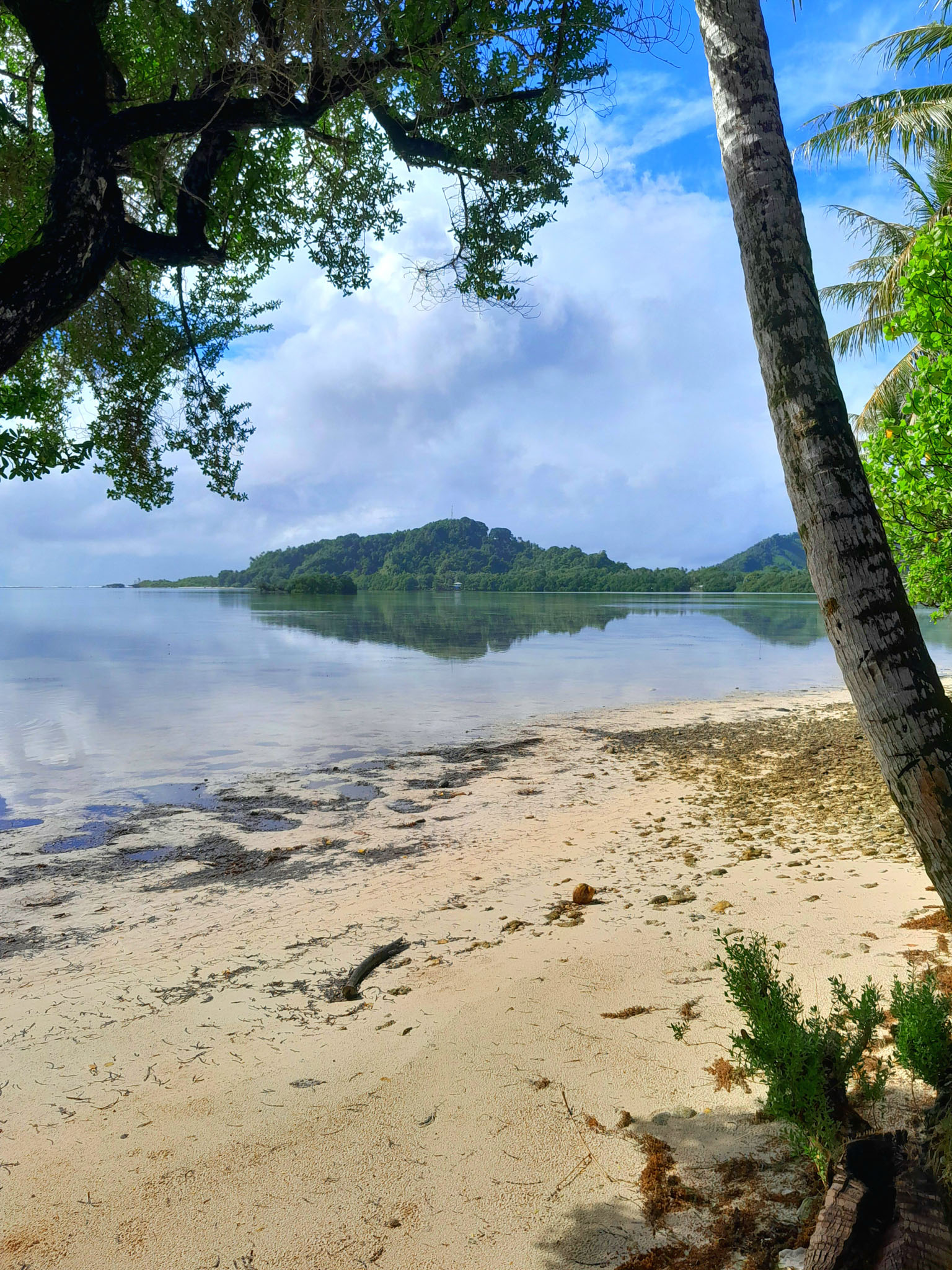
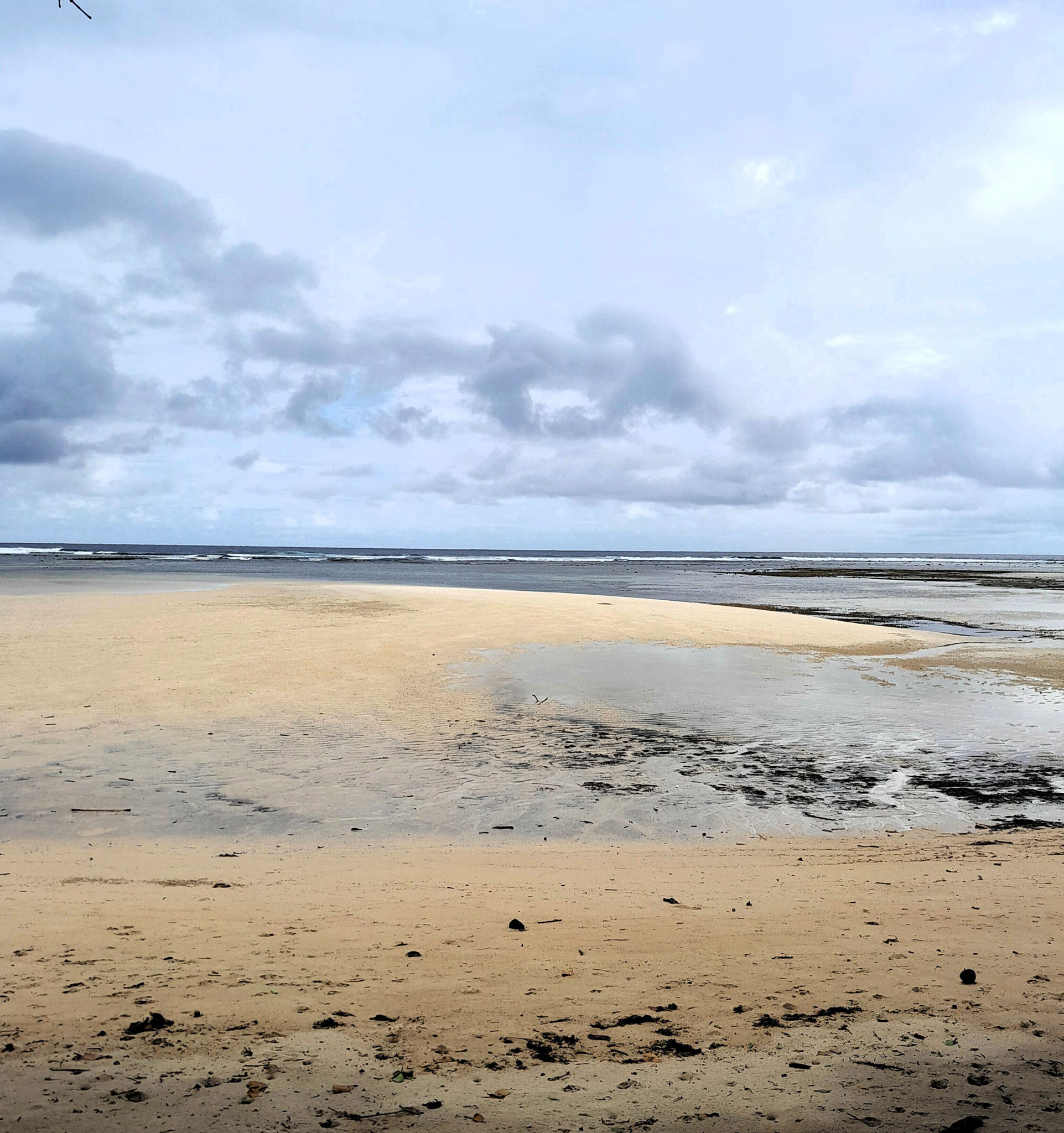
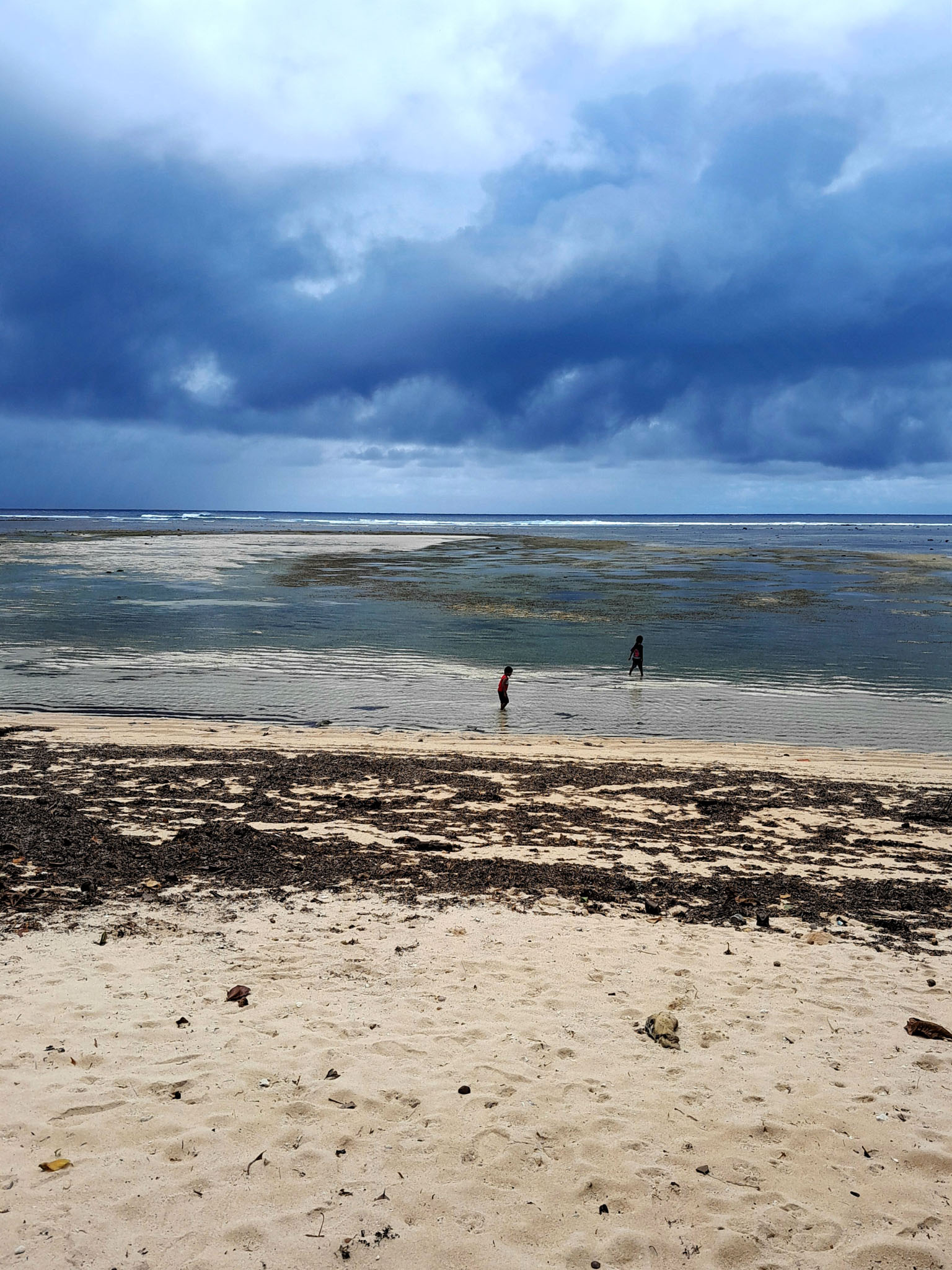
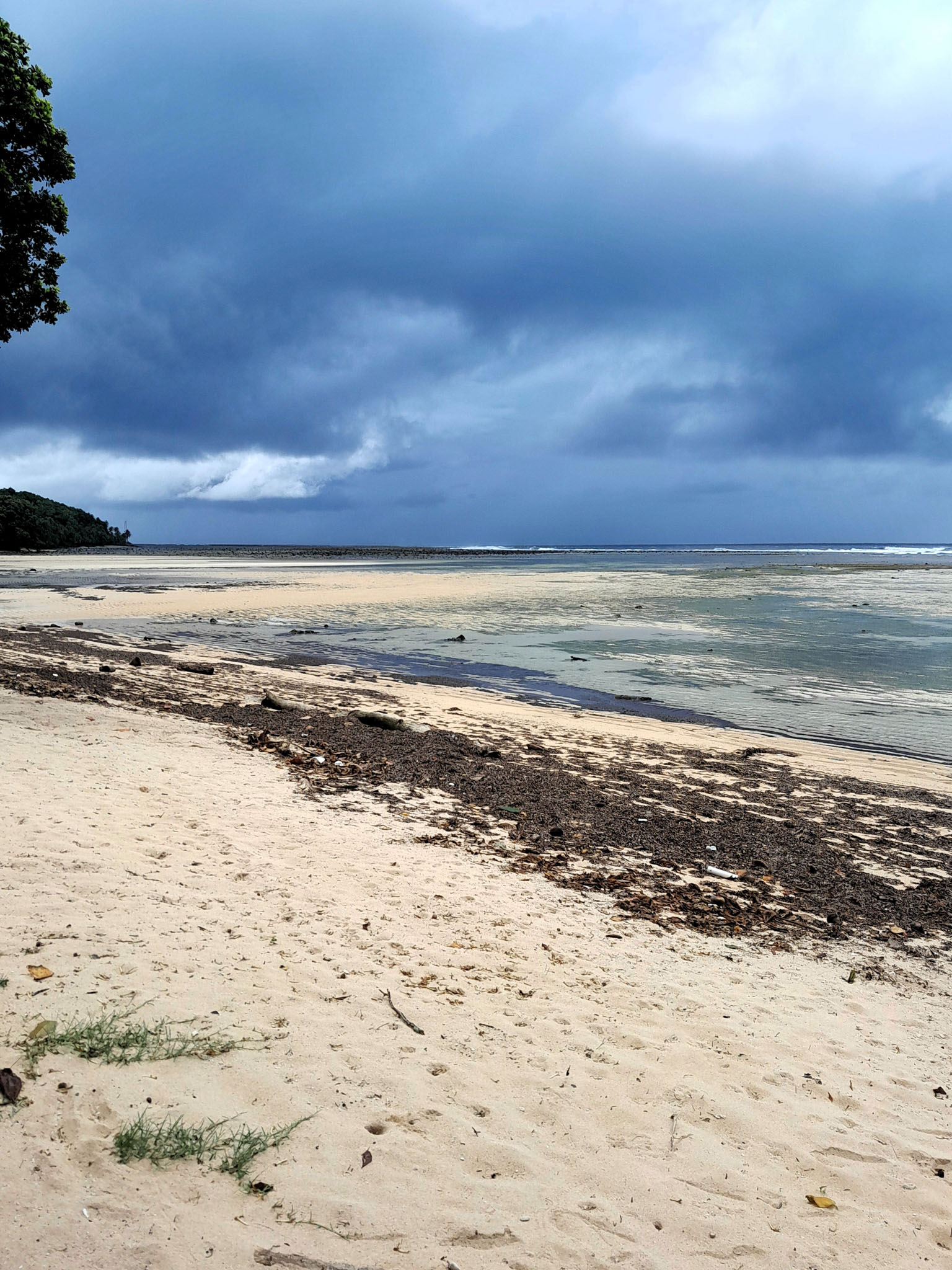
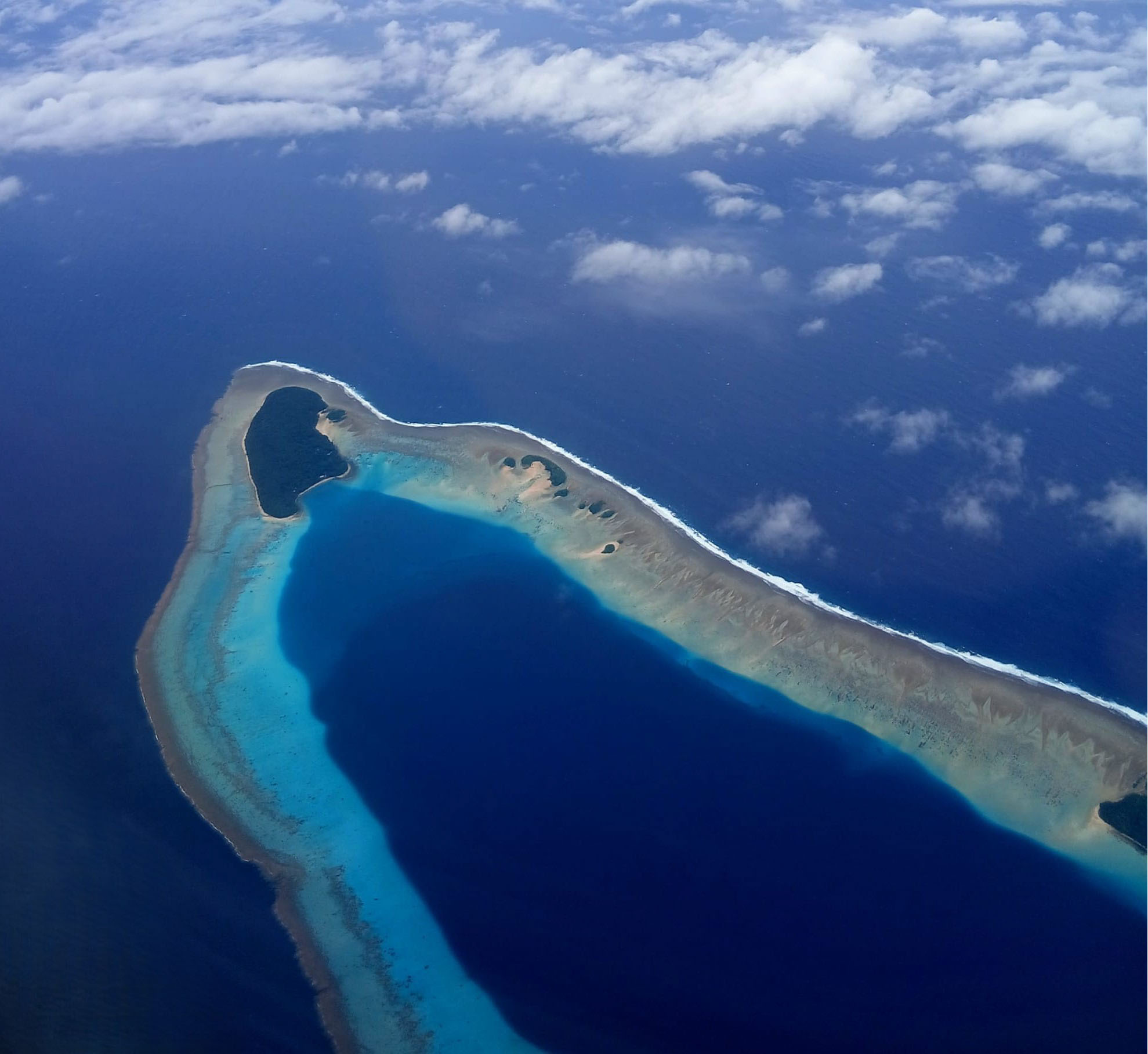
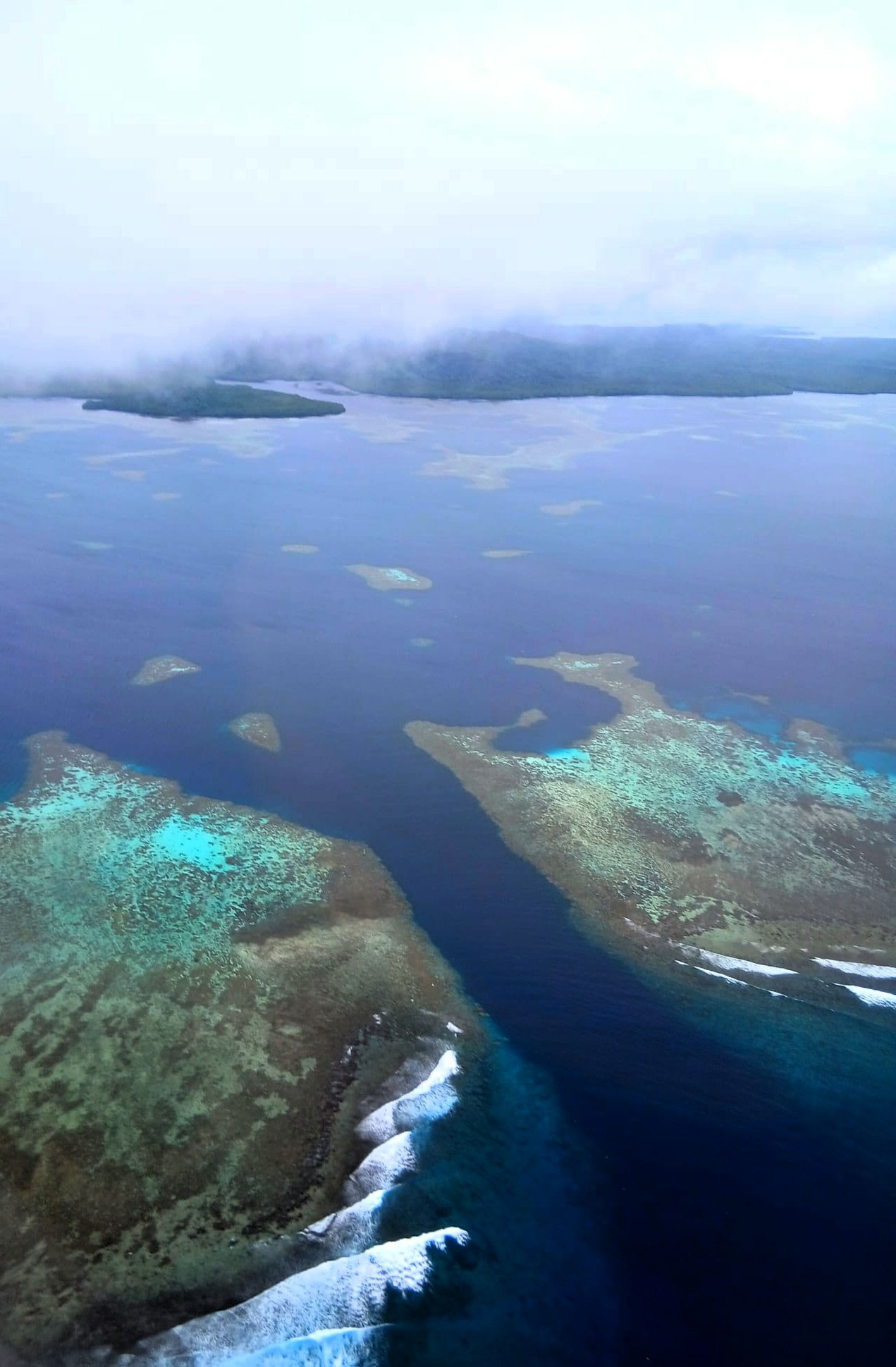
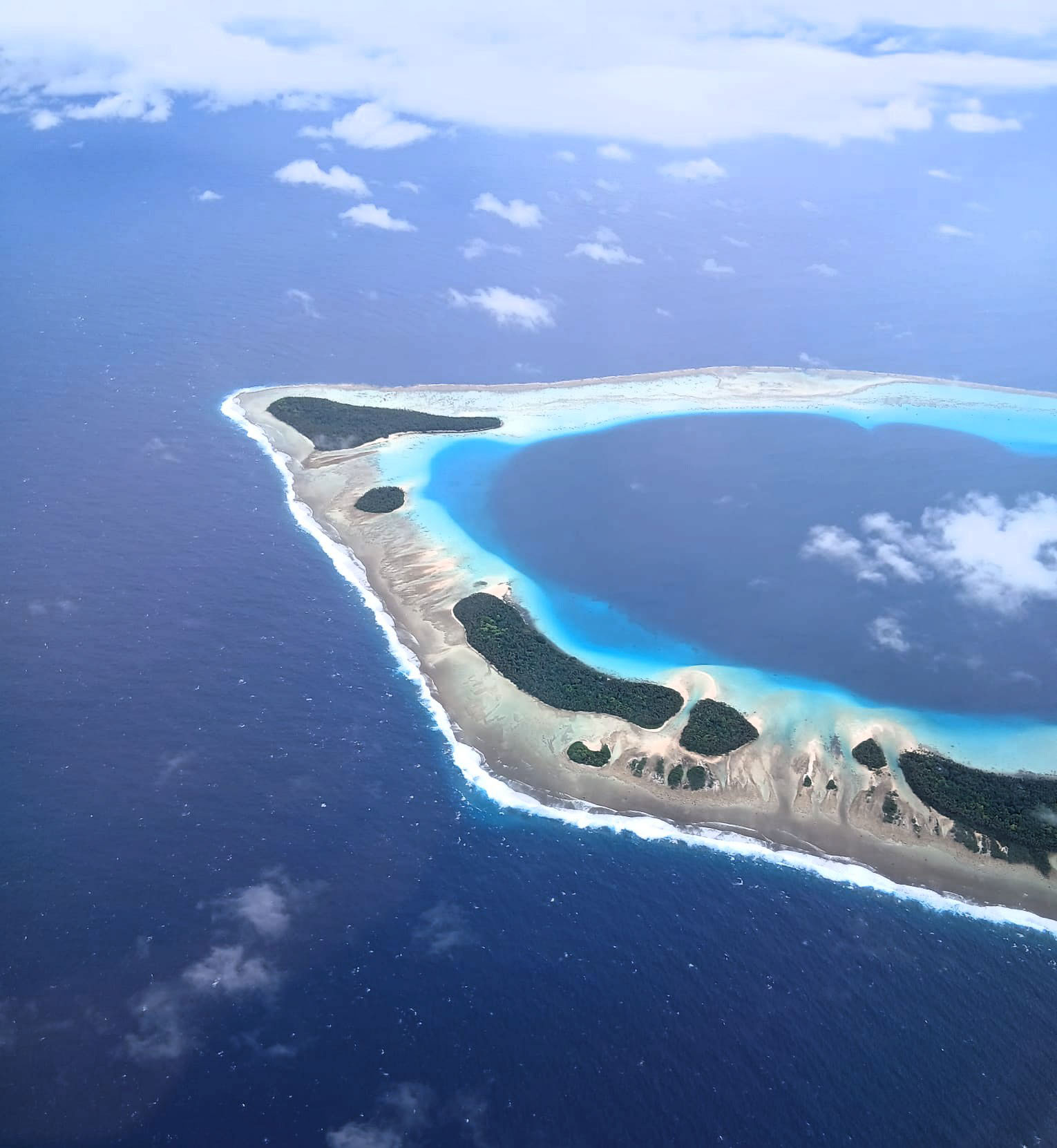
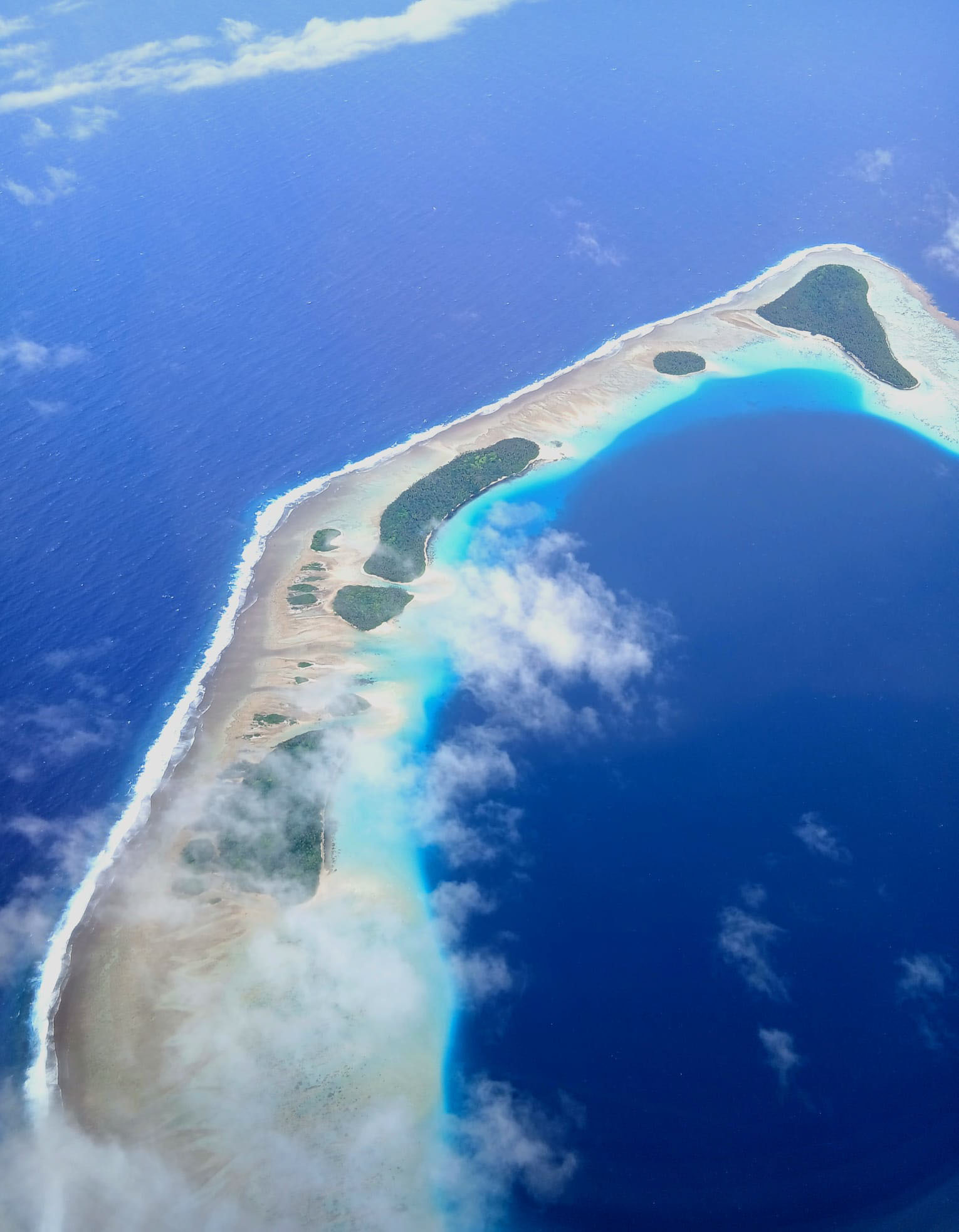
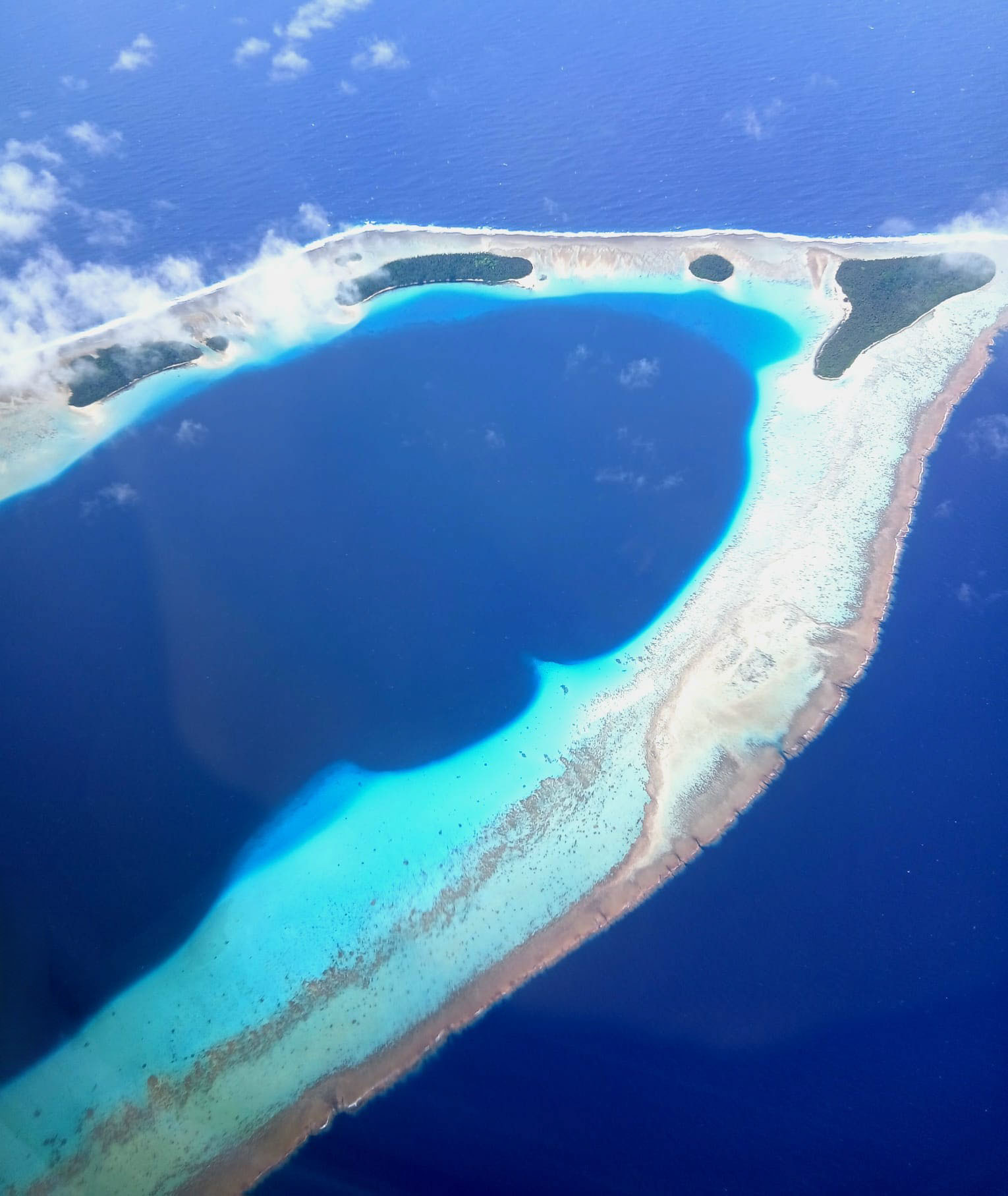
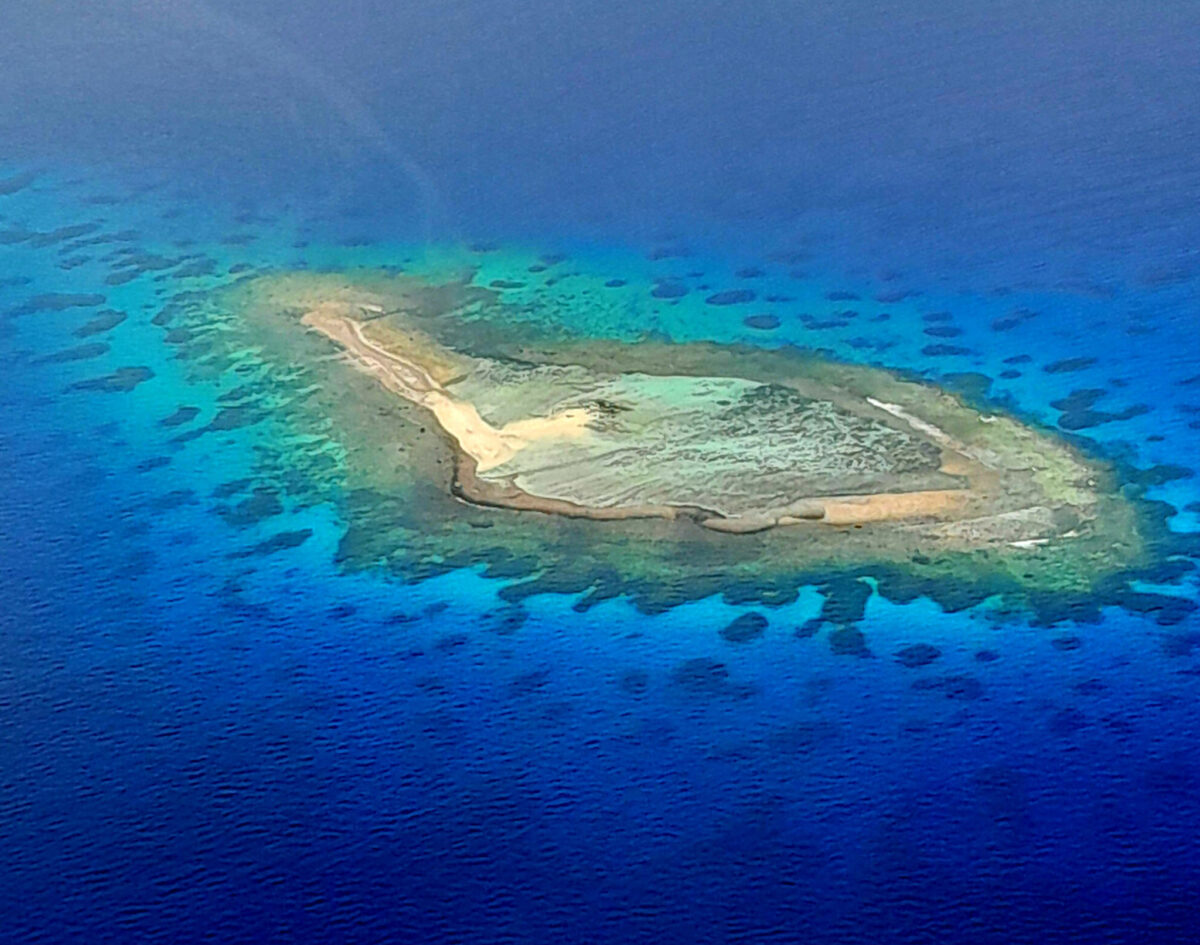
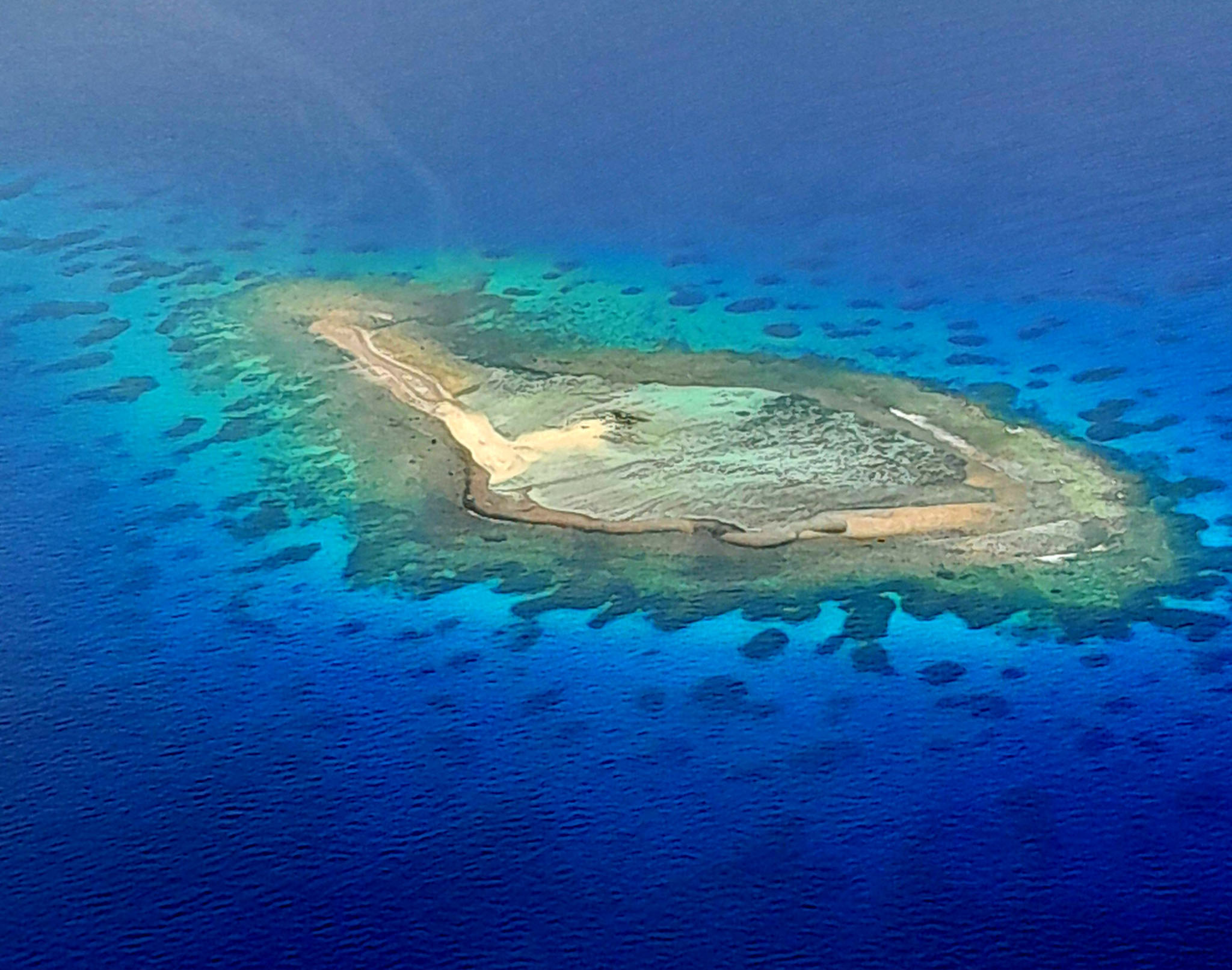
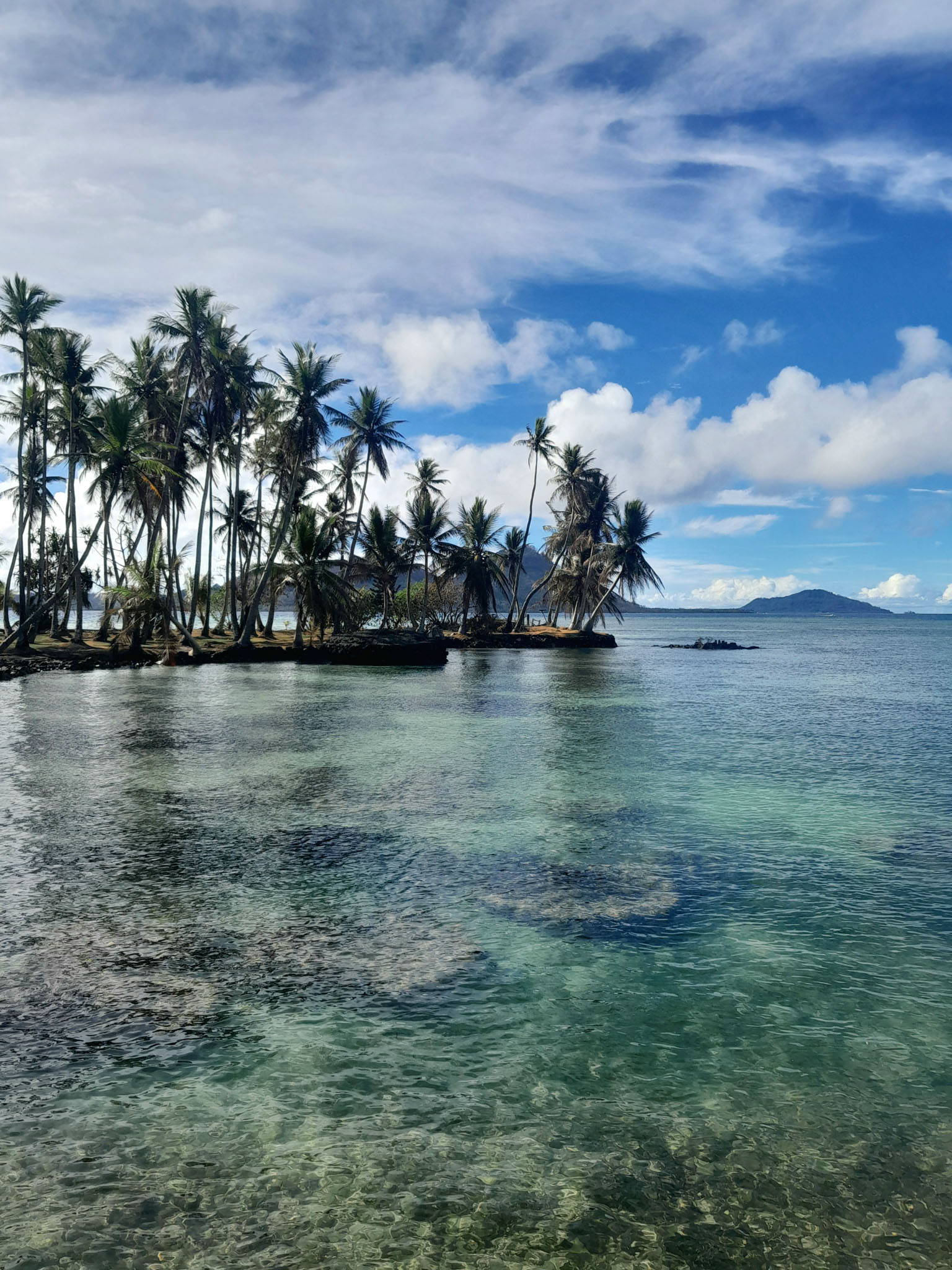
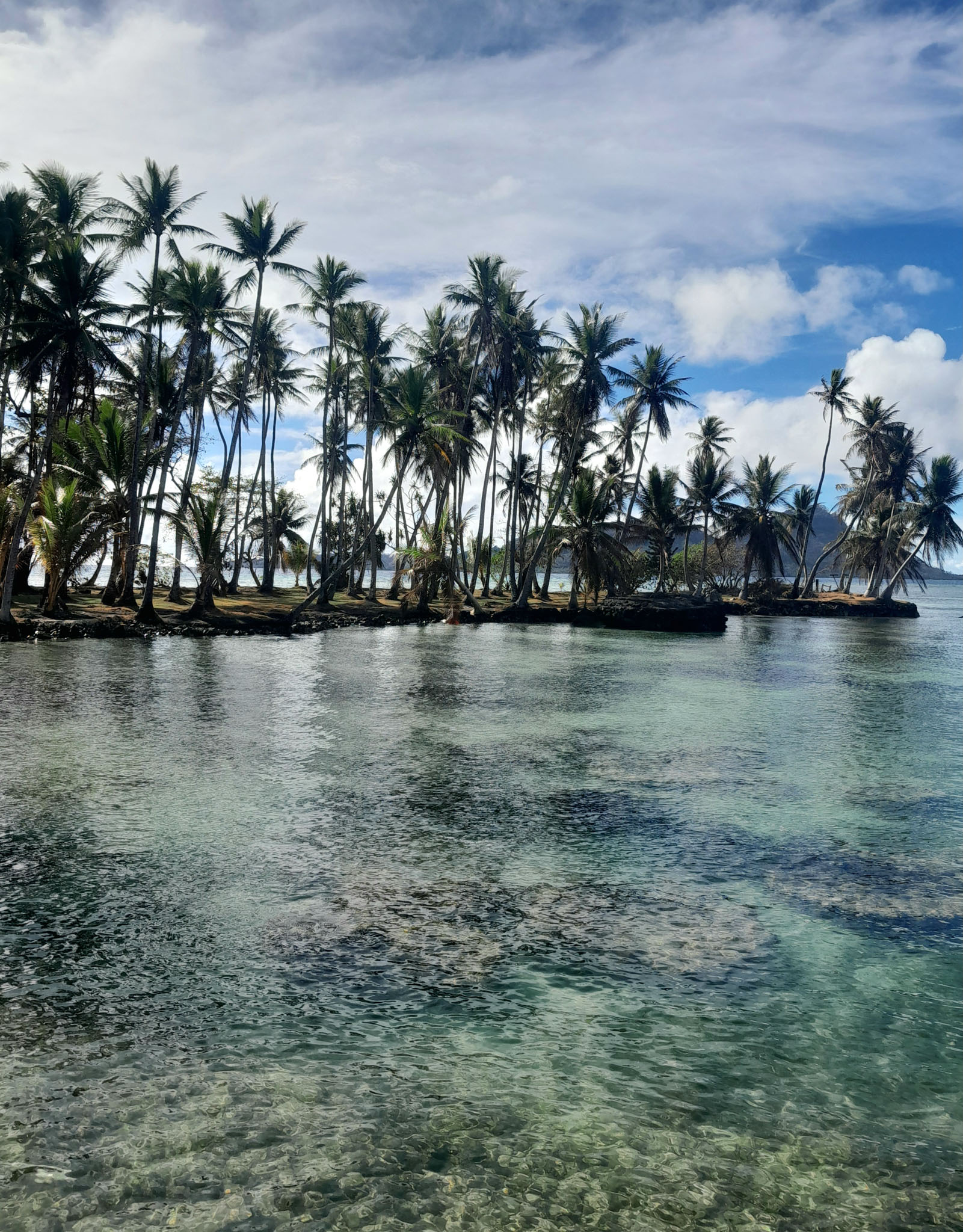
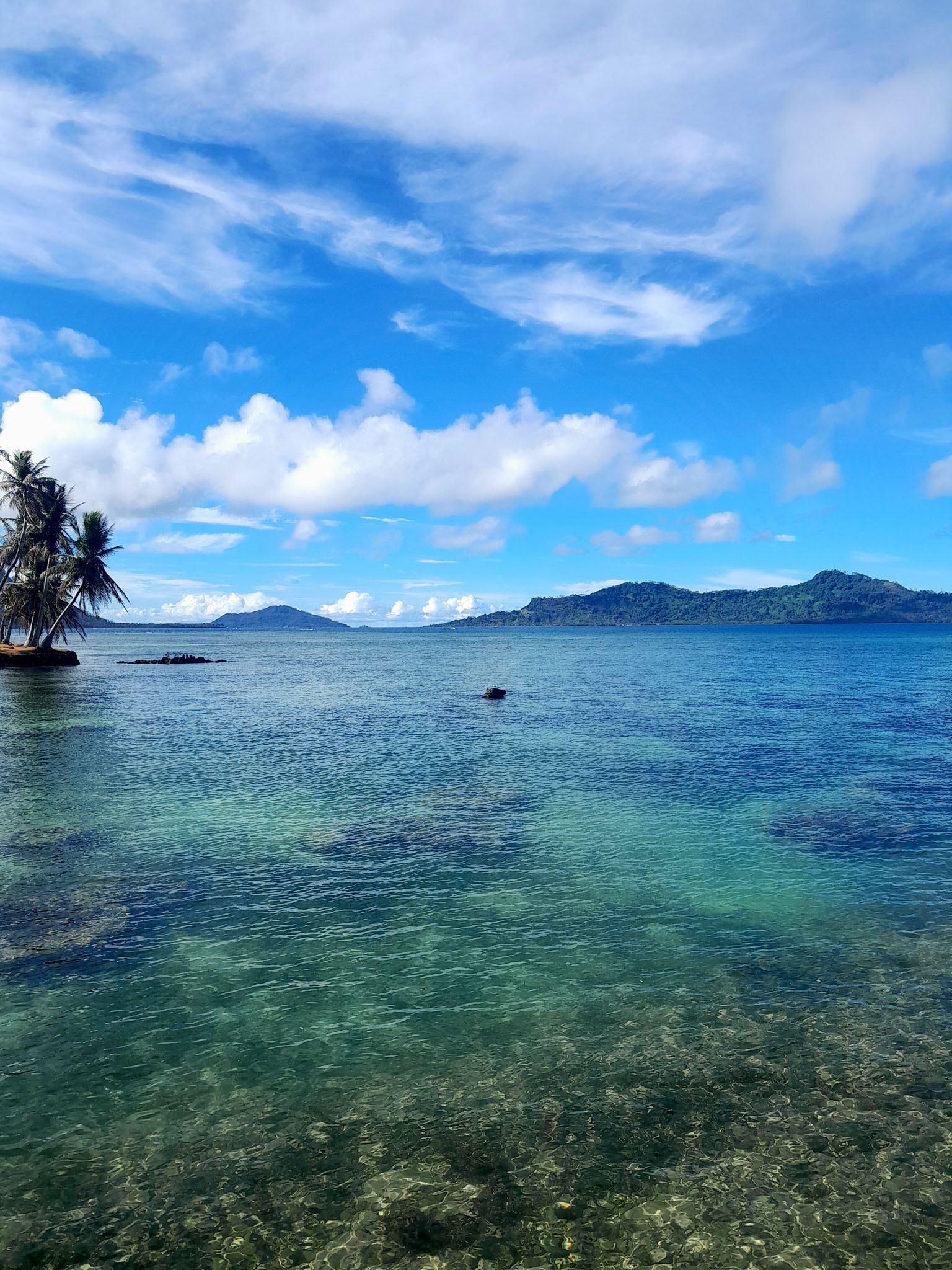
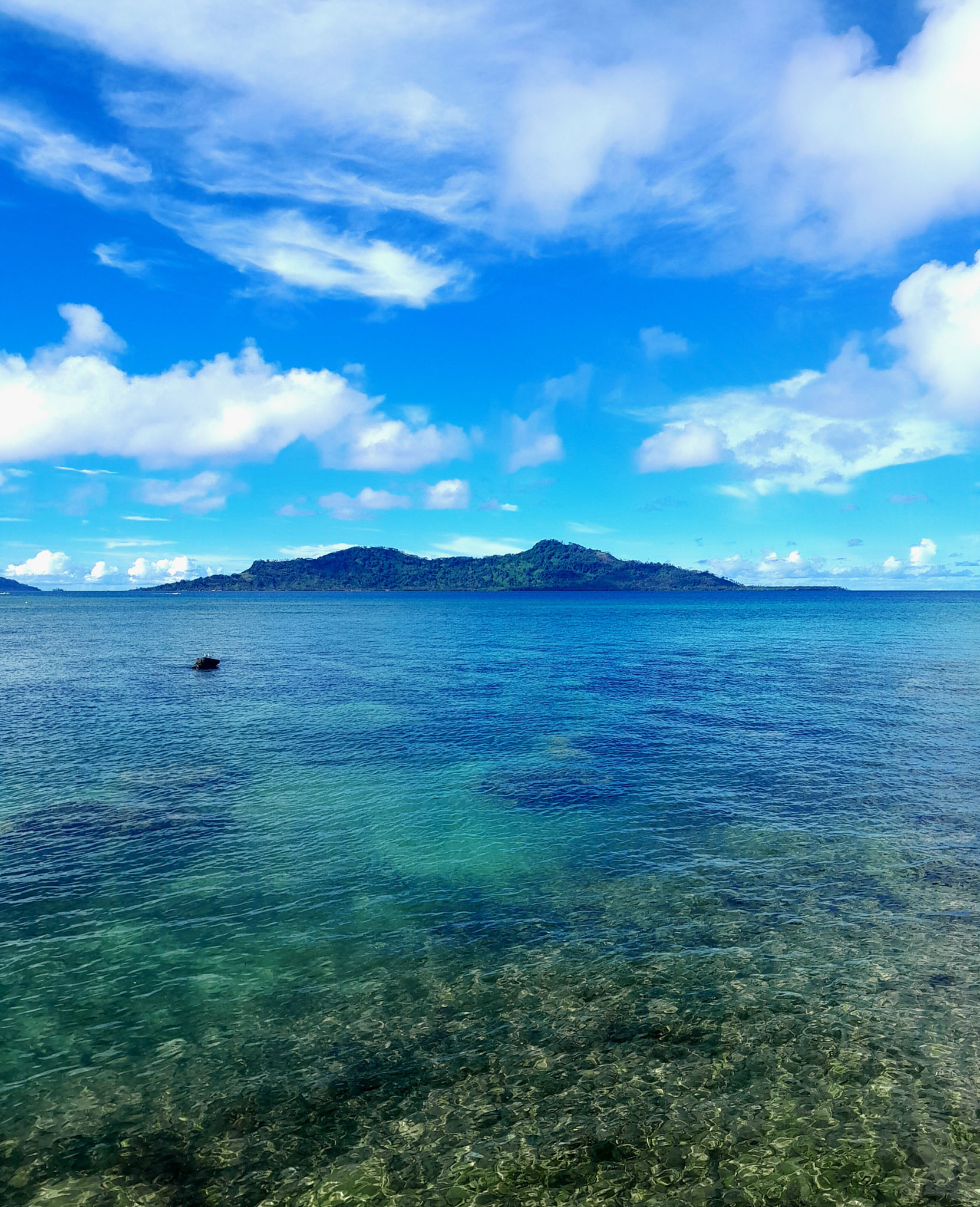
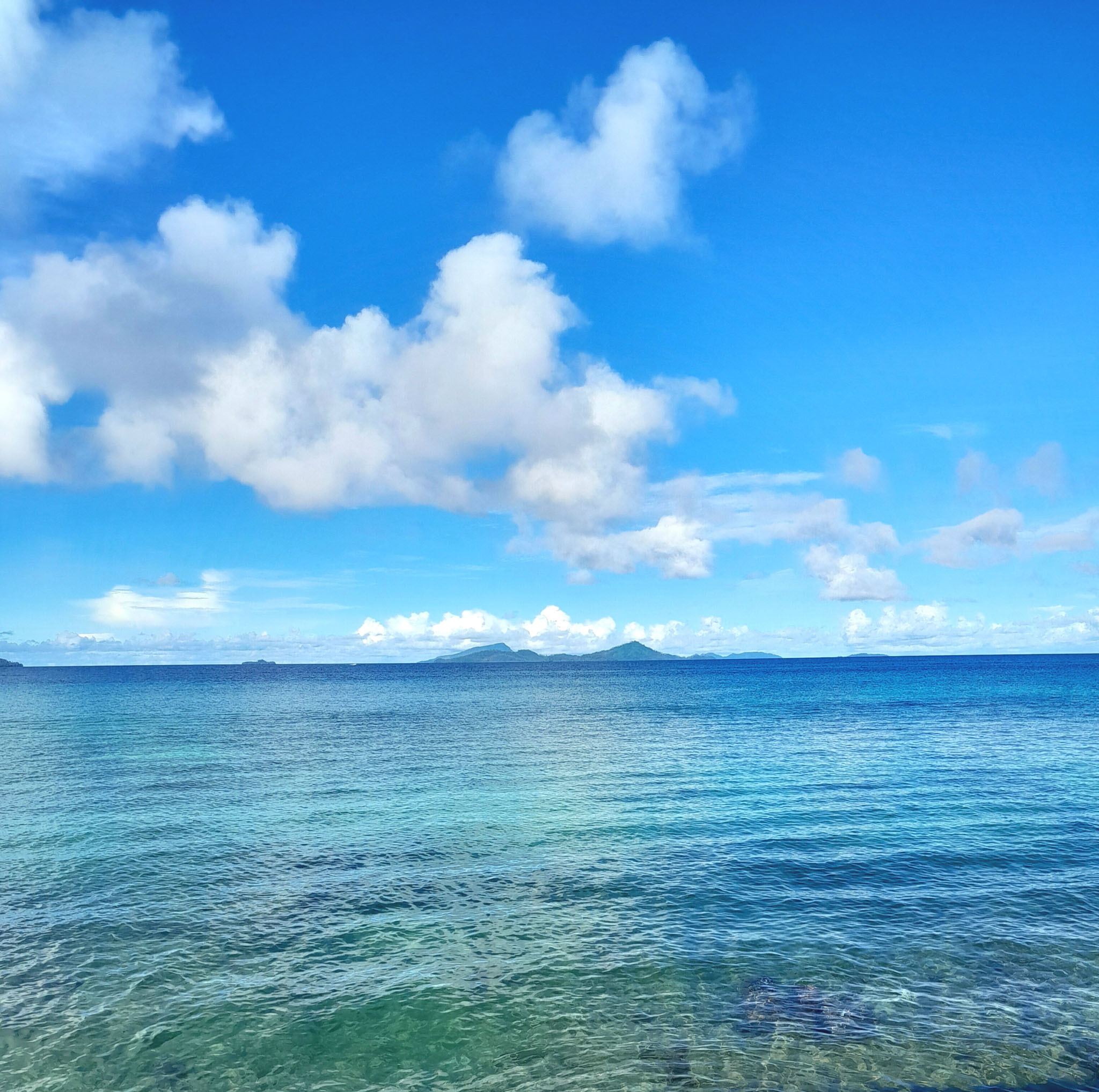
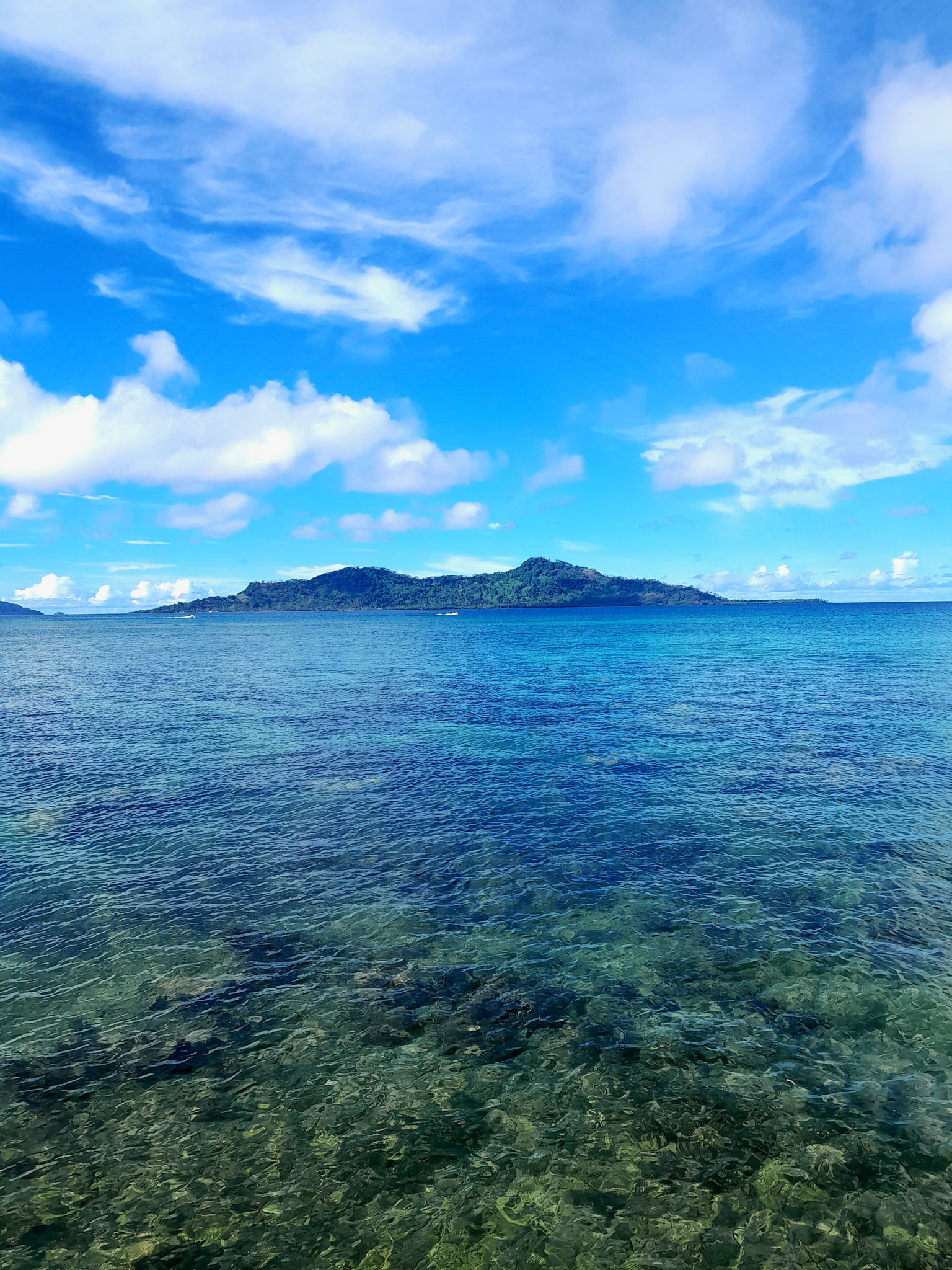
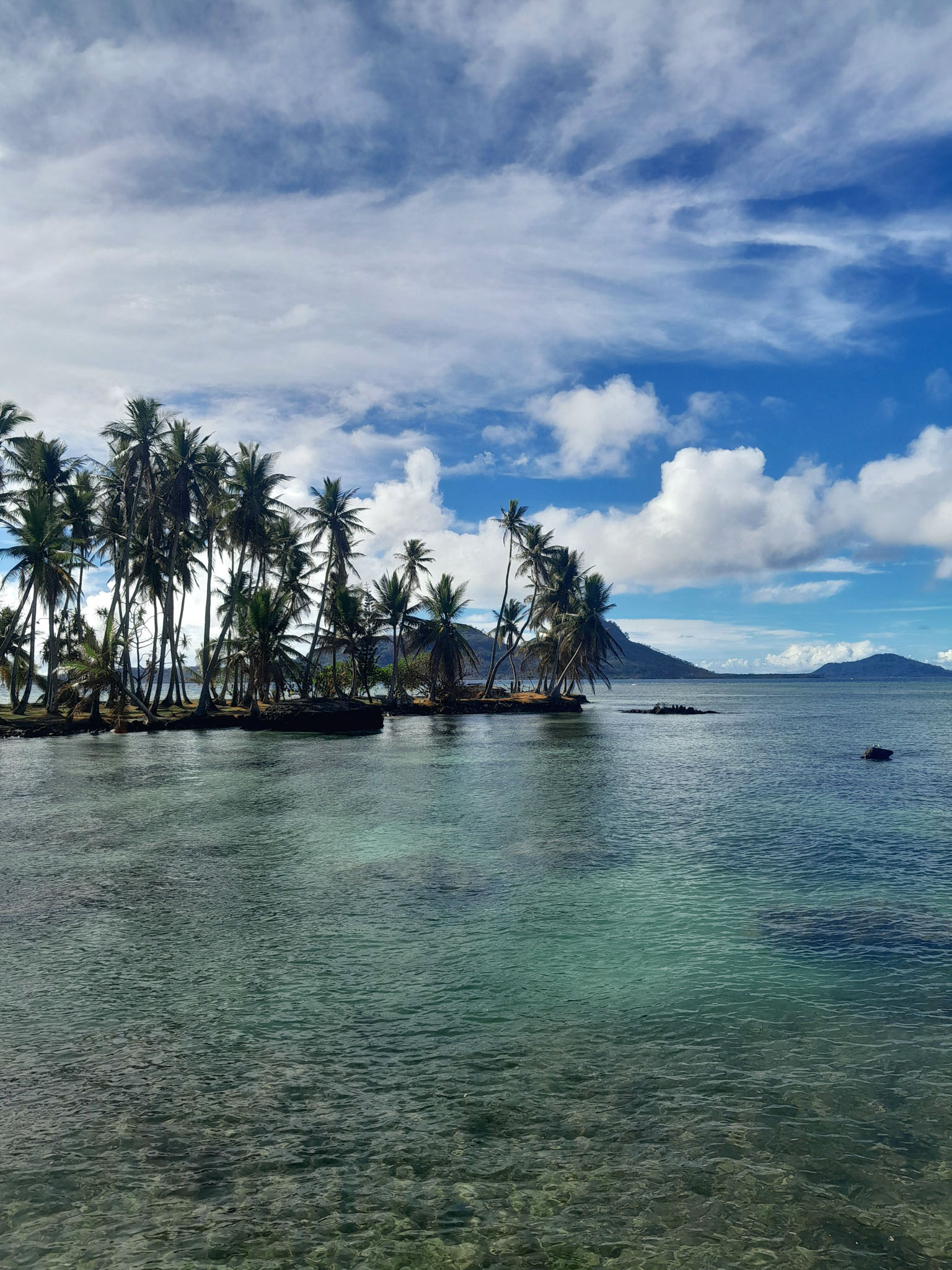
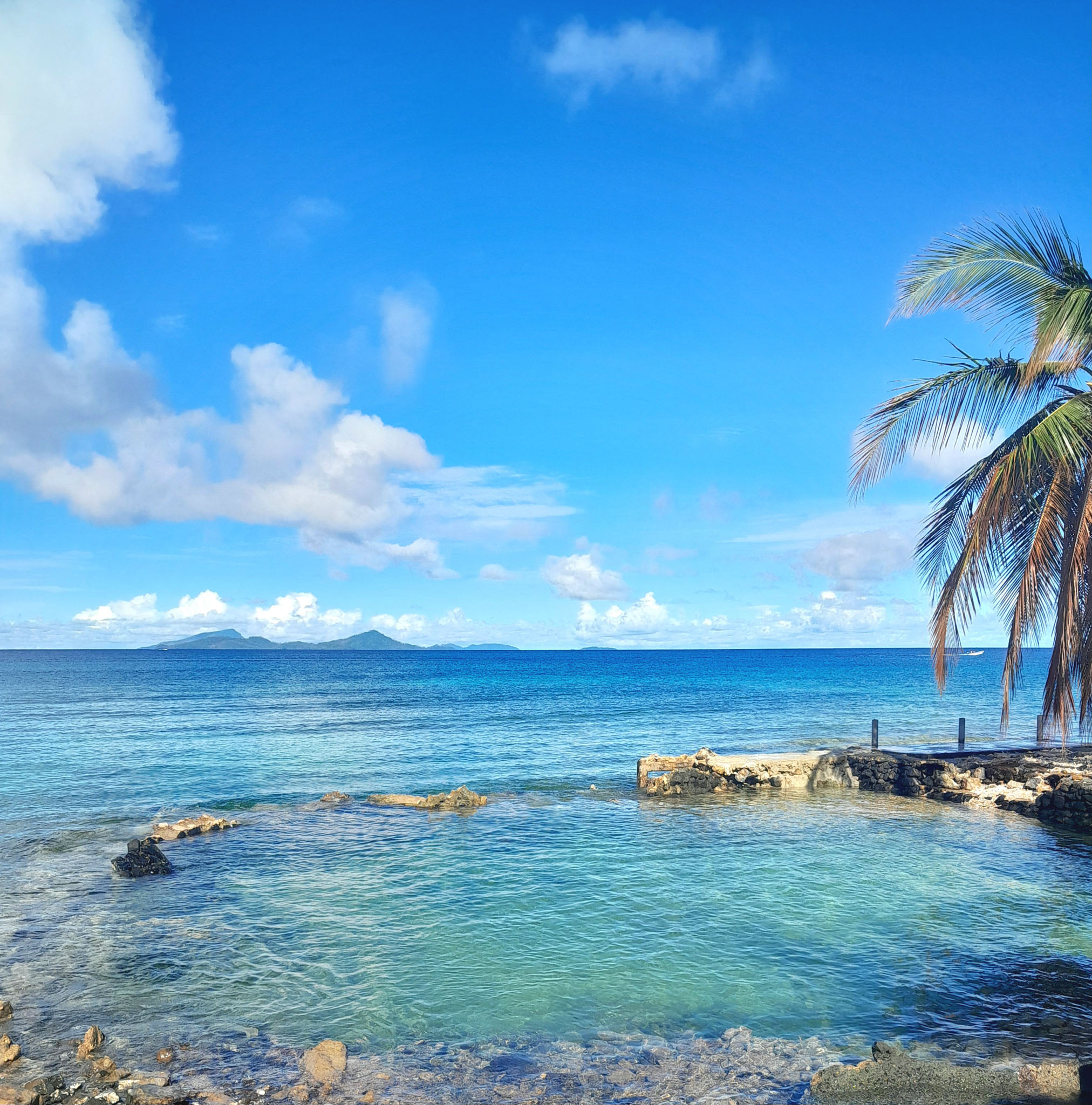
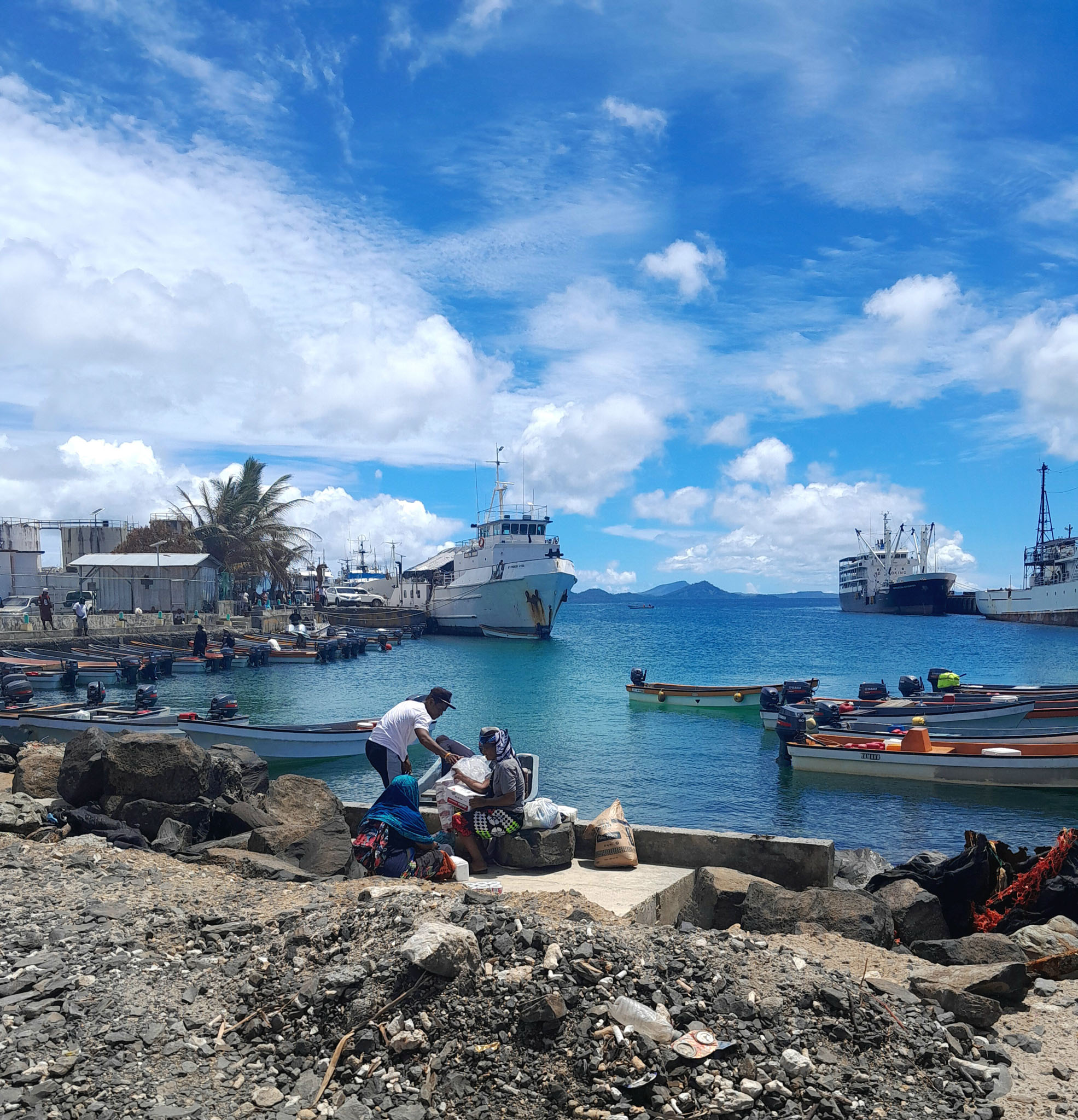
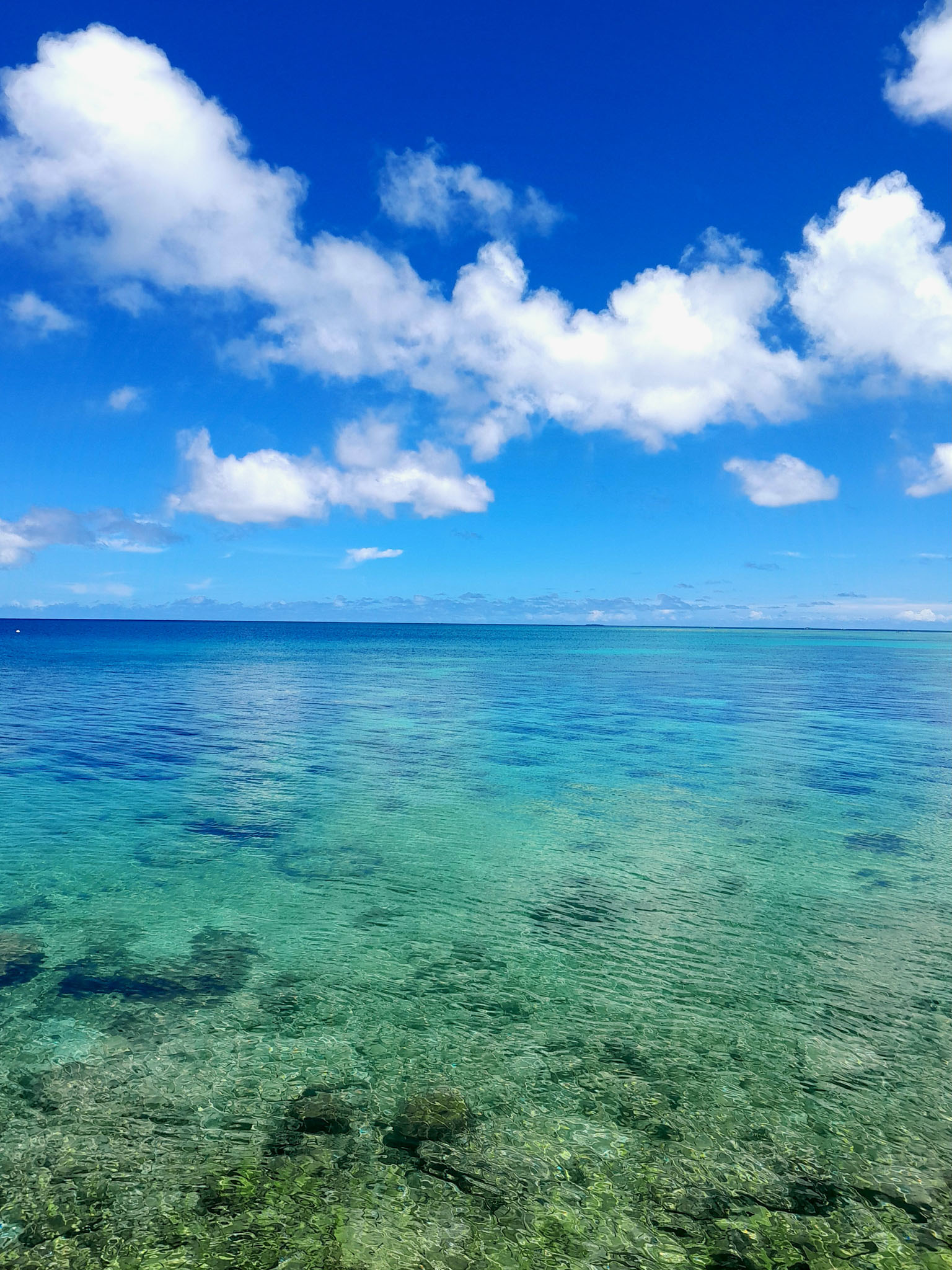
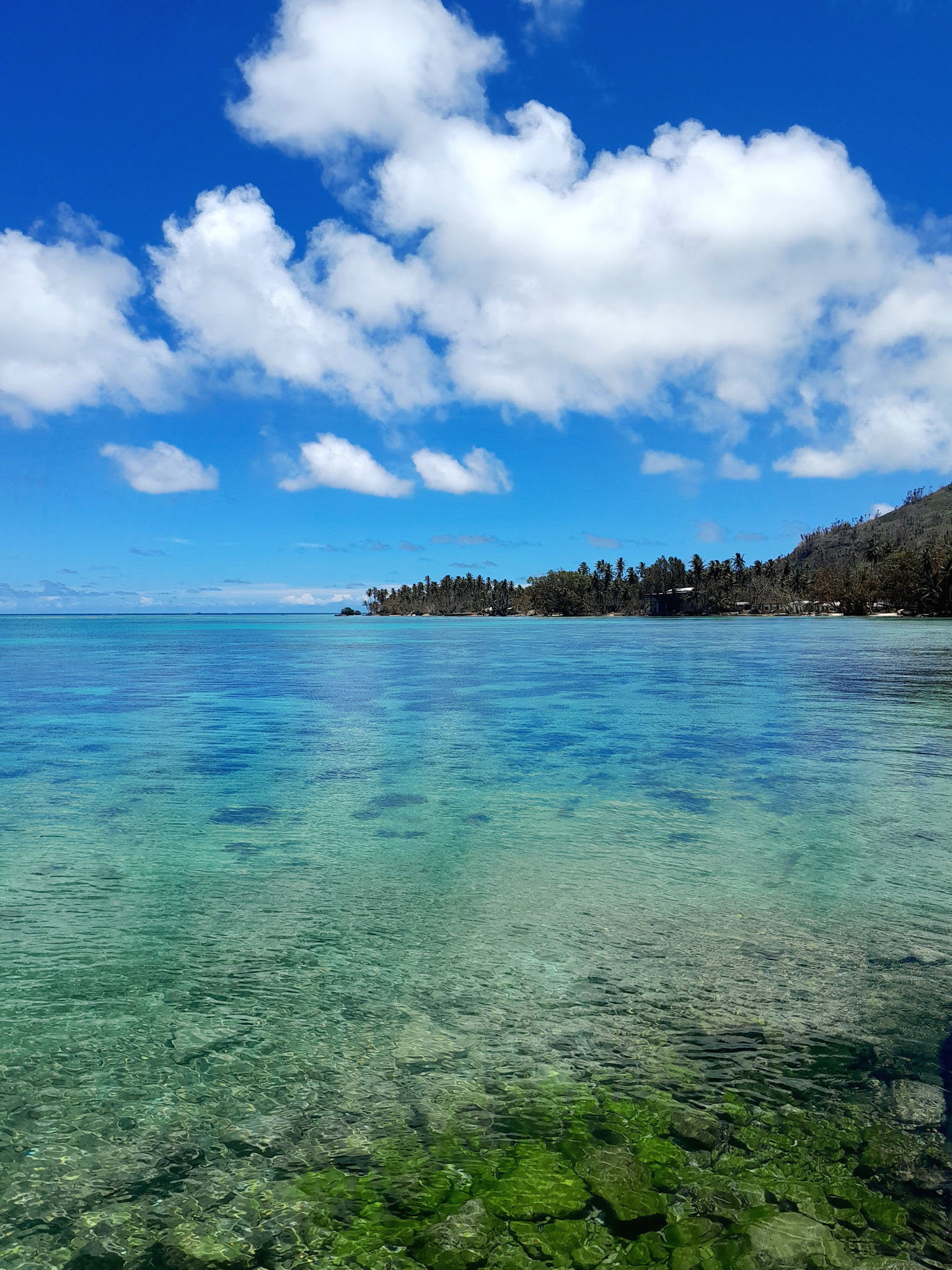
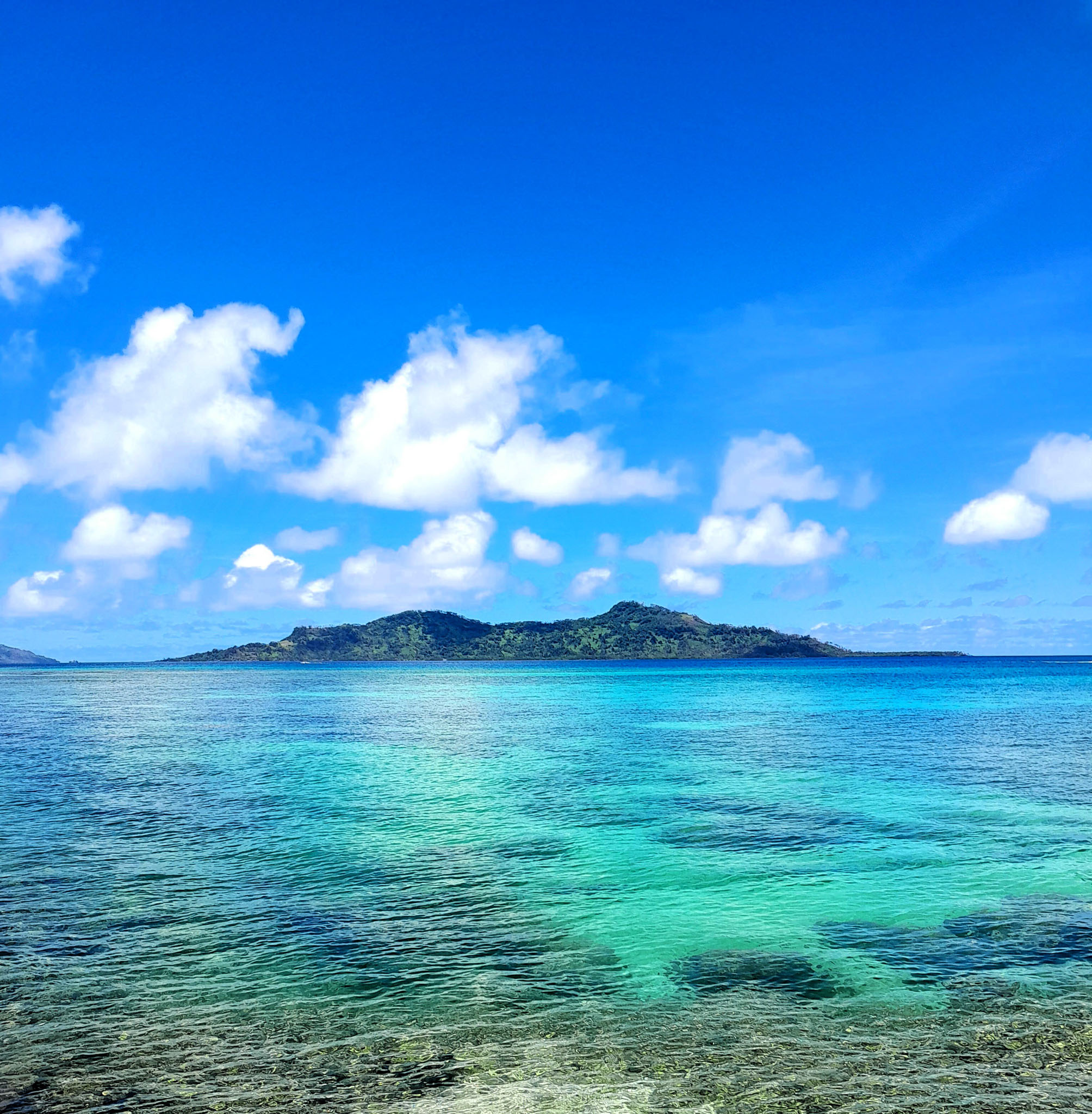
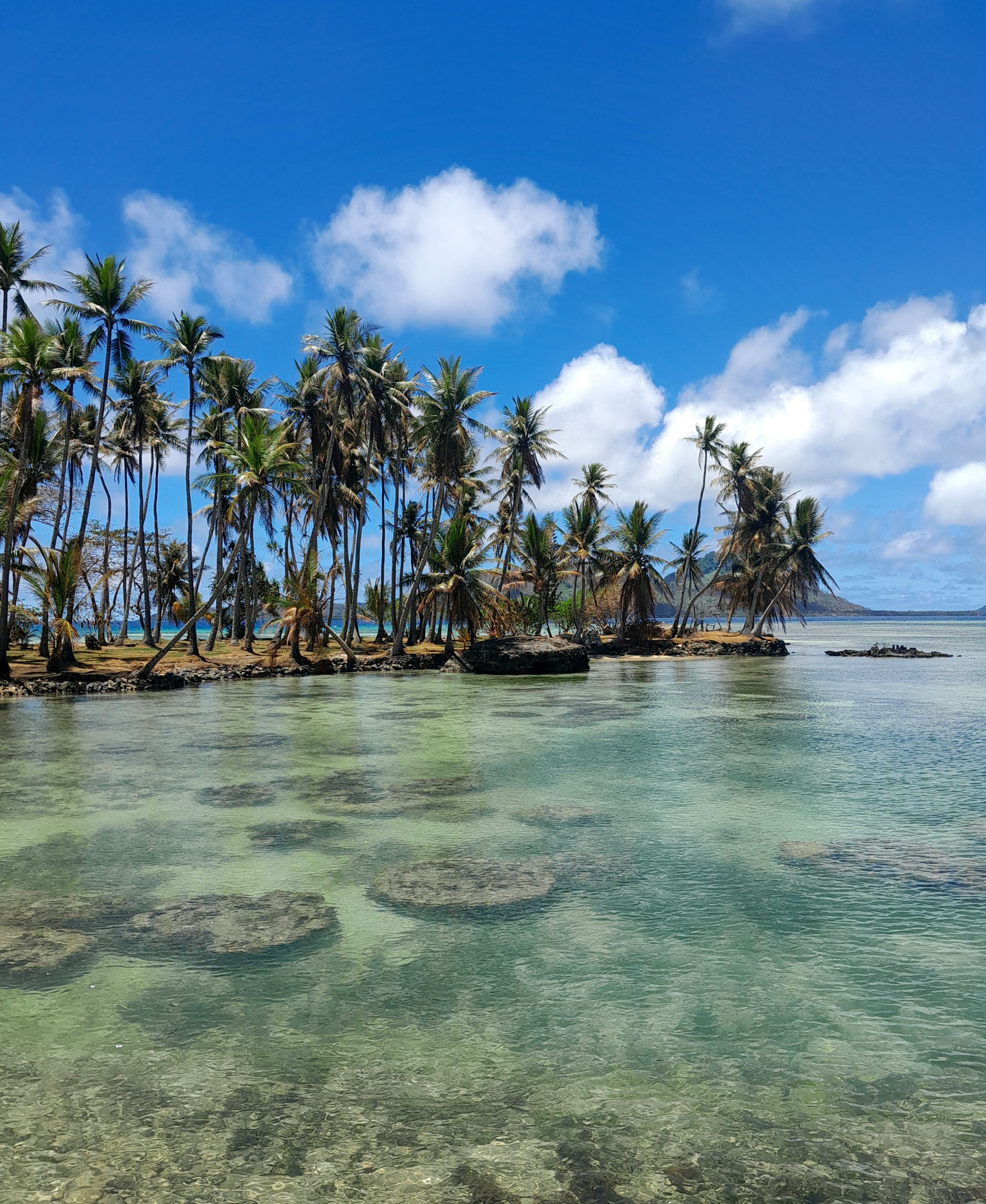
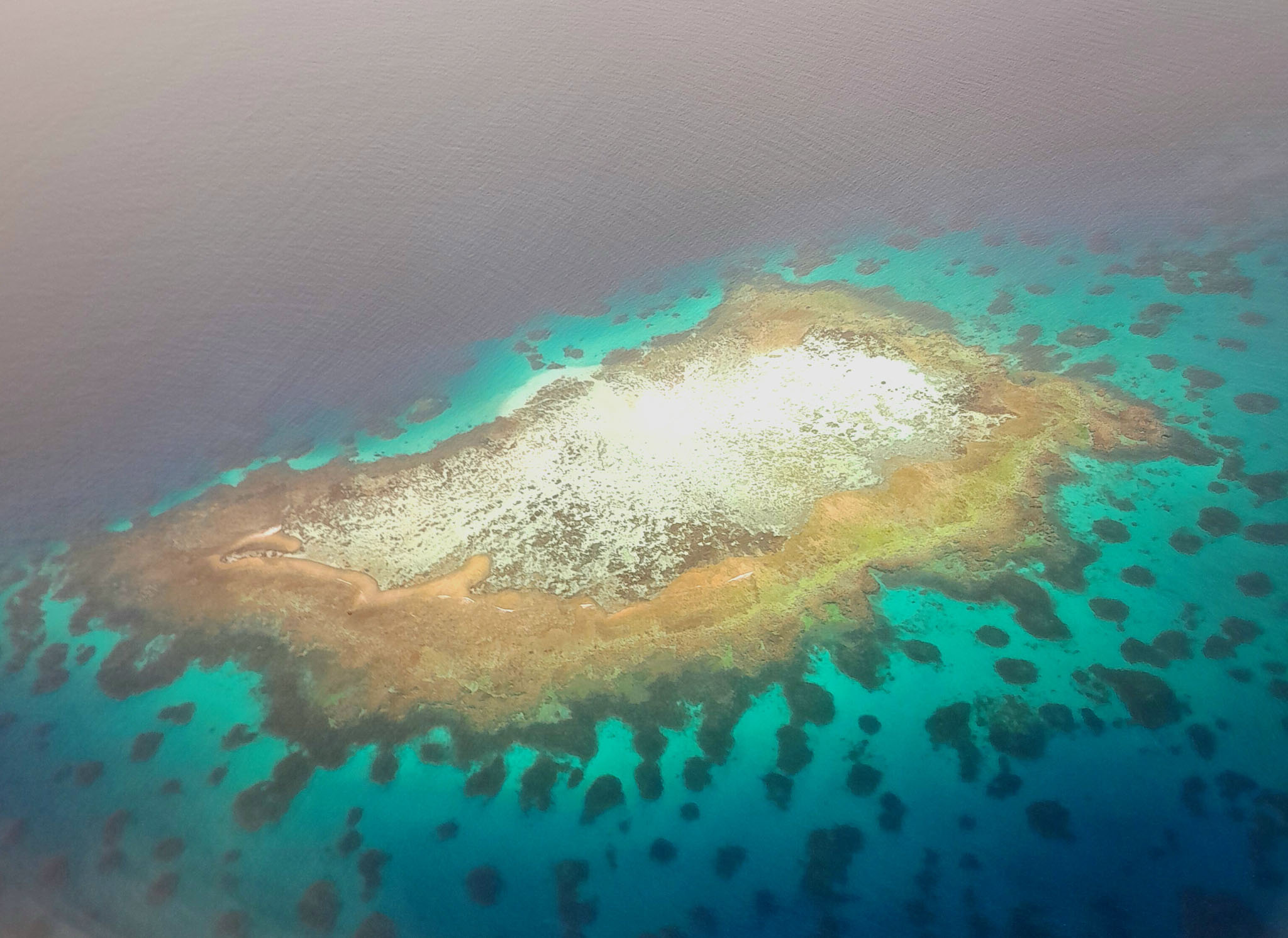
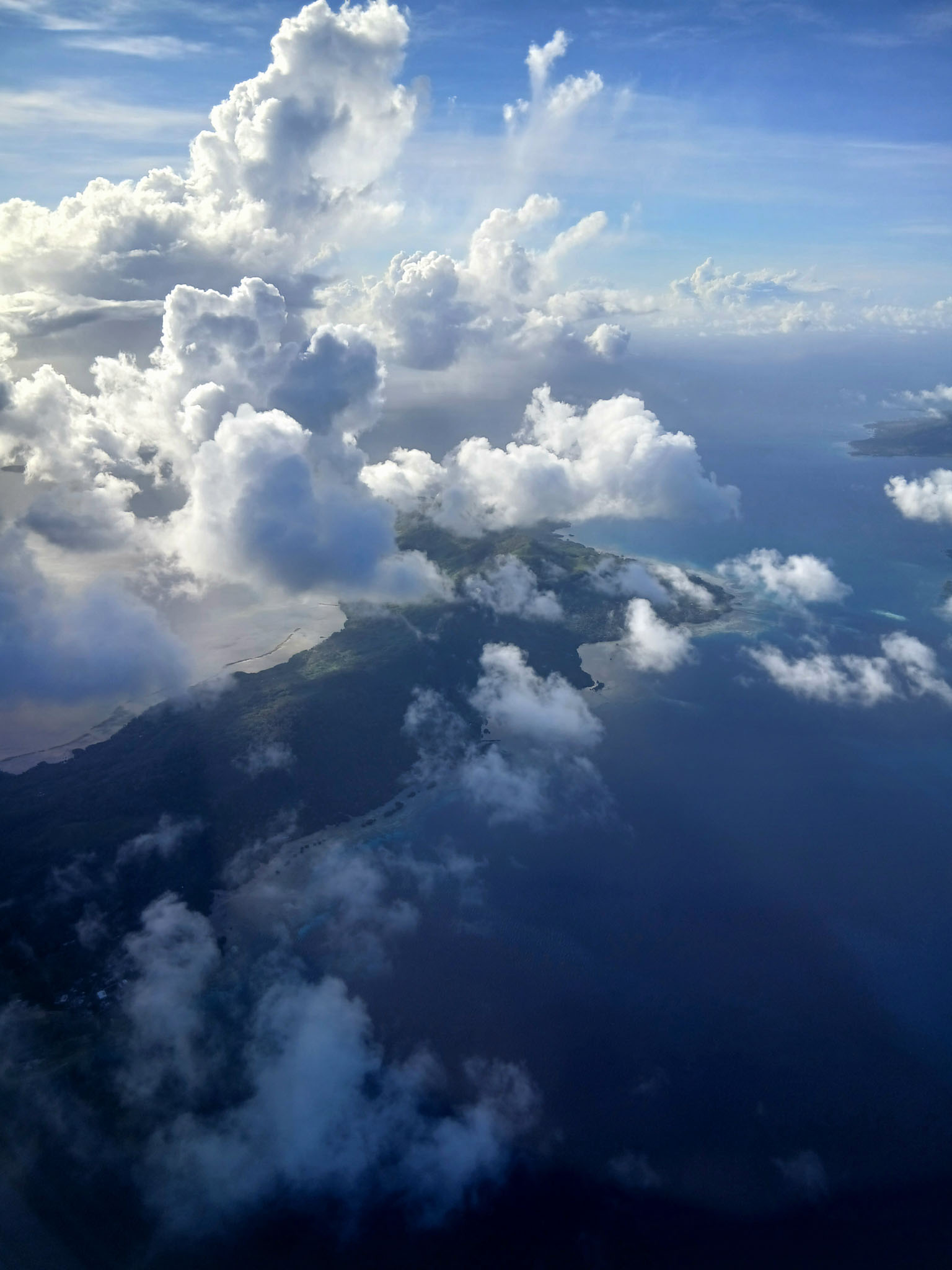
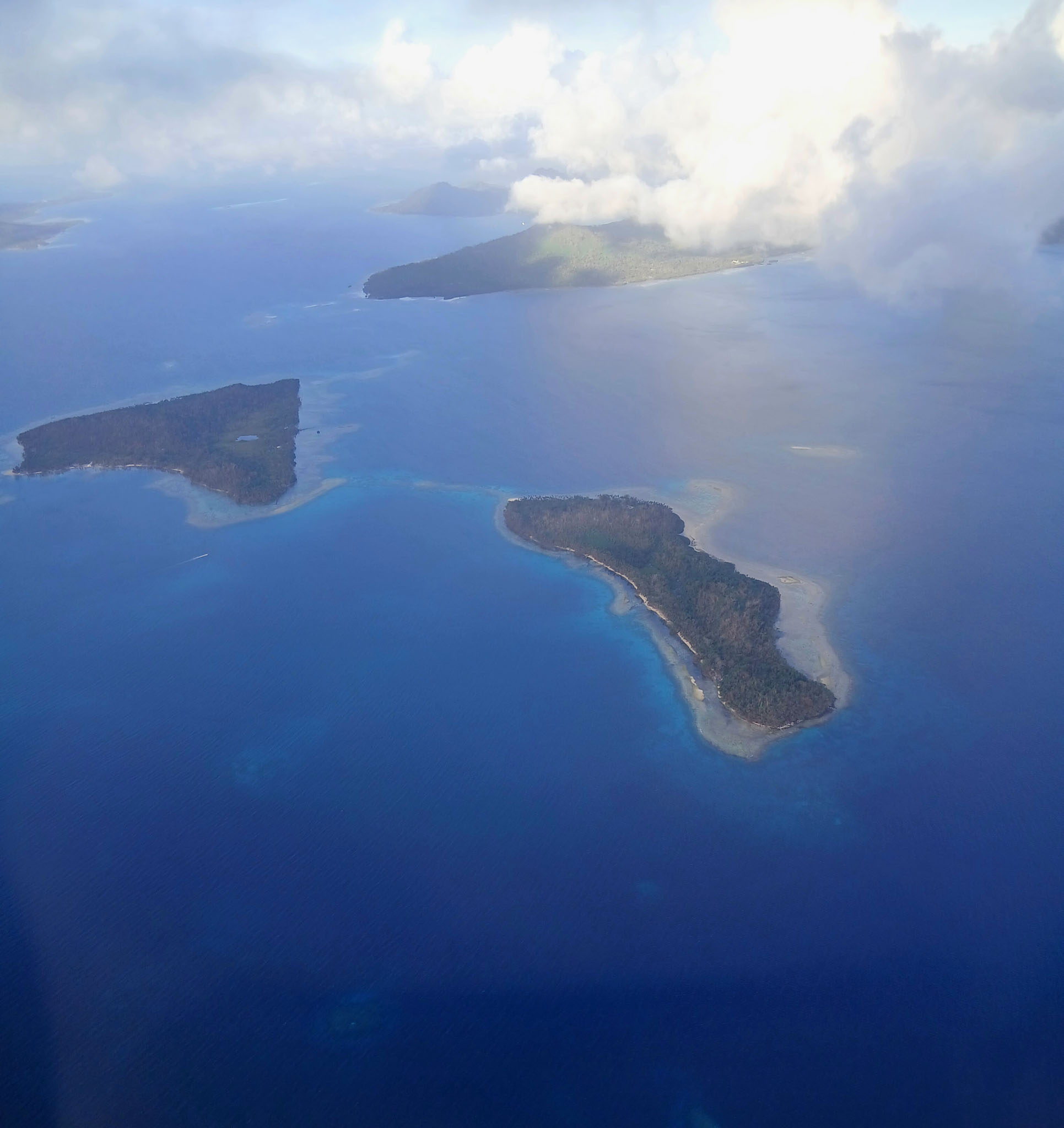
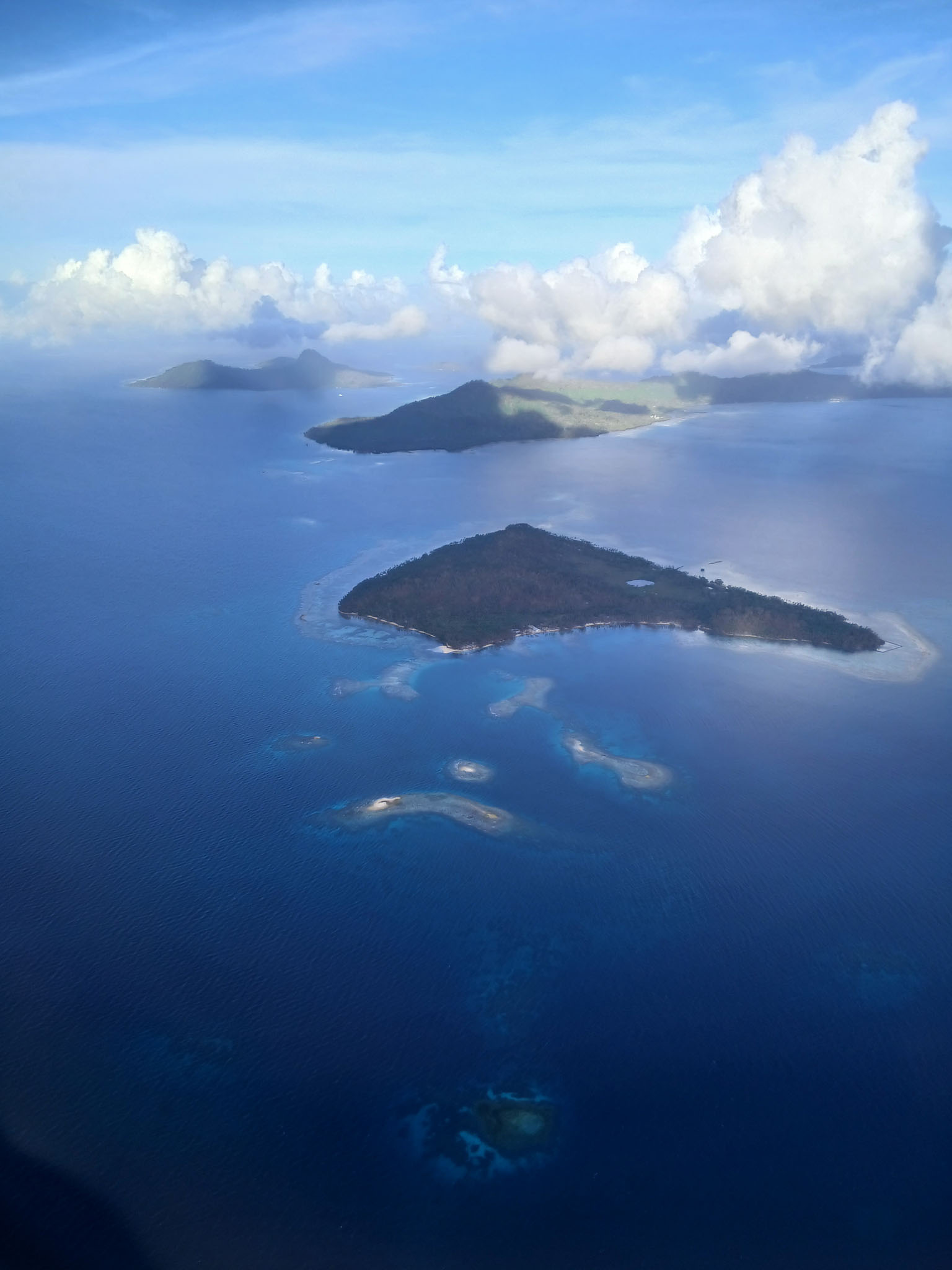
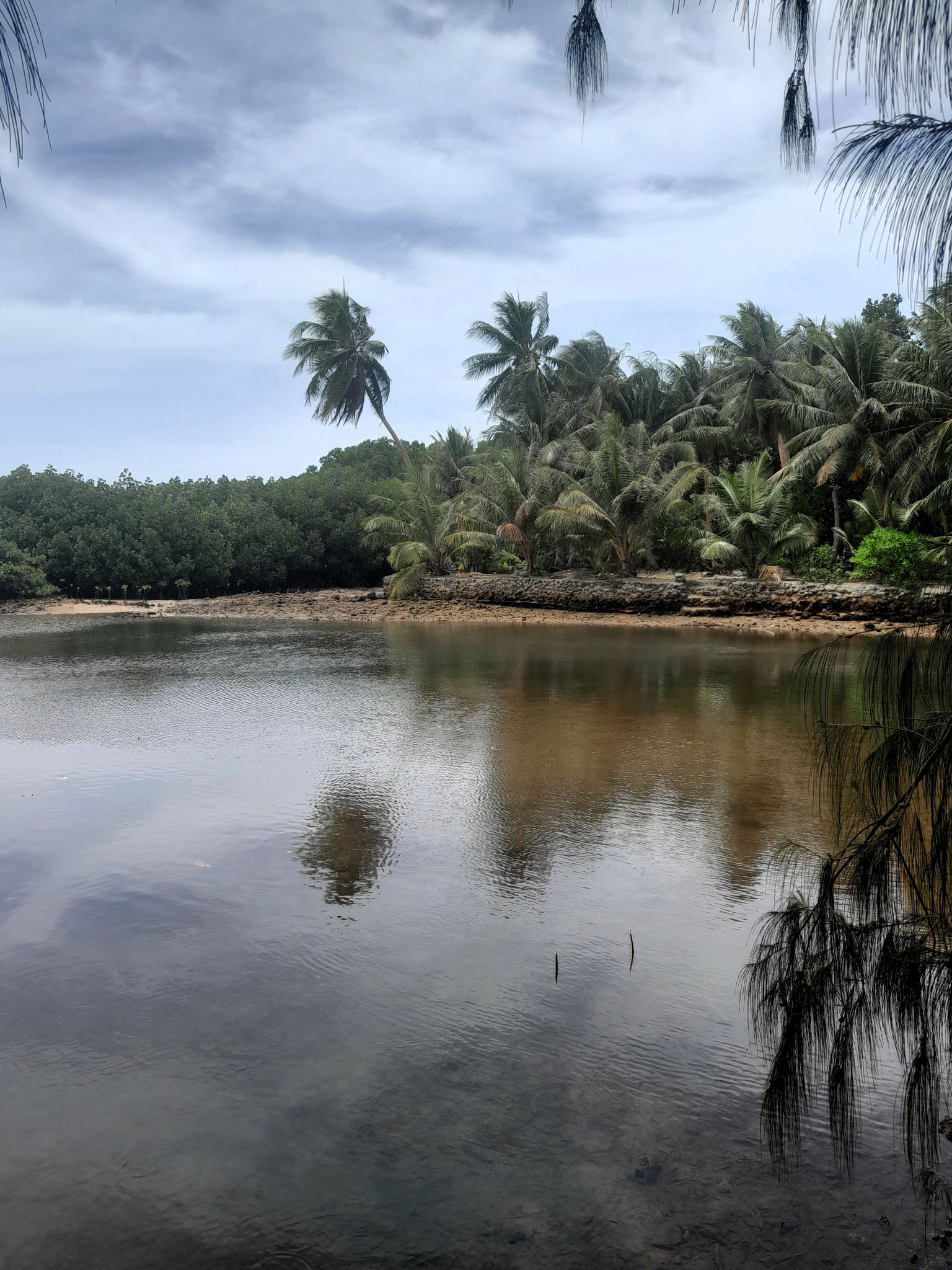
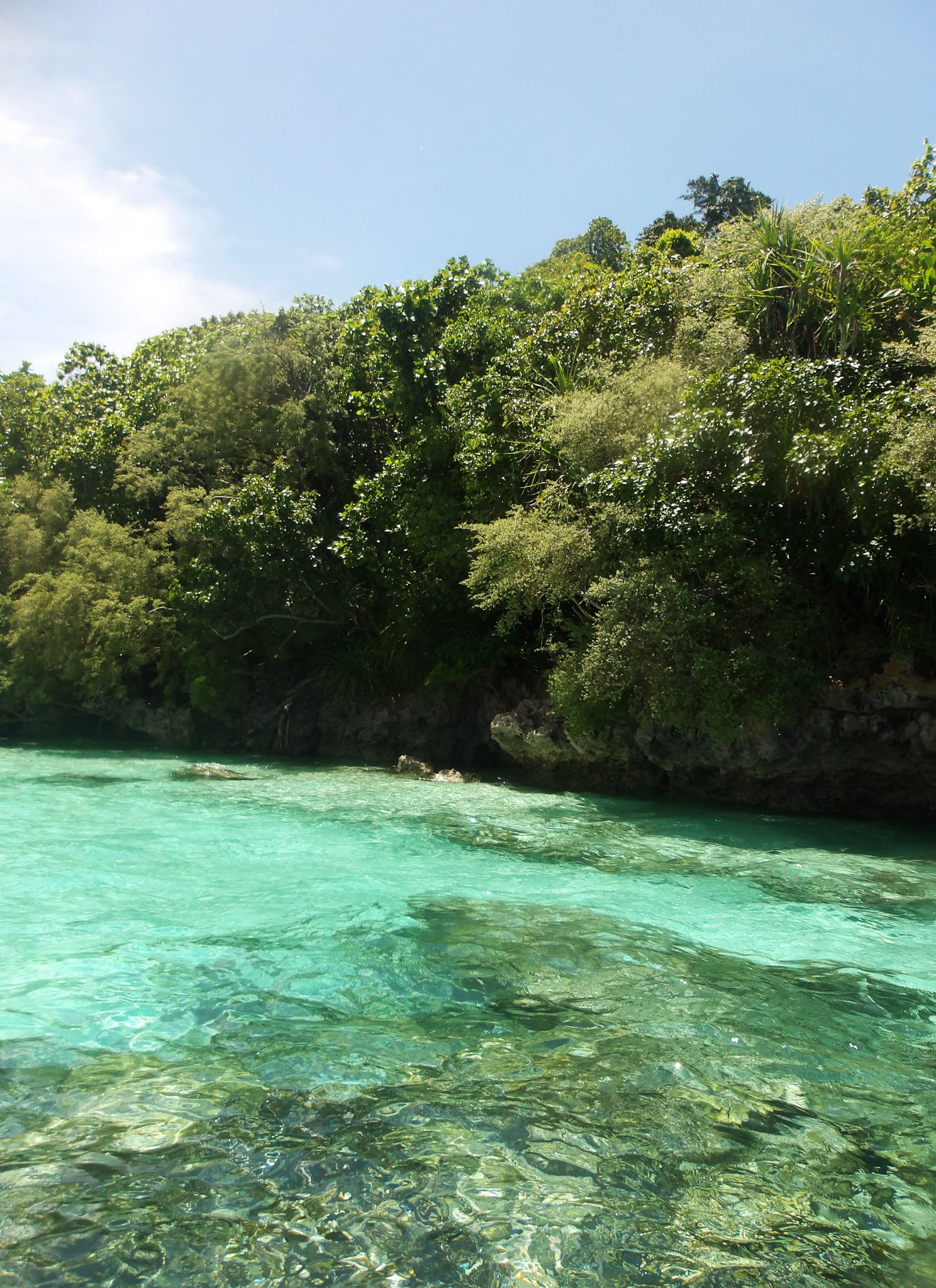
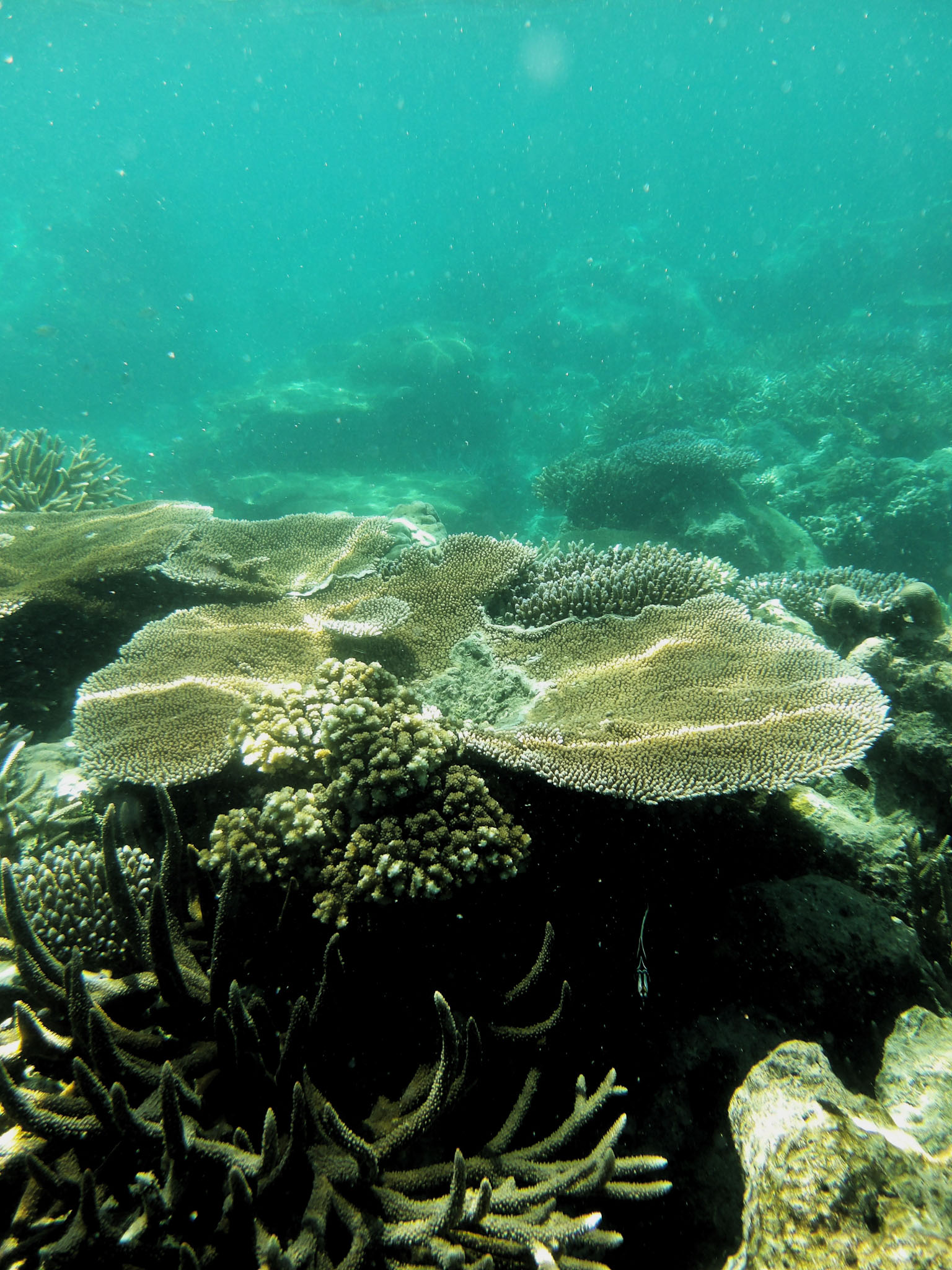
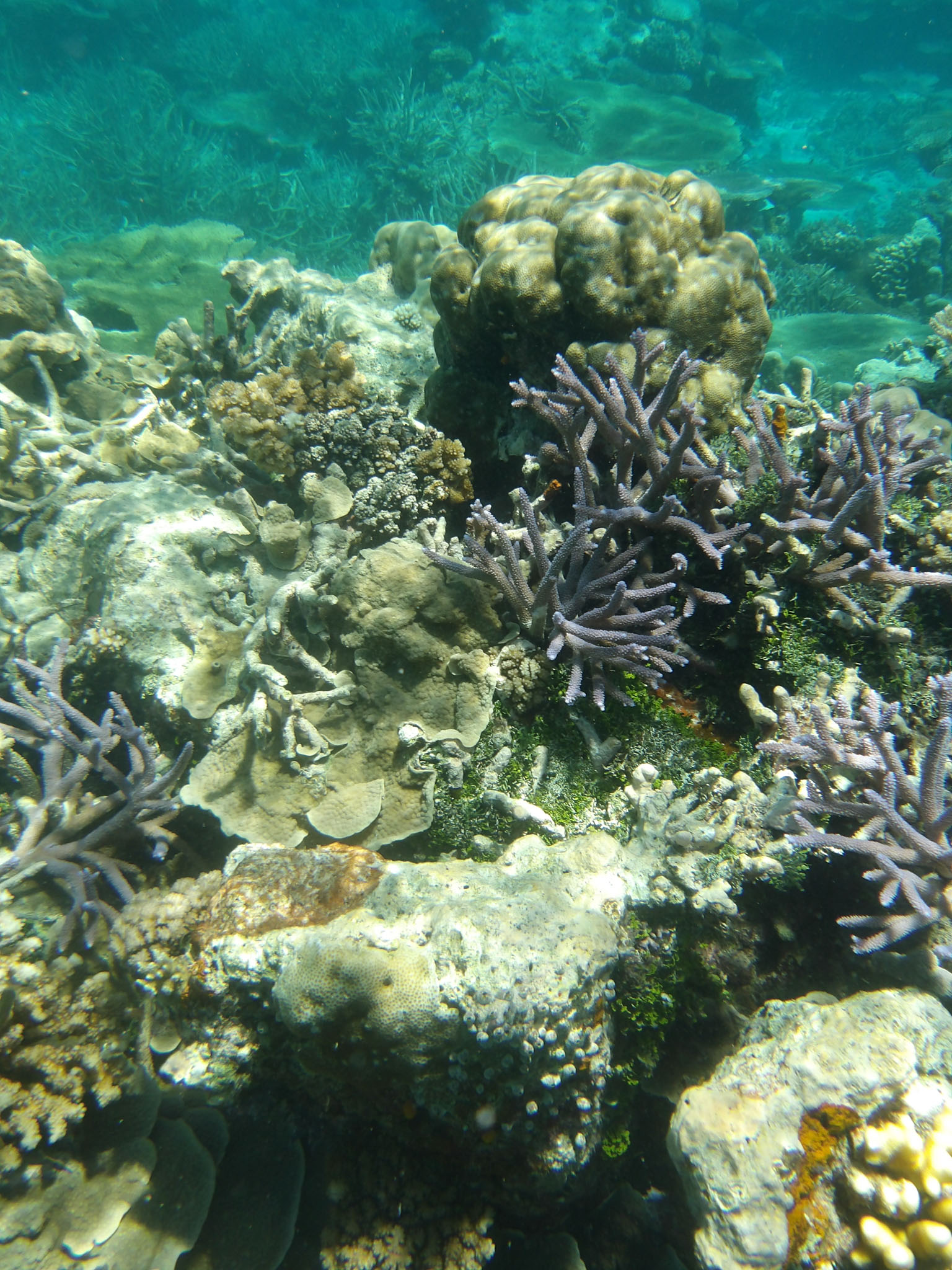
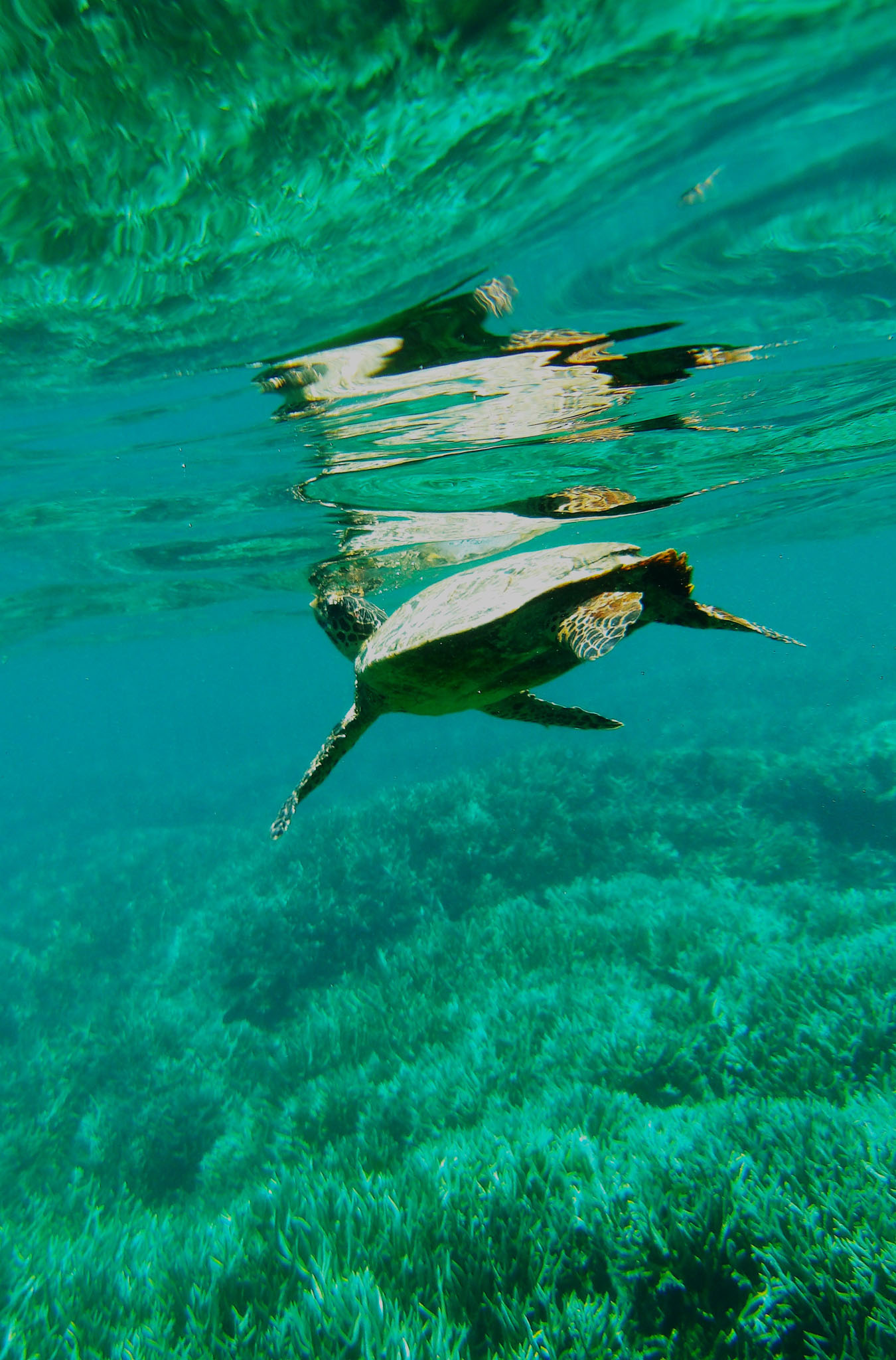
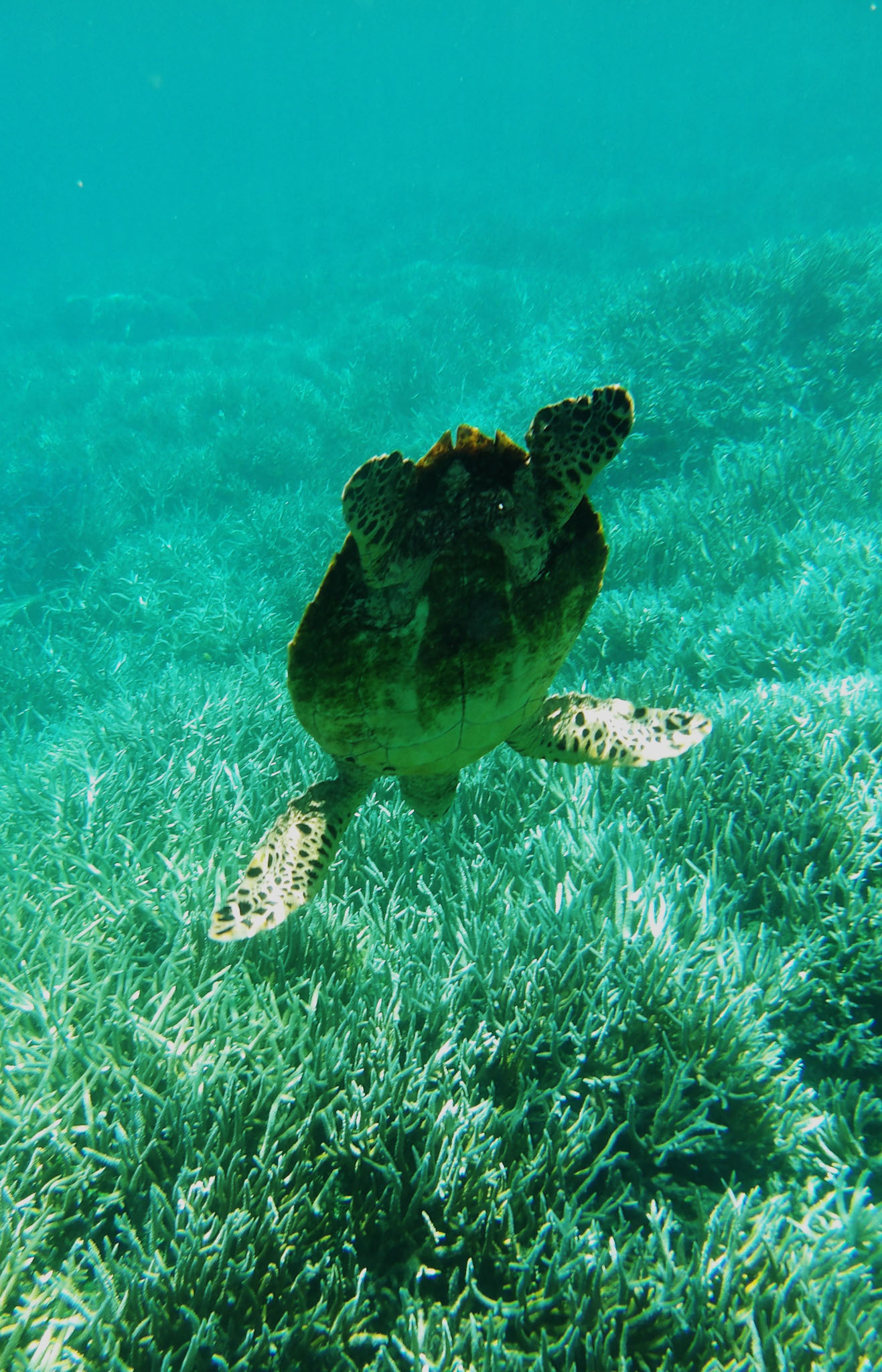
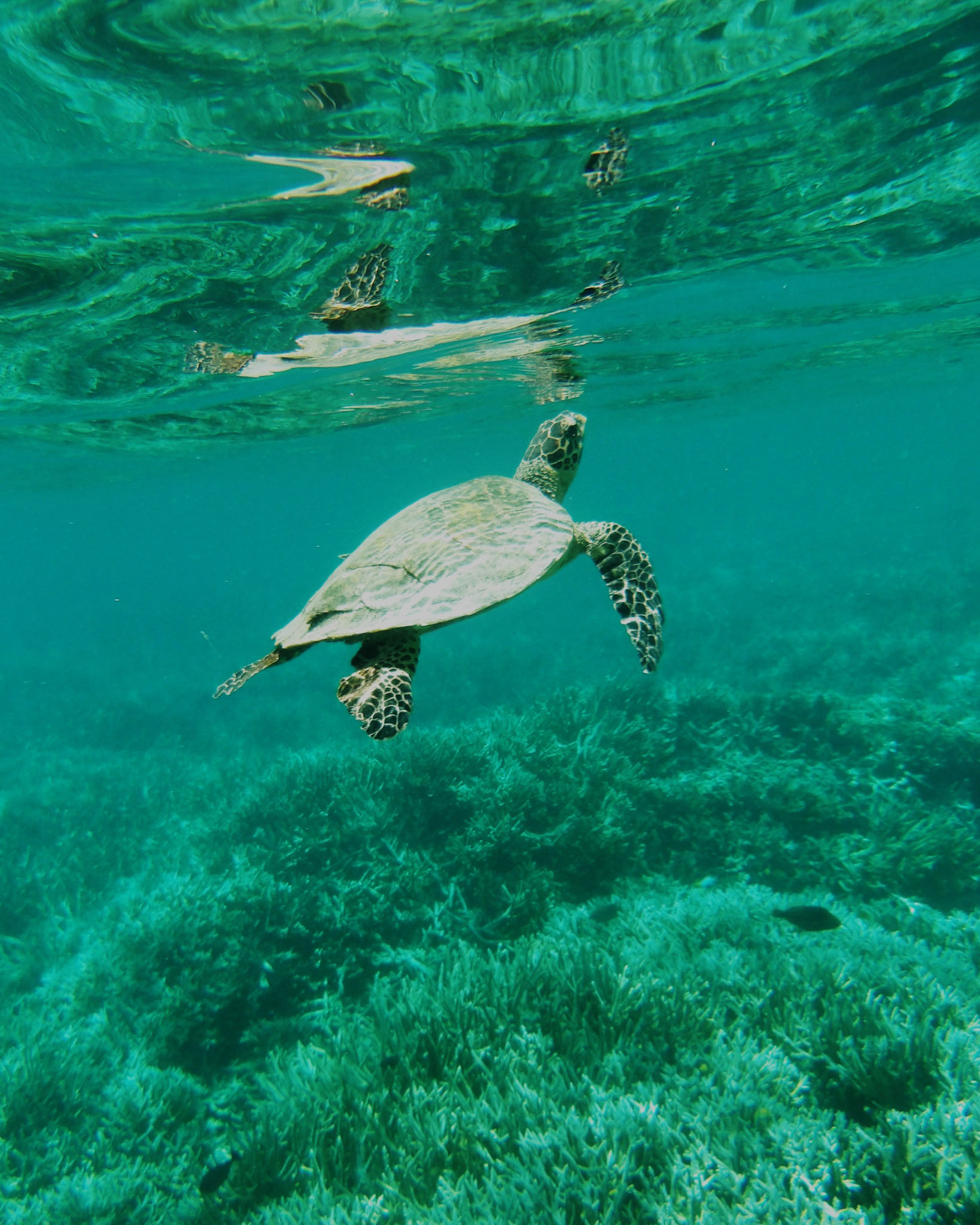
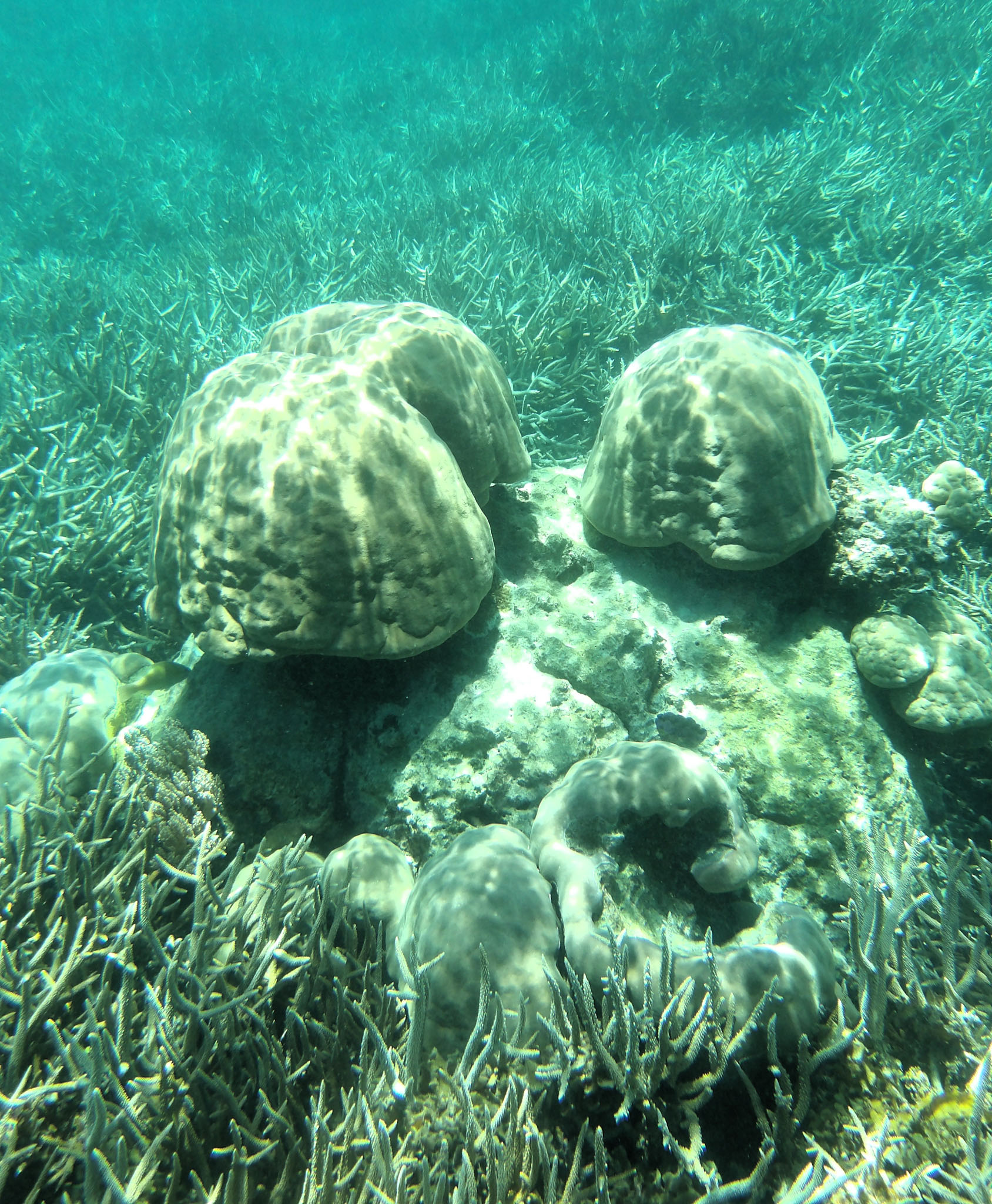
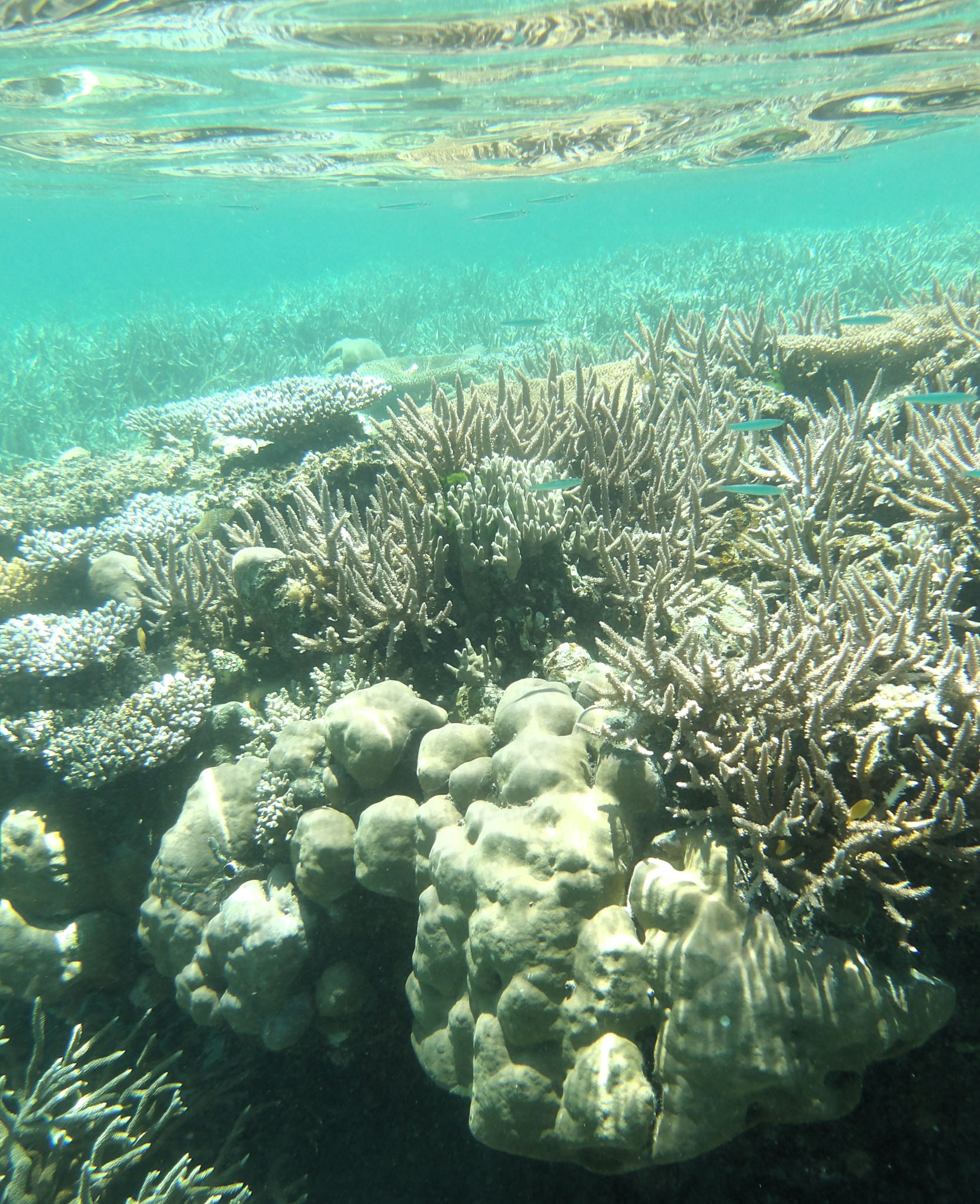
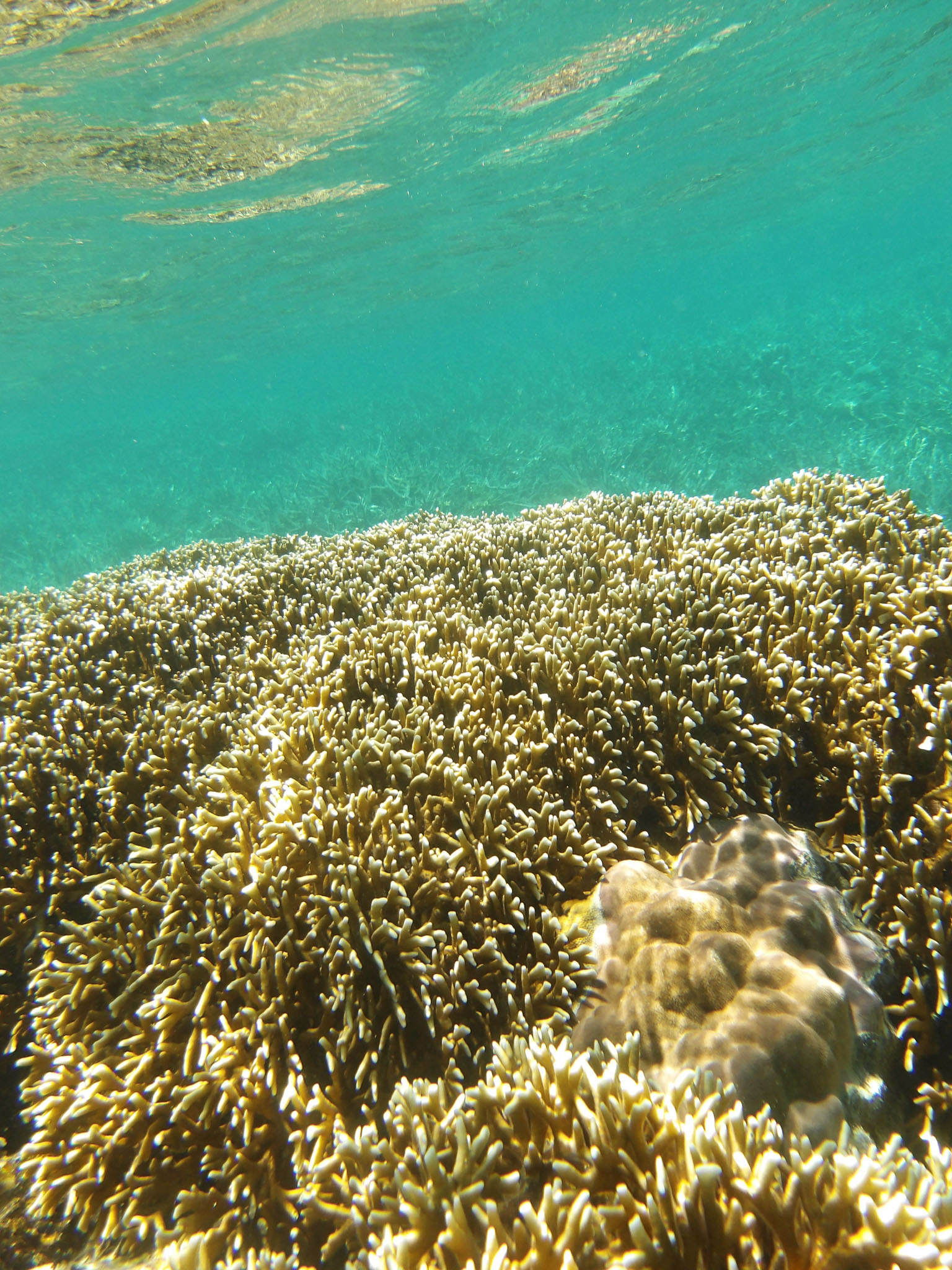
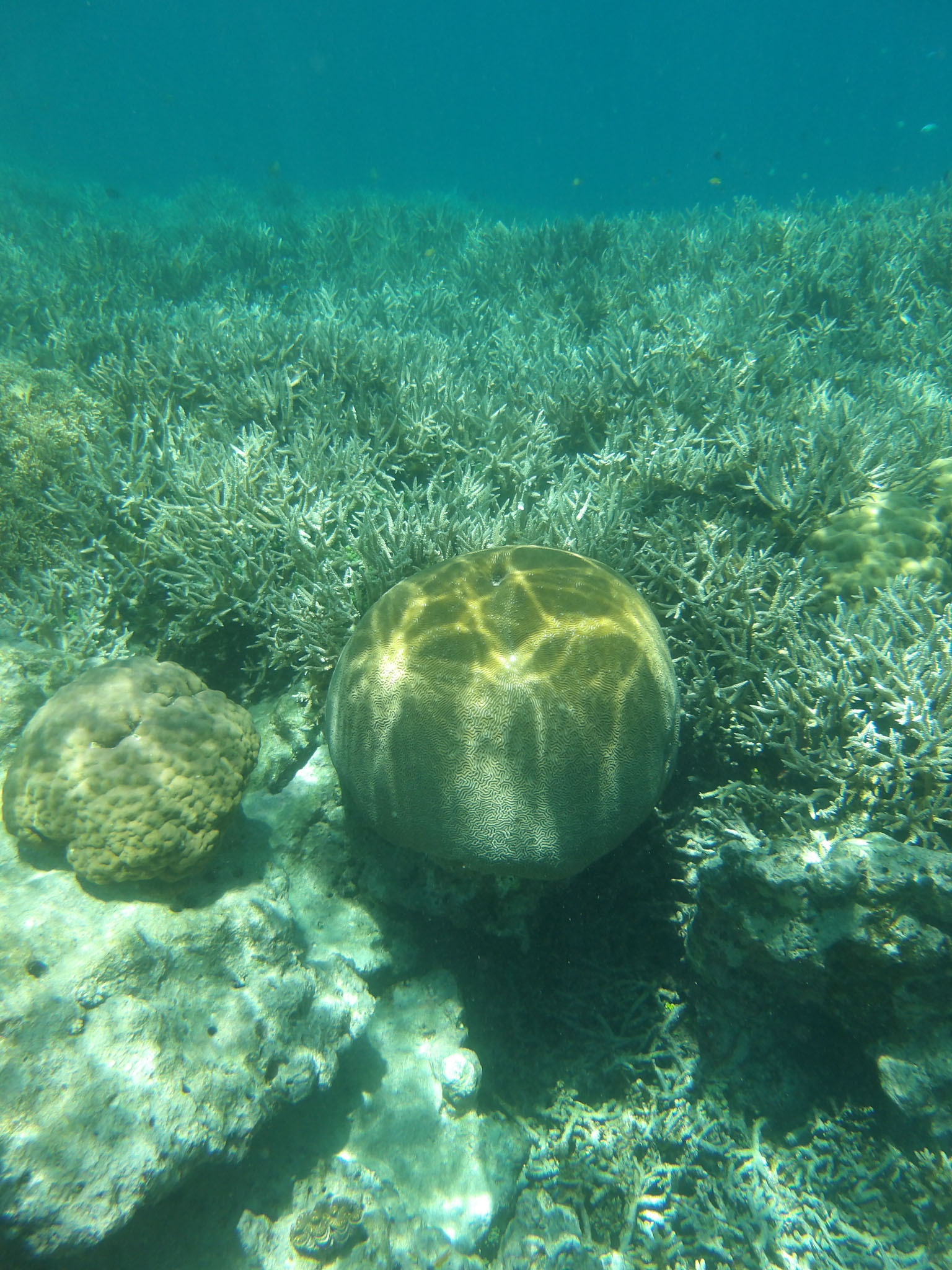
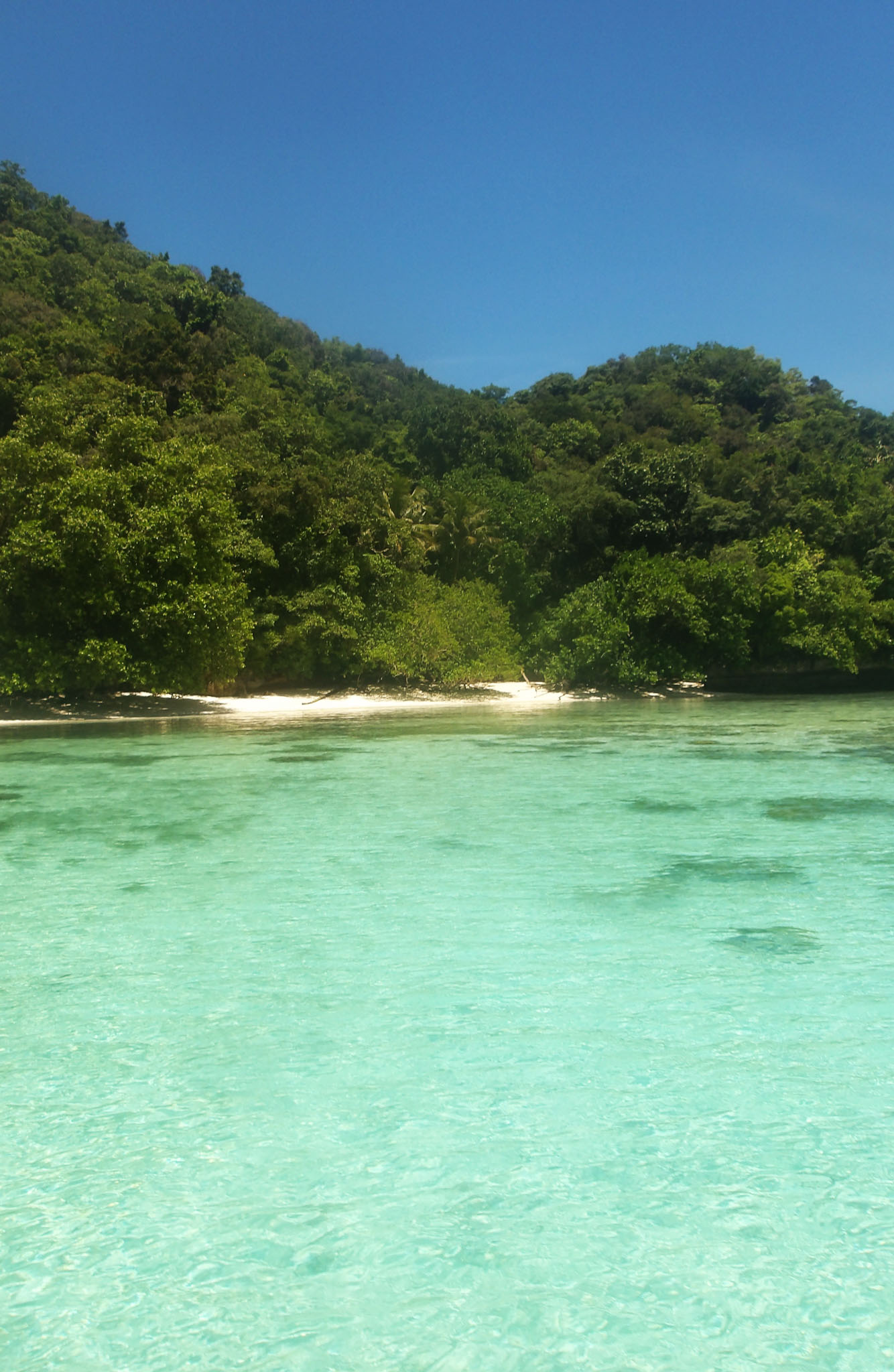
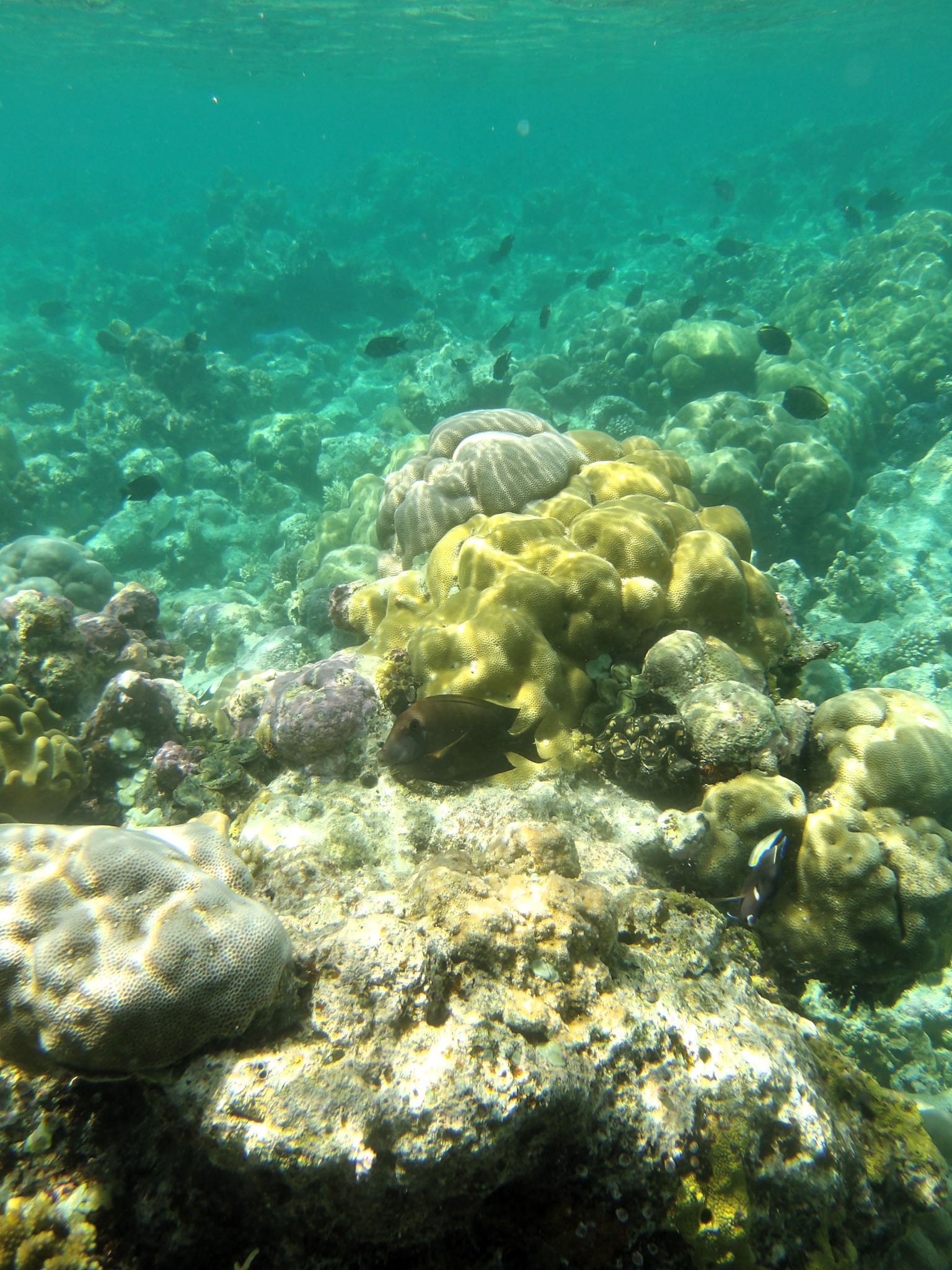
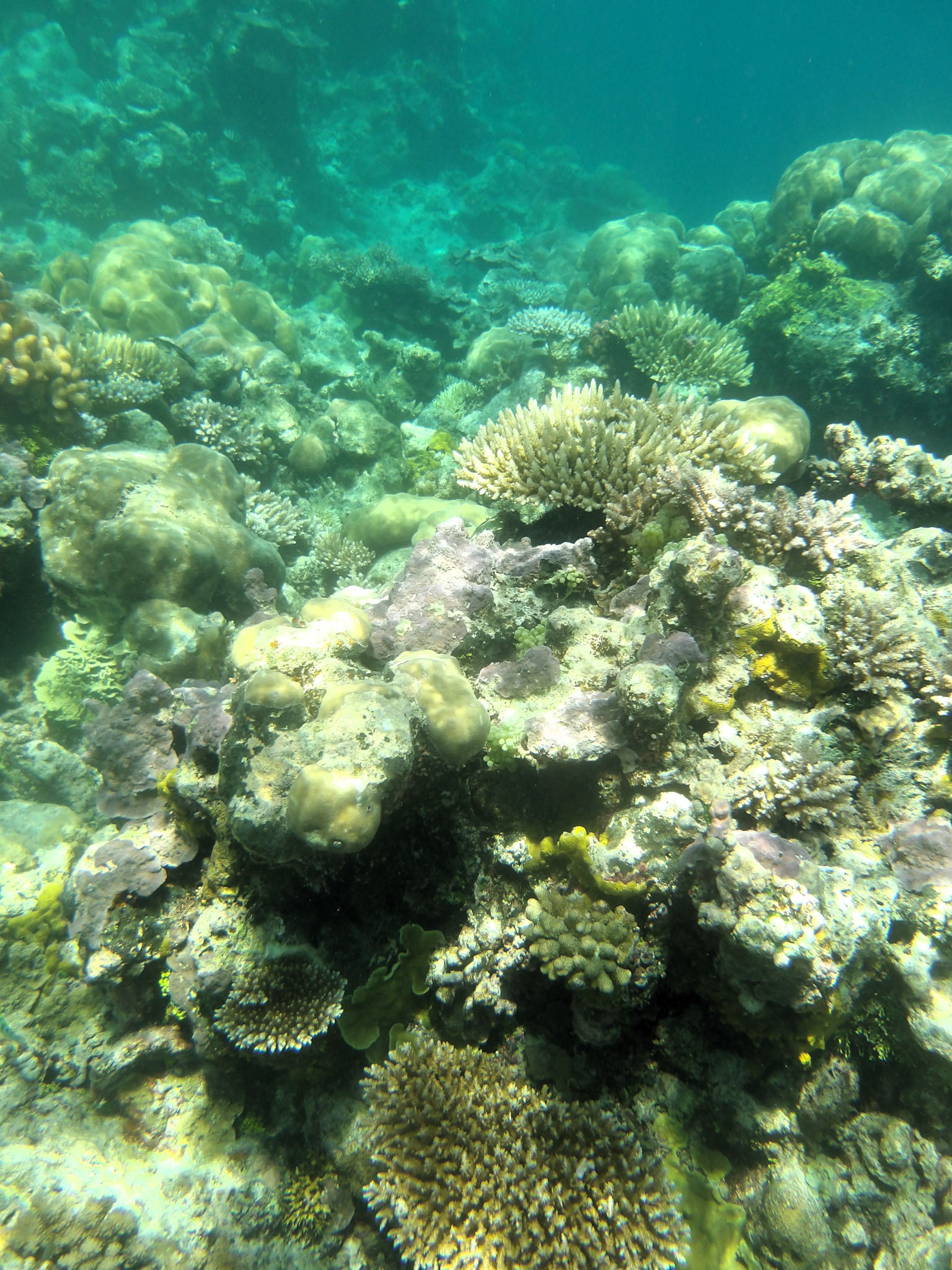
Lissenug Island is an island of Papua New Guinea, located south of New Hanover Island and west of the northern part of New Ireland. It is located on the south of Globig Island. It is a small, sandy island surrounded by a coral reef.

Categories
Papua New Guinea

New Britain

New Britain is the largest island in the Bismarck Archipelago, part of the Islands Region of Papua New Guinea. It is separated from New Guinea by a northwest corner of the Solomon Sea (or with an island hop of Umboi the Dampier and Vitiaz Straits) and from New Ireland by St. George’s Channel. The main towns of New Britain are Rabaul/Kokopo and Kimbe. The island is roughly the size of Taiwan.

When the island was part of German New Guinea, its name was Neupommern (“New Pomerania”). In common with most of the Bismarcks it was largely formed by volcanic processes, and has active volcanoes including Ulawun (highest volcano nationally), Langila, the Garbuna Group, the Sulu Range, and the volcanoes Tavurvur and Vulcan of the Rabaul caldera. A major eruption of Tavurvur in 1994 destroyed the East New Britain provincial capital of Rabaul. Most of the town still lies under metres of ash, and the capital has been moved to nearby Kokopo.

Source: Wikipedia (under GNU Free Documentation License)
Categories
Papua New Guinea

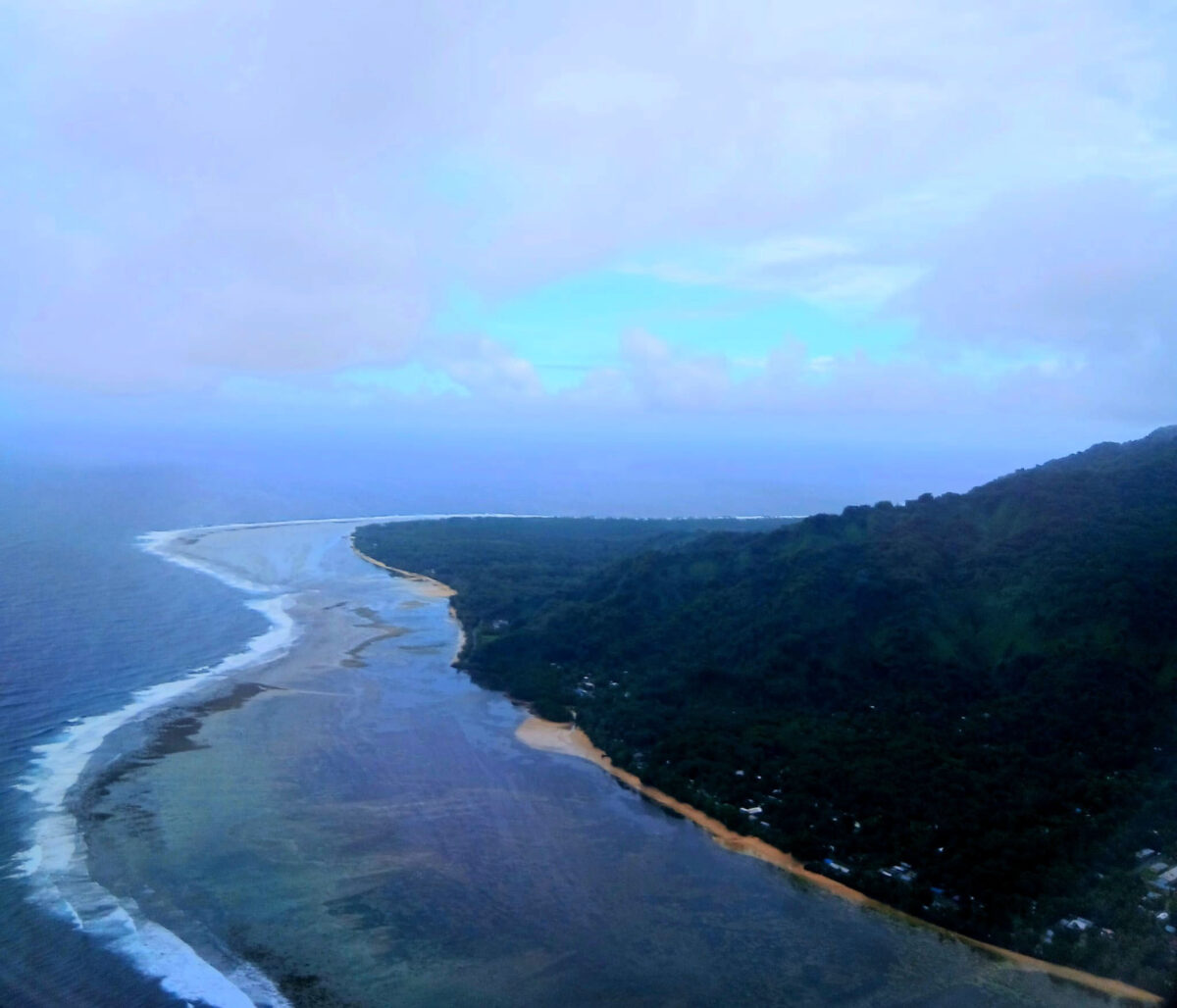
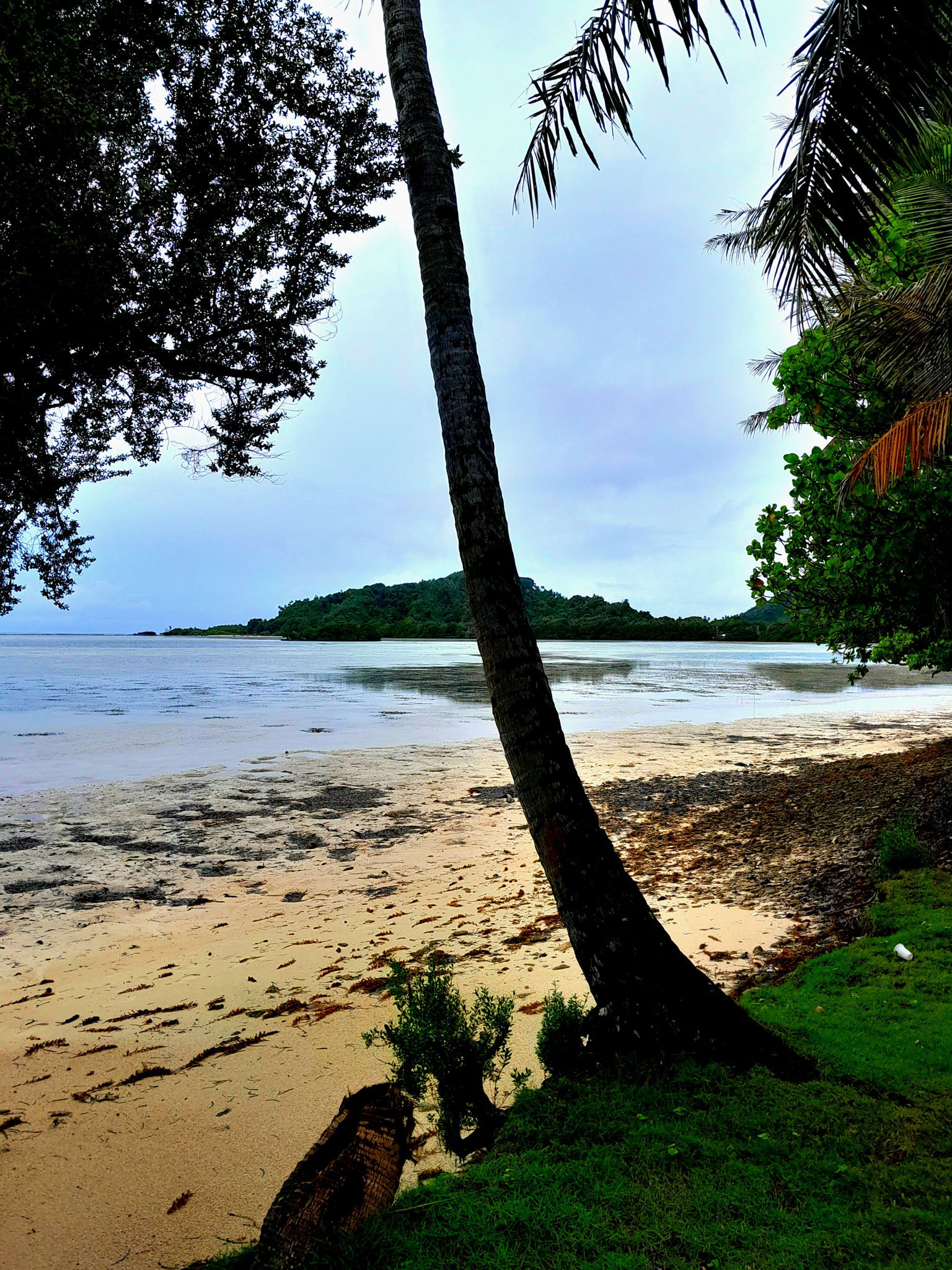
Gingala Village

Gingala Village is located in Dreger Harbour, a harbour south of Finschhafen, Papua New Guinea.

During World War II, Dreger Harbour was used by Allied forces after the capture of Finschhafen in October 1943. The US Navy PT Boat Advance Base Six opened in June 1944. The Seabees built a camp for 800 troops, depot, water storage, wharf, pontoon dry docks for repair work, and an engine overhaul depot. The US Navy base was called Naval Base Finschhafen built in 1943.

Source: Wikipedia (under GNU Free Documentation License)
Categories
Papua New Guinea

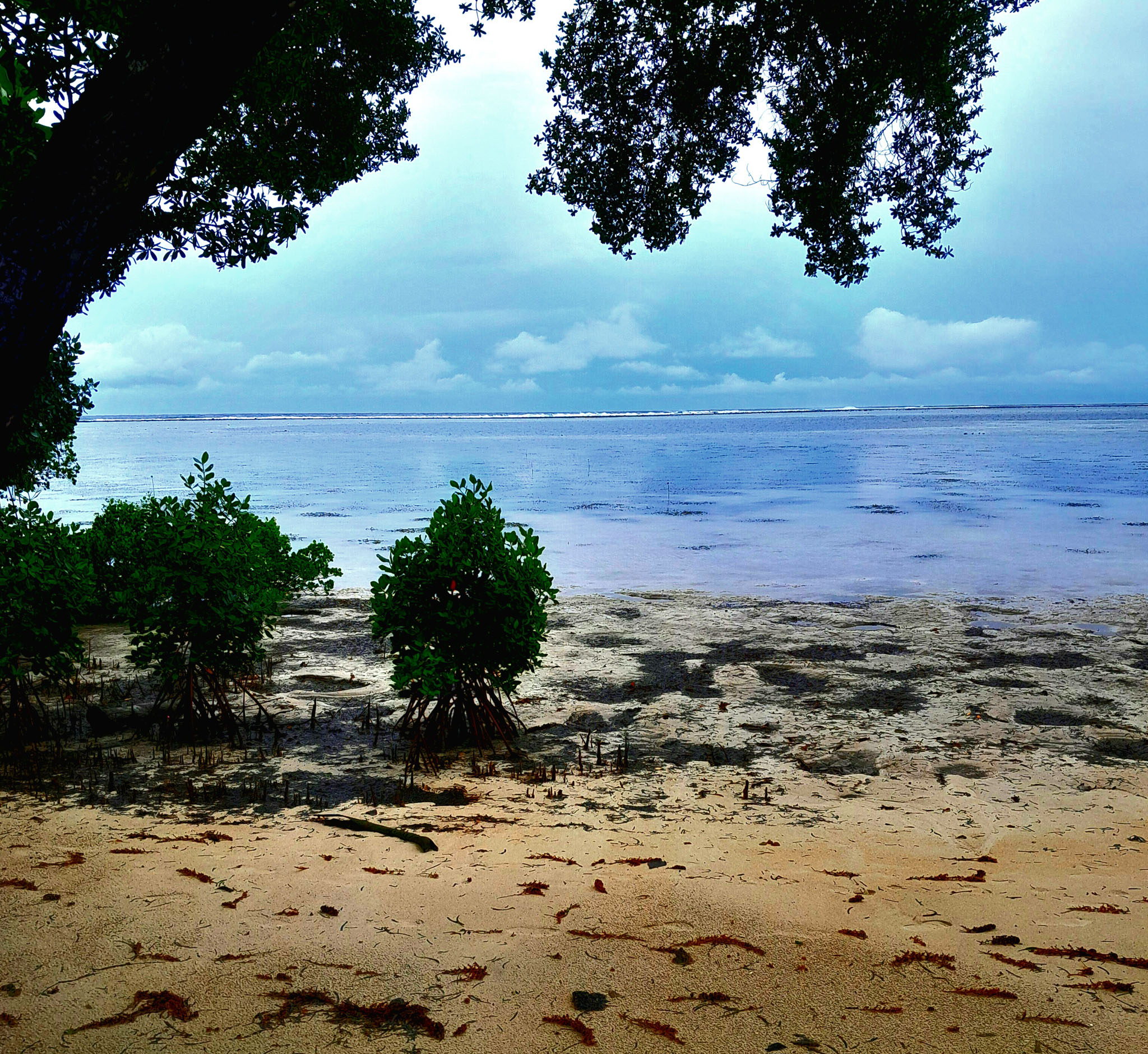
Mou Village

Mou Village is located in Morobe Bay, a bay within Huon Gulf, on the coast of Morobe Province, Papua New Guinea.

The American and Australian armed forces used Morobe Bay, also known as “Morobe Harbour”, as a safe anchorage and staging point as part of the New Guinea campaign during World War II.

Source: Wikipedia (under GNU Free Documentation License)
Categories
Papua New Guinea

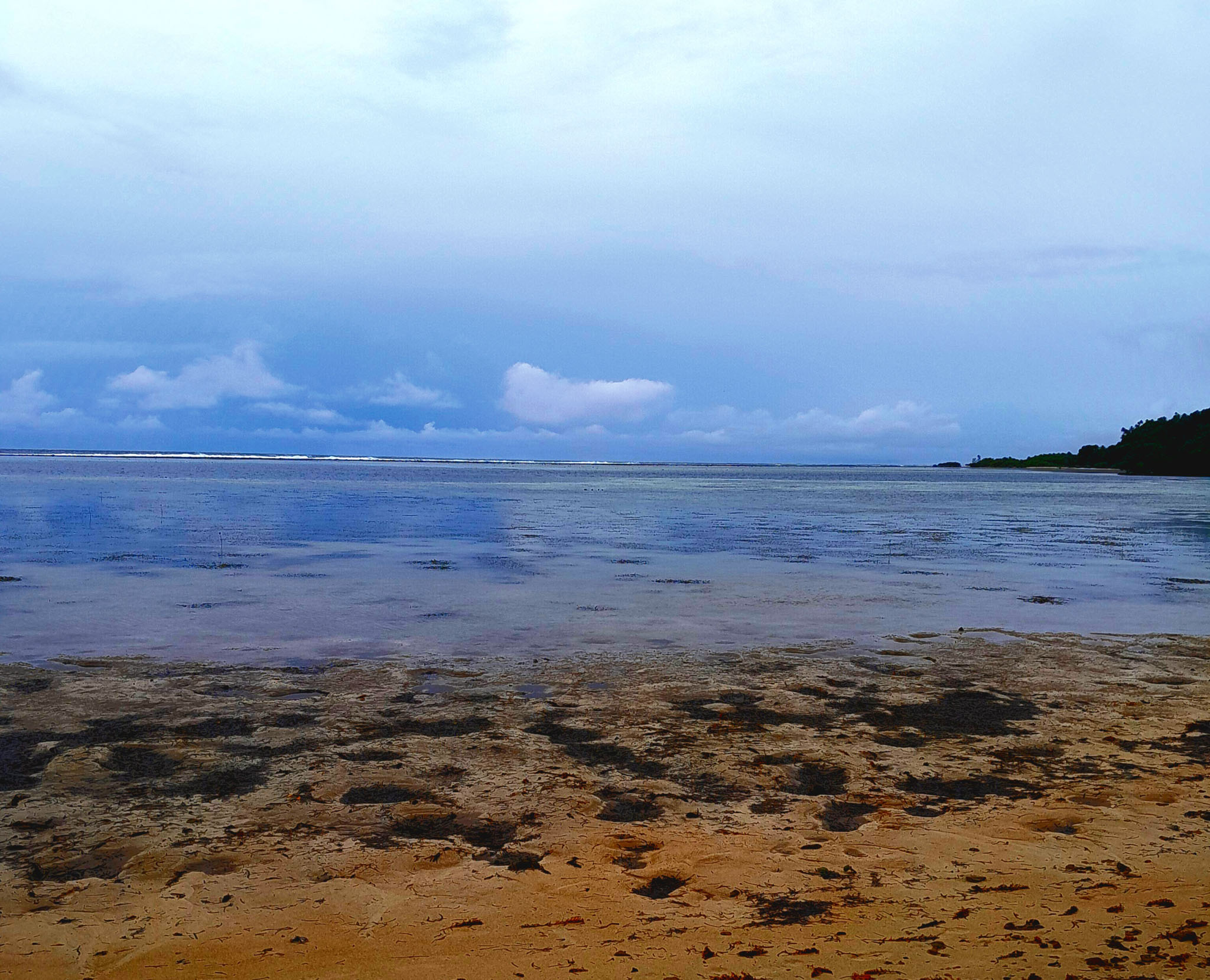
Buna Village

Buna is a village in Oro Province, Papua New Guinea. It was the site in part, of the Battle of Buna–Gona during World War II, when it constituted a variety of native huts and a handful of houses with an airstrip. Buna was the trailhead to the Kokoda Track leading to Kokoda.

Source: Wikipedia (under GNU Free Documentation License)
Categories
Papua New Guinea

Trobriand Islands

The Trobriand Islands are a 450-square-kilometre (174-square-mile) archipelago of coral atolls off the east coast of New Guinea. They are part of the nation of Papua New Guinea and are in Milne Bay Province. Most of the population of 60,000 (2016) indigenous inhabitants live on the main island of Kiriwina, which is also the location of the government station, Losuia.

Source: Wikipedia (under GNU Free Documentation License)
Categories
Papua New Guinea

Dobu Island

Dobu Island (called Goulvain Island on early maps and also known as Watoa Island), is an extinct volcano, part of D’Entrecasteaux Islands in Papua New Guinea (PNG). It is located in Dawson Strait, south of Fergusson Island and north of Normanby Island. It is currently administered by Dobu Rural LLG. The people speak the Dobu language, which is shared with the neighbouring islands in the D’Entrecasteaux group. The island has a long history of trading with nearby islands and with the Trobriand Islands to the north and Milne Bay to the south as part of the kula ring ceremonial exchange system. First contact with Europeans was established in the mid-nineteenth with visits by whalers and pearlers, and later, in 1884, by blackbirders who forcibly recruited some men and killed those who resisted. They were followed by copra traders and in 1891 by missionaries.

Source: Wikipedia (under GNU Free Documentation License)
Categories
Papua New Guinea

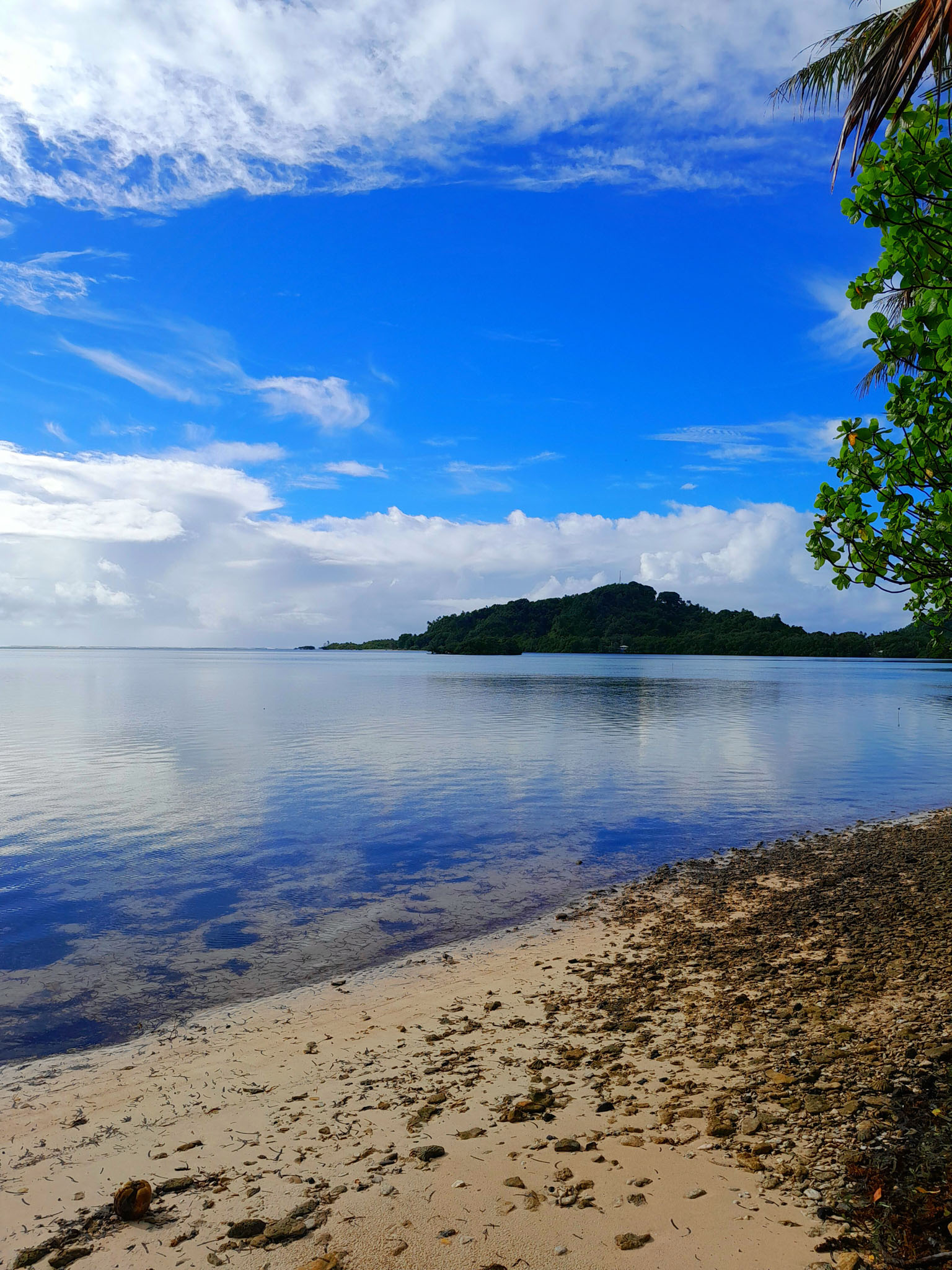
Samarai Island

Samarai is an island and former administrative capital in Milne Bay Province, Papua New Guinea.

The island is historically significant as the site of a trading port and stop-over between Australia and East Asia. Samarai town was established on the island and at its height was the second largest after Port Moresby in the Territory of Papua.

Source: Wikipedia (under GNU Free Documentation License)
Categories
Australia

Norfolk Island

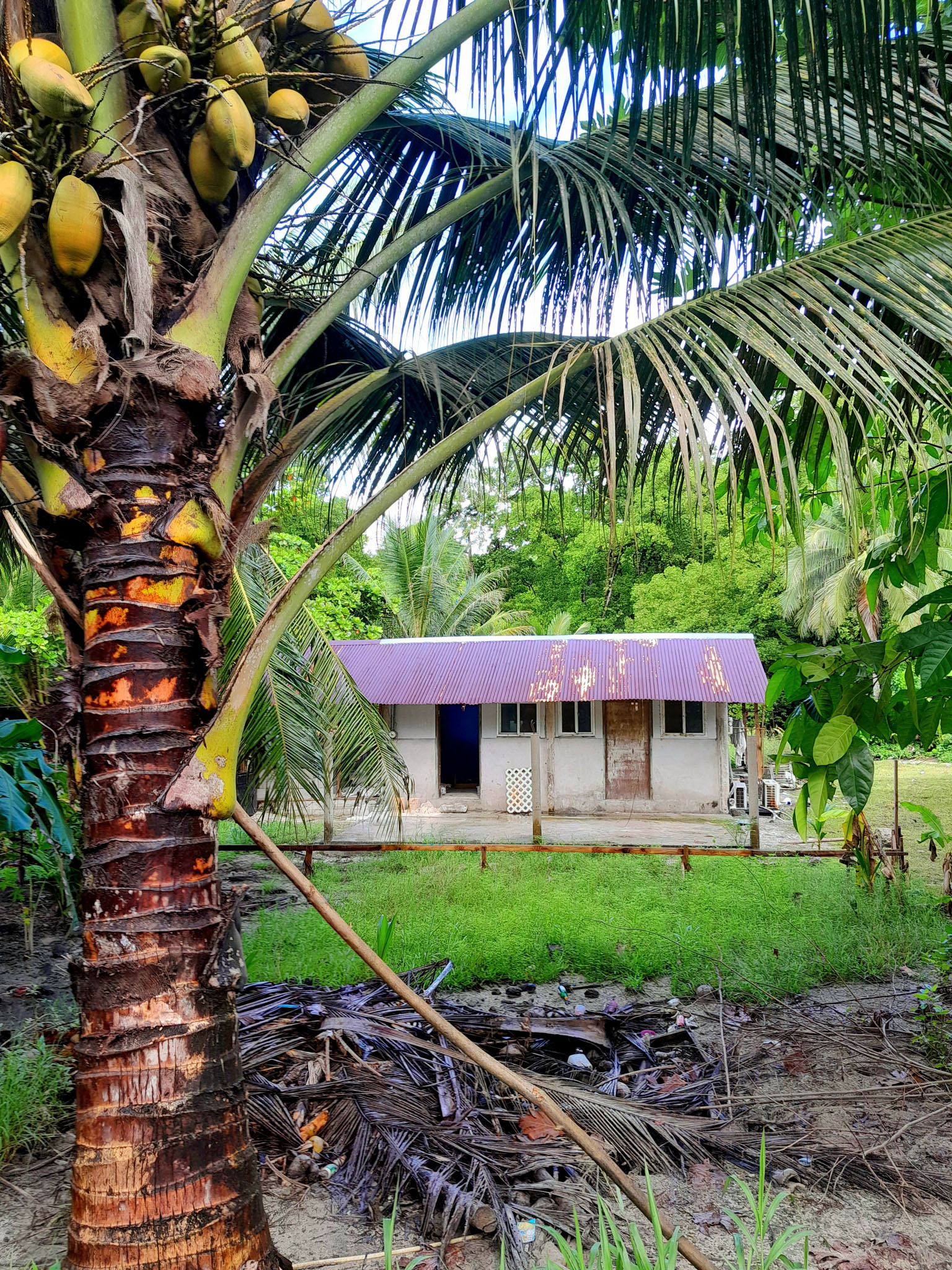
Norfolk Island (/ˈnɔːrfək/ NOR-fək, locally /ˈnɔːrfoʊk/ NOR-fohk; Norf’k Ailen) is an external territory of Australia located in the Pacific Ocean between New Zealand and New Caledonia, 1,412 kilometres (877 mi) directly east of Australia’s Evans Head and about 900 kilometres (560 mi) from Lord Howe Island. Together with the neighbouring Phillip Island and Nepean Island, the three islands collectively form the Territory of Norfolk Island.[10] At the 2021 census, it had 2,188 inhabitants living on a total area of about 35 km2 (14 sq mi).Its capital is Kingston.

Source: Wikipedia (under GNU Free Documentation License)
Categories
Australia

Lord Howe Island

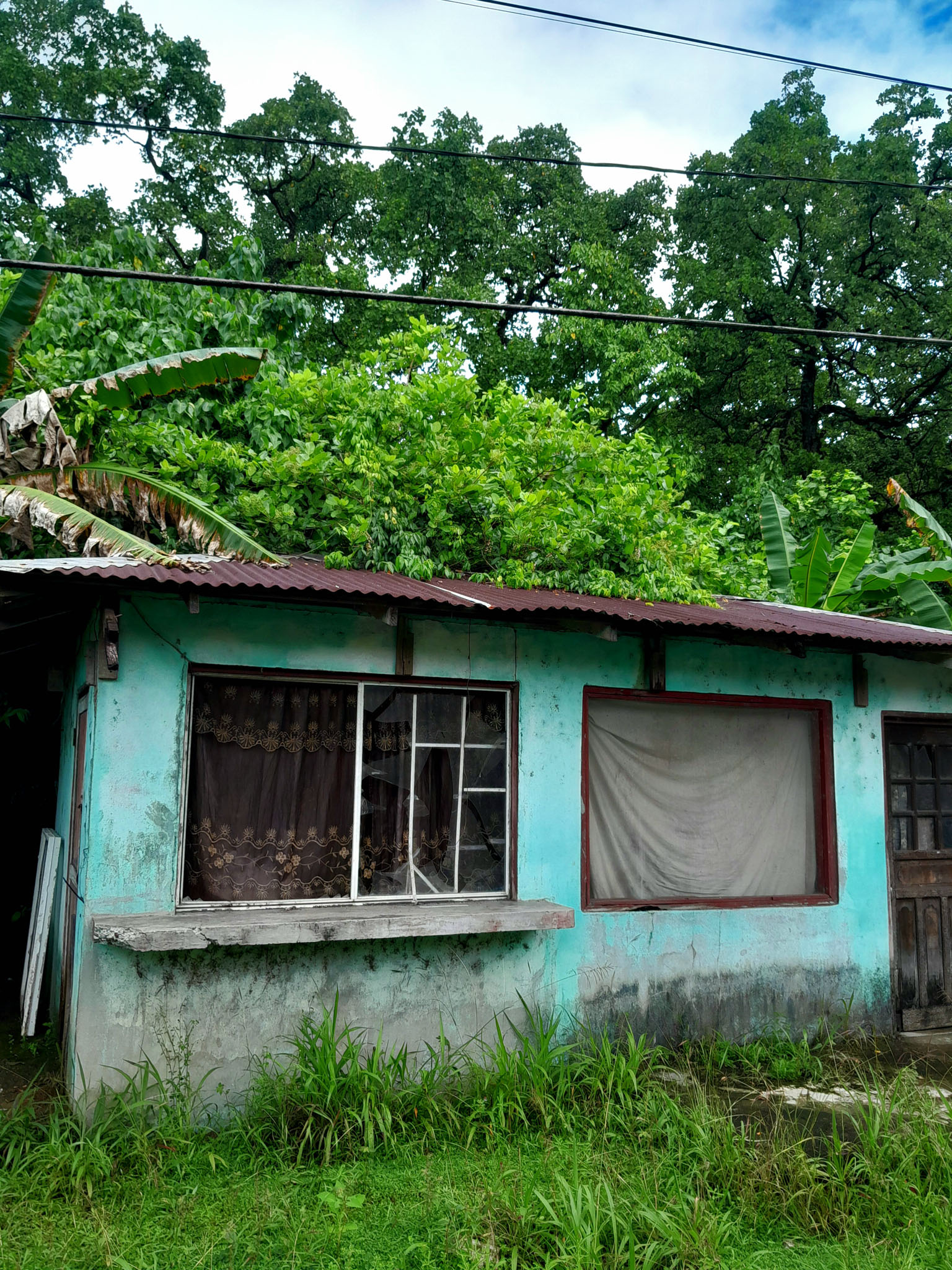
Lord Howe Island (/haʊ/; formerly Lord Howe’s Island) is an irregularly crescent-shaped volcanic remnant in the Tasman Sea between Australia and New Zealand, part of the Australian state of New South Wales. It lies 600 km (370 mi; 320 nmi) directly east of mainland Port Macquarie, 780 km (480 mi; 420 nmi) northeast of Sydney, and about 900 km (560 mi; 490 nmi) southwest of Norfolk Island.
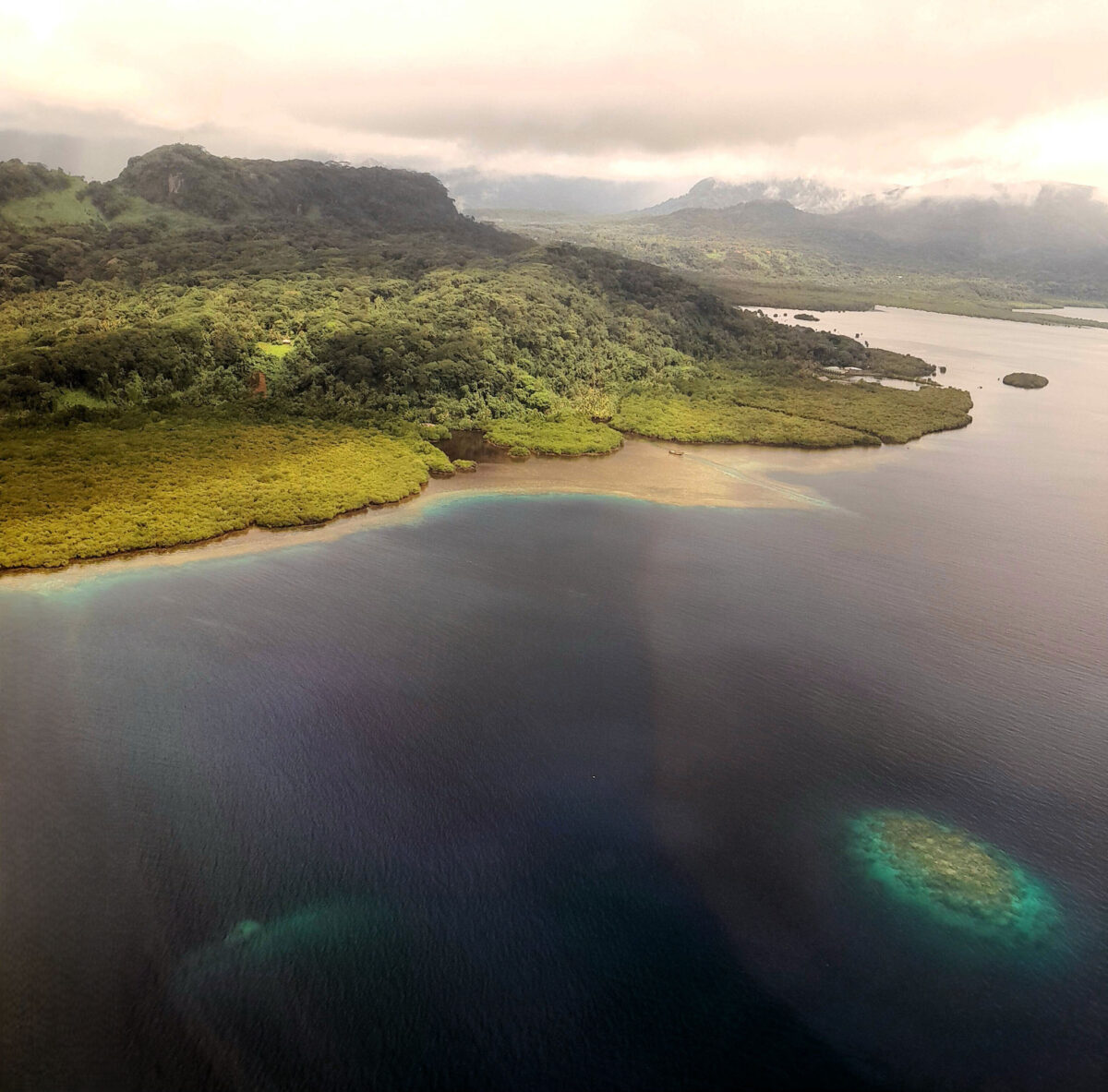
UNESCO records the Lord Howe Island Group as a World Heritage Site of global natural significance. Most of the island is virtually untouched forest, with many of the plants and animals found nowhere else in the world.

Source: Wikipedia (under GNU Free Documentation License)