Categories
Indonesia West Papua

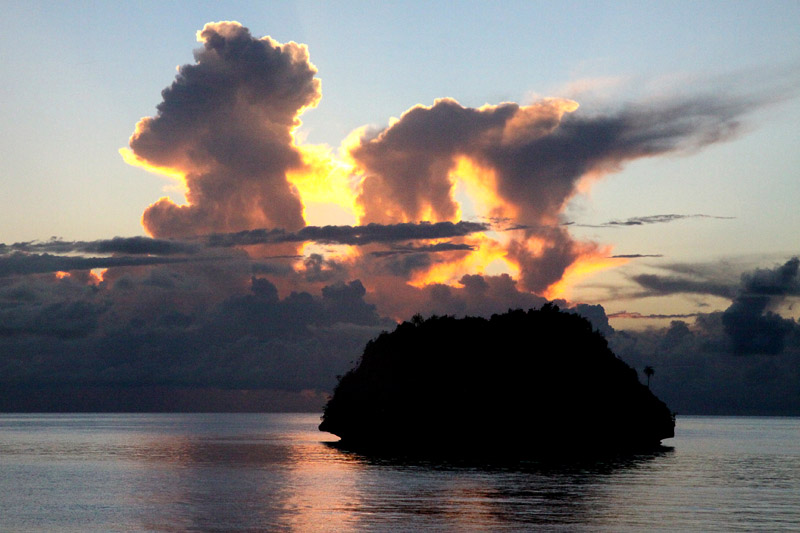
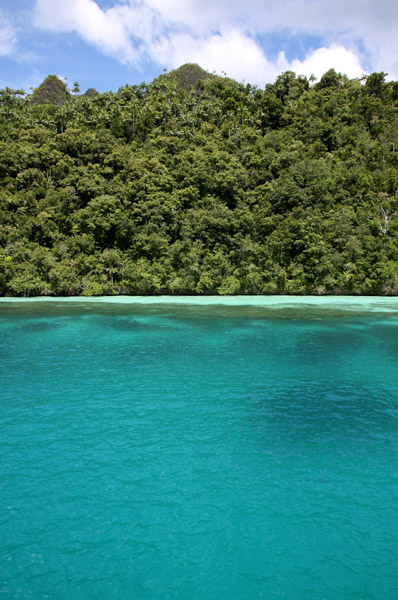
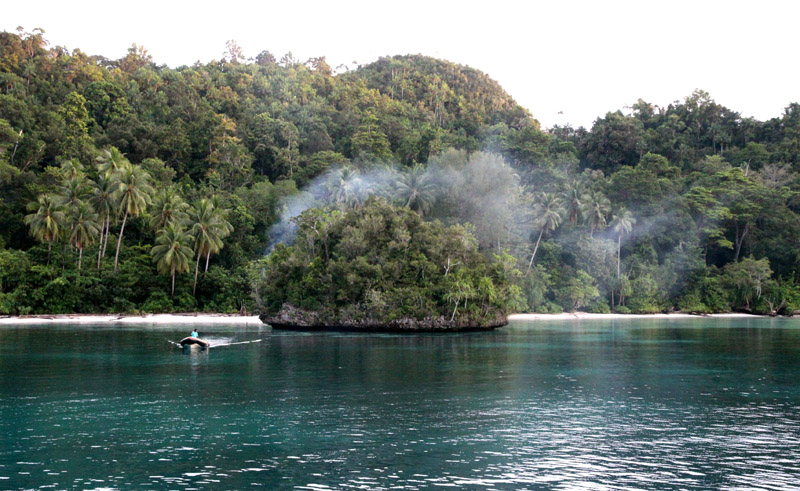
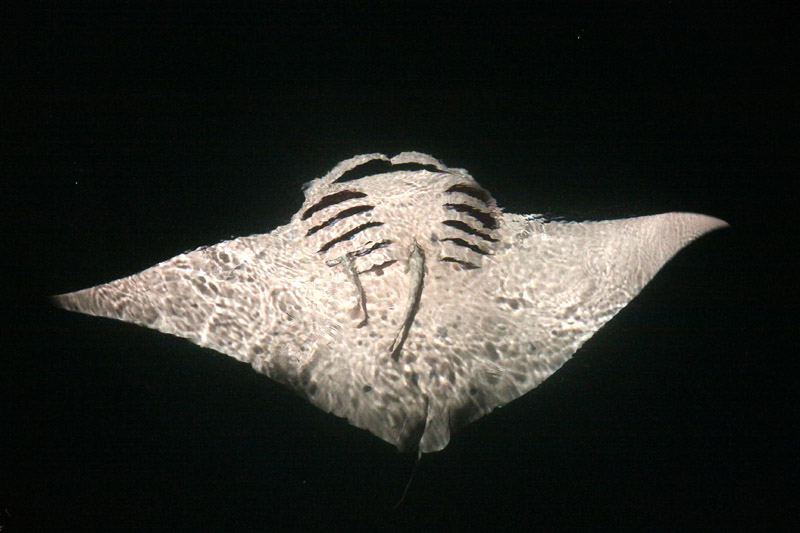
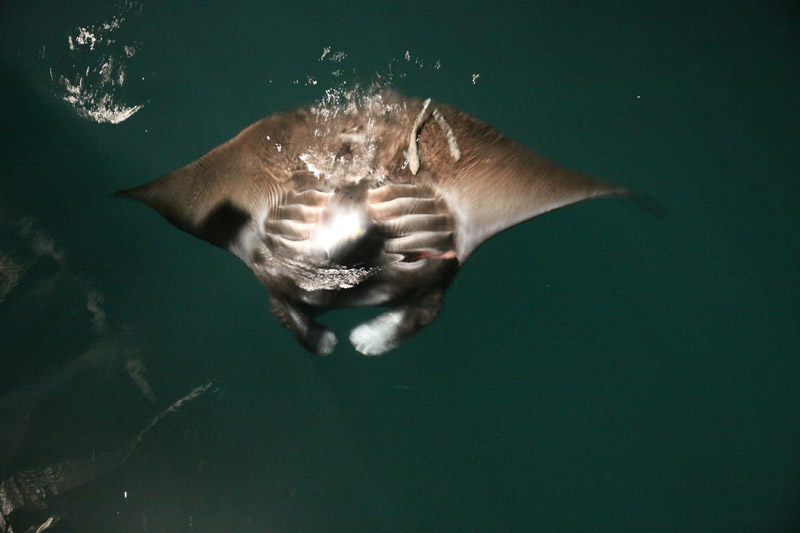
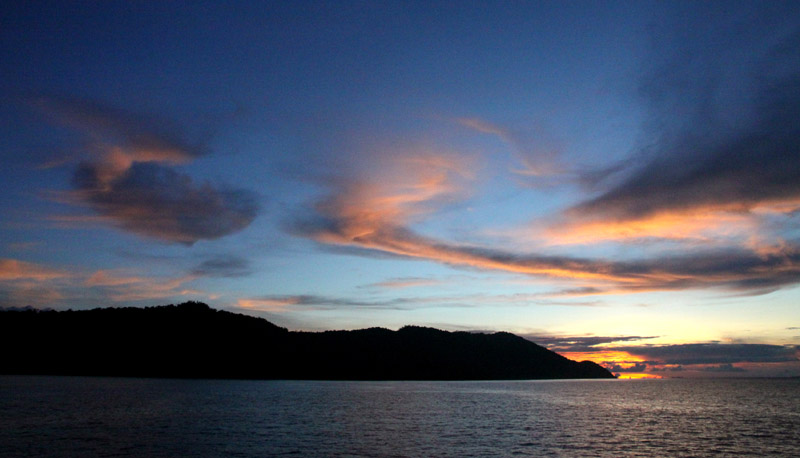
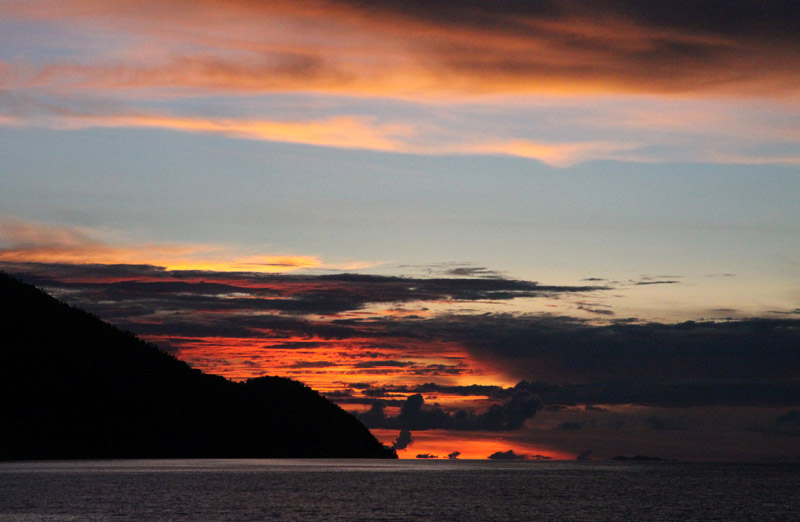
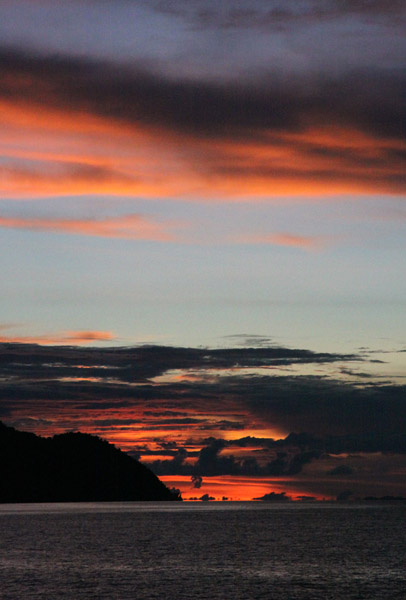
Raja Ampat Islands I

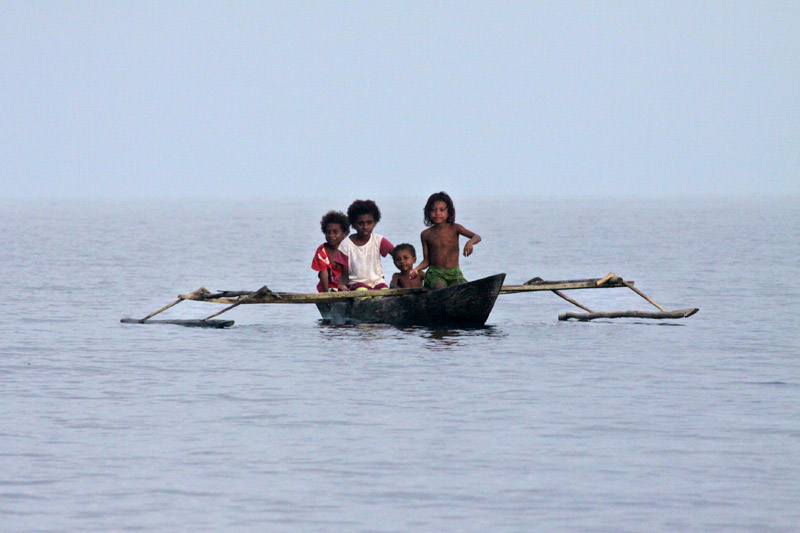
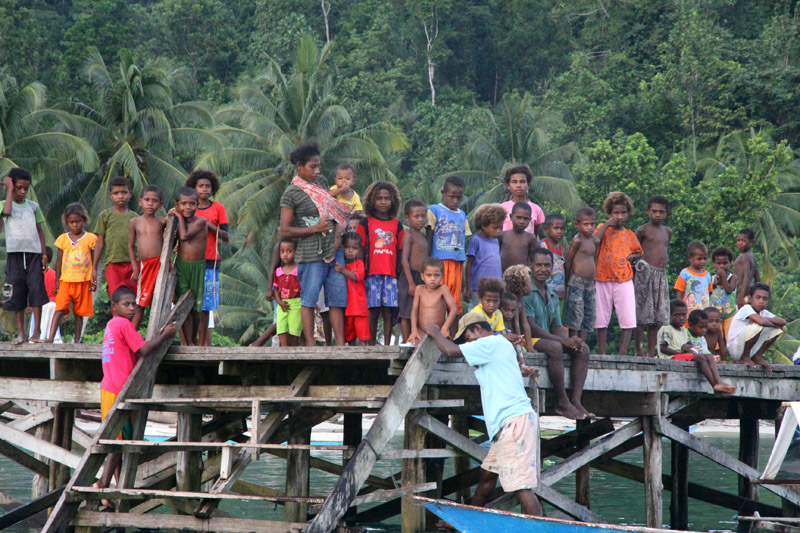
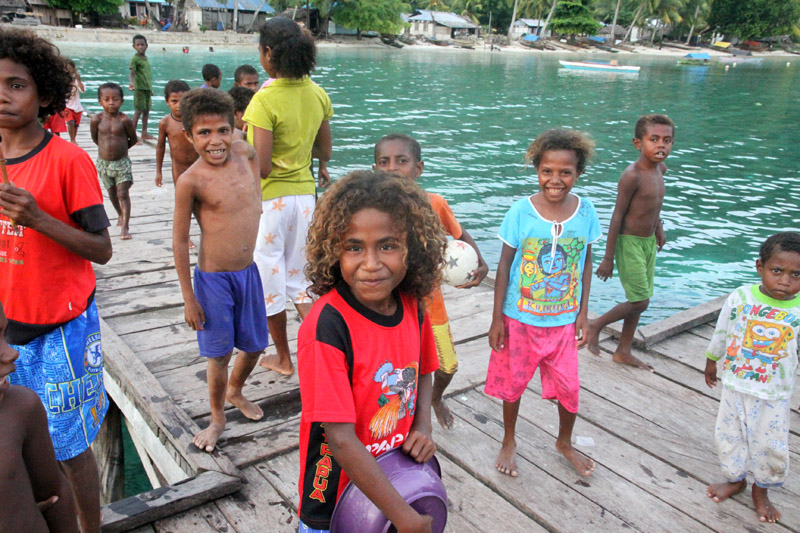
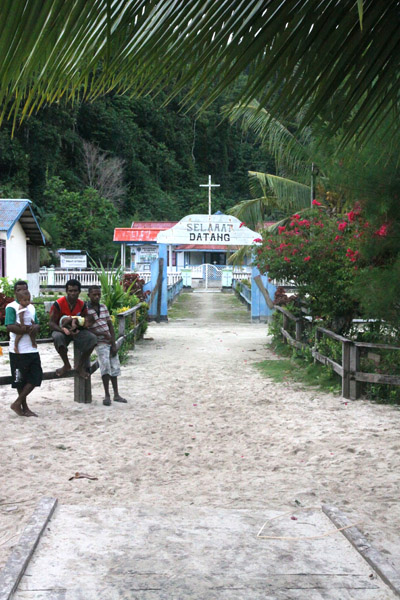
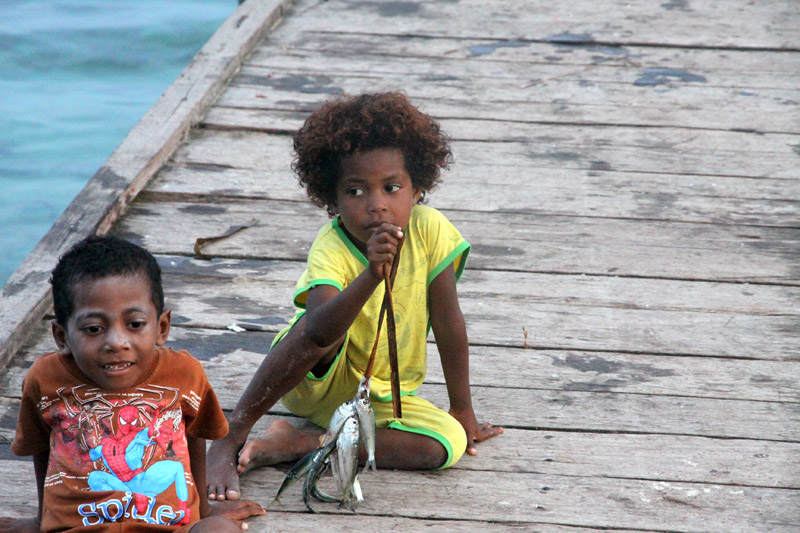
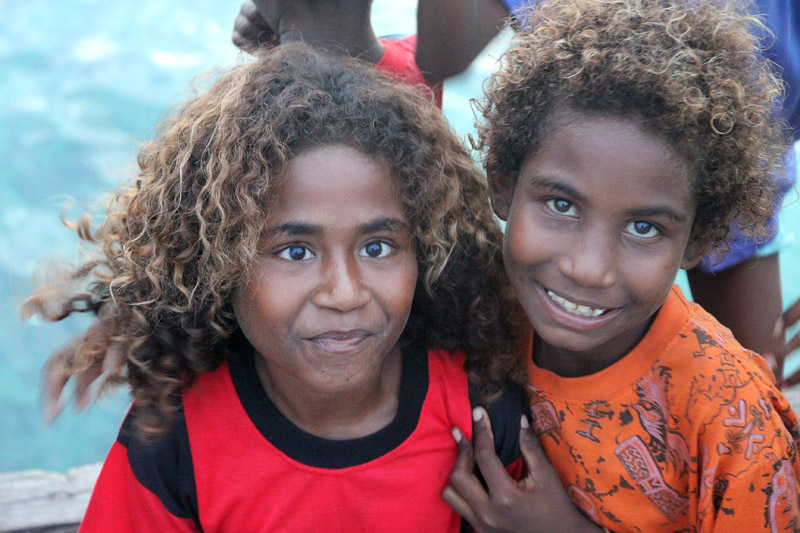
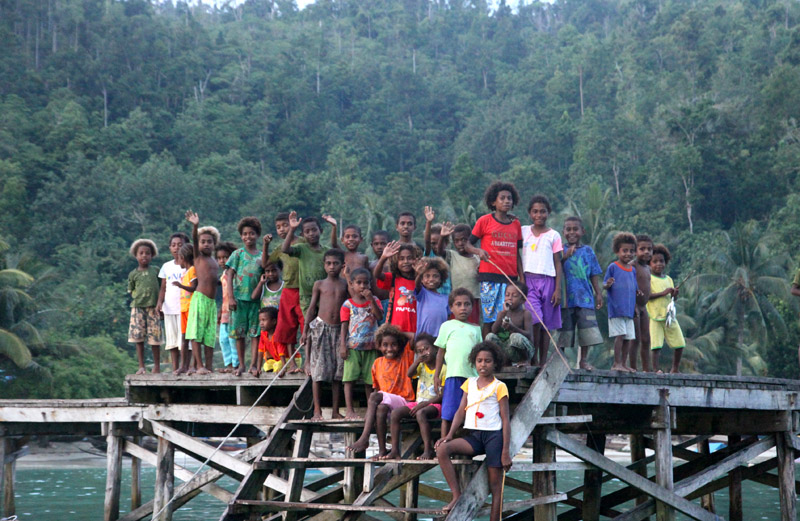
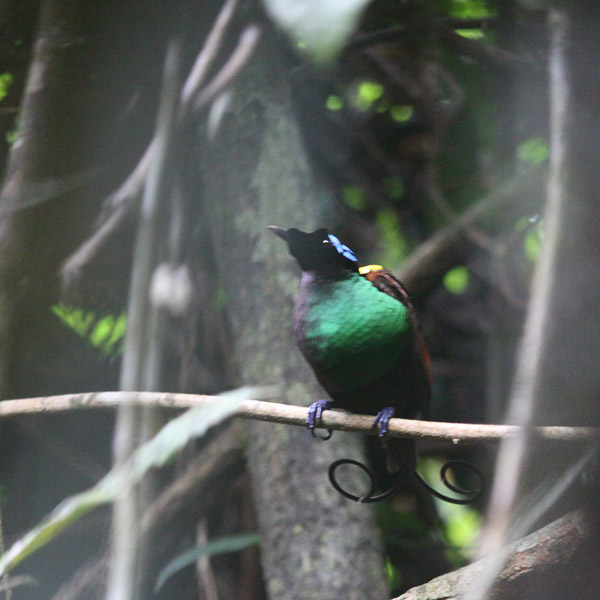
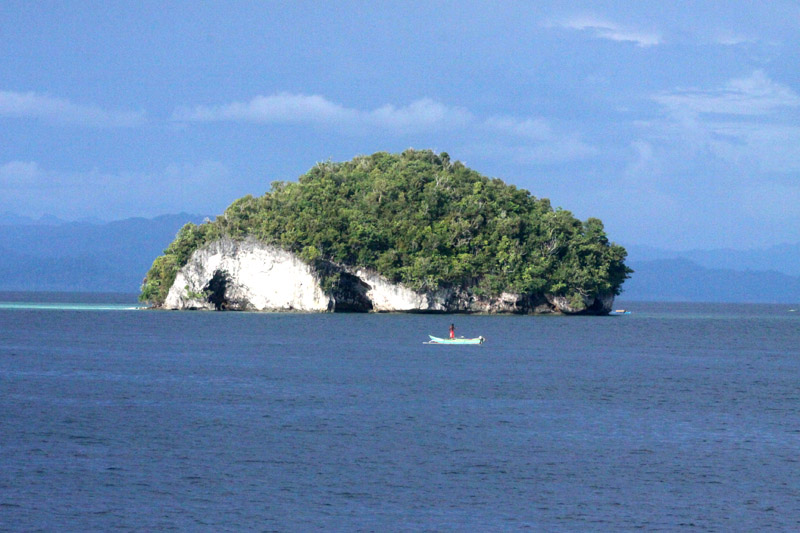
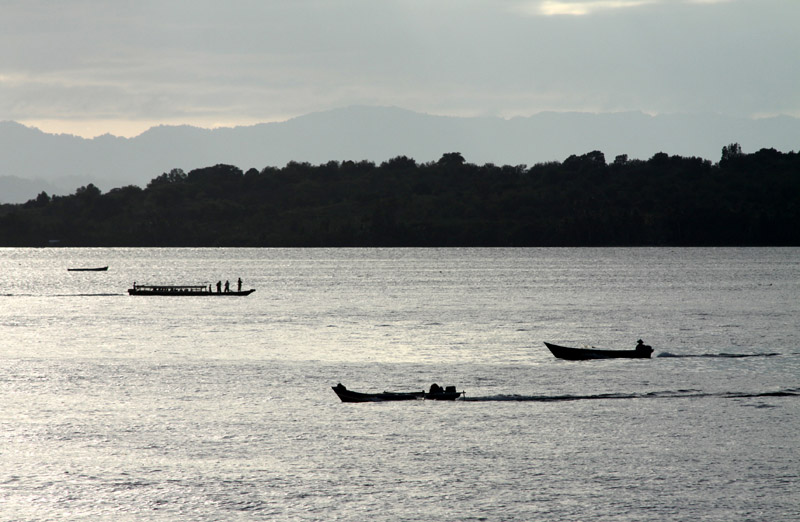
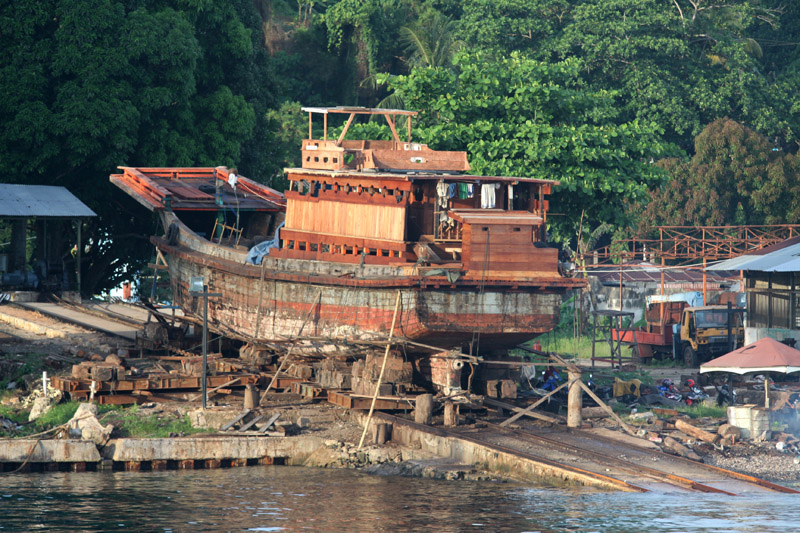
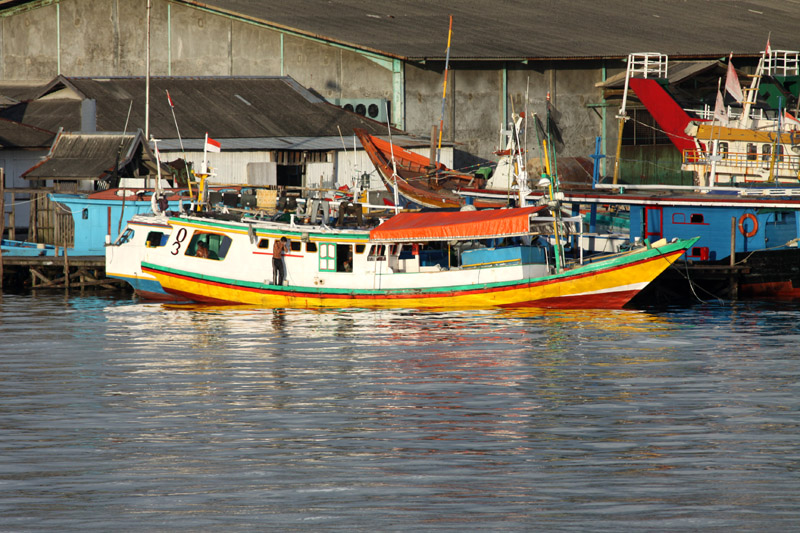
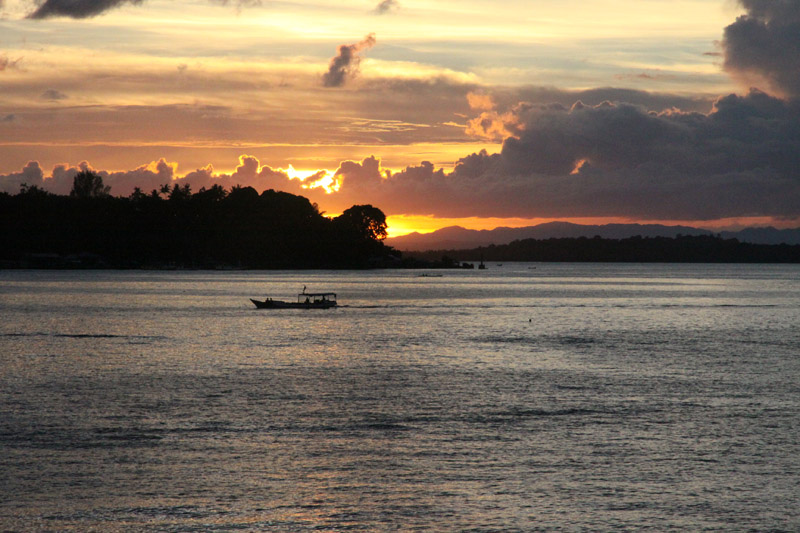
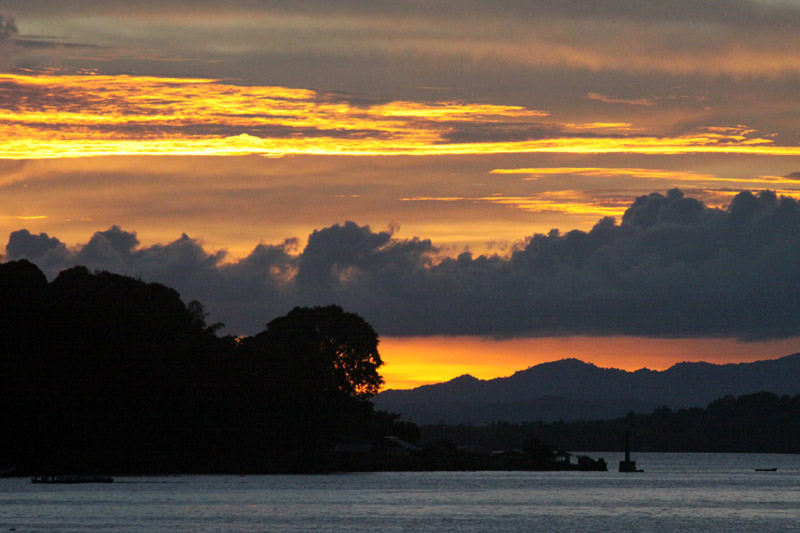
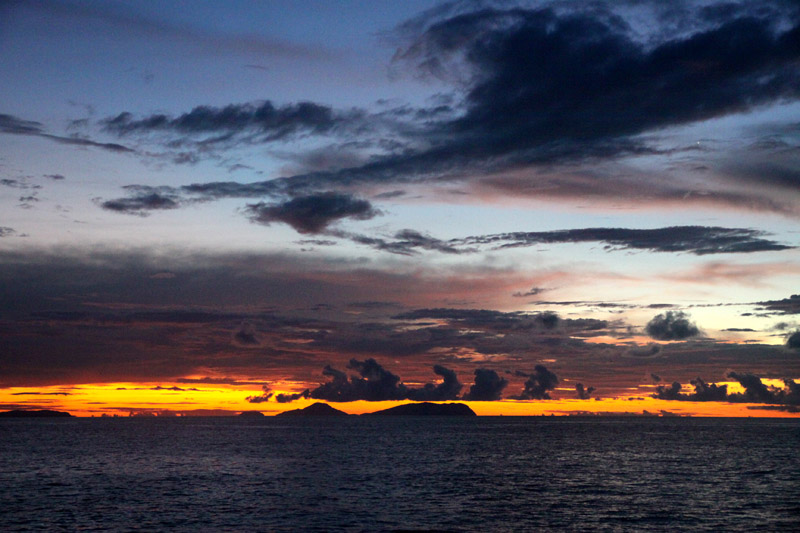
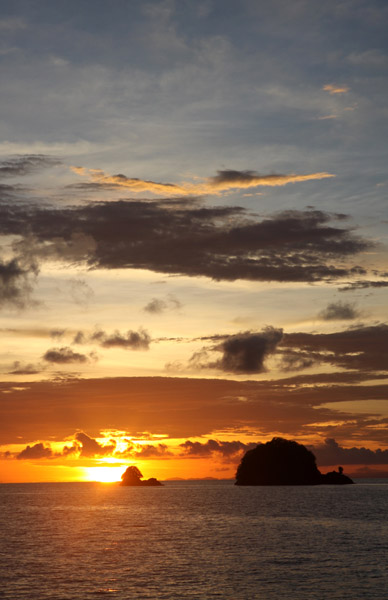
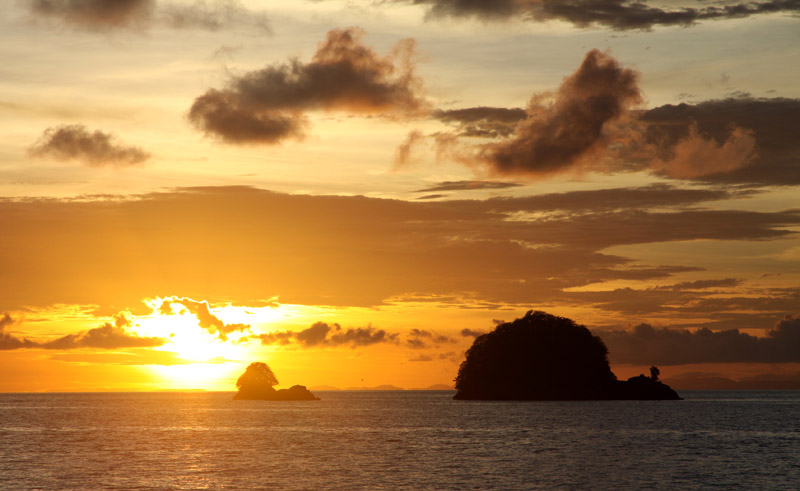
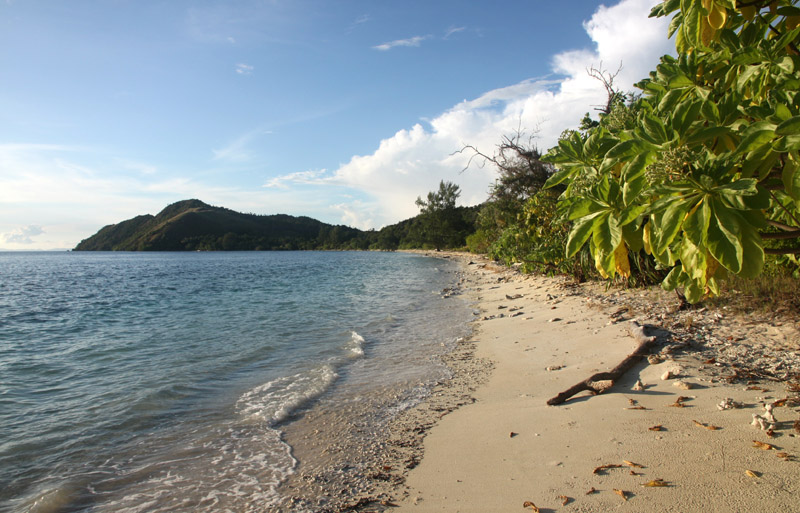
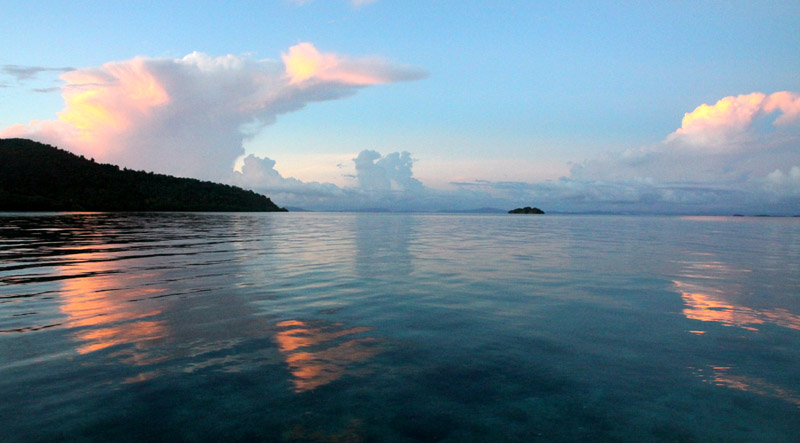
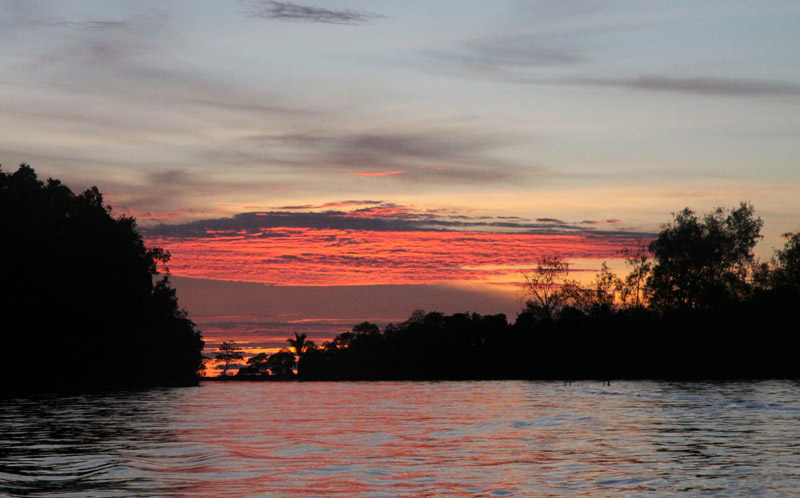
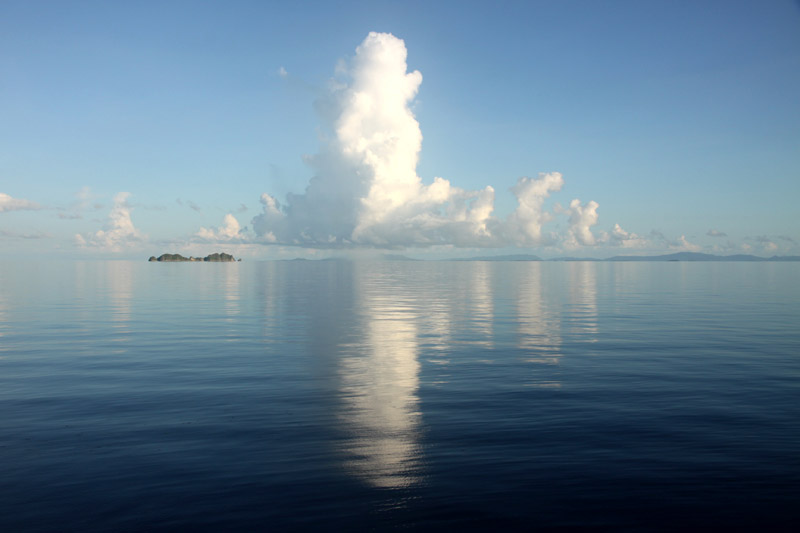
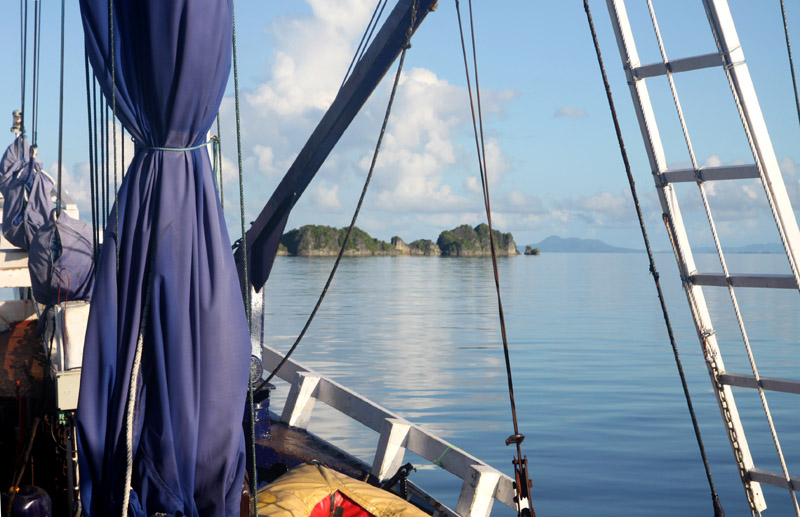
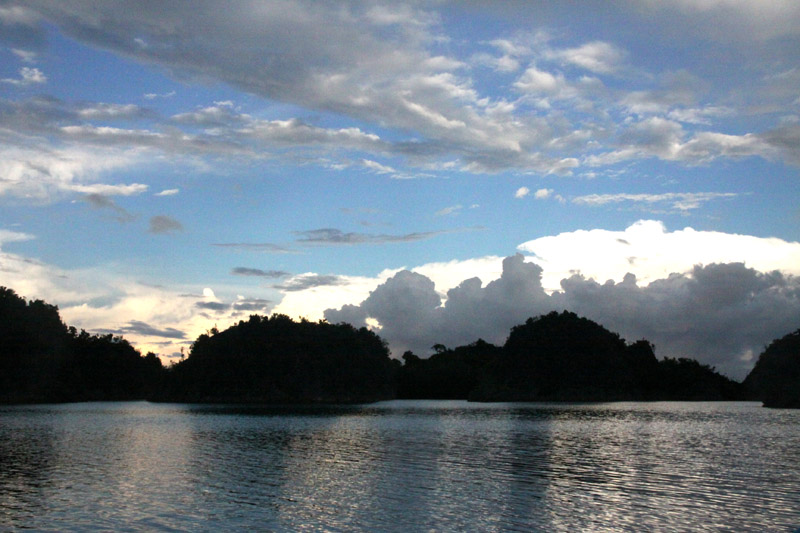
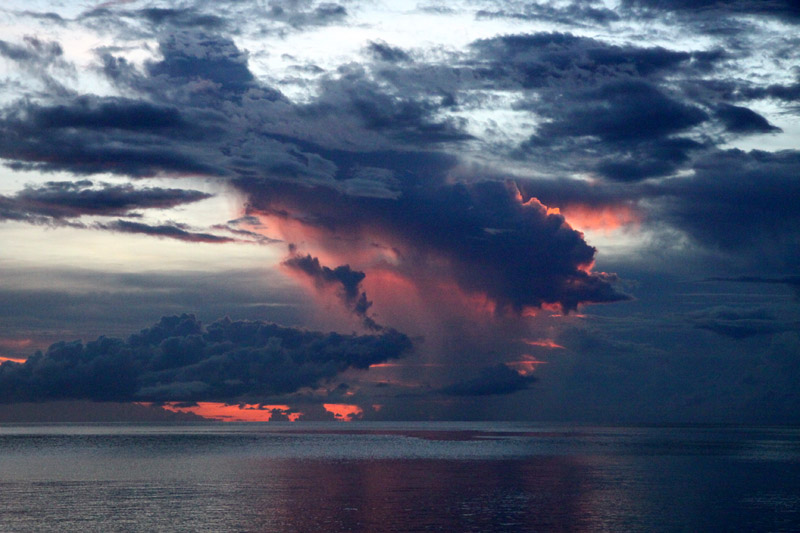
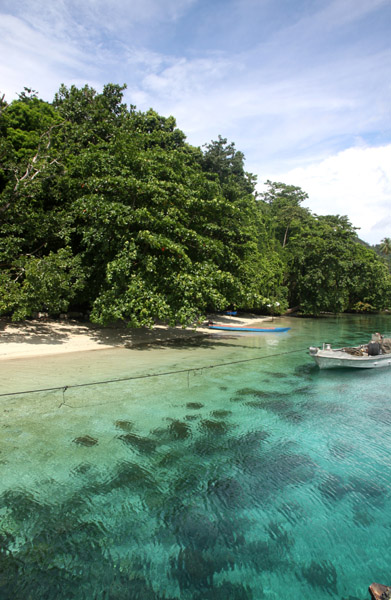
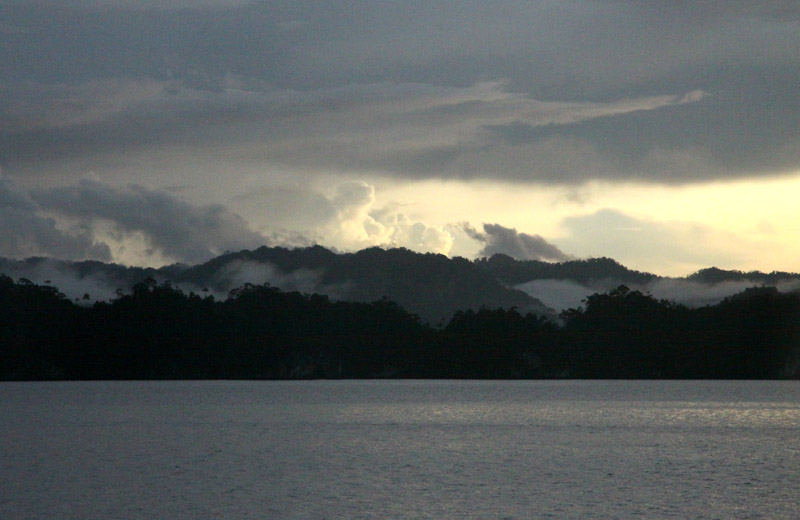
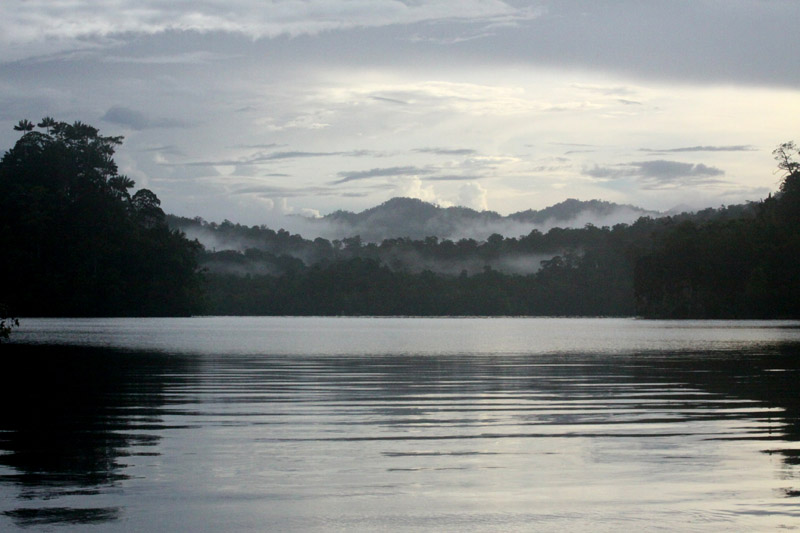
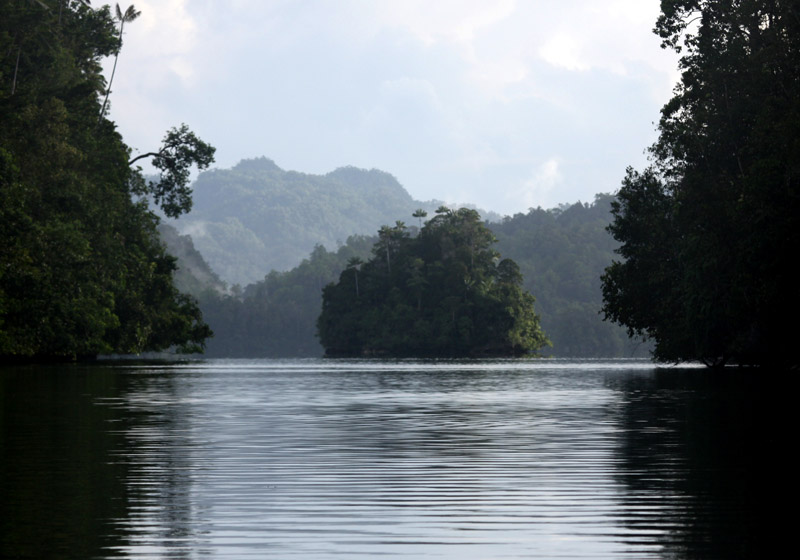
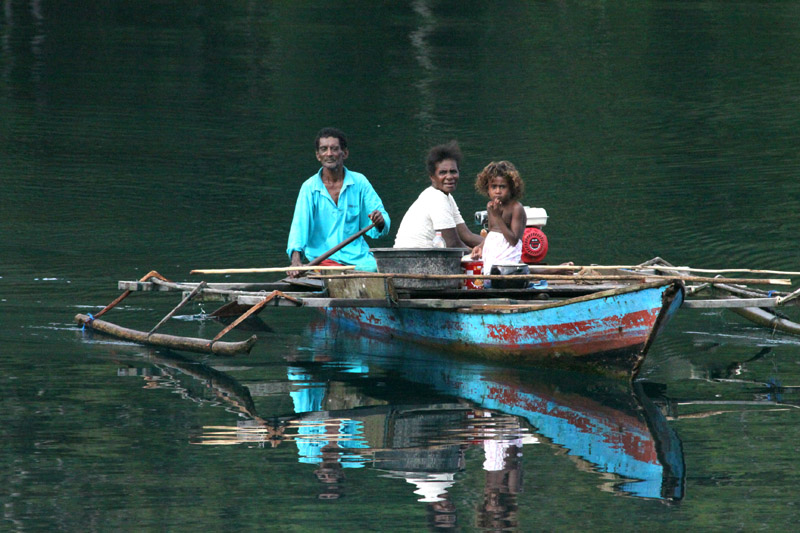
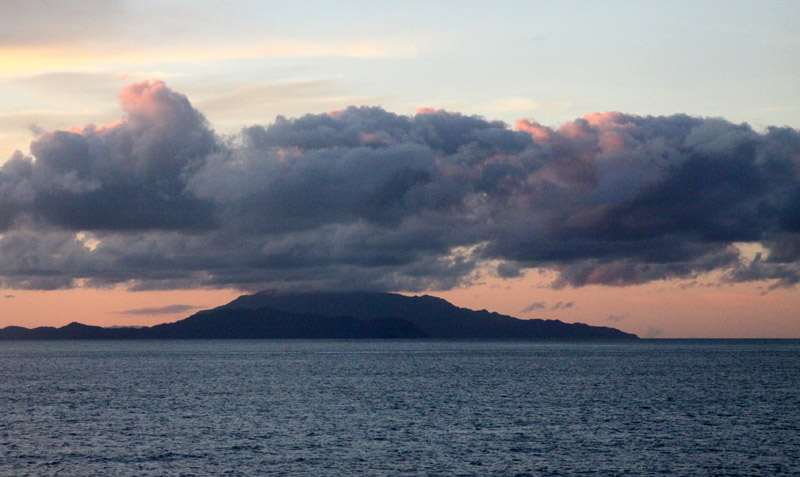
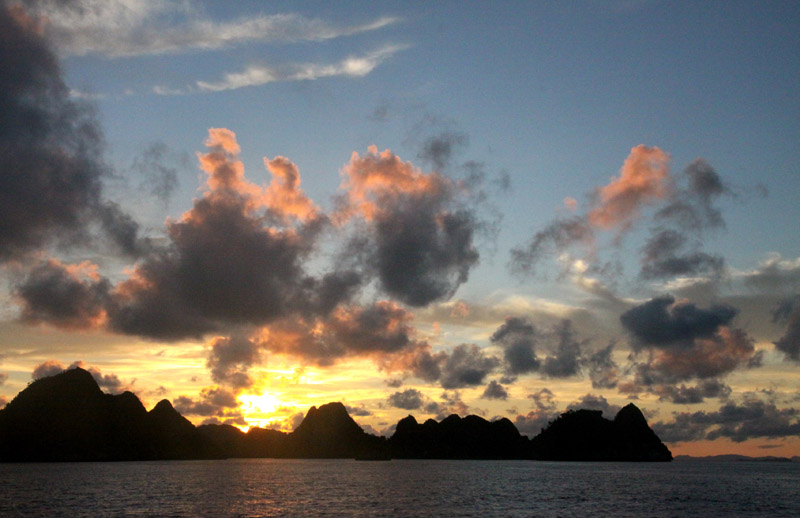
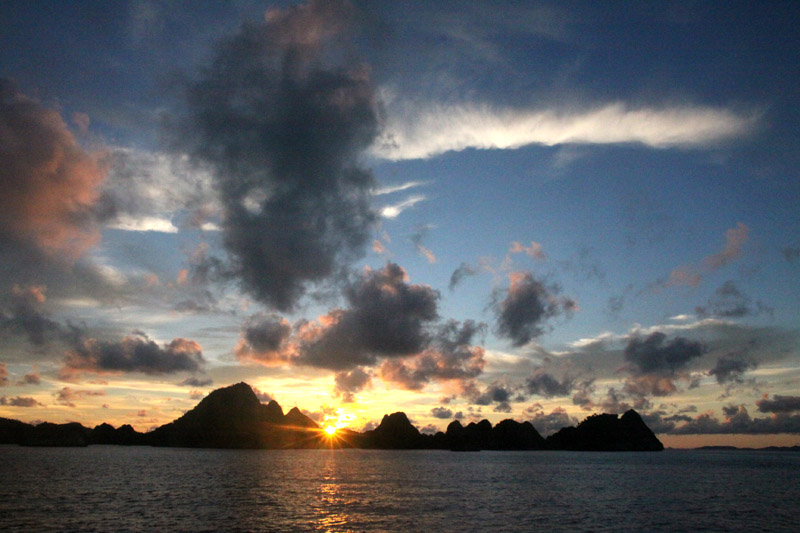
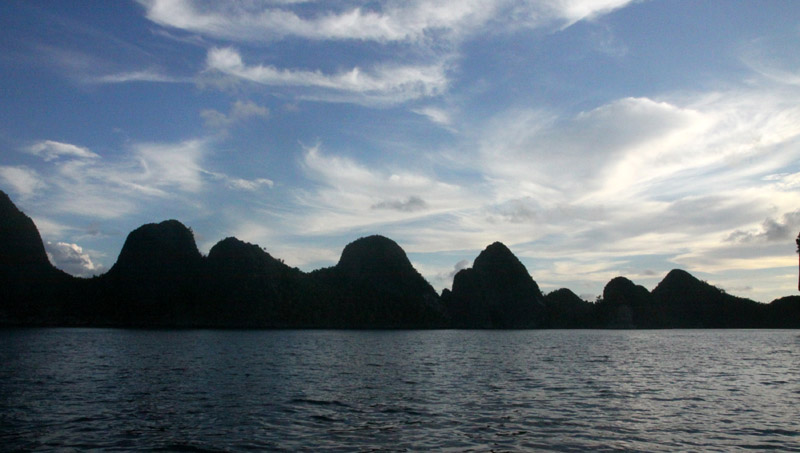
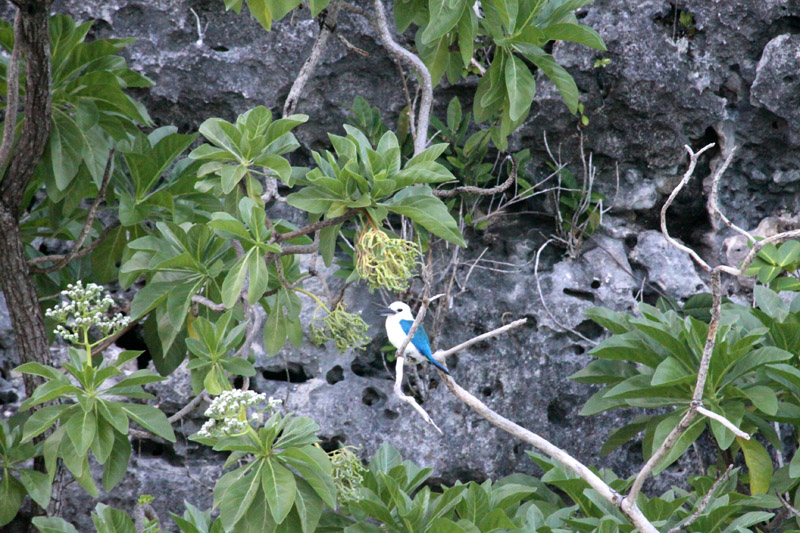
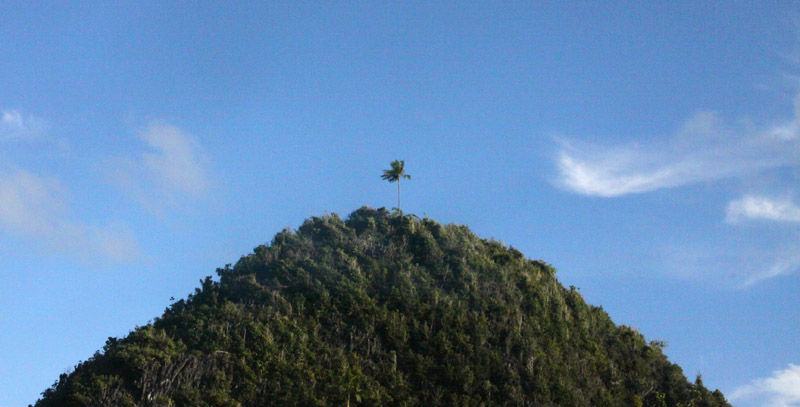
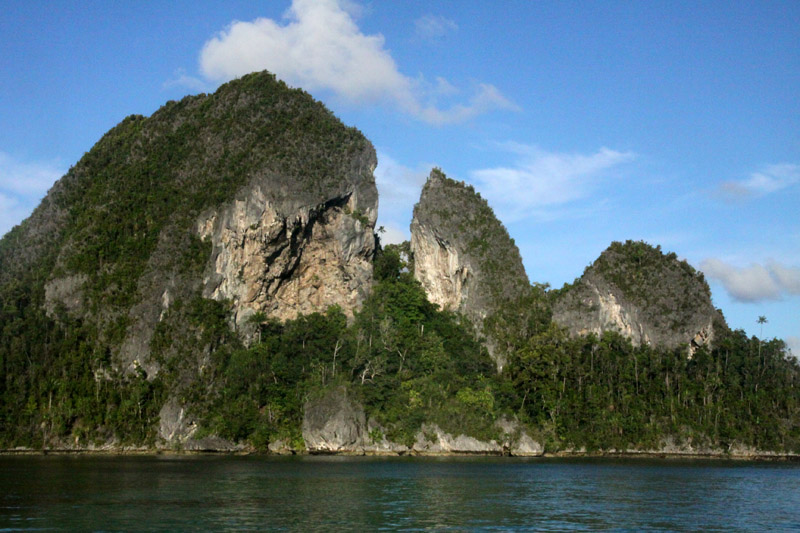
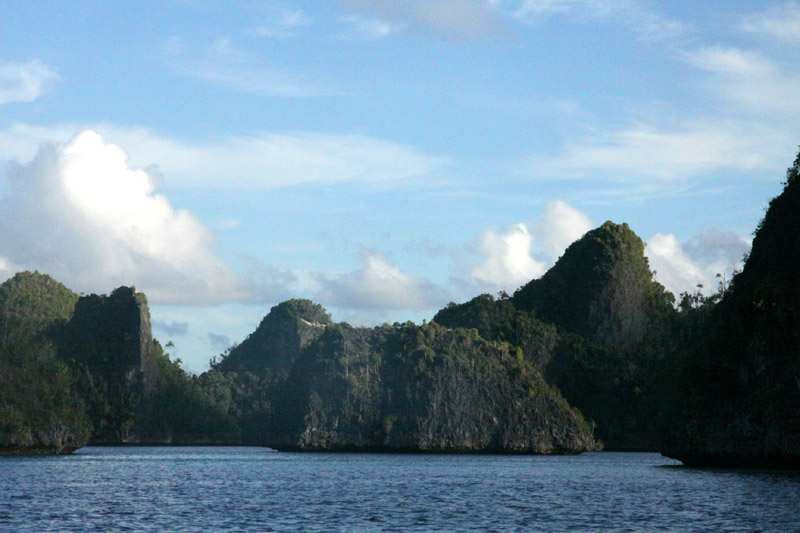
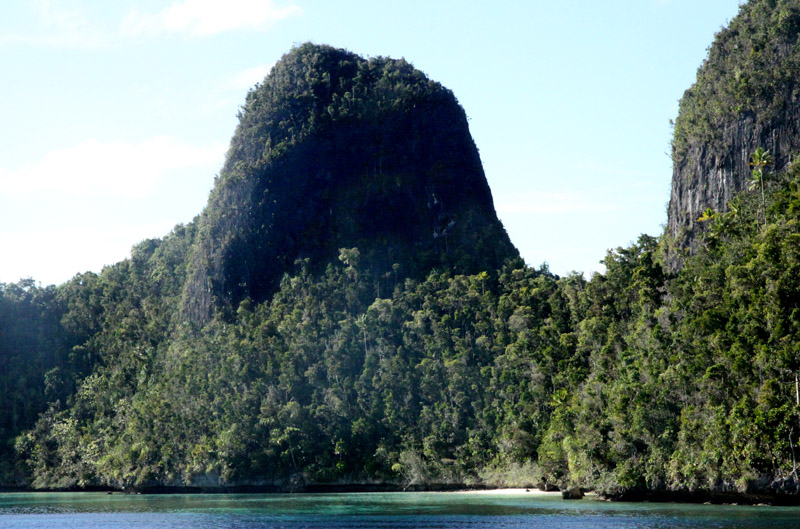
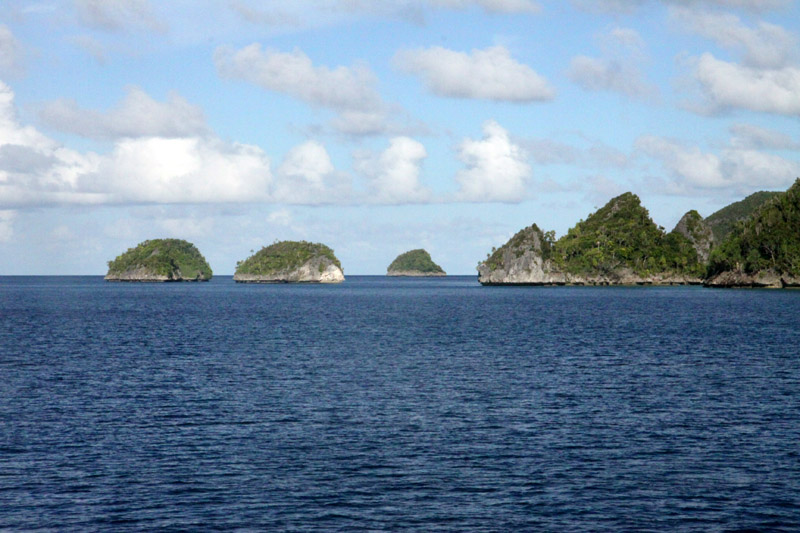
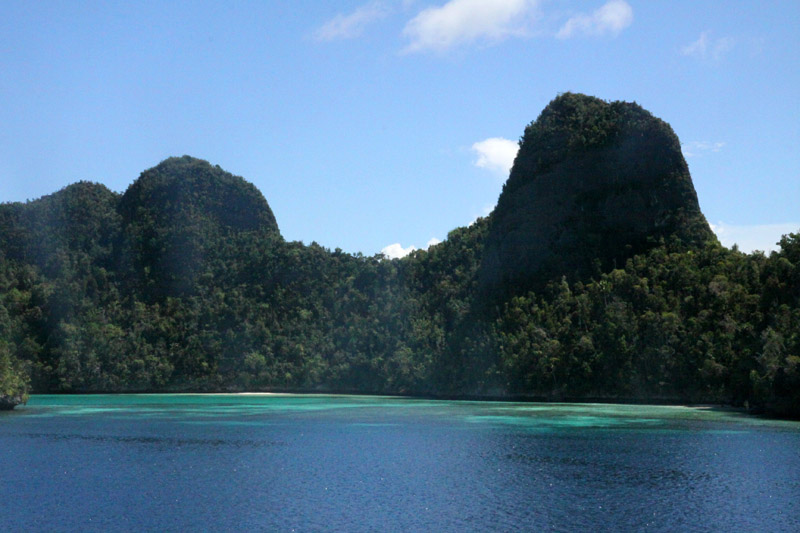
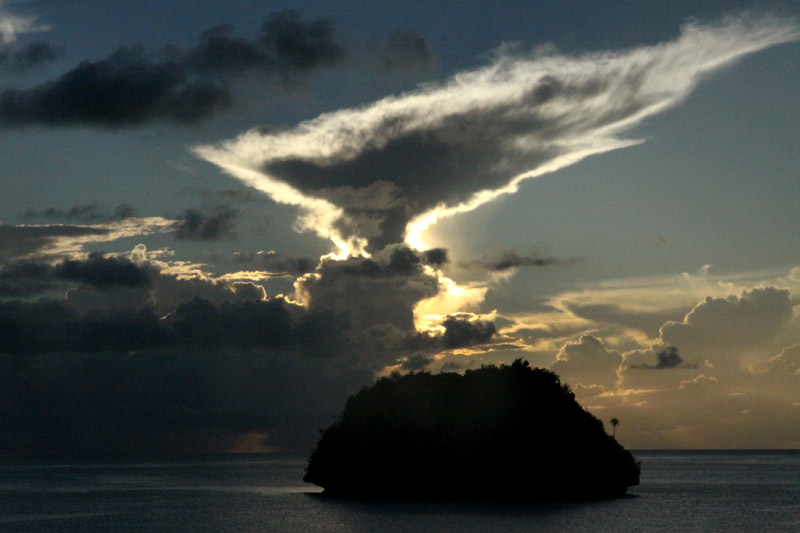
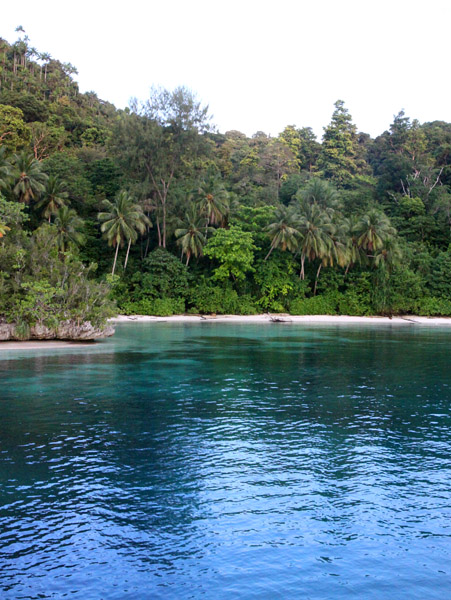
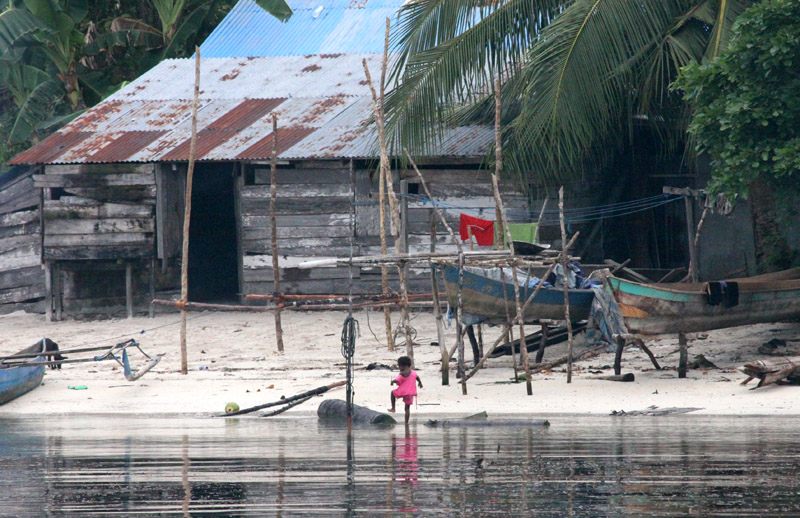
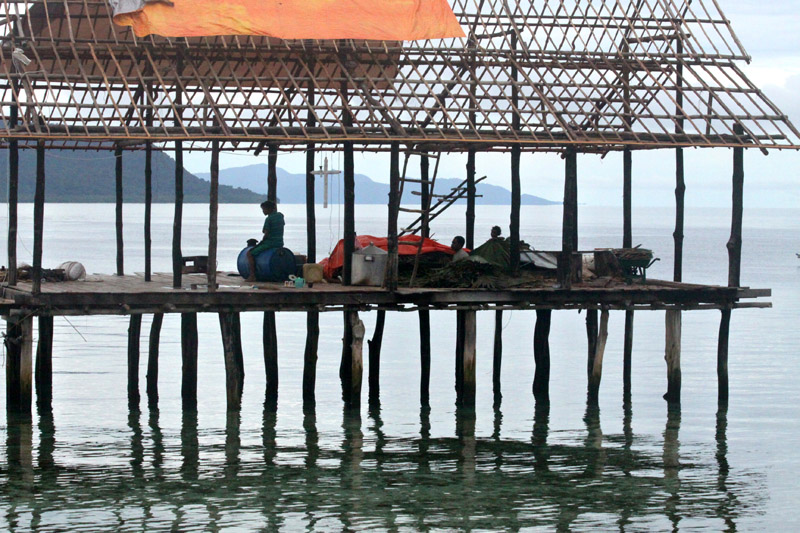
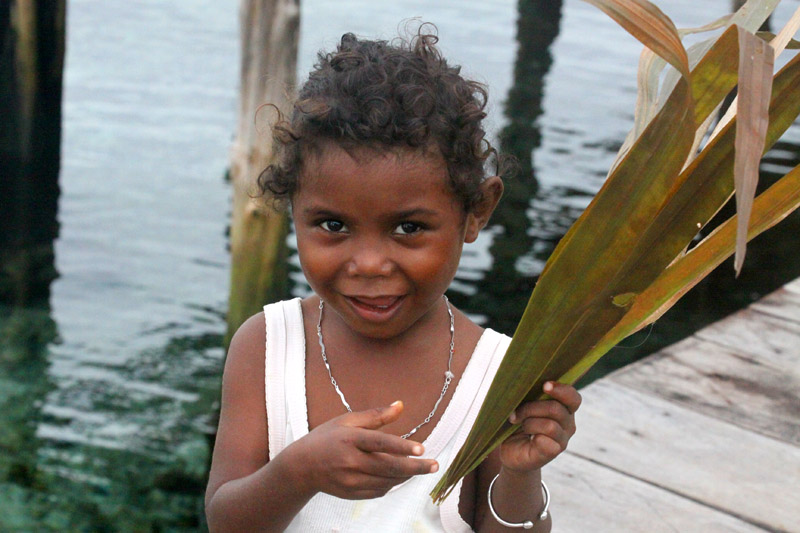
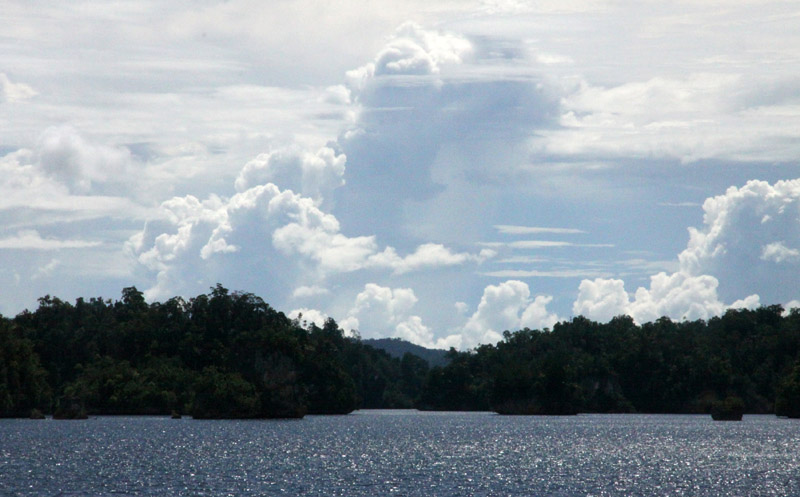
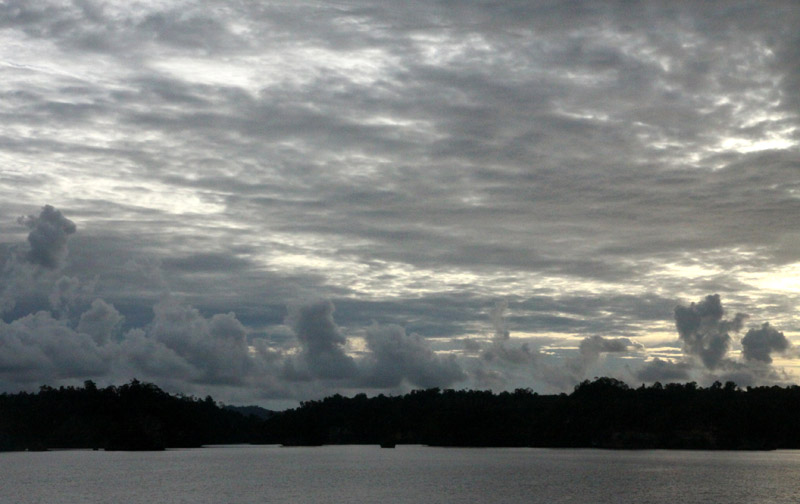
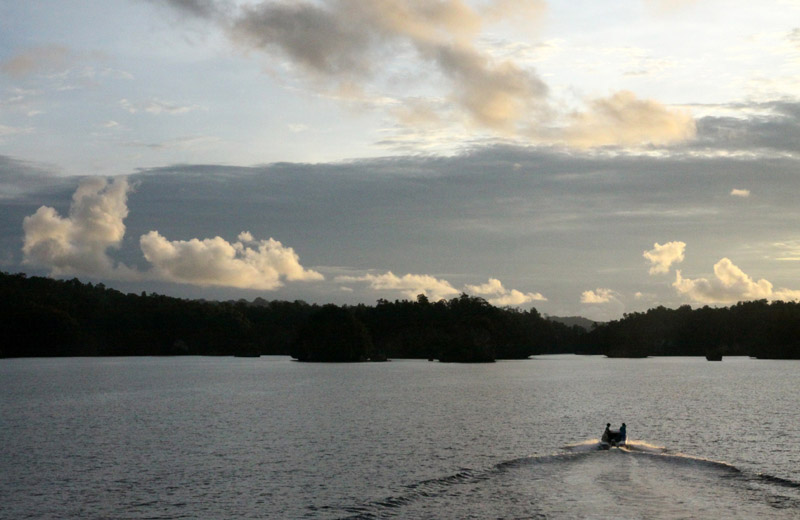
Located off the northwest tip of Bird’s Head Peninsula on the island of New Guinea, in Indonesia’s West Papua province, Raja Ampat, or the Four Kings, is an archipelago comprising over 1,500 small islands, cays and shoals surrounding the four main islands of Misool, Salawati, Batanta and Waigeo, and the smaller island of Kofiau. It encompasses more than 40,000 km² of land and sea, which also contains Cenderawasih Bay, the largest marine national park in Indonesia. It is a part of the newly named West Papua (province) of Indonesia which was formerly Irian Jaya. The islands are the most northern pieces of land in the Australian continent.

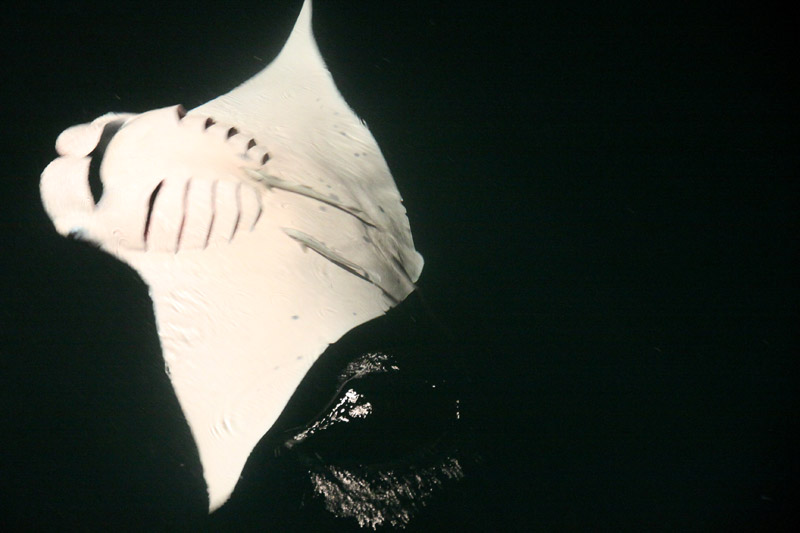
According to Conservation International, marine surveys suggest that the marine life diversity in the Raja Ampat area is the highest recorded on Earth. Diversity is considerably greater than any other area sampled in the Coral Triangle composed of Indonesia, Philippines and Papua New Guinea. The Coral Triangle is the heart of the world’s coral reef biodiversity, making Raja Ampat quite possibly the richest coral reef ecosystems in the world.

The area’s massive coral colonies along with relatively high sea surface temperatures, also suggest that its reefs may be relatively resistant to threats like coral bleaching and coral disease, which now jeopardize the survival of other coral ecosystems around the world. The Raja Ampat islands are remote and relatively undisturbed by humans.
Source: Wikipedia (under GNU Free Documentation License)

Categories
Kenya

Lamu Island II

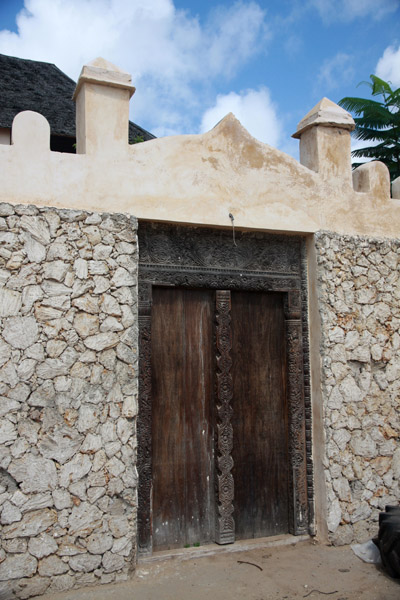
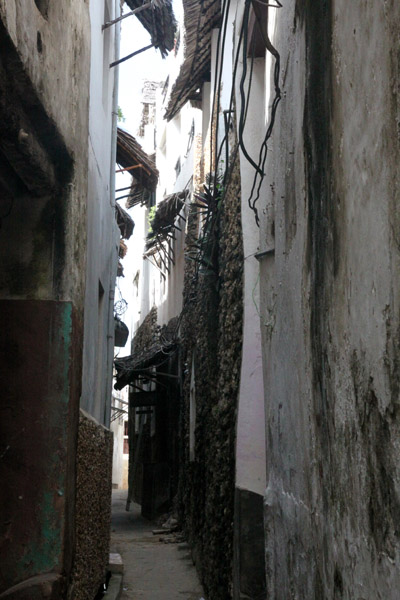
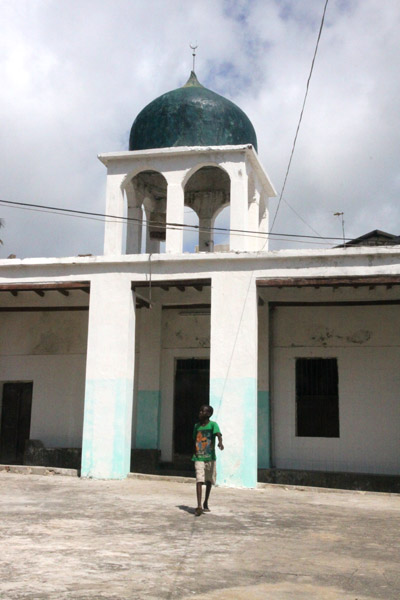
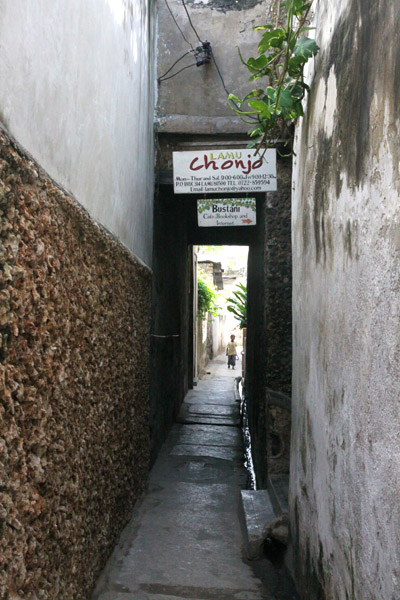
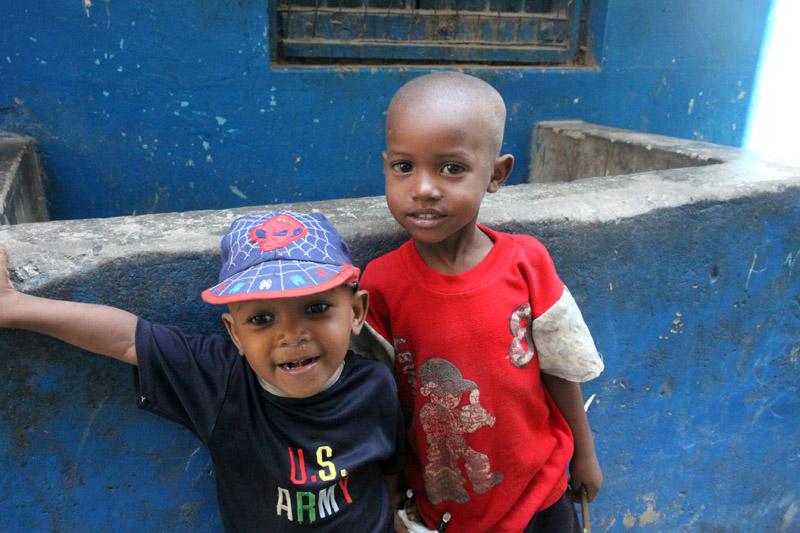
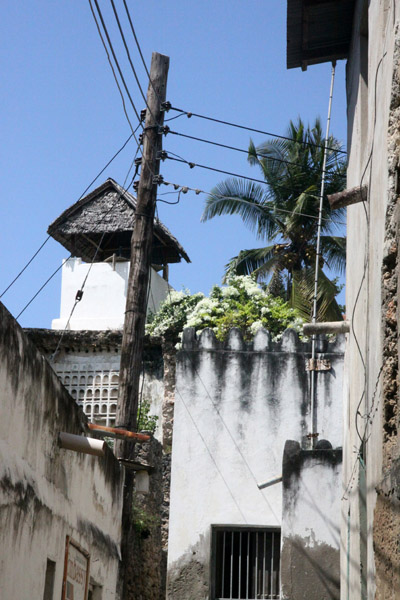
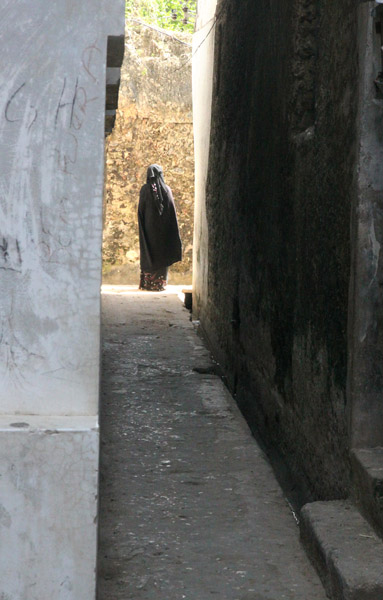
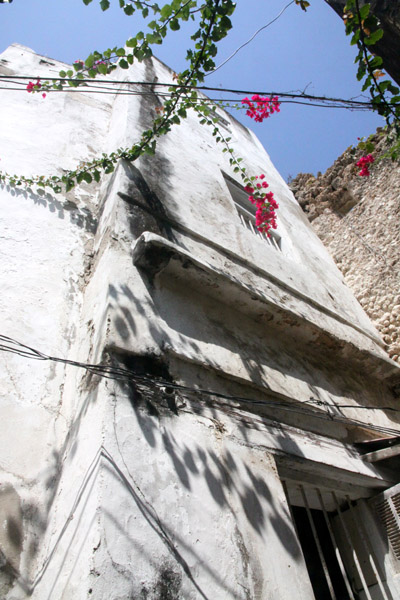
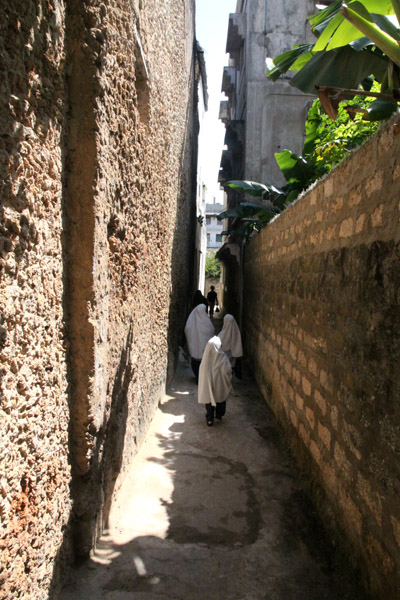
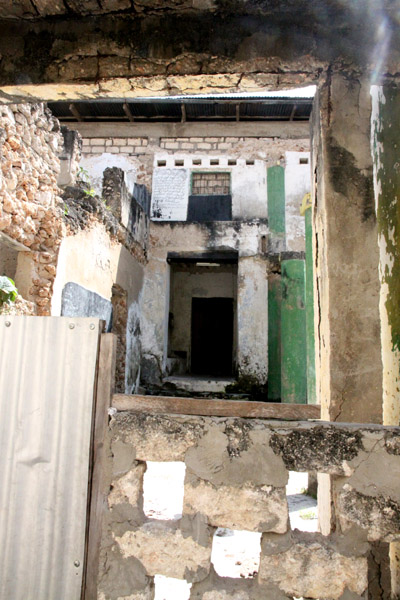
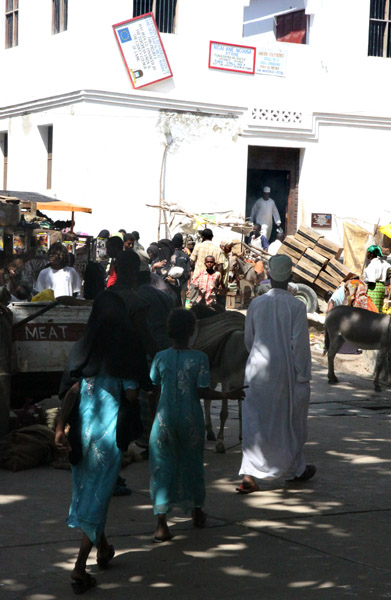
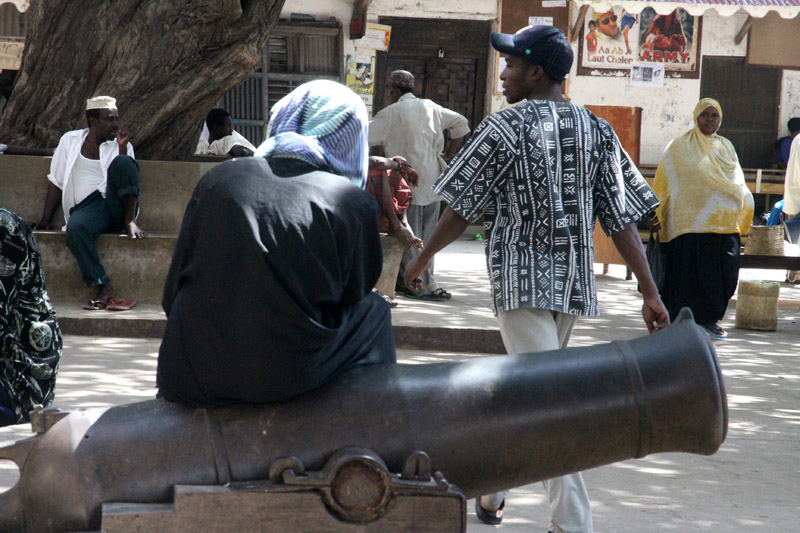
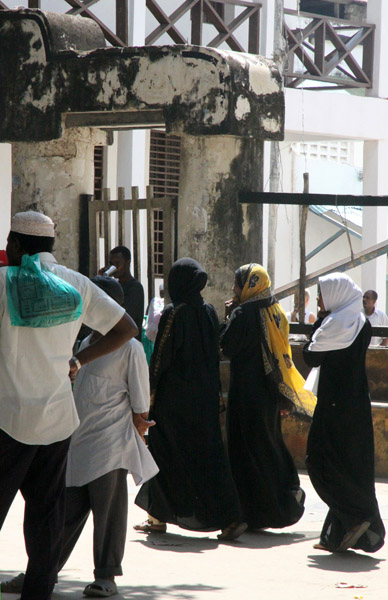
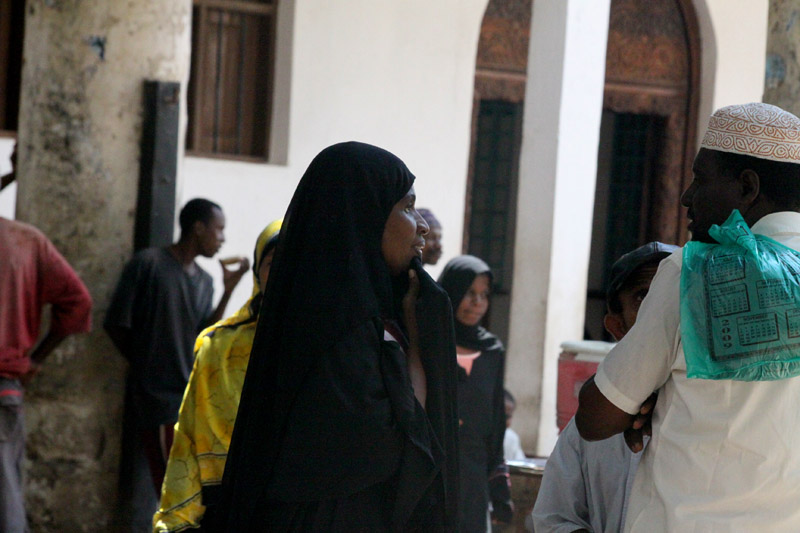
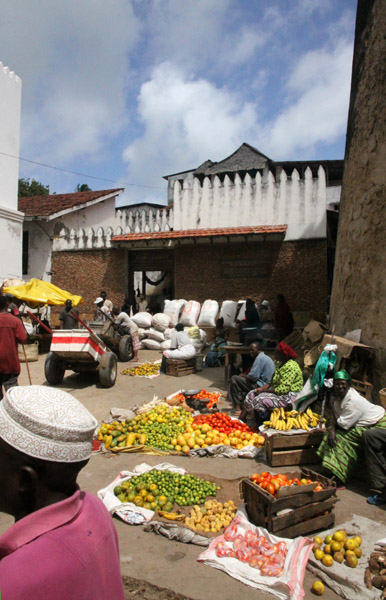
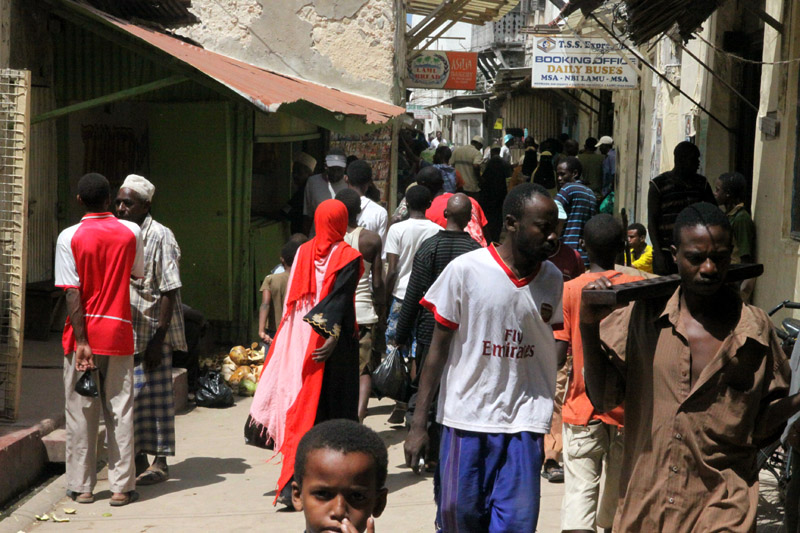
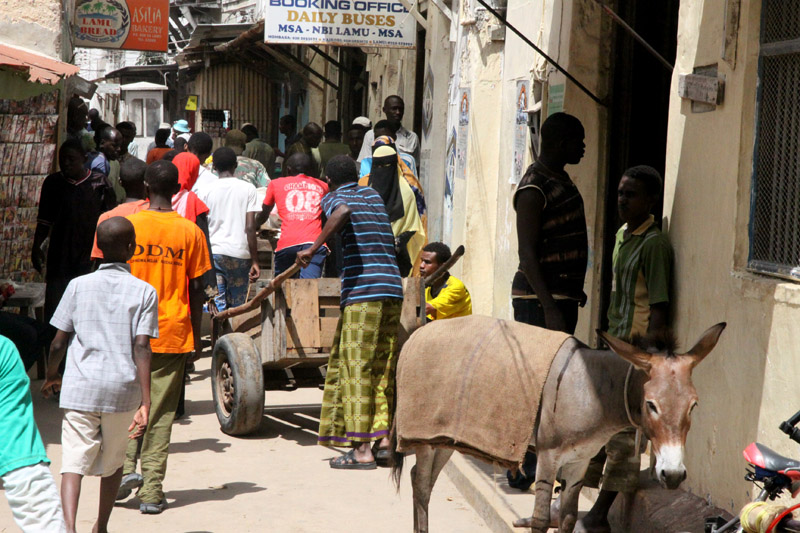
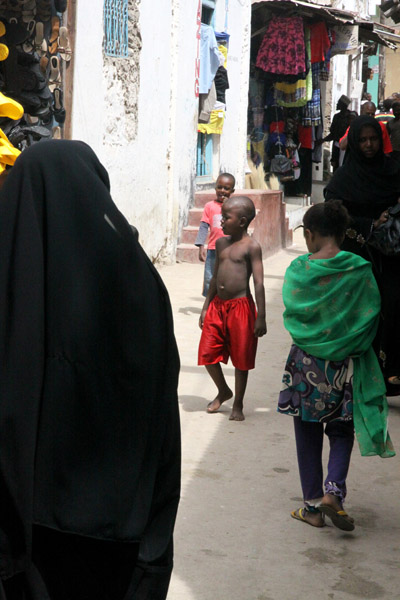
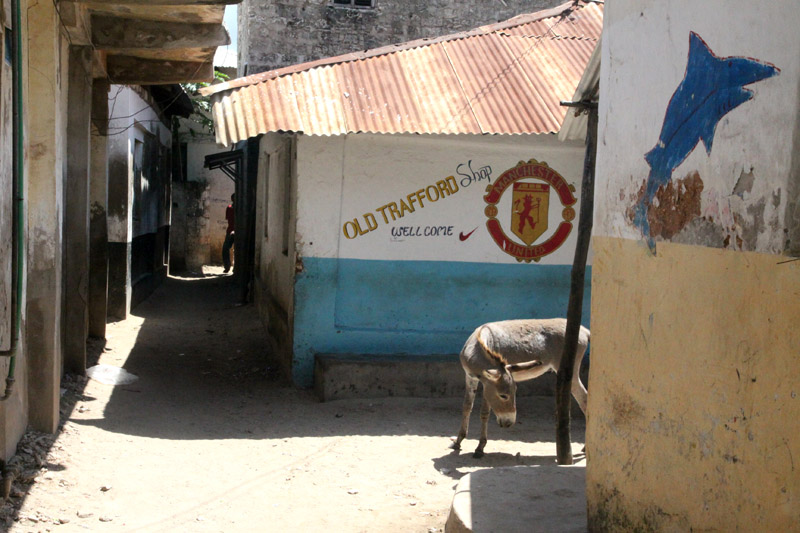
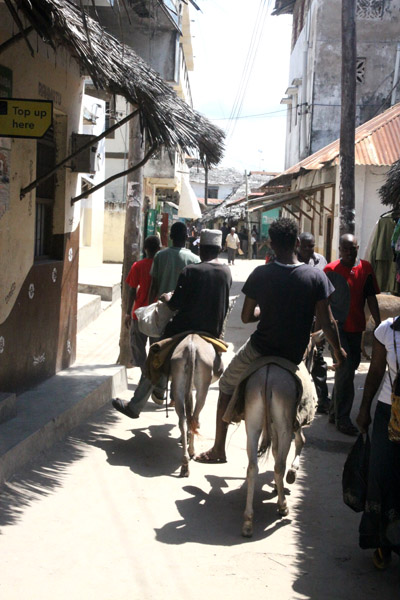
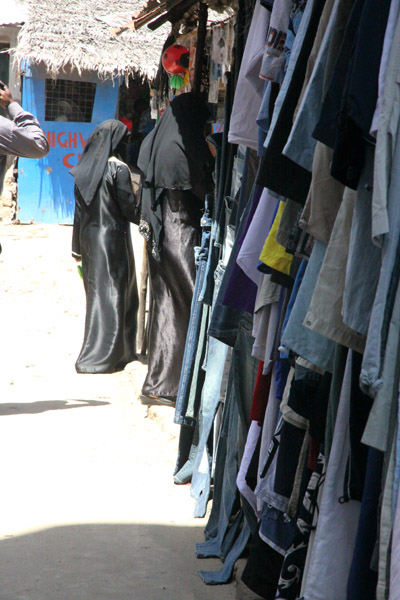
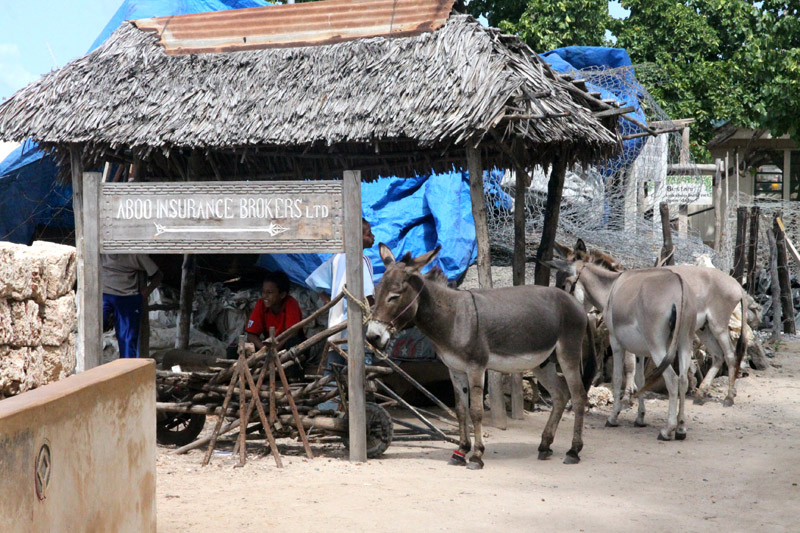
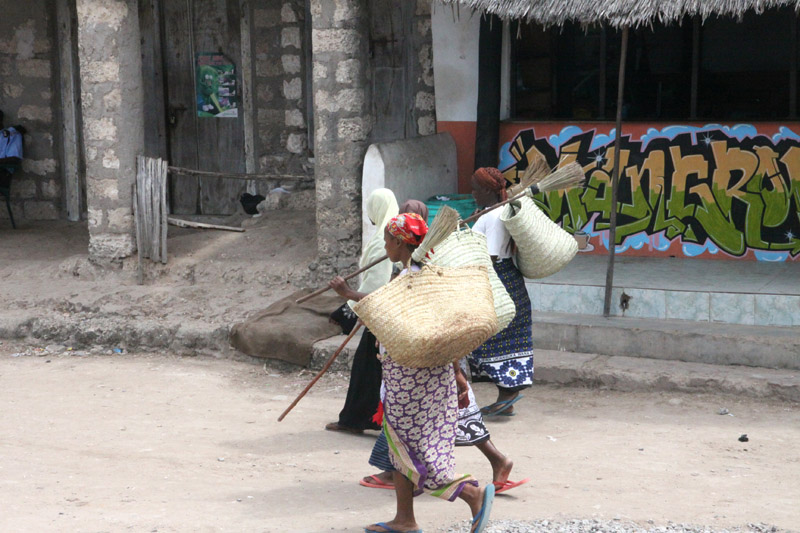
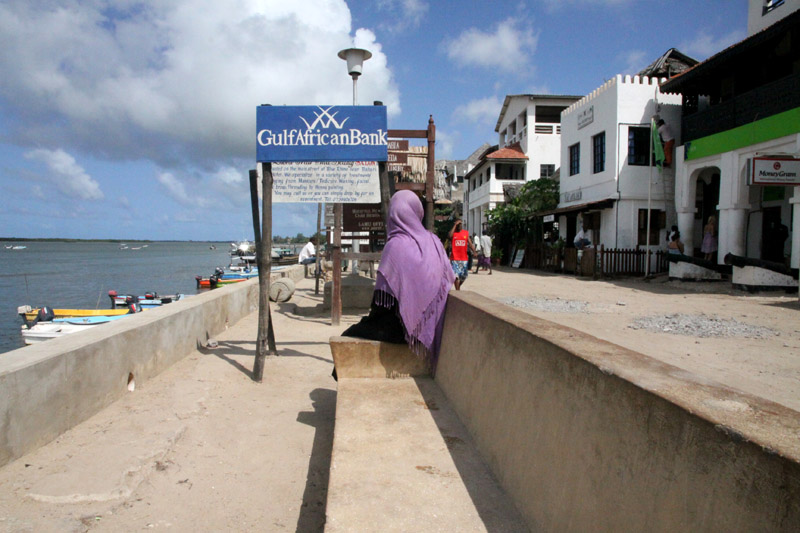
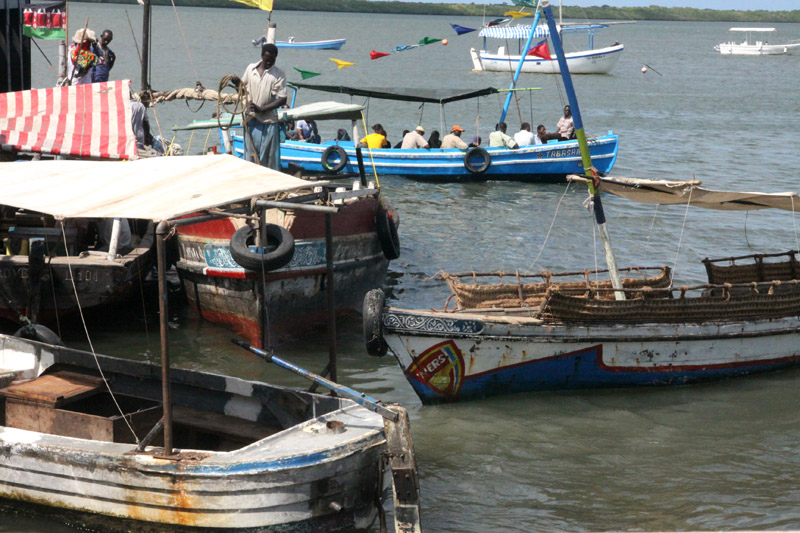
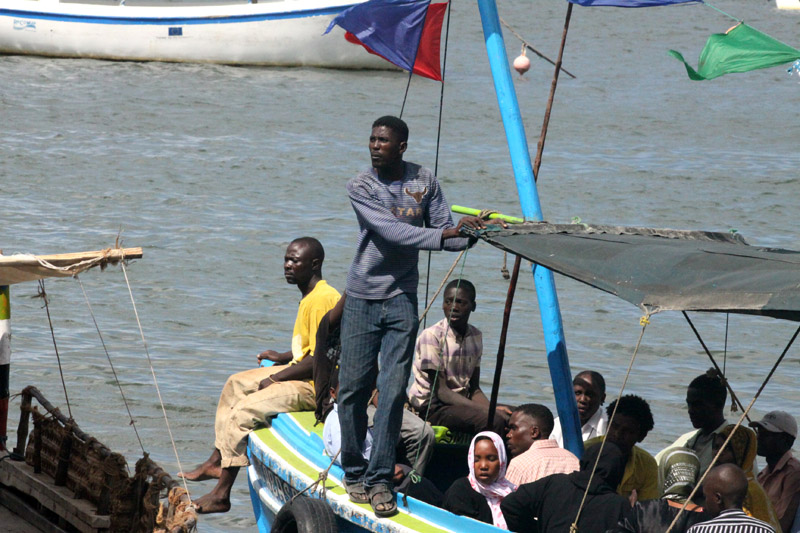
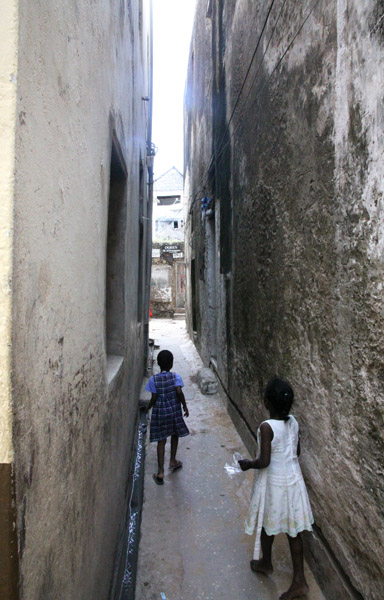
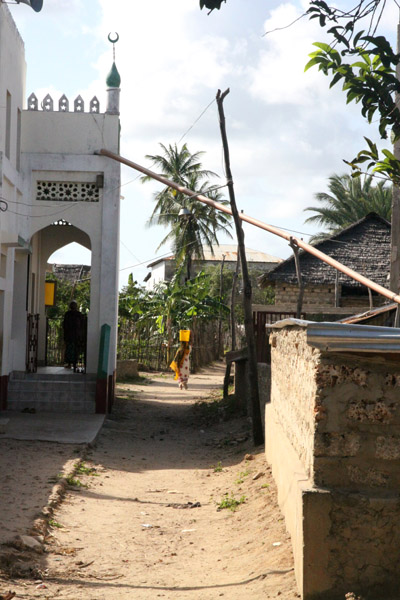
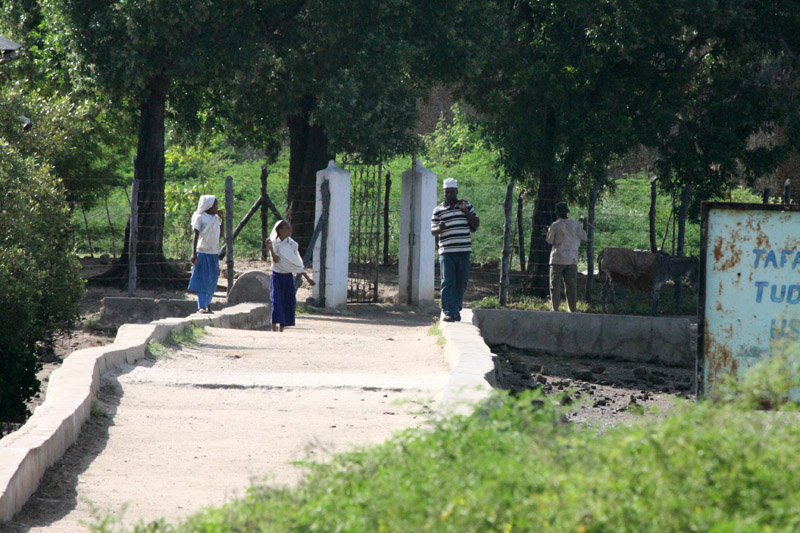
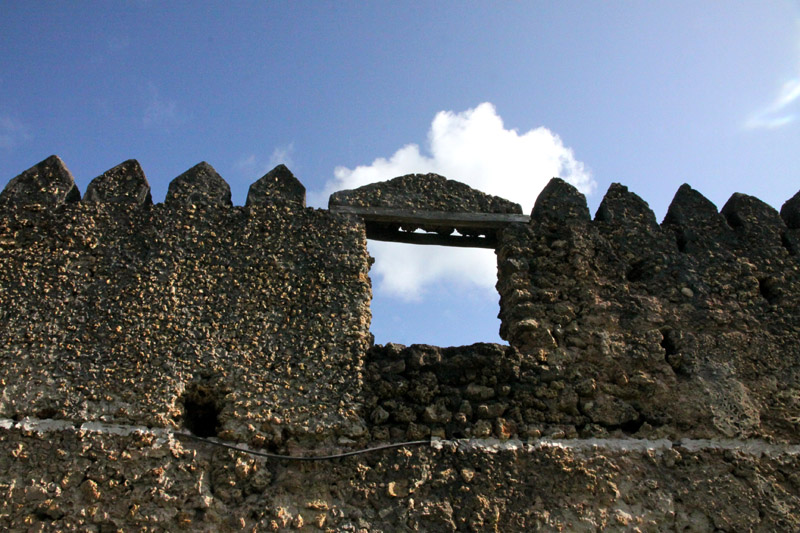
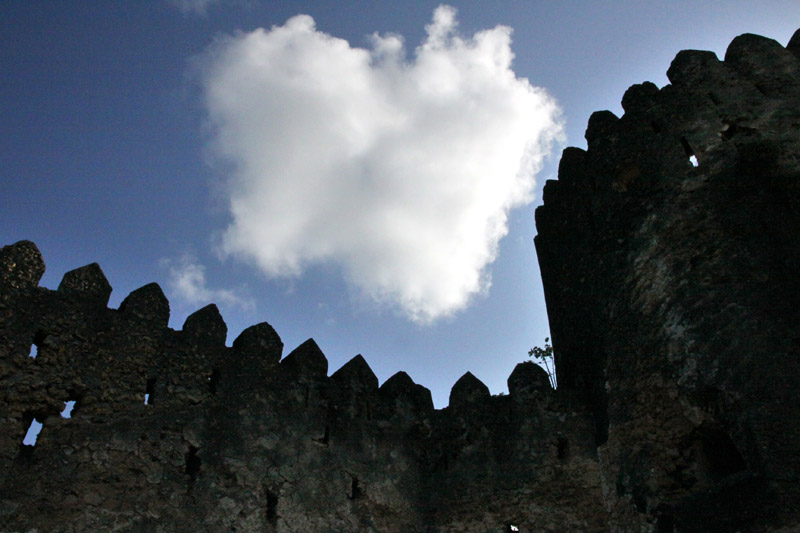
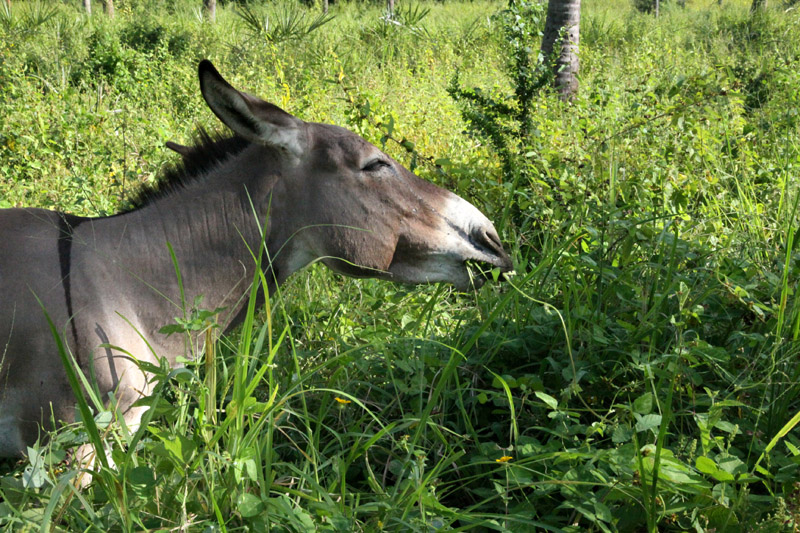
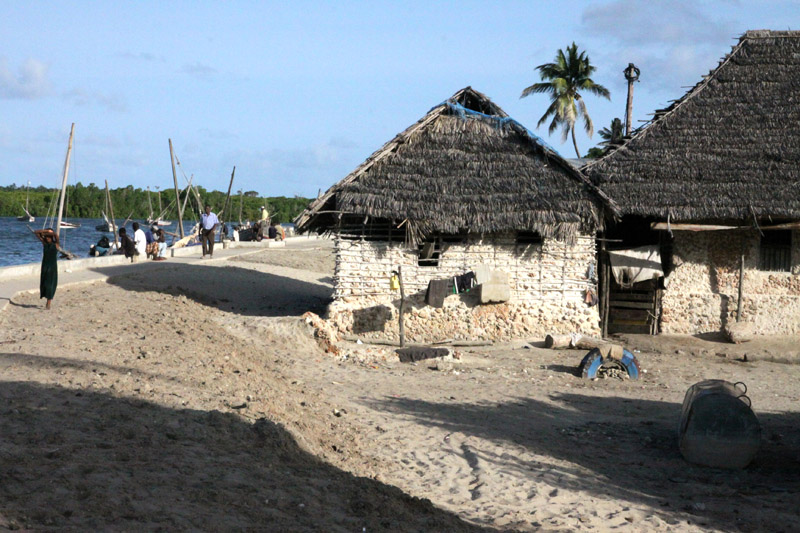
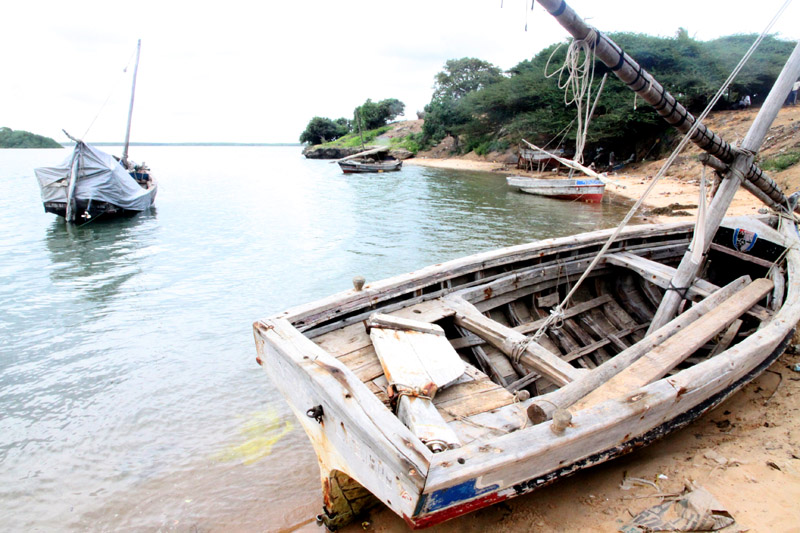
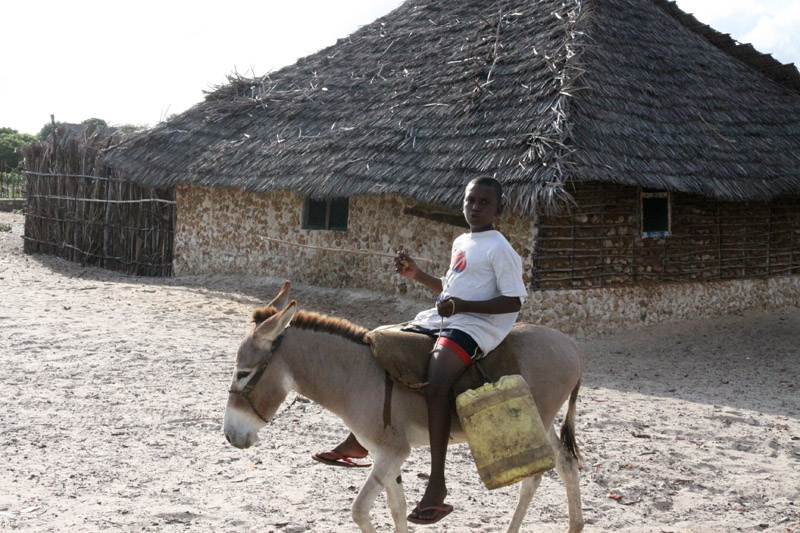
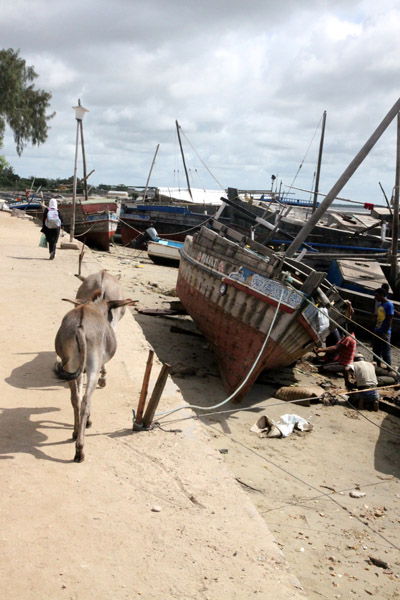
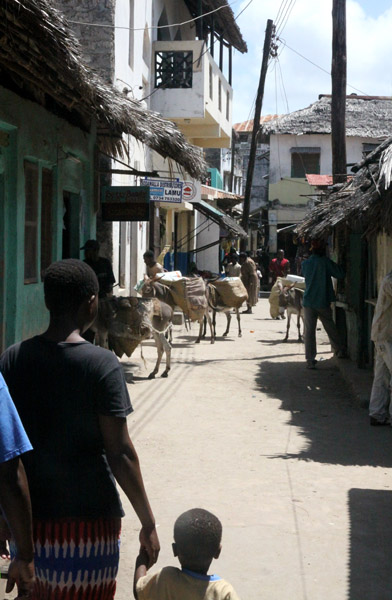
Lamu Island is a part of the Lamu Archipelago of Kenya. Lamu Old Town, the principal inhabited part of the island, is one of the oldest and best-preserved Swahili settlement in East Africa. Built in coral stone and mangrove timber, the town is characterized by the simplicity of structural forms enriched by such features as inner courtyards, verandas, and elaborately carved wooden doors. Lamu has hosted major Muslim religious festivals since the 19th century, and has become a significant center for the study of Islamic and Swahili cultures. The island is linked by boat to Mokowe on the mainland and to Manda Island, where there is an airport. There are no roads on the island, just alleyways and footpaths, and therefore, there are few motorized vehicles on the island. Residents move about on foot or by boat, and donkeys are used to transport goods and materials.
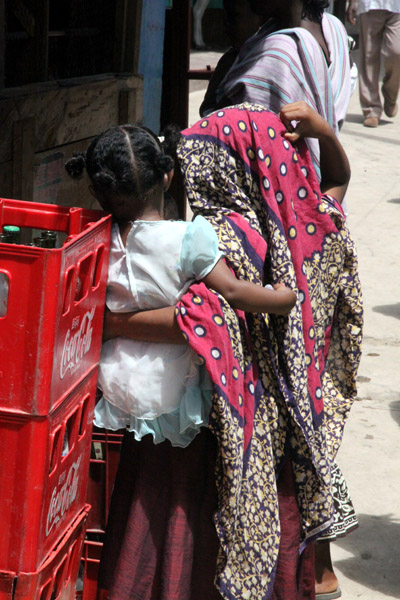
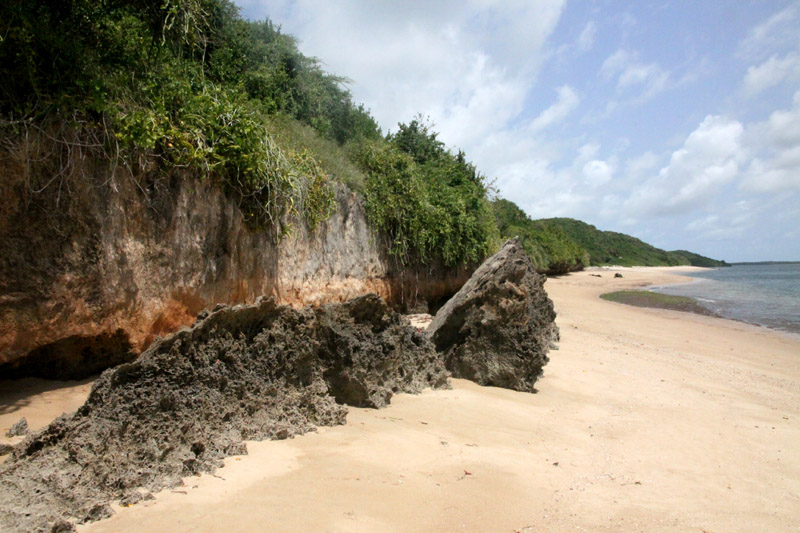
A port was founded on the island of Lamu by Arab traders at least as early as the fourteenth century, when the Pwani Mosque was built. The island prospered on the slave trade. After defeating Pate Island in the nineteenth century, the island became a local power, but it declined after the British forced the closure of the slave markets in 1873. In 1890 the island became part of Zanzibar and remained obscure until Kenya was granted independence from Great Britain in 1963. Tourism developed from the 1970s, mainly around the eighteenth century Swahili architecture and traditional culture.
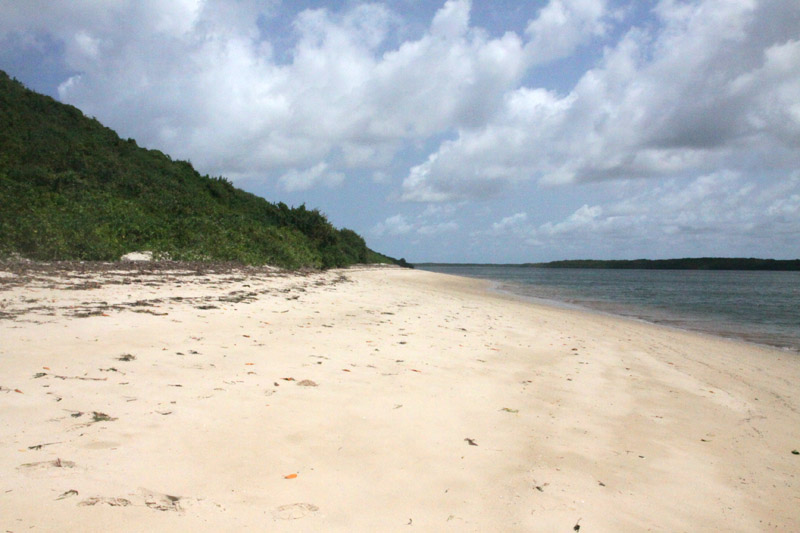
Lamu Old Town was designated as a UNESCO World Heritage site in 2001 base on 3 criterion:

  • The architecture and urban structure of Lamu graphically demonstrate the cultural influences that have come together there over several hundred years from Europe, Arabia, and India, utilizing traditional Swahili techniques to produce a distinct culture.
  • The growth and decline of the seaports on the East African coast and interaction between the Bantu, Arabs, Persians, Indians, and Europeans represents a significant cultural and economic phase in the history of the region which finds its most outstanding expression in Lamu Old Town.
  • Its paramount trading role and its attraction for scholars and teachers gave Lamu an important religious function in the region. It continues to be a significant centre for education in Islamic and Swahili culture.

Source: Wikipedia (under GNU Free Documentation License)

Categories
Kenya

Pate Island II

Pate island or Paté island is located in the Indian Ocean close to the northern coast of Kenya, to which it belongs. It is the largest island in the Lamu Archipelago, which lie between the towns of Lamu and Kiunga, close to the border with Somalia.

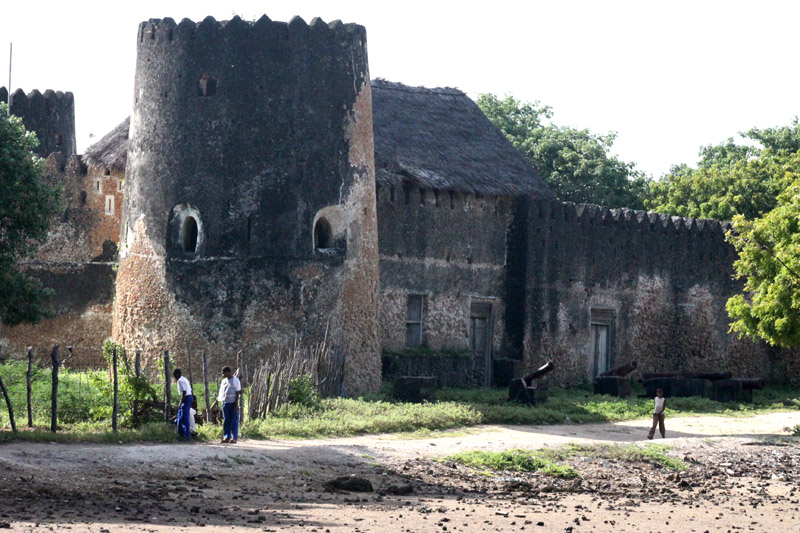
From the seventh century, Paté island was an early site of Arabic colonisation. It long vied as a Swahili port with Lamu and with Takwa on Manda Island and came to prominence around the fourteenth century, but was subjugated by Lamu in the nineteenth century.

There is no motorized transport on the island. The main administrative centre on the island, with the police station, is Faza.

Source: Wikipedia (under GNU Free Documentation License)

Categories
Kenya

Elephant Island

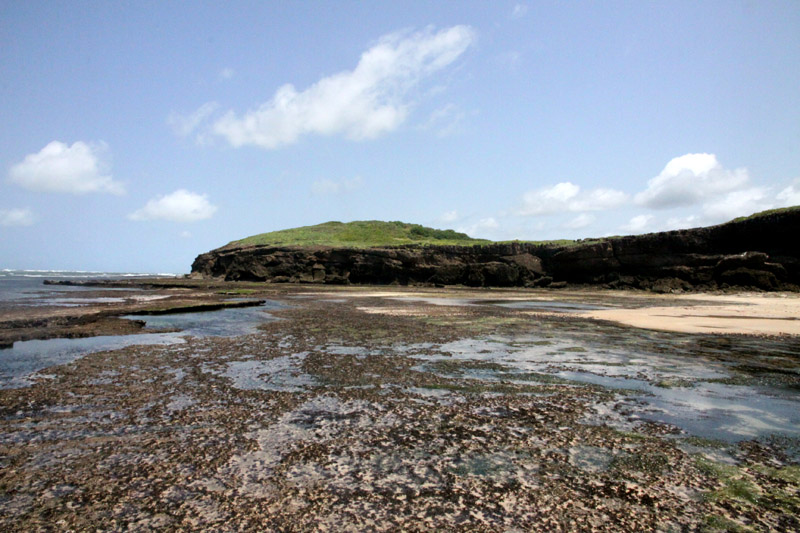
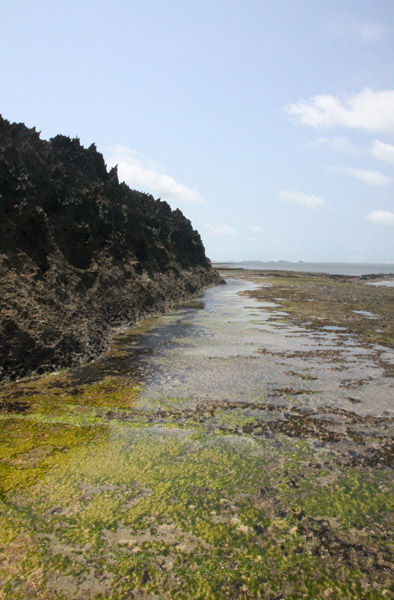
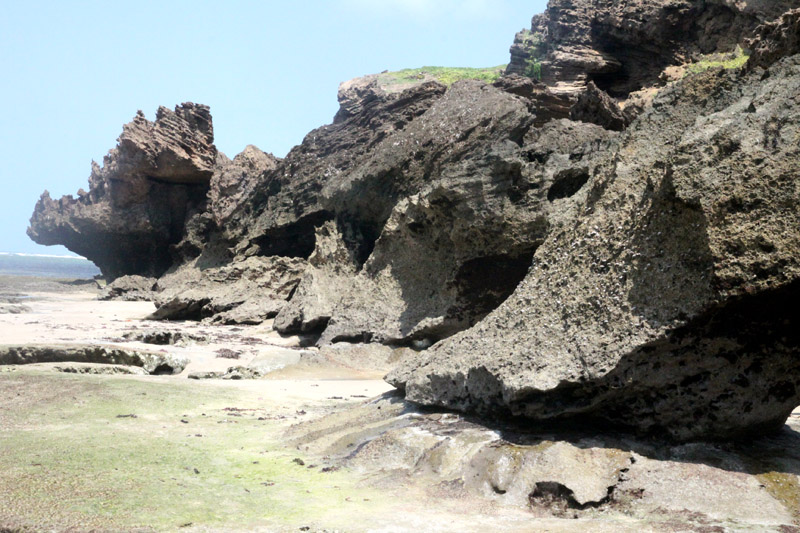
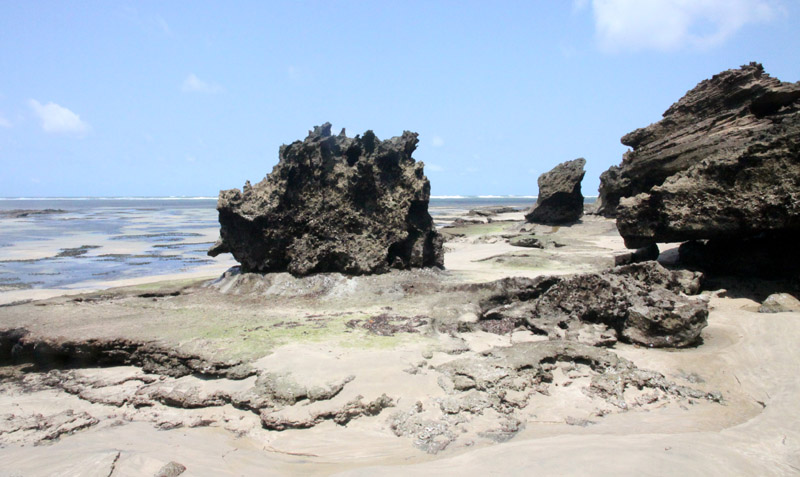
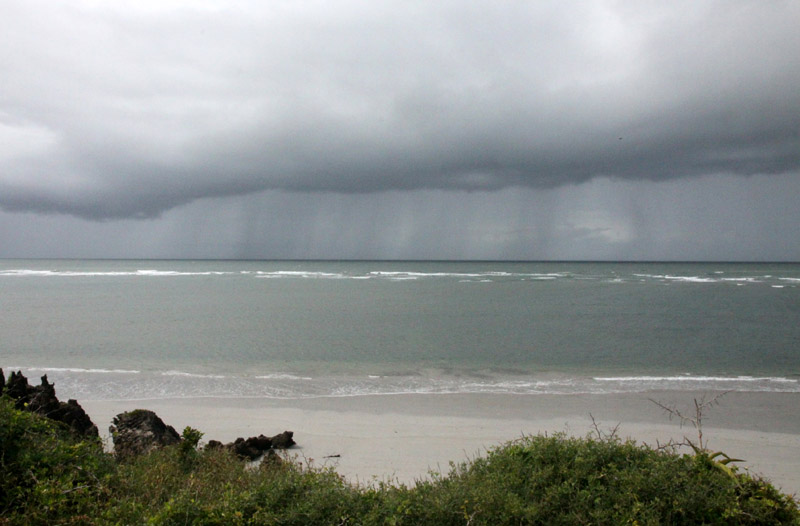
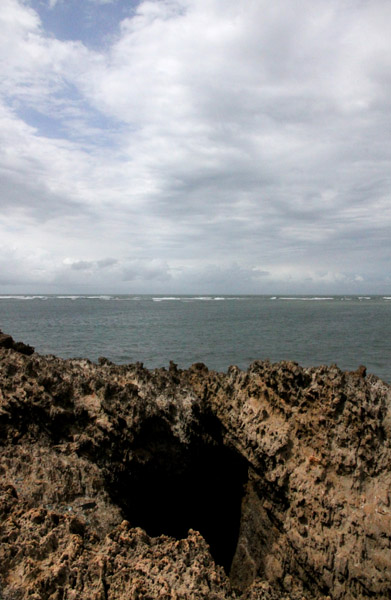
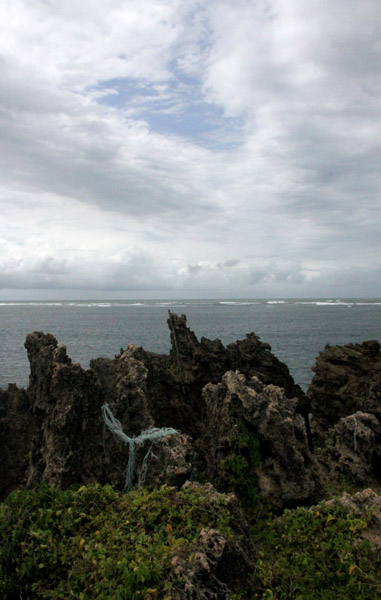
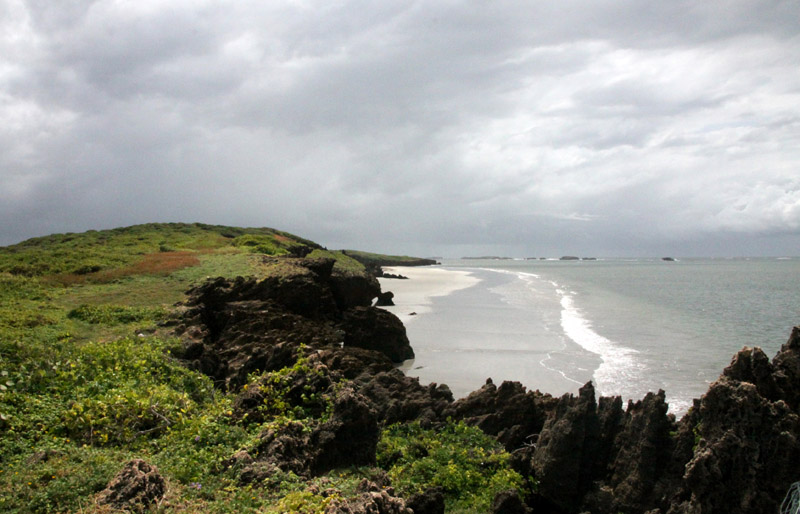
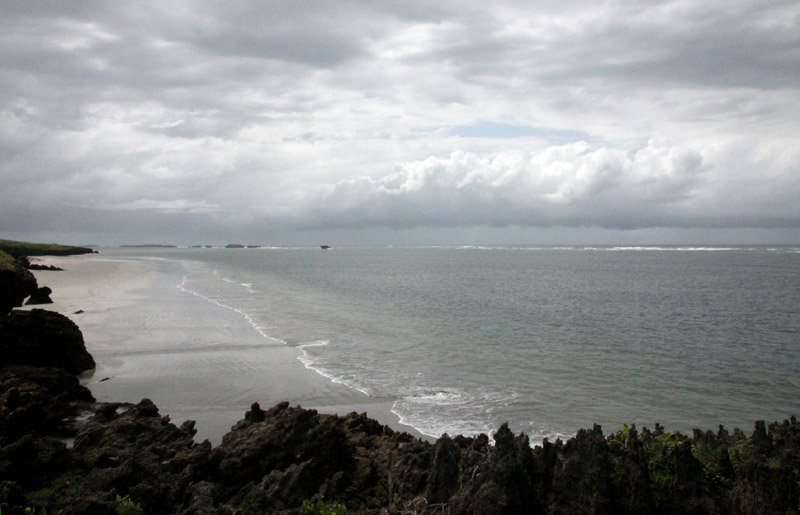
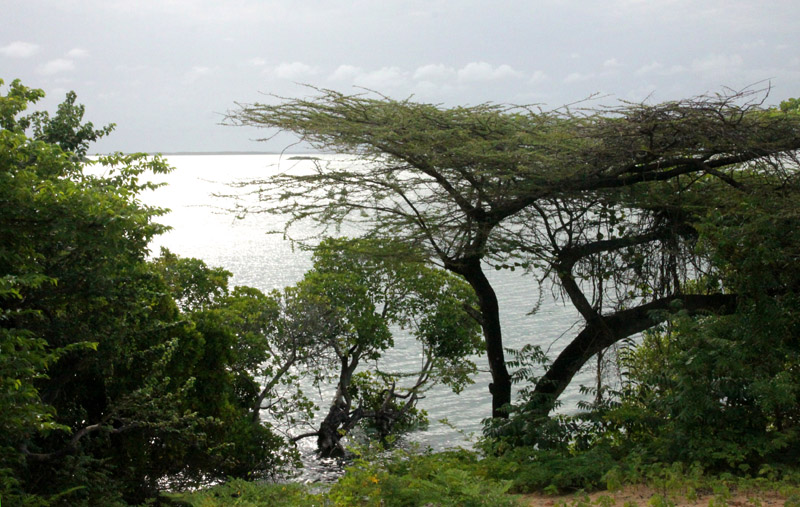
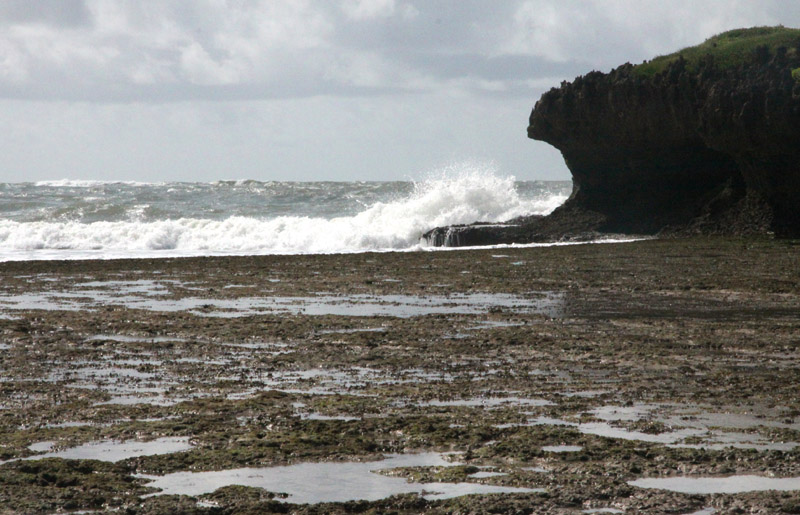
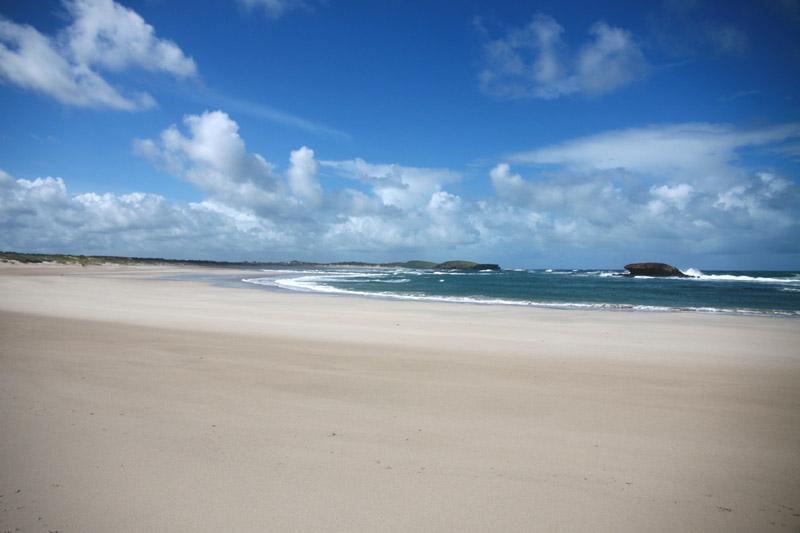
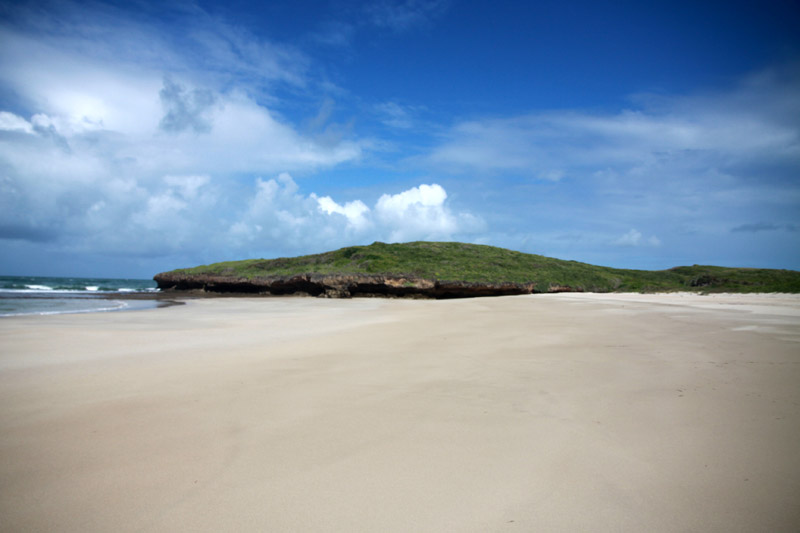
The name of this island originates from the belief that it was allegedly inhabited by elephants. It is hard to believe as the island is inaccessible – their shore is guarded by sharp rocks which we found extremely difficult to climb. We travelled across the island twice. First we climbed an unwooded and bushy mountain where I had to watch out for sharp acacia’s thorns and pieces of rock hidden under grass. Later on, we walked along a lovely shore where we met two natives from the village (from the mainland as the Elephant Island is deserted) who collected birds’ eggs. Probably I was the first Pole on the island.

Categories
Kenya

Ngazin Island

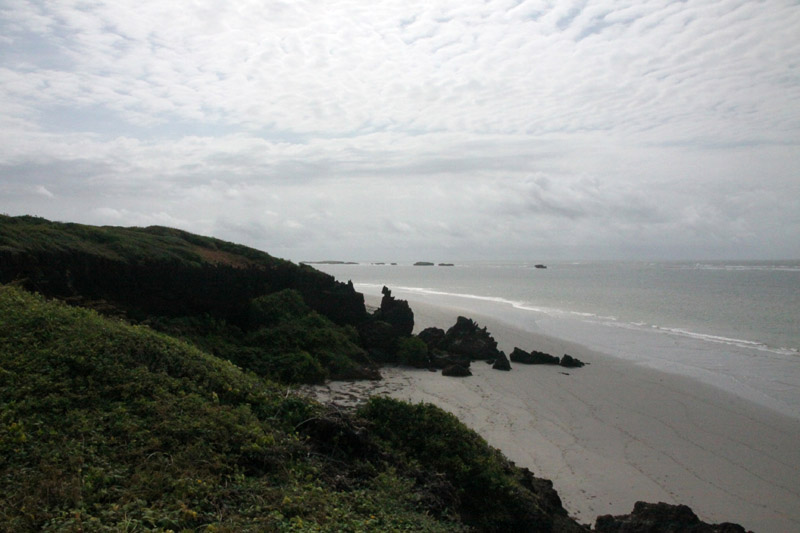
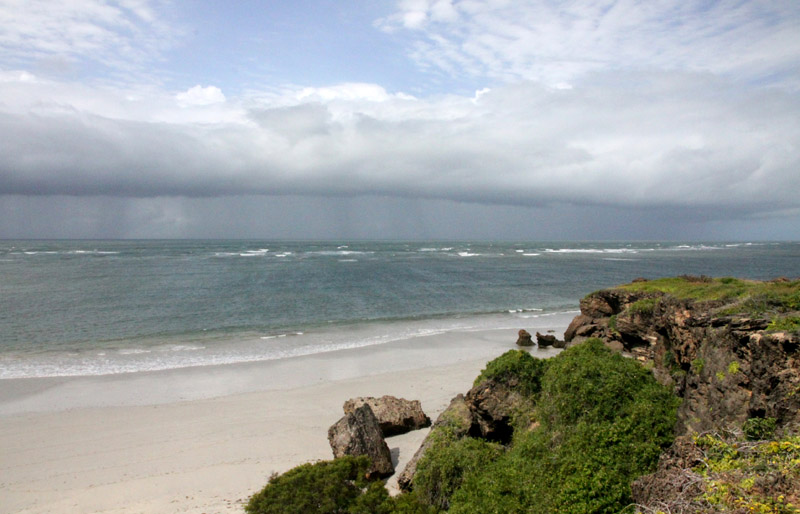
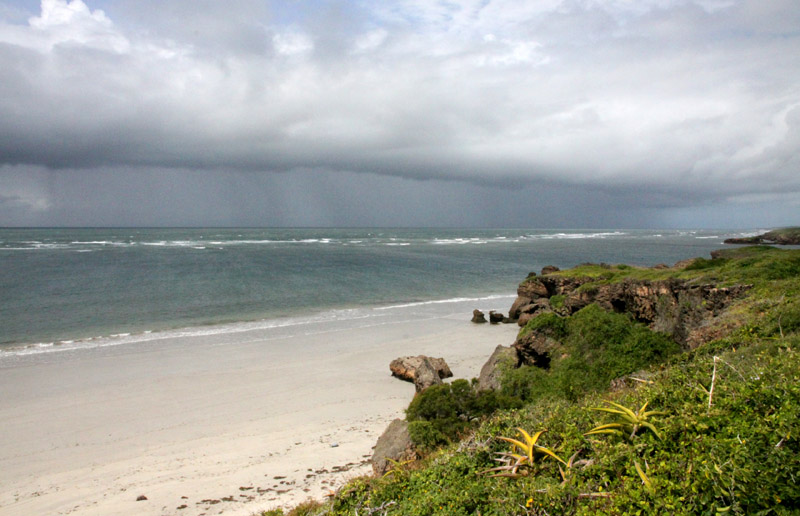
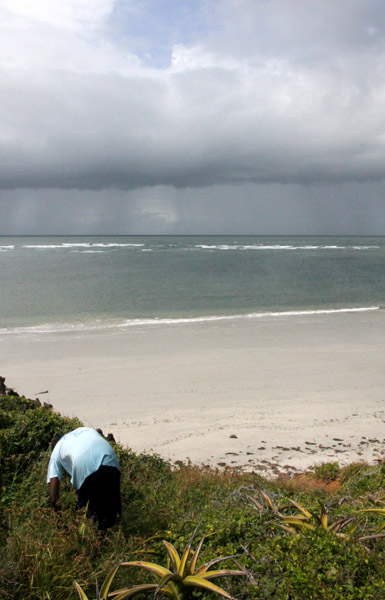
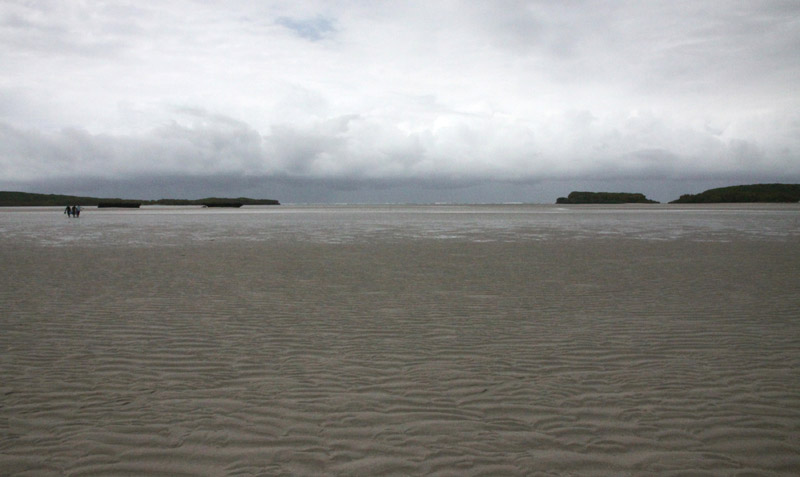
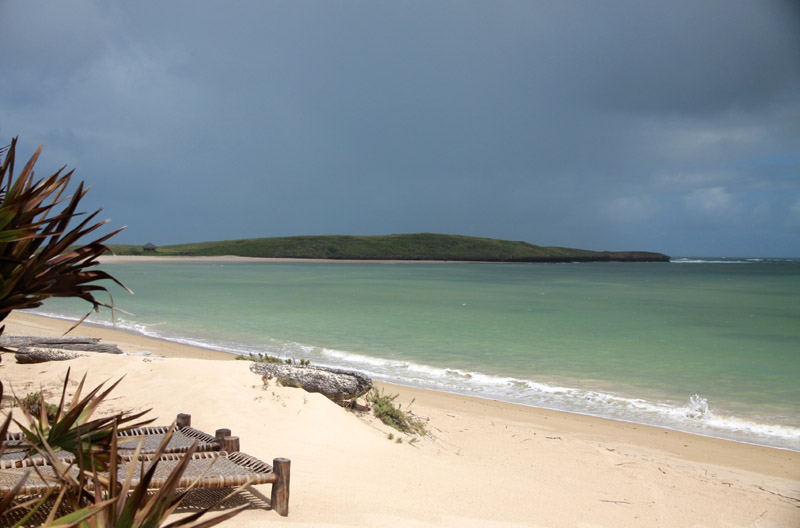
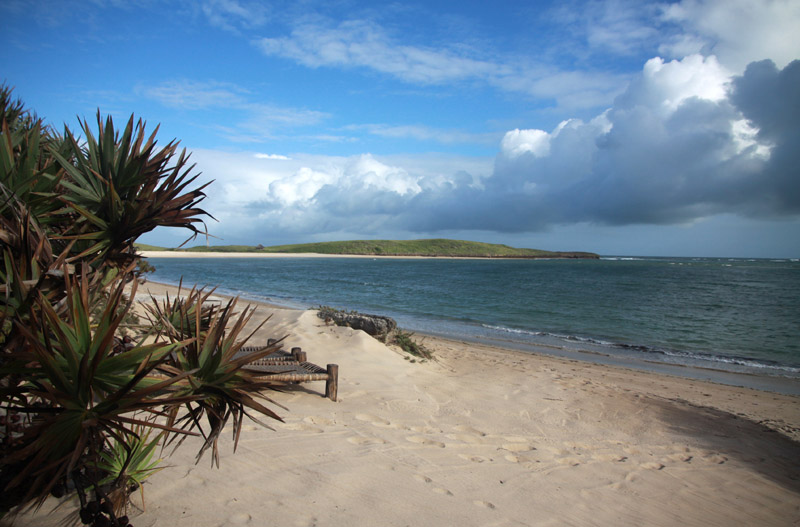
In order to reach the island, we canoed across the bay, which was pretty easy but turned much more difficult in the end. This island is hardly ever visited and the bush overgrew the paths long time ago. I tried to find the way out together with my guide but acacia’s thorns were everywhere and they fiercely guarded every square inch of land. After many attempts to move forward, my guide was so unlucky that he cut his leg with acacia’s thorns and blood poured down his leg. Then, I decided to retreat. On our way back we were caught in a tropical thunderstorm. We did not manage to cross the island but the views were fabulous. I was probably the first Pole to have visited the island and, in the guide’s opinion, one of few people from outside Africa.

Categories
Kenya

Kiwayu Island

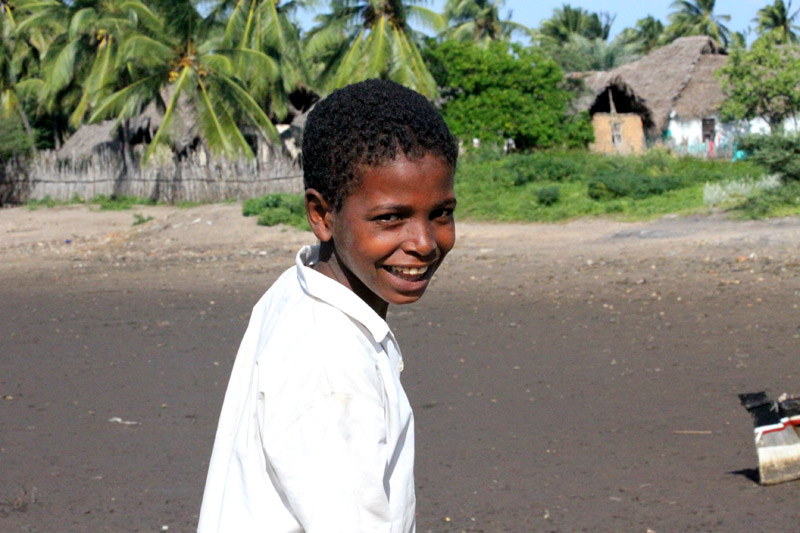
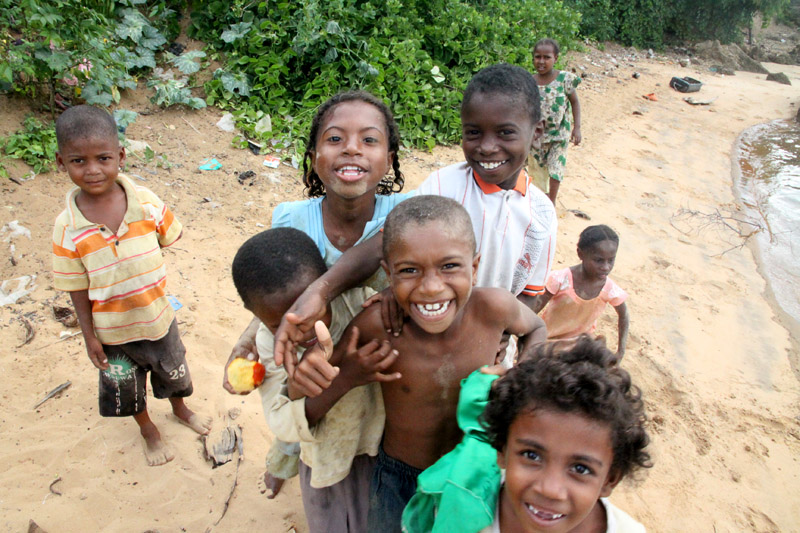
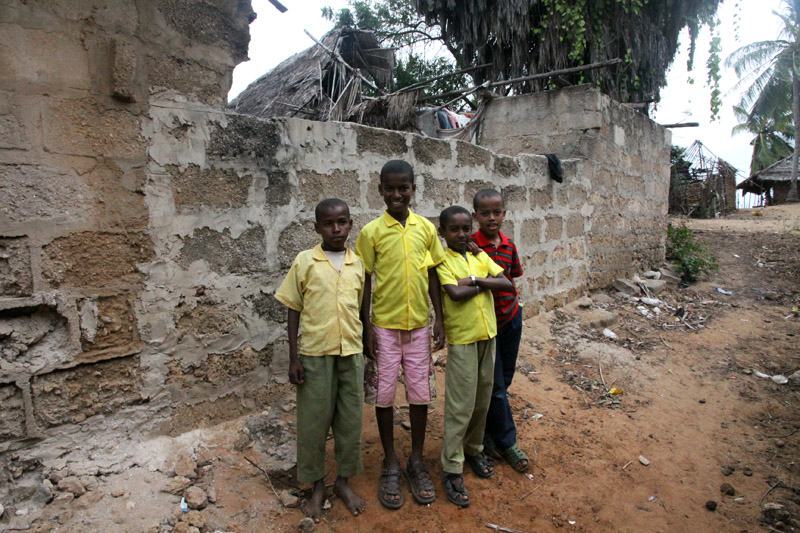
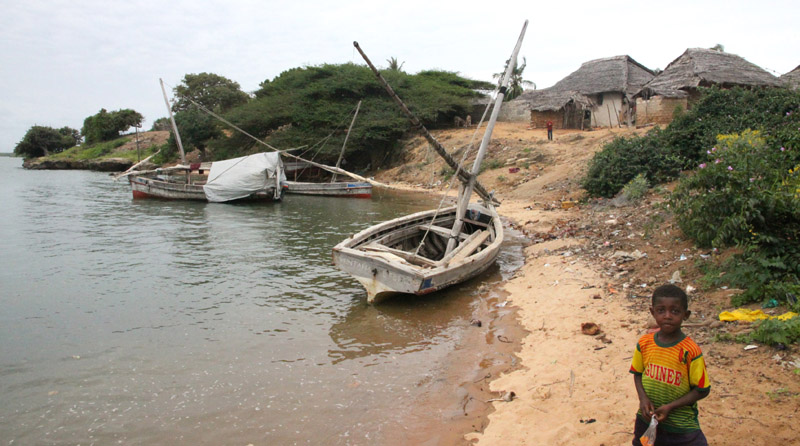
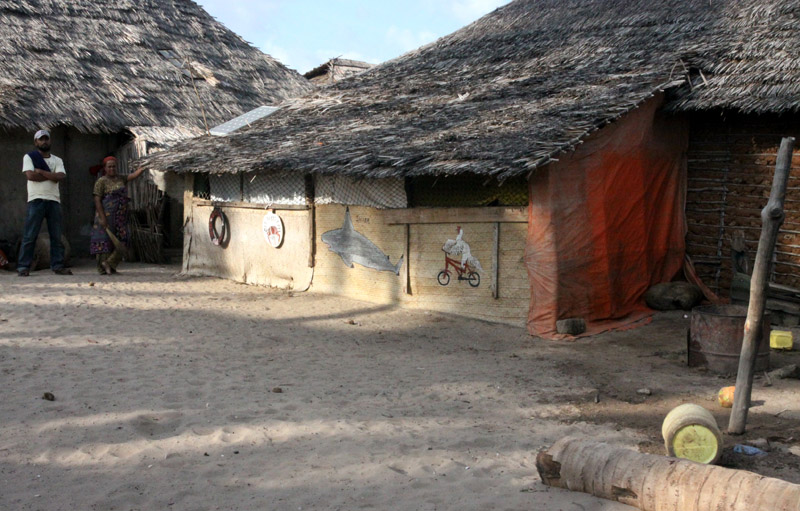
An easily accessible island with only two villages. The bigger one has a school and is inhabited by about 400 people, the smaller one is situated about 90 minute-journey away and is inhabited by about 100 people. The children go to school through the bush. The natives live very modest lives but they take particular care of cleanliness. I had a very long and interesting conversation with one of my boat cox’s wives in the bigger village. We talked about different religions and politics. It was a unique experience for me to sit in a simple hut and talk to such an intelligent woman.

Categories
Kenya

Kiwayu

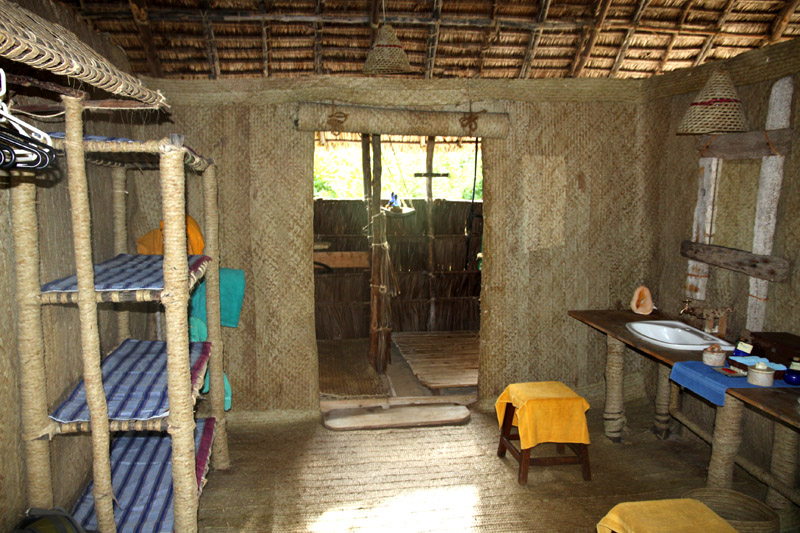
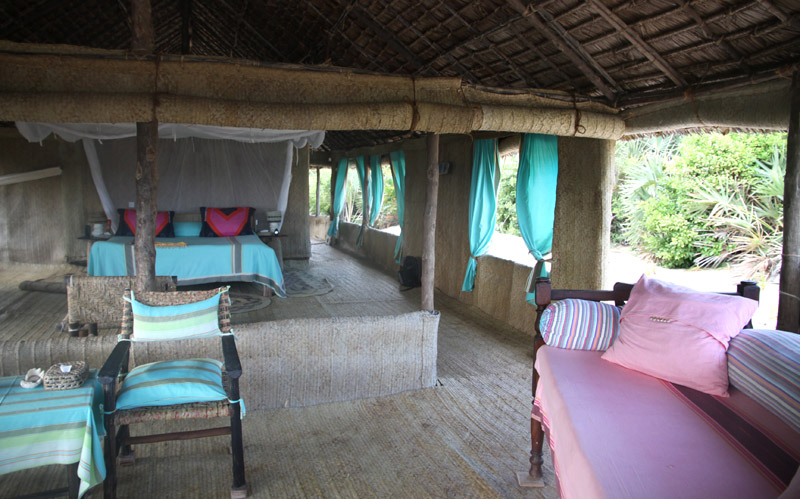
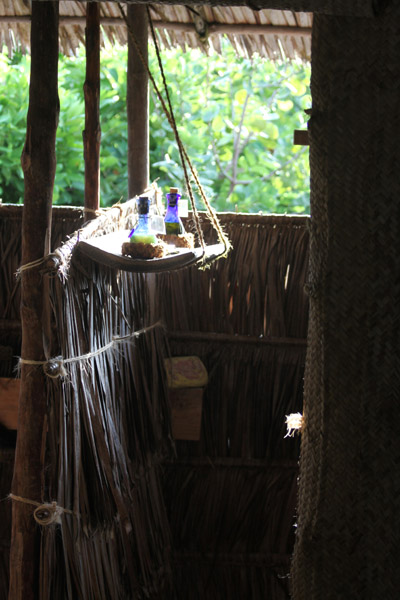
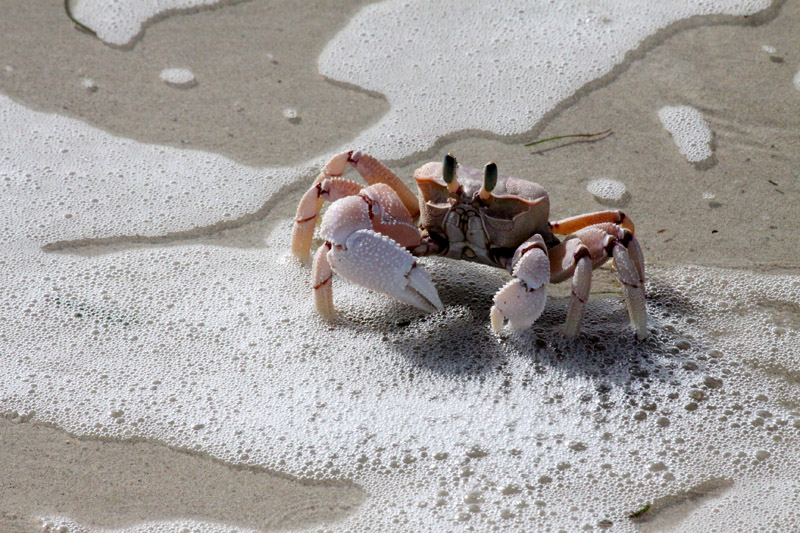
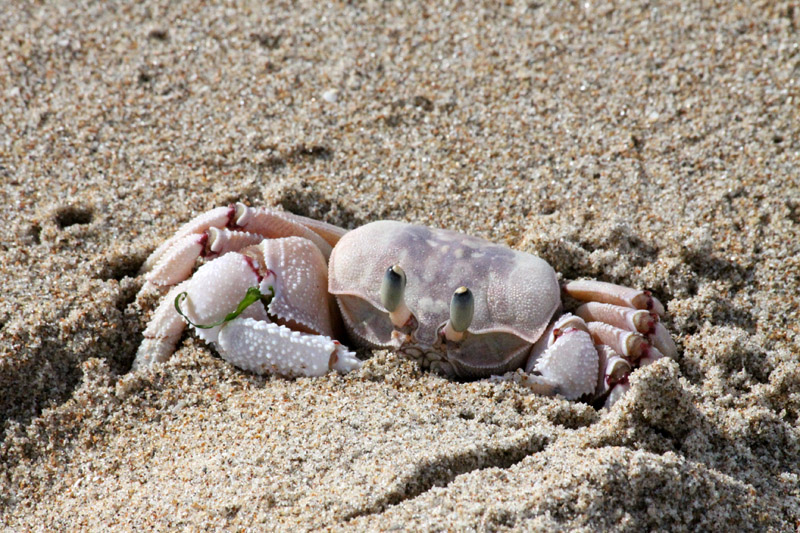
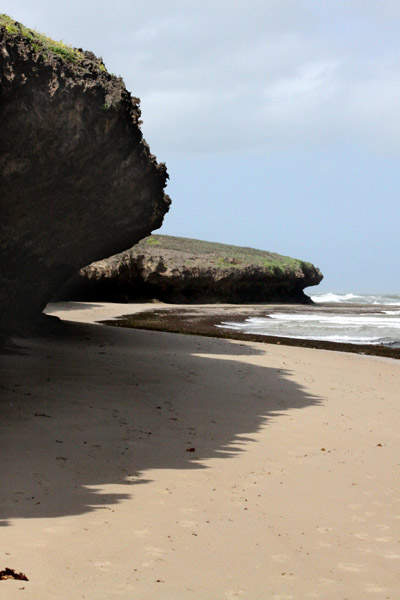
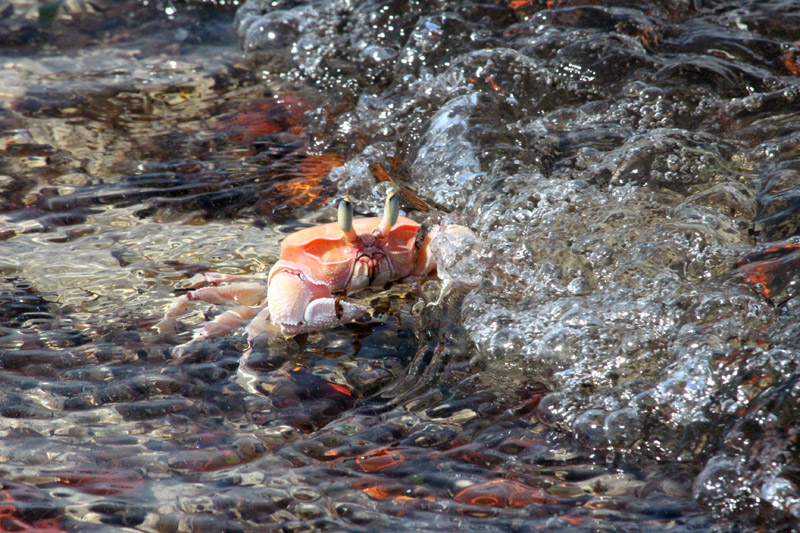
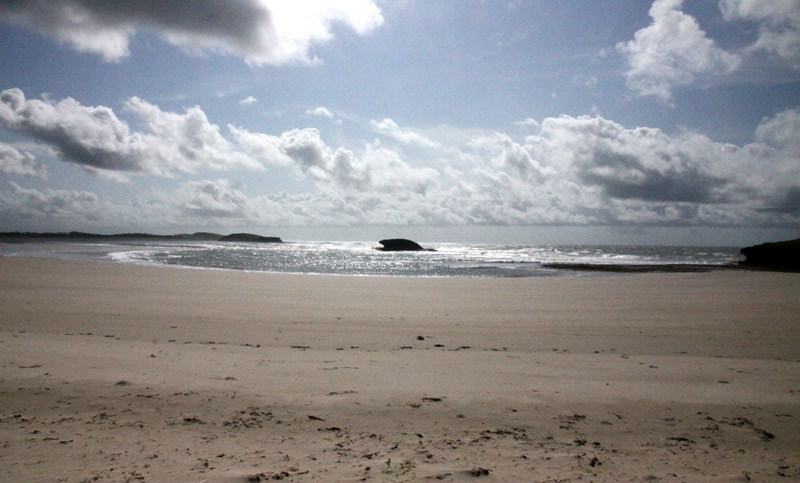
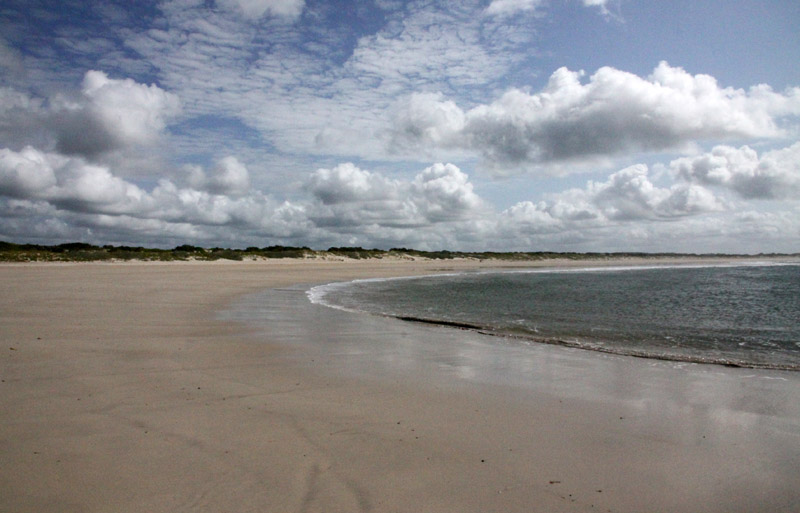
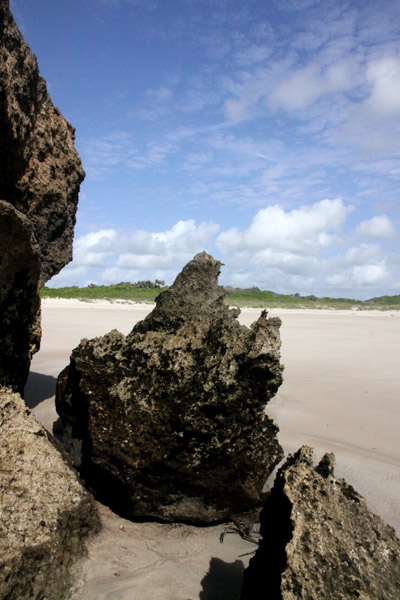
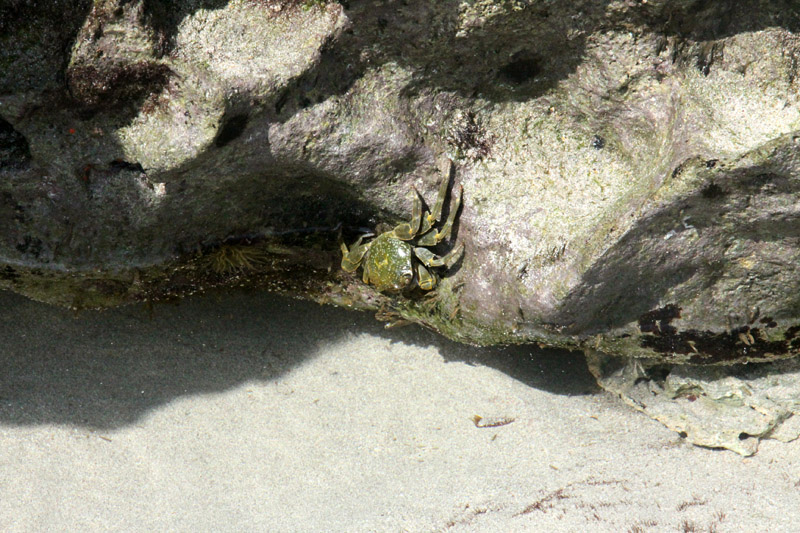
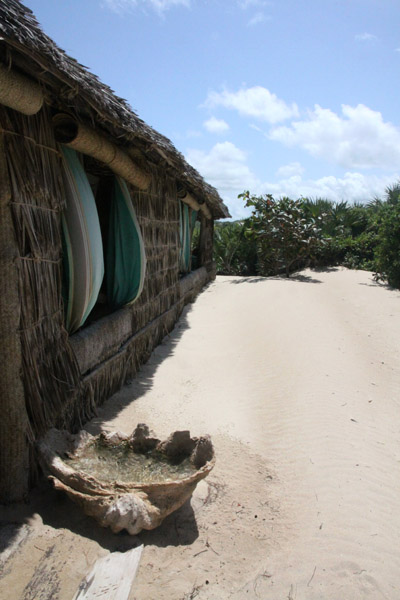
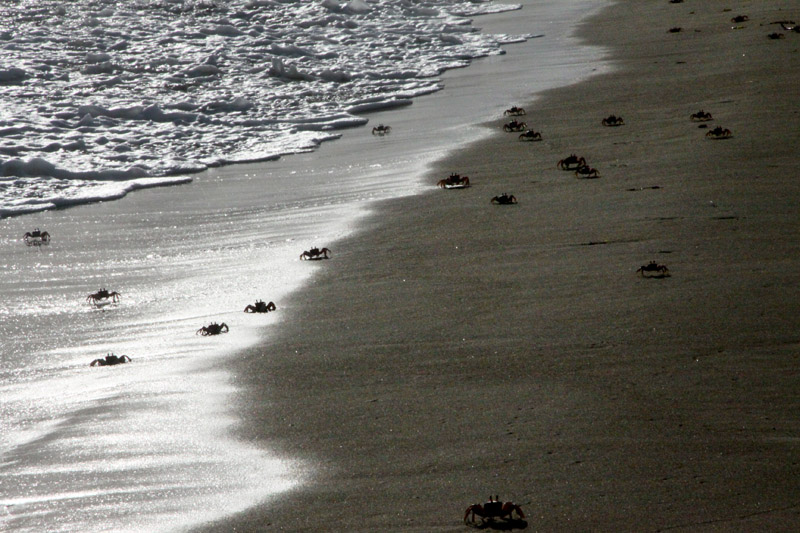
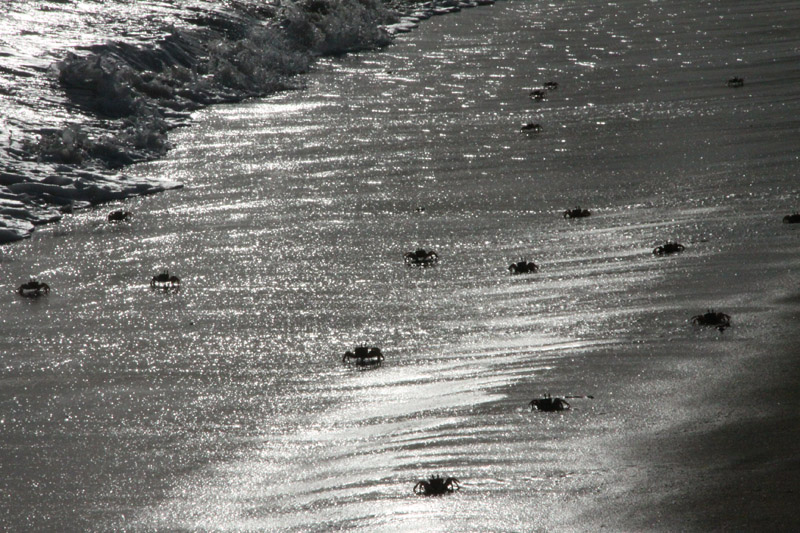
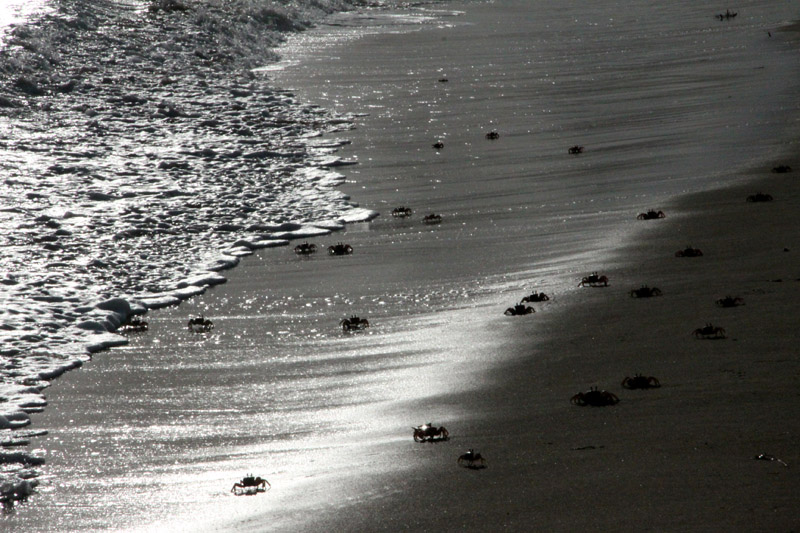
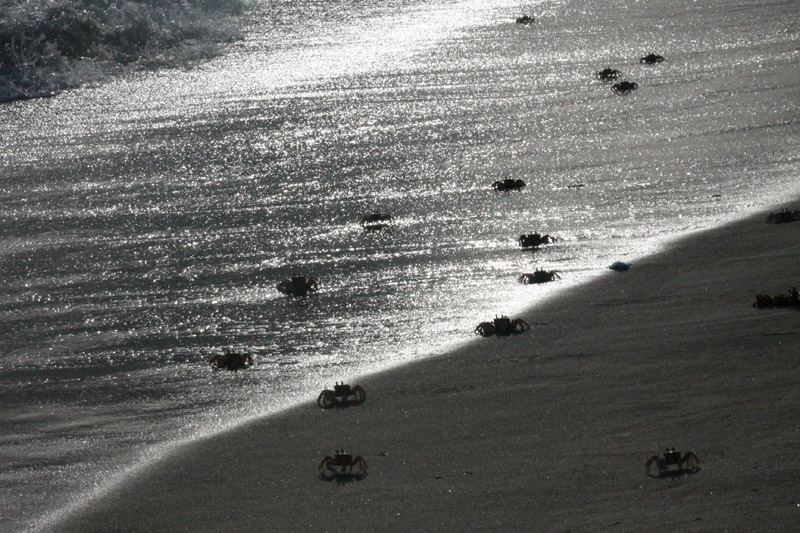
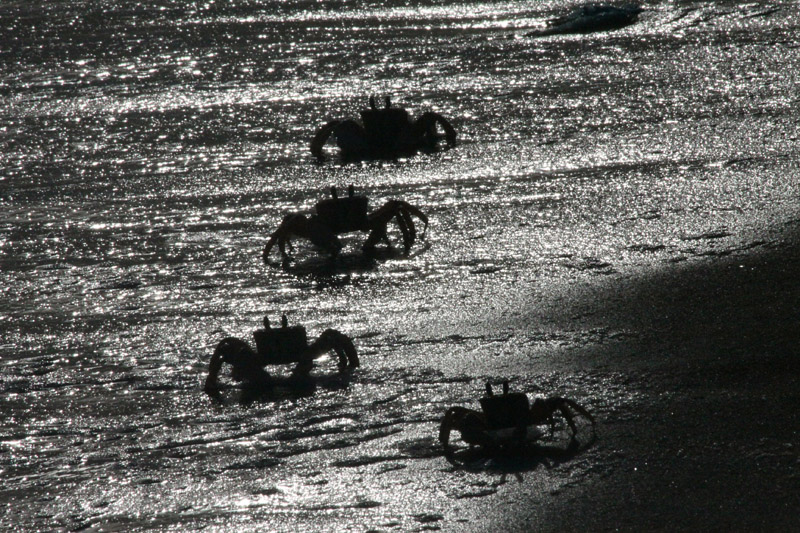
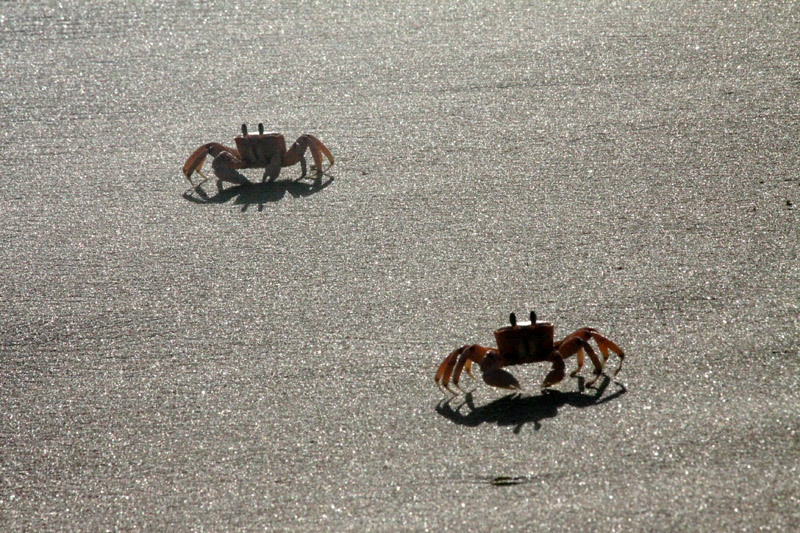
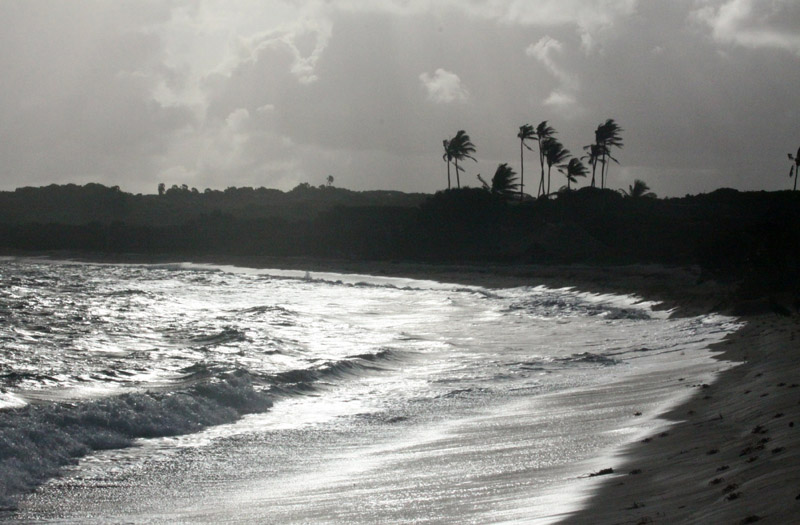
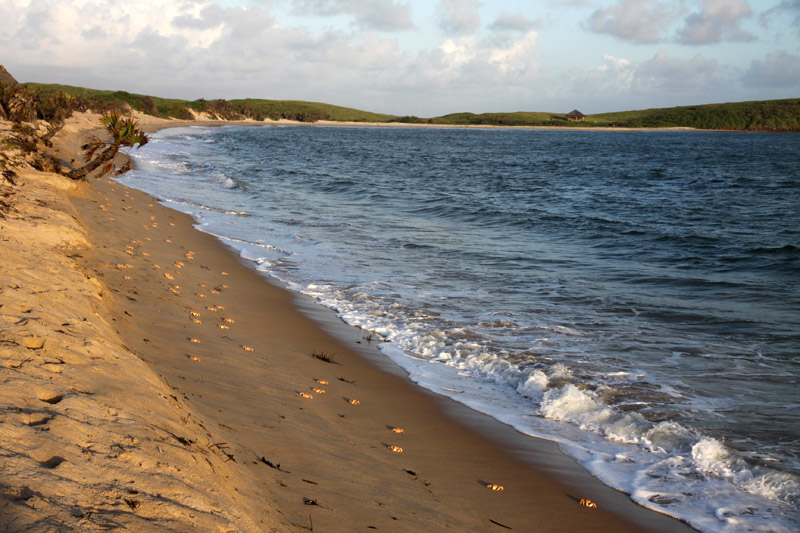
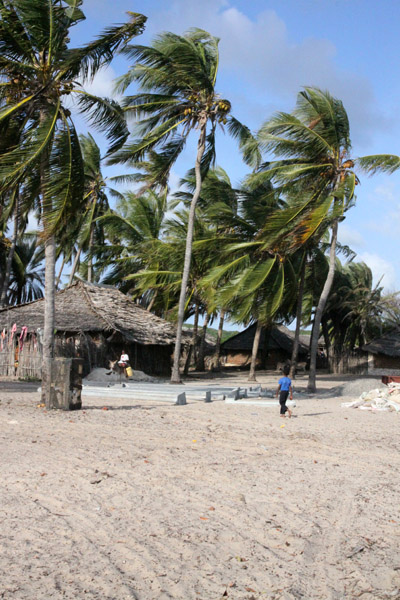
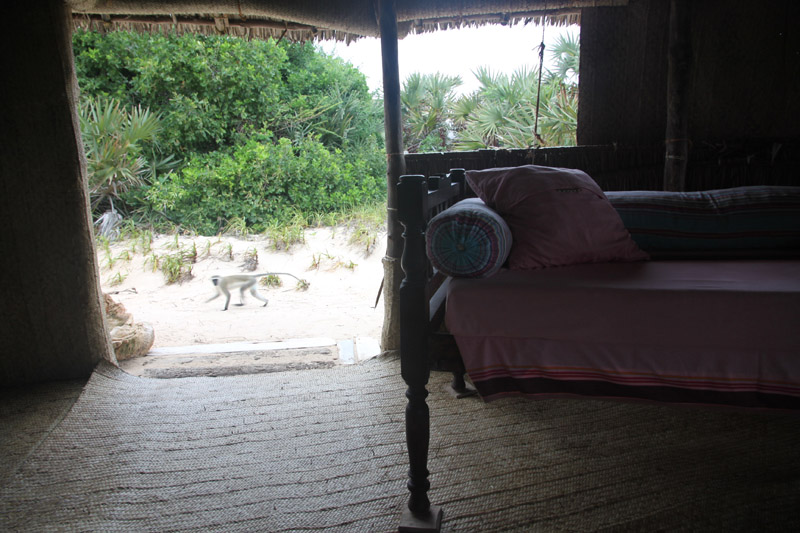
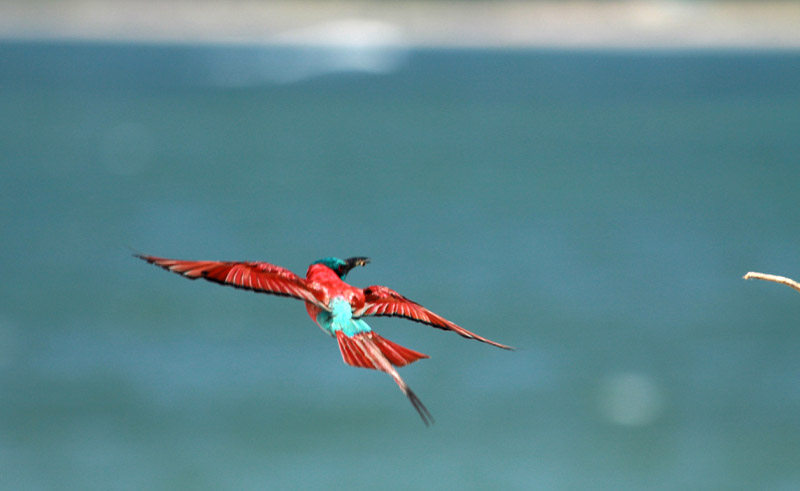
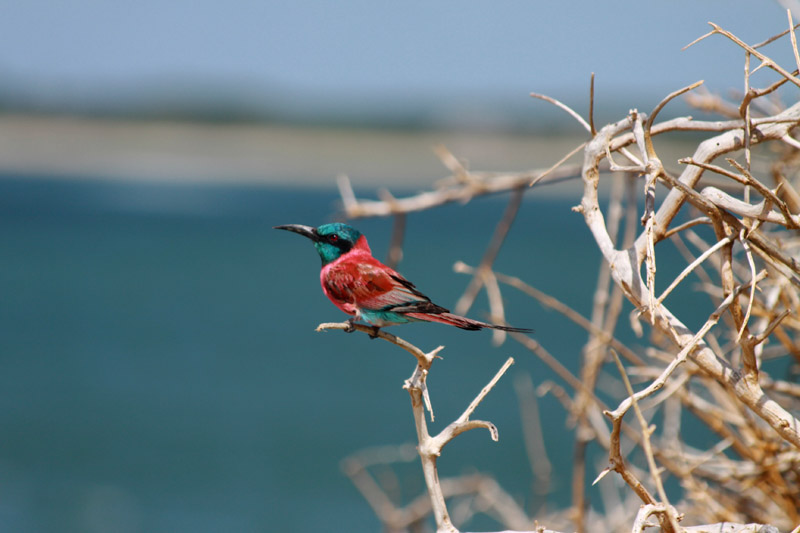
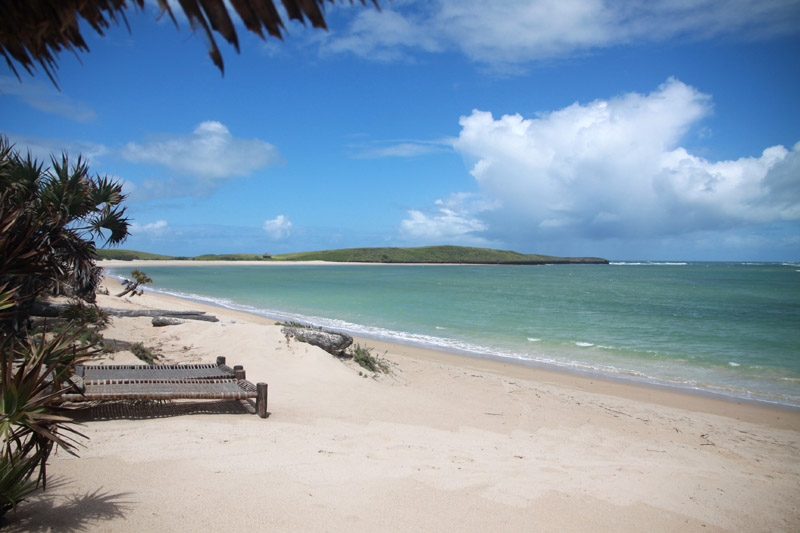
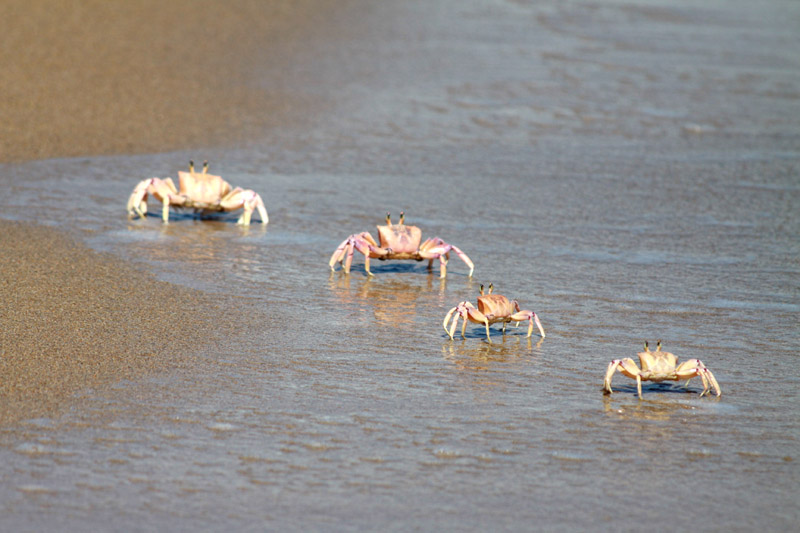
I came up with the idea of a journey to Kiwayu right after I came back from Lamu this year in March. I was amazed by this archipelago and I felt I needed to go back. I can describe Kiwayu as a place where a lovely wind still blows (it is important because the huts do not have any doors or windows and they are air-conditioned in a natural way), and you can meet thousands of red crabs on the beach.

It is a tremendous place where very friendly and helpful owners of Kivayu Safari Village live.

Categories
Guinea-Bissau

Bissau

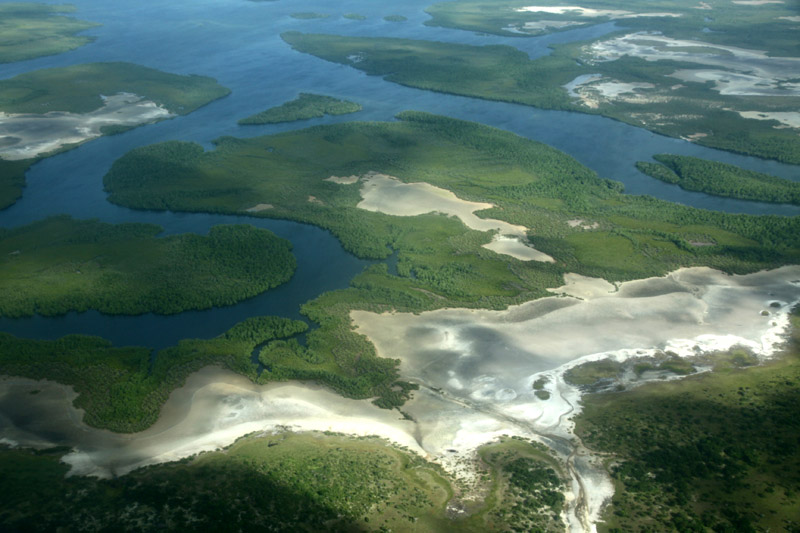
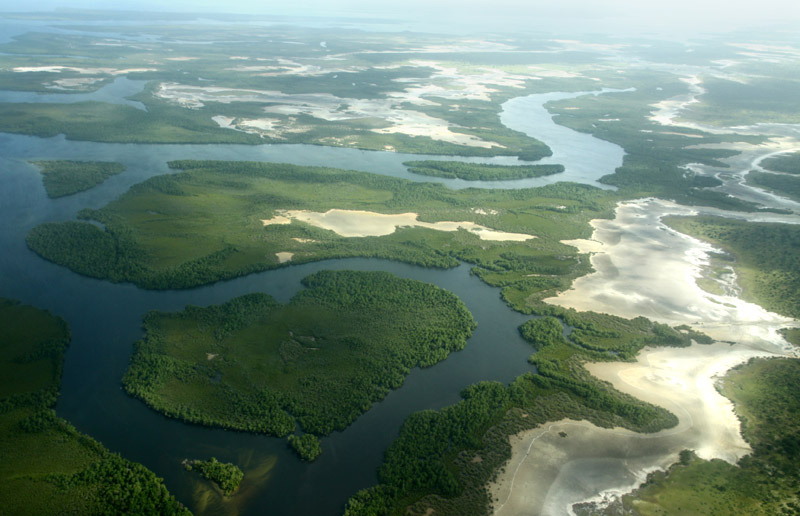
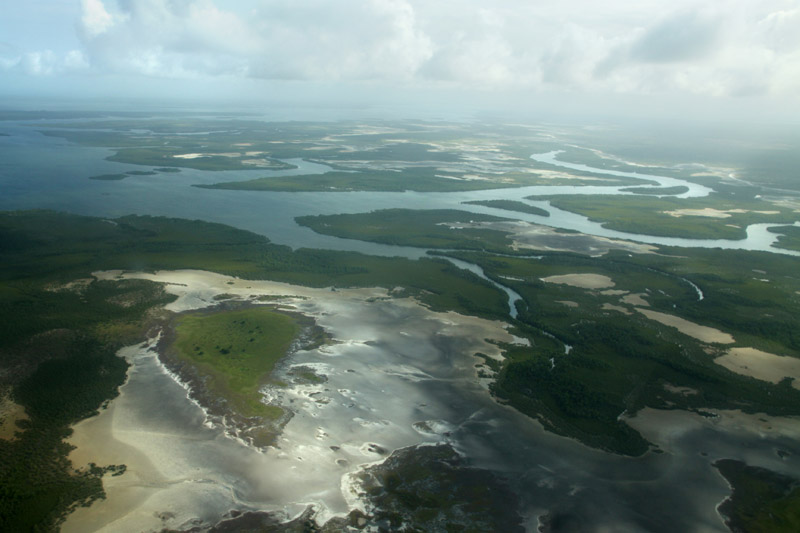
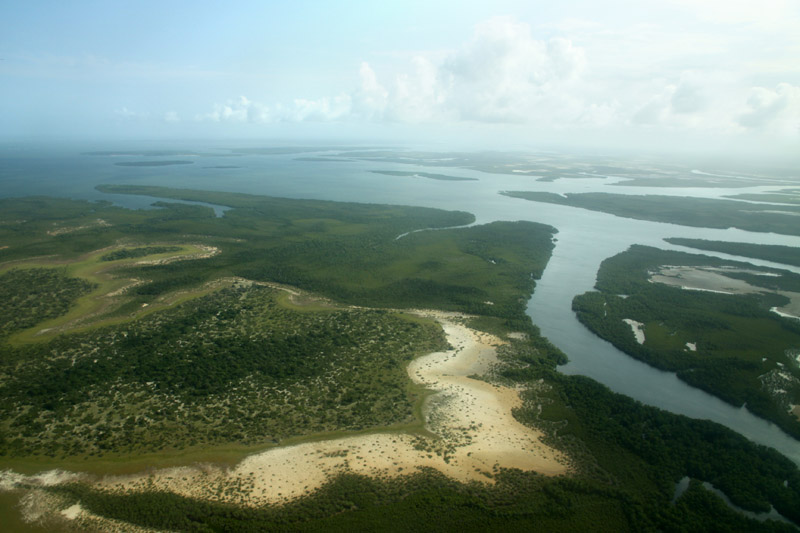
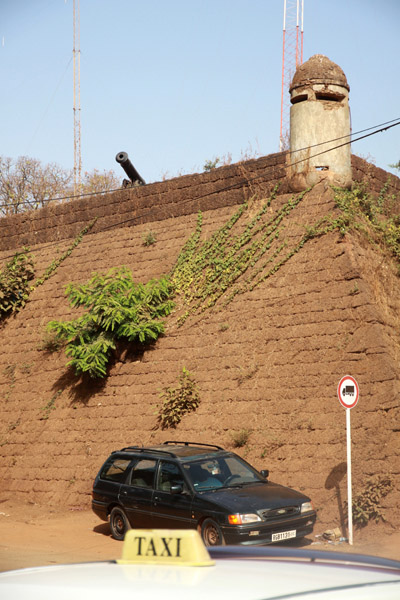
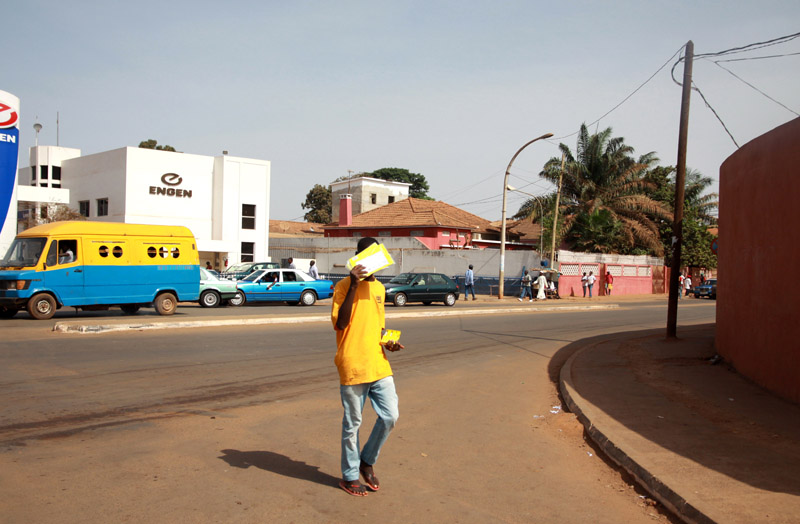
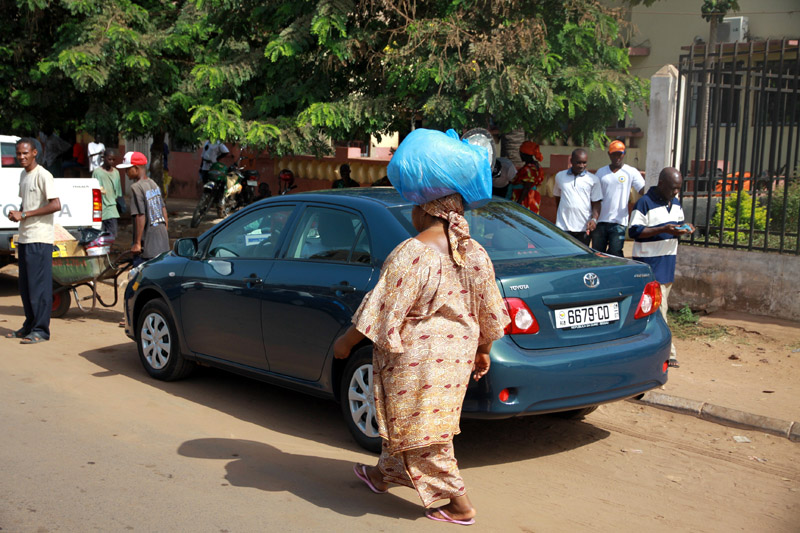
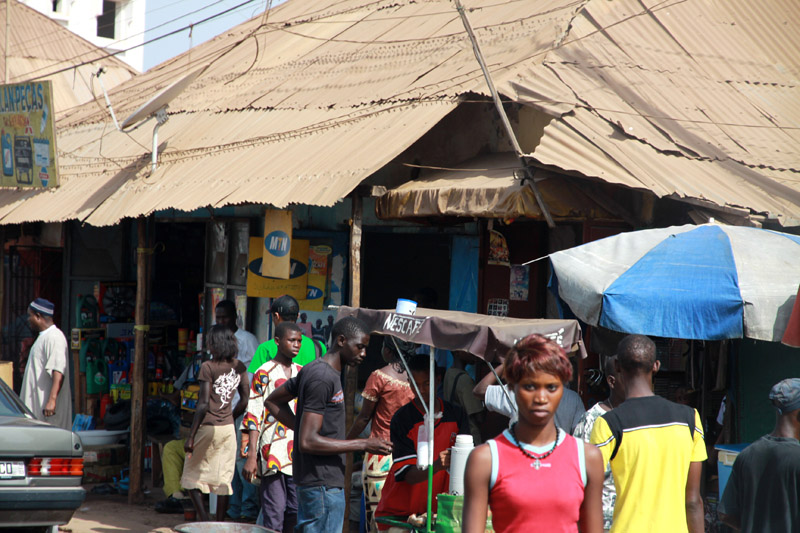
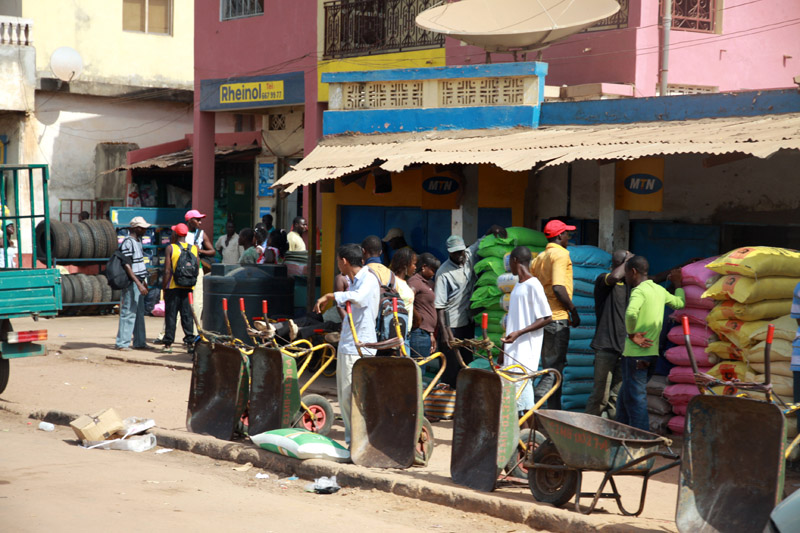
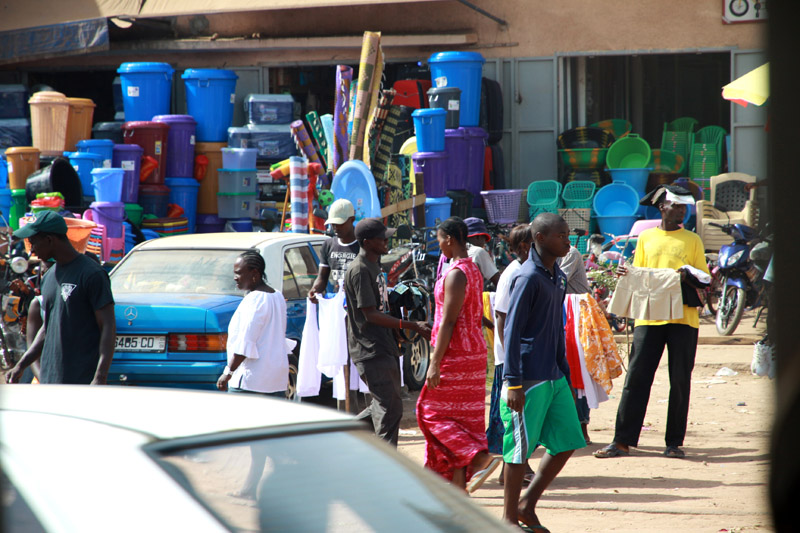
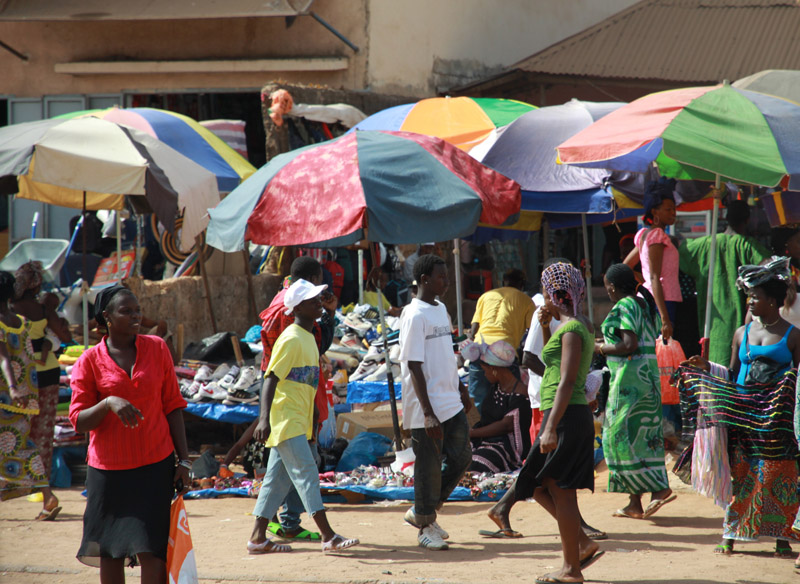
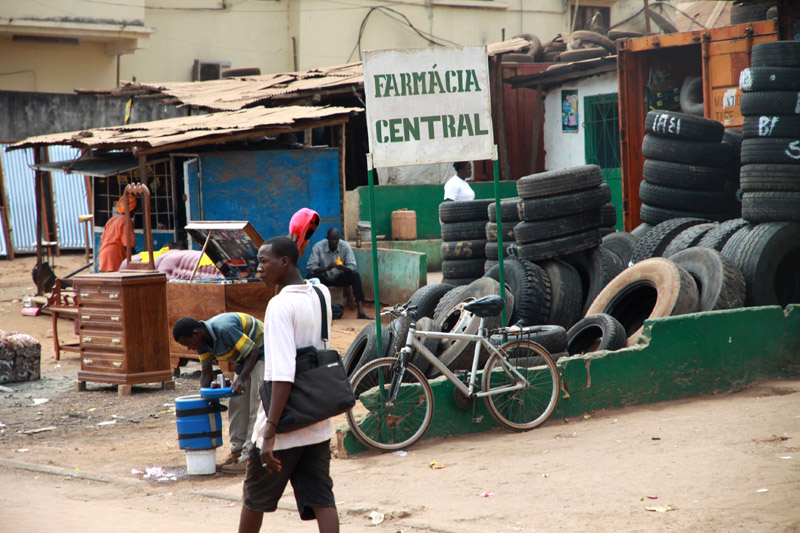
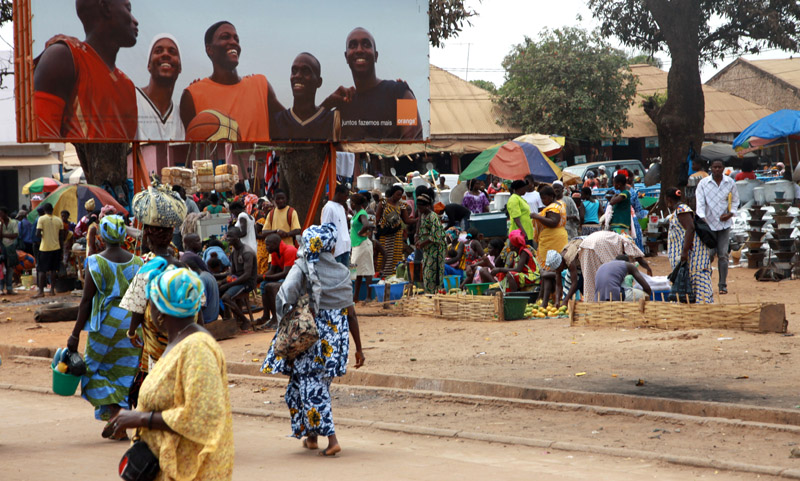
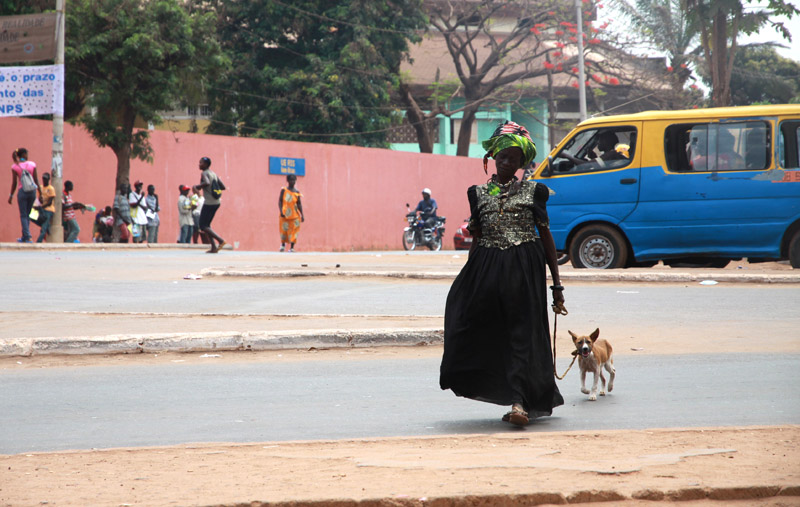
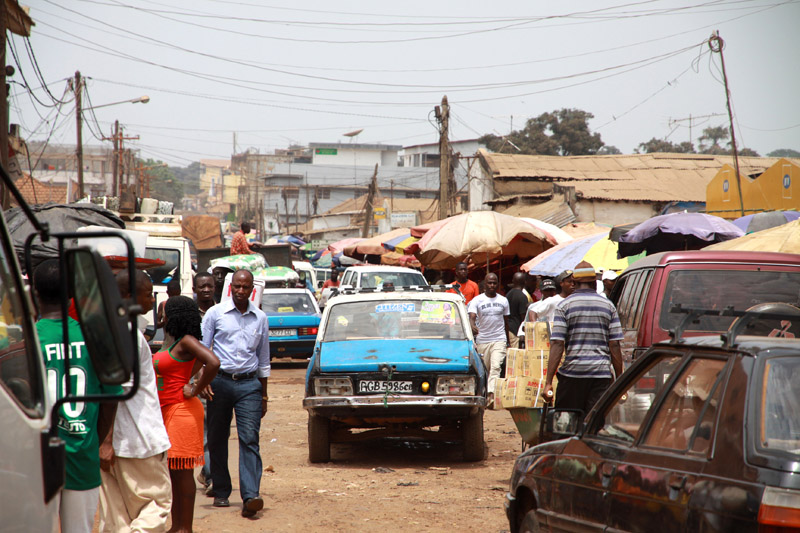
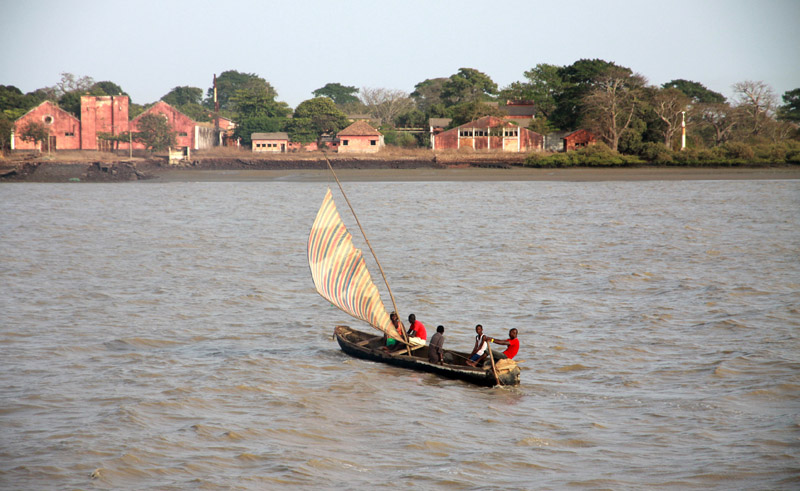
Bissau is the capital city of Guinea-Bissau. The city’s borders are conterminous with the Bissau Autonomous Sector. In 2007, the city had an estimated population of 407,424 according to the Instituto Nacional de Estatística e Censos. The city which is located on the Geba River estuary, off the Atlantic Ocean, is the country’s largest city, major port, administrative and military center.

The city was founded in 1687 by Portugal as a fortified port and trading center. In 1942 it became the capital of Portuguese Guinea. After the declaration of independence by the anti-colonial guerrillas of PAIGC, in 1973, the capital of the de facto independent territories was declared to be Madina do Boe, but Bissau remained as the capital of the Portuguese-occupied regions, and the de jure capital of the entire Portuguese Guinea. When Portugal recognized the independence of Guinea-Bissau and pulled out in 1974 due to the military coup of April 25 in Lisbon, the two territories merged and Bissau became the capital of the new independent state.

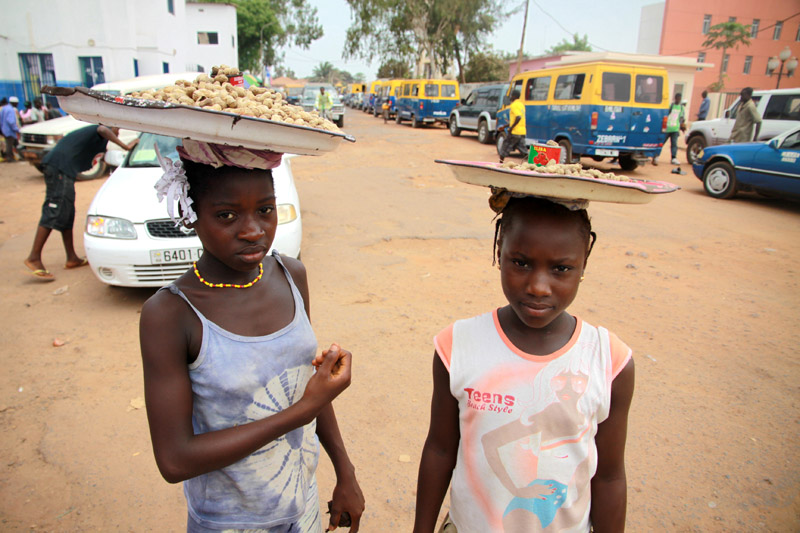
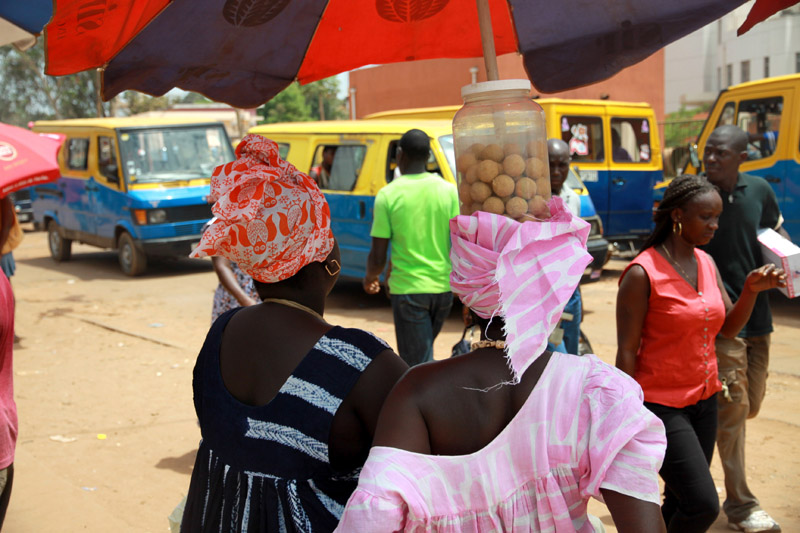
Bissau is the country’s largest city, major port, educational, administrative and military center. Peanuts, hardwoods, copra, palm oil, and rubber are the chief products. The airport that serves Bissau is Osvaldo Vieira International Airport. Poverty and lack of development is widespread.

Source: Wikipedia (under GNU Free Documentation License)

Categories
Bissagos Islands Guinea-Bissau

Ilheu do Meio

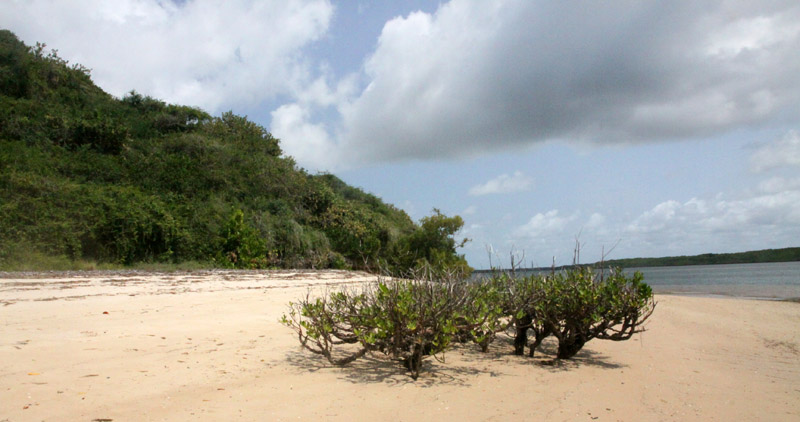
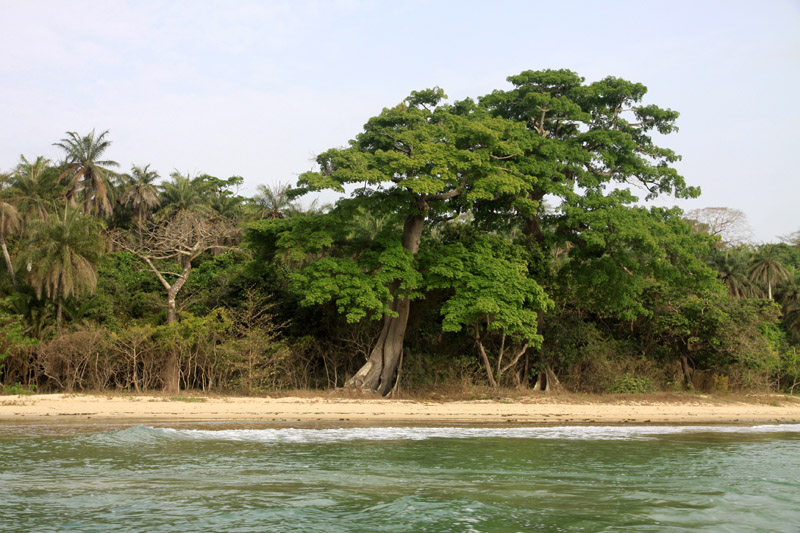
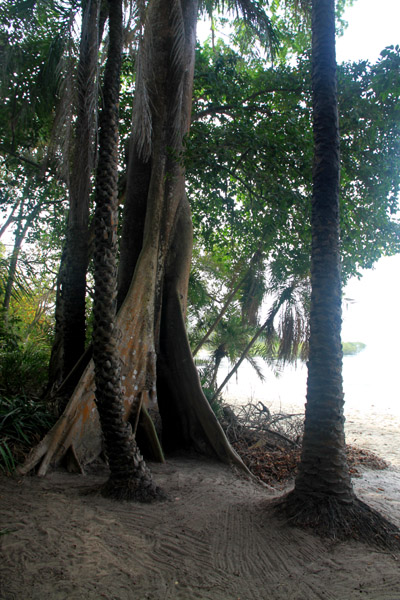
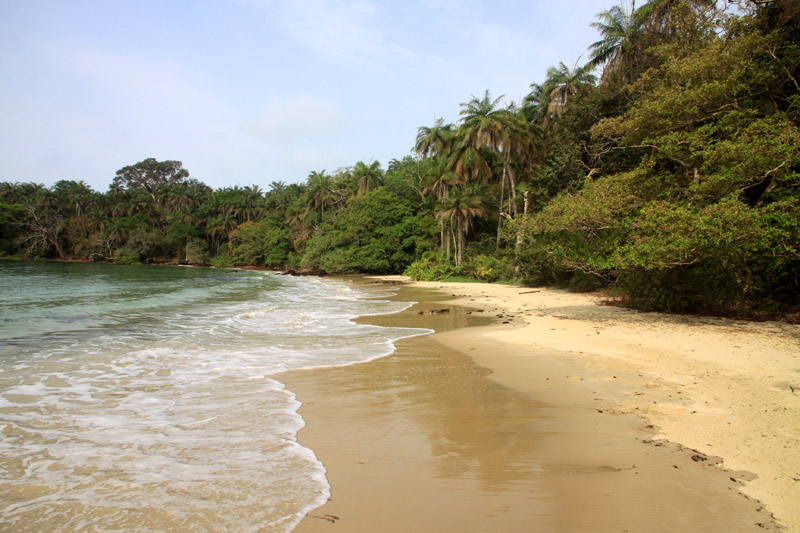
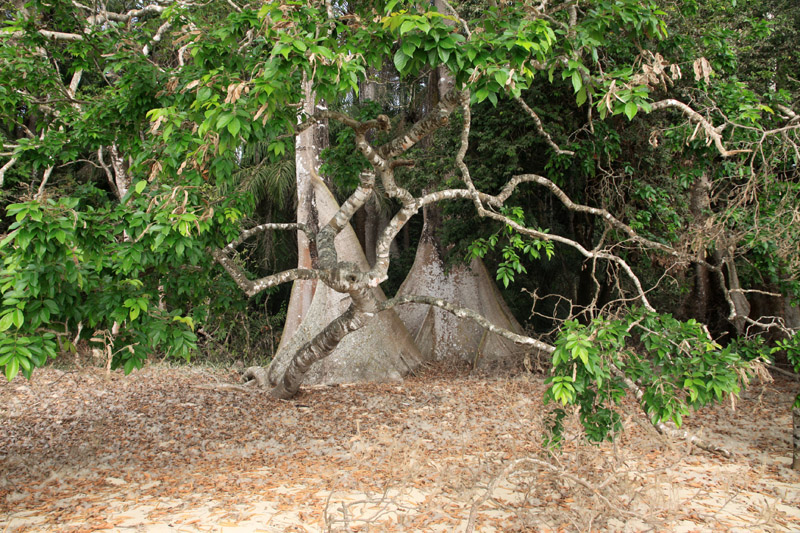
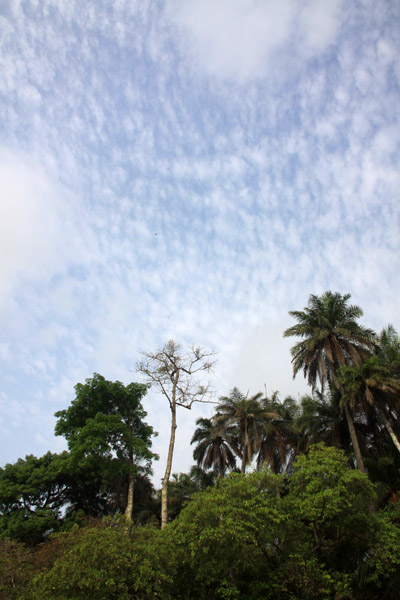
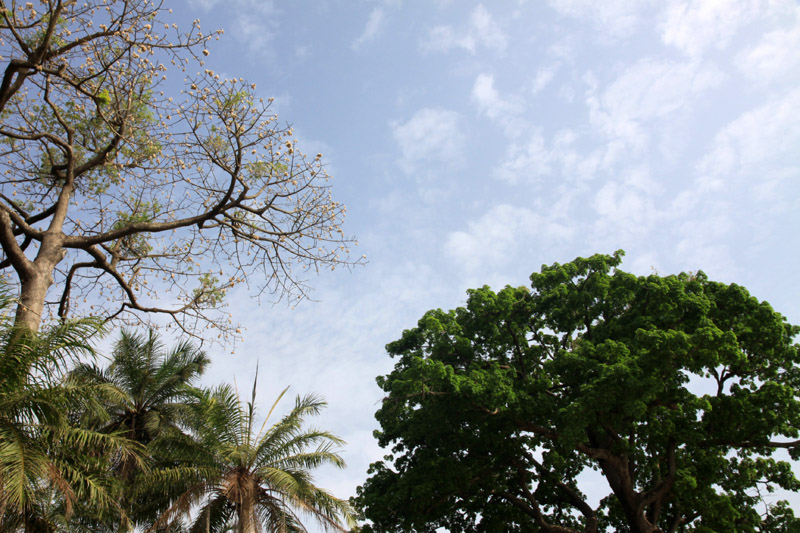
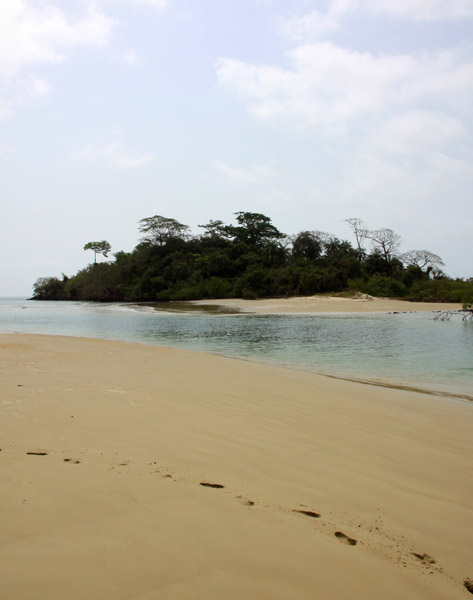
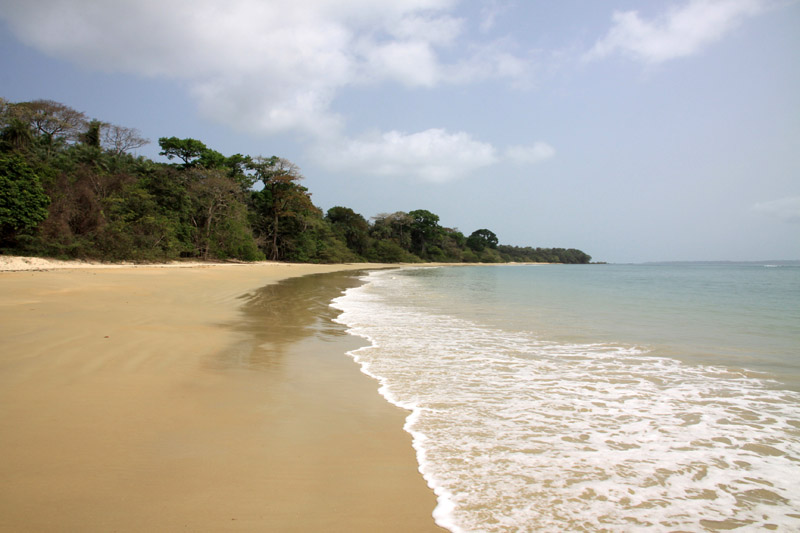
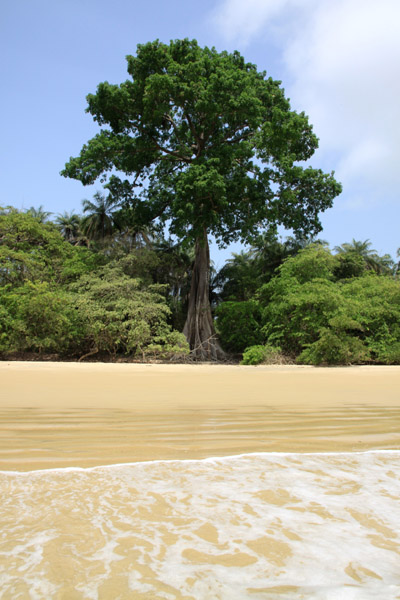
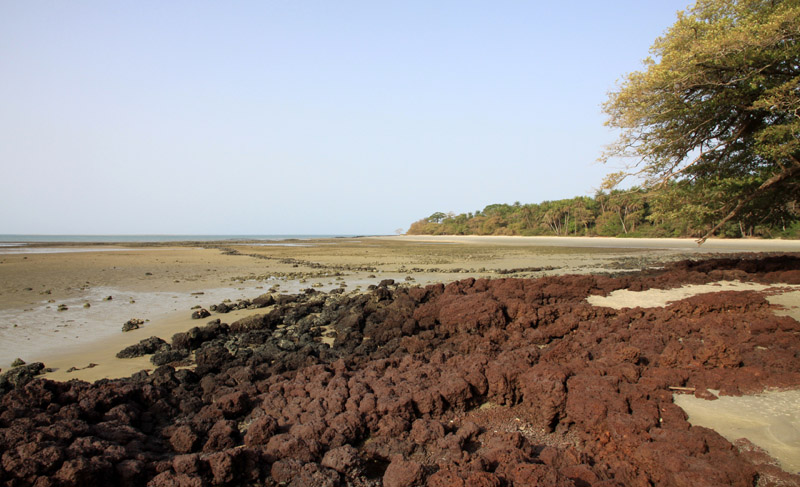
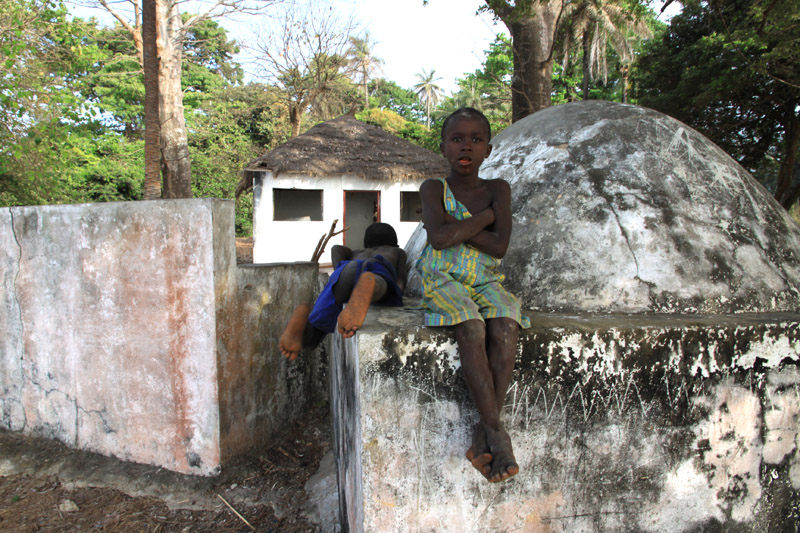
Meio – a deserted island with beautiful beaches. Huge and majestic kapok trees growing among palm trees are distinctive features of the island. Amazingly, there are hardly any birds even though the island is situated quite close to a popular breeding site, namely Cavalos island.

Categories
Bissagos Islands Guinea-Bissau

Ilha Joao Vieira

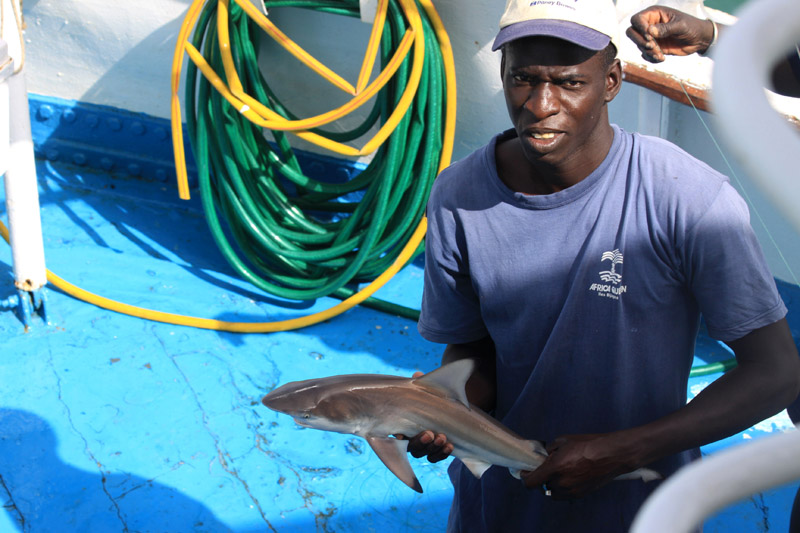
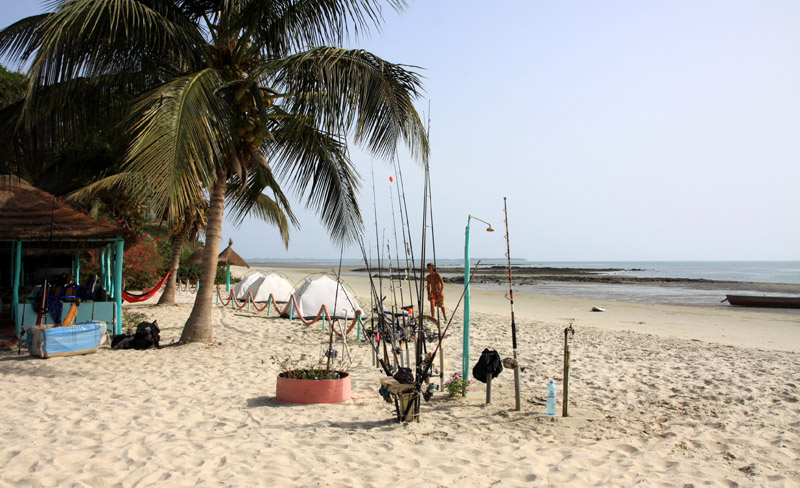
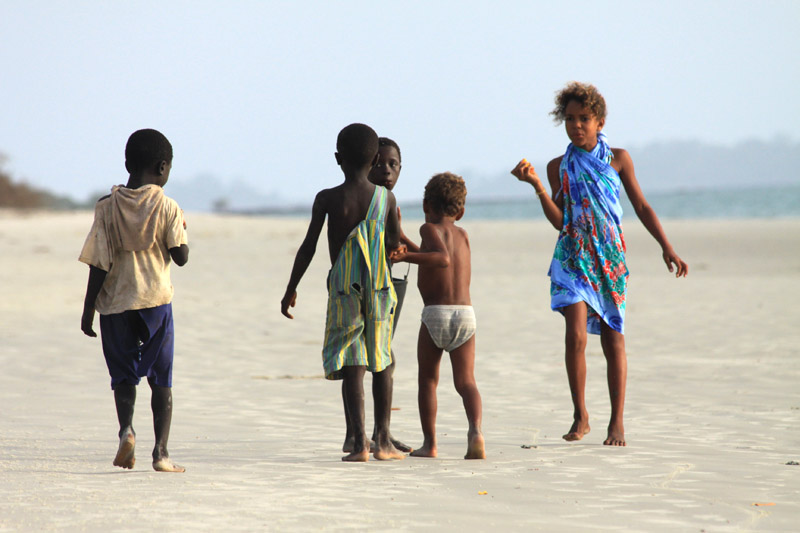
Joao Vieira is the only island with a lodge addressed mainly to anglers I have visited in the Bijagos archipelago. The waters around the island abound with an infinite diversity of fish species, which results from the lack of commercial fishing.