Categories
Kenya

Pate Island I

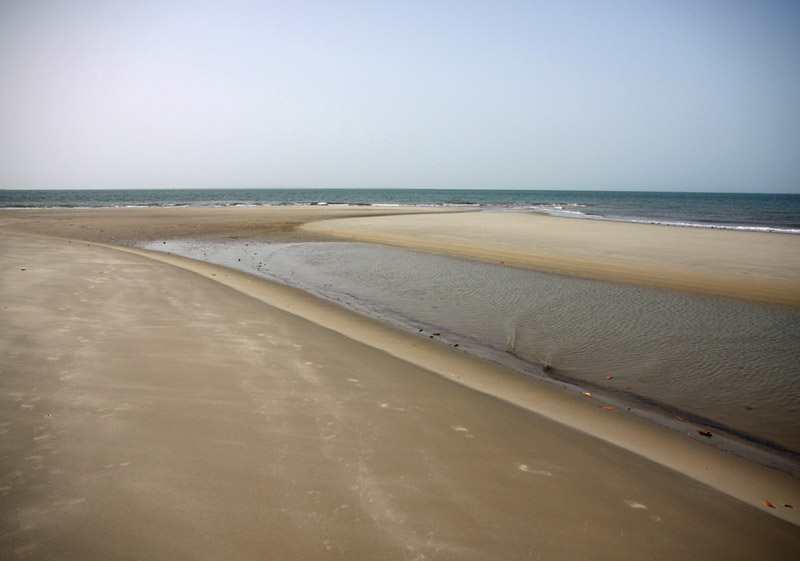
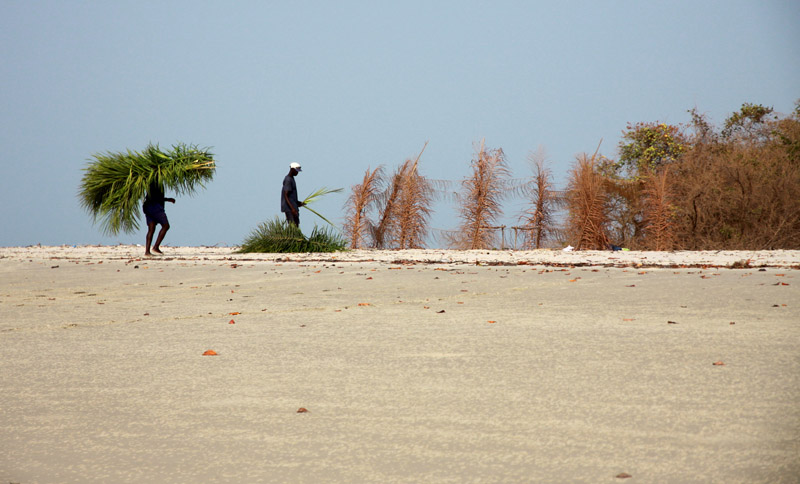
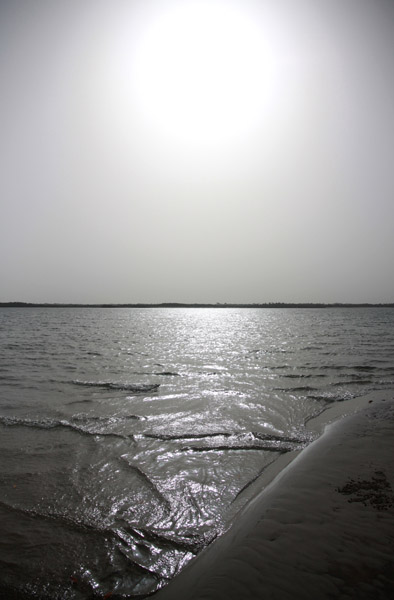
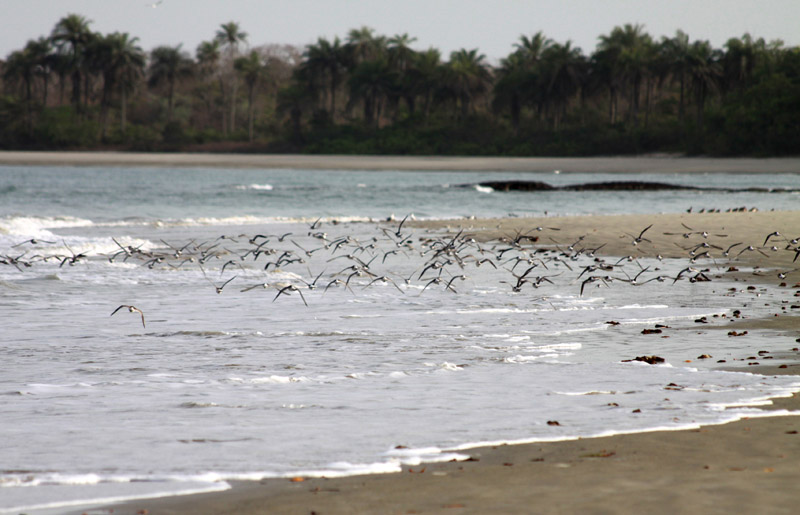
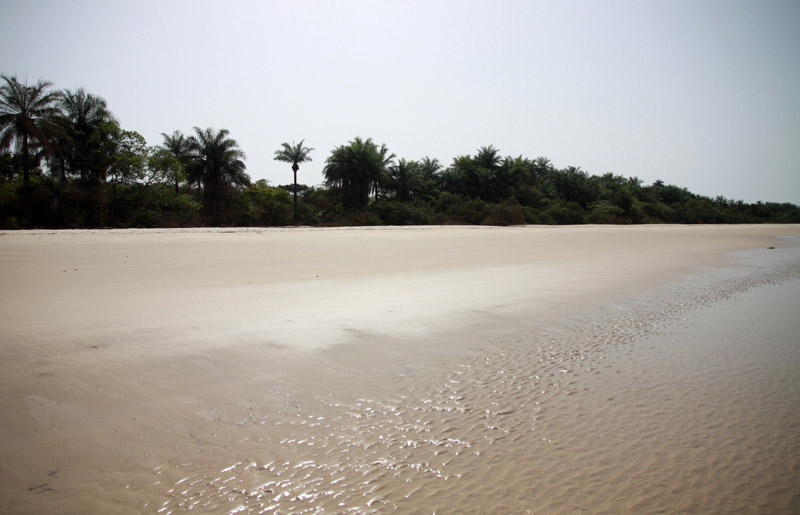
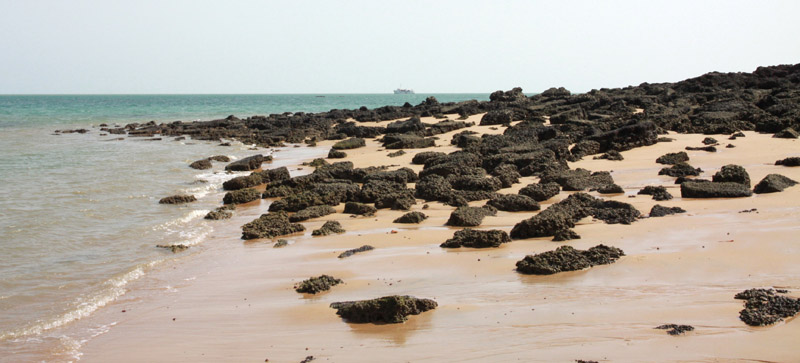
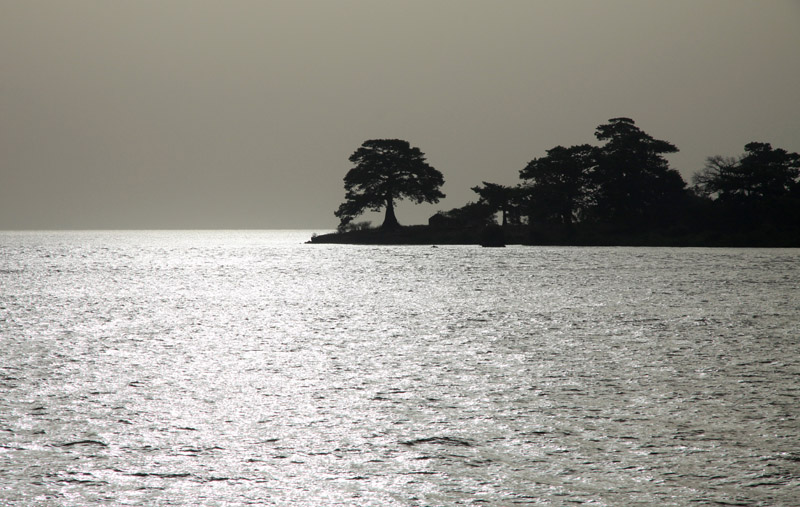
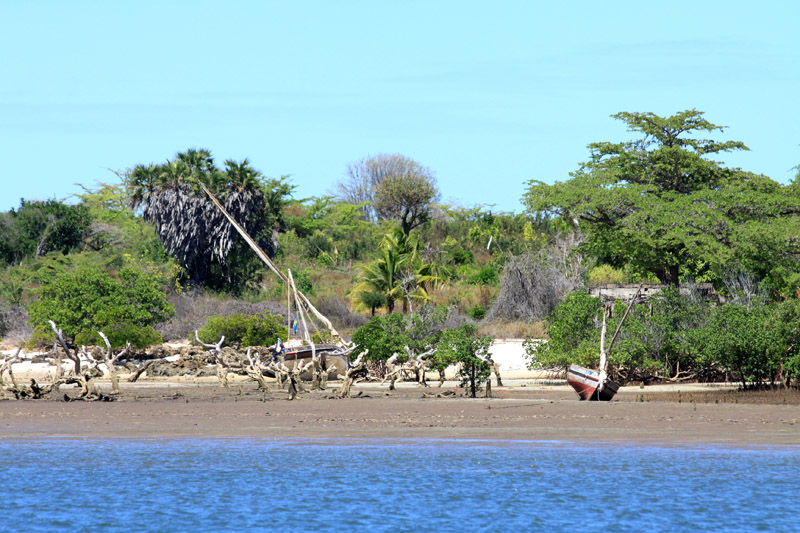
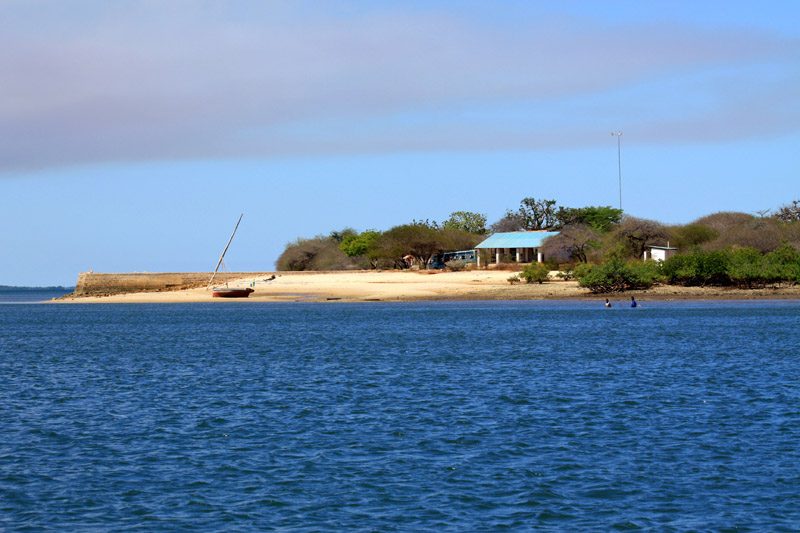
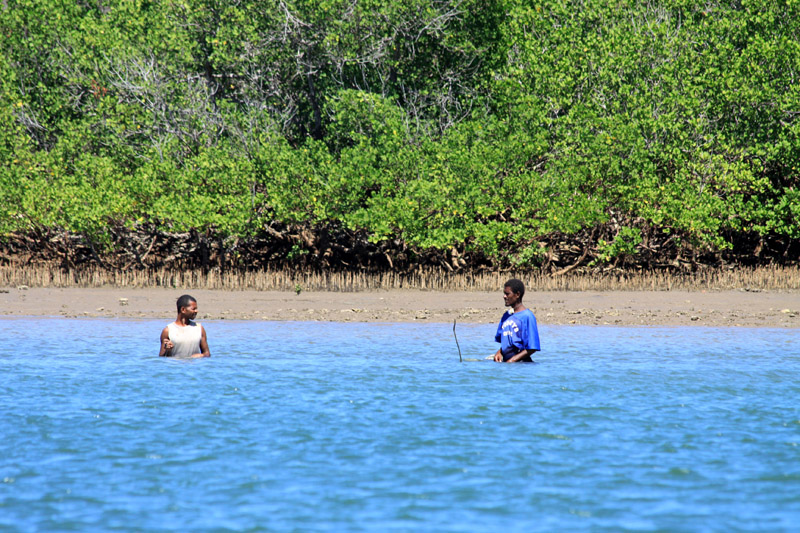
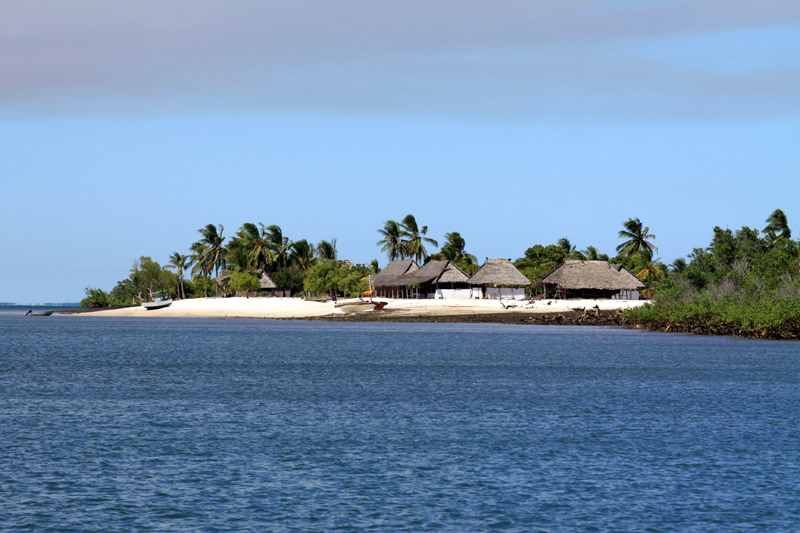
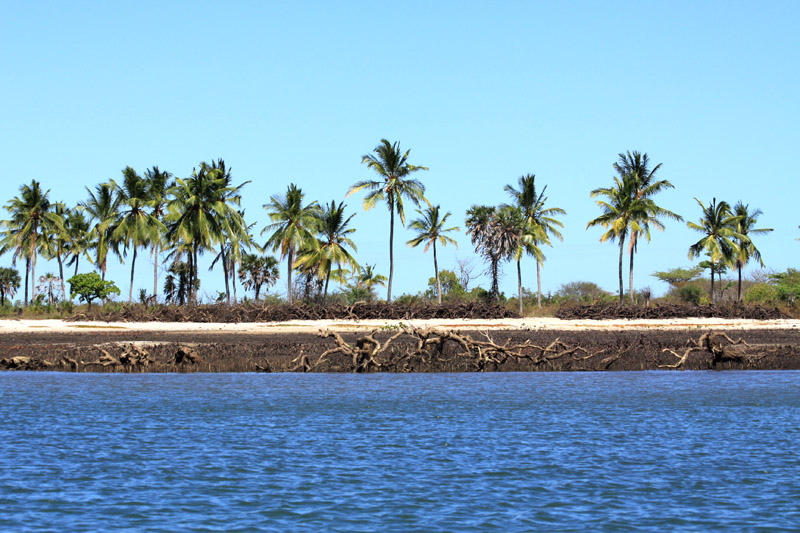
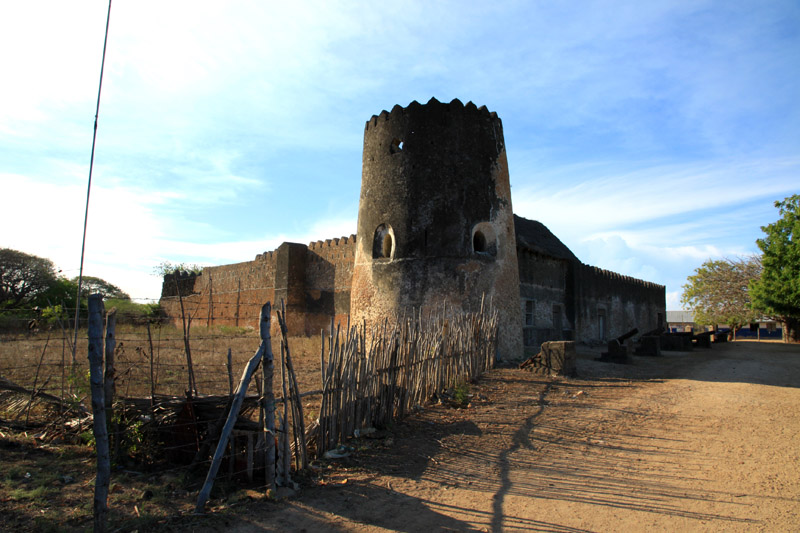
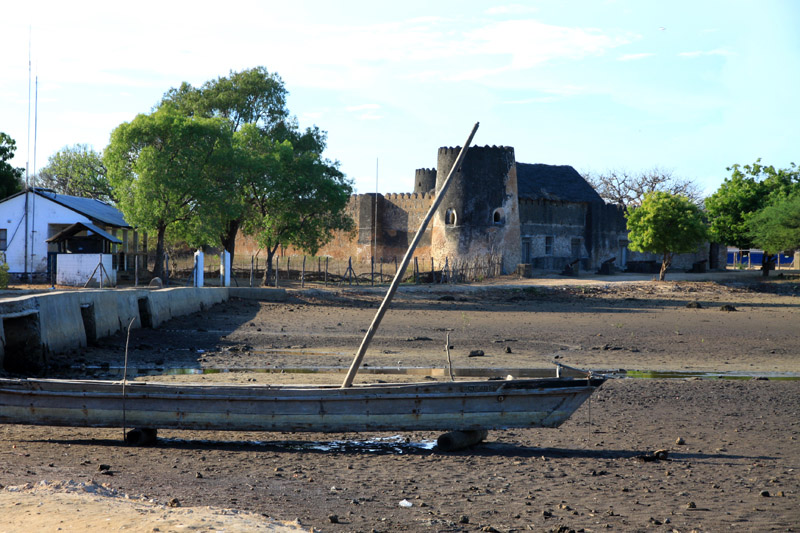
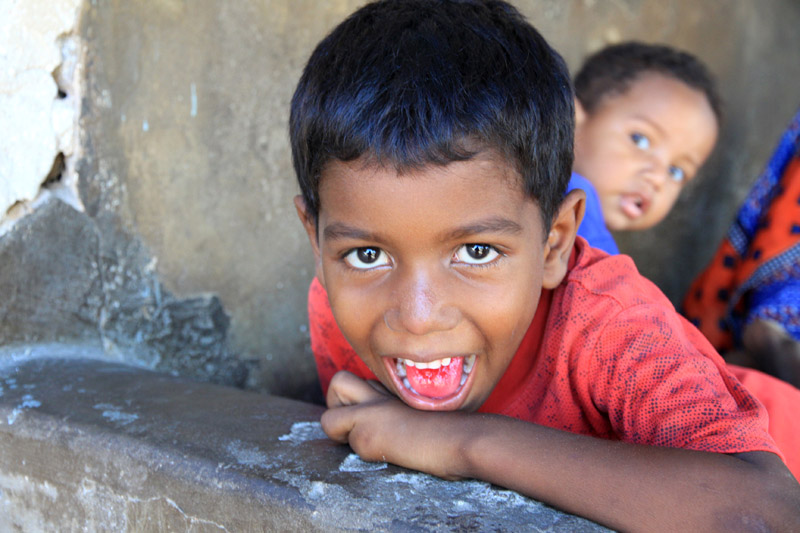
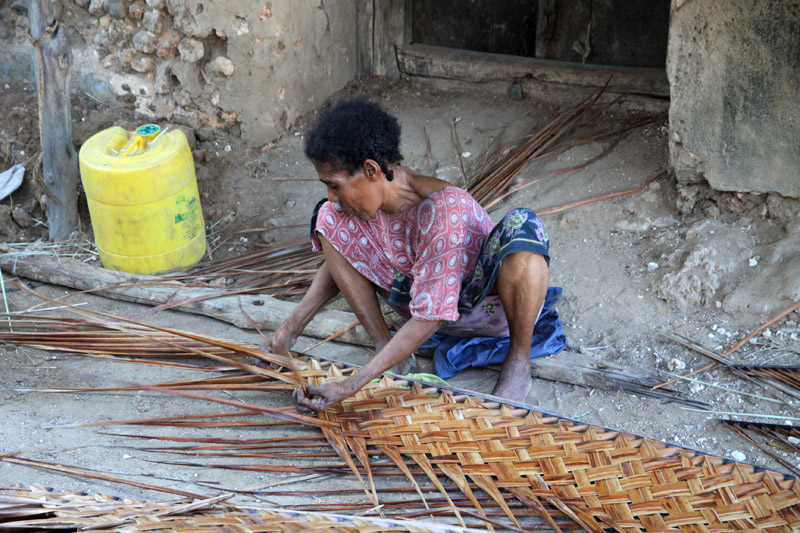
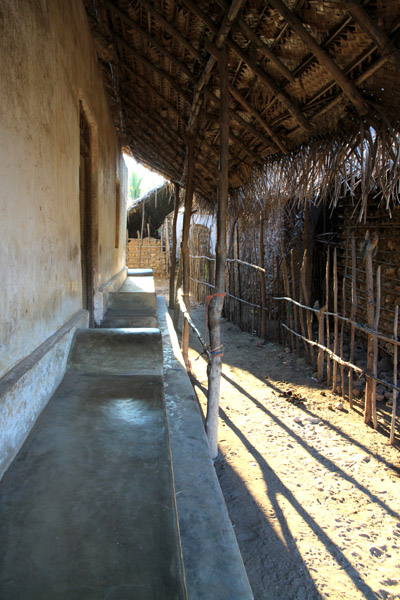
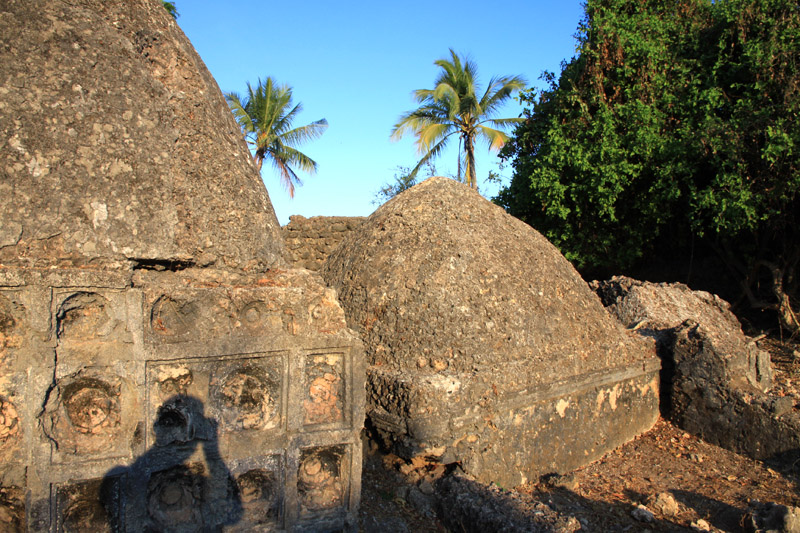
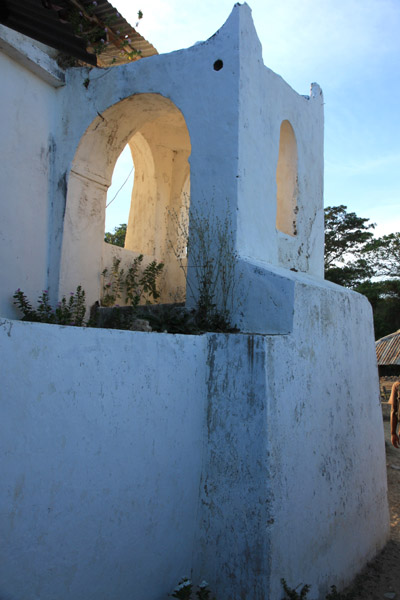
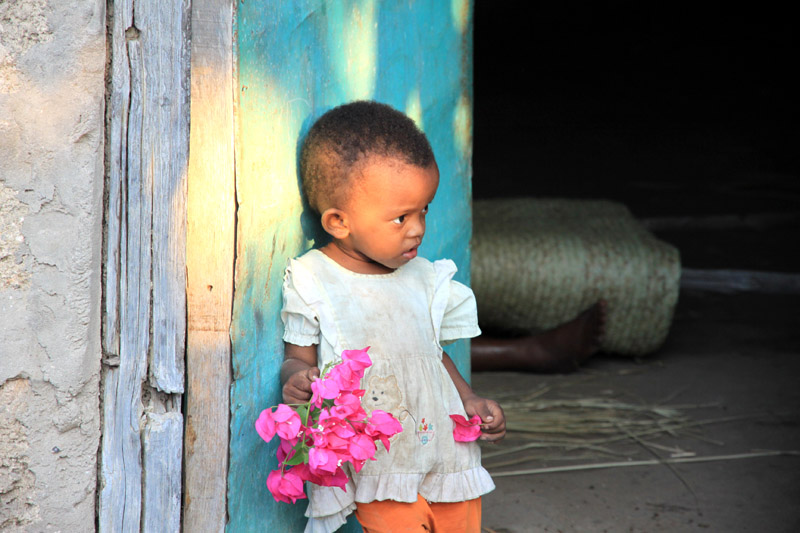
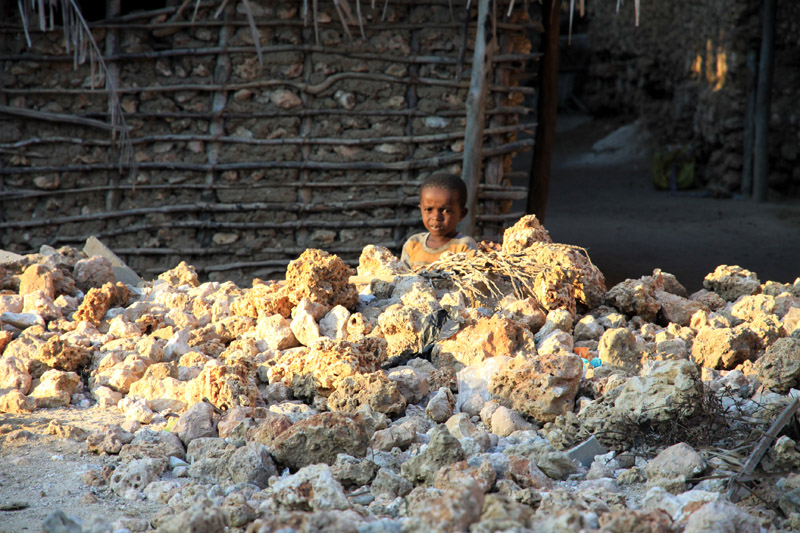
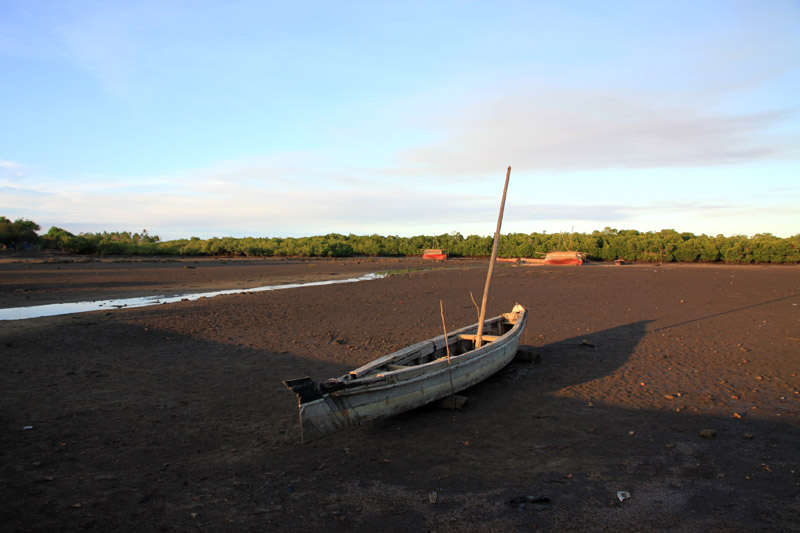
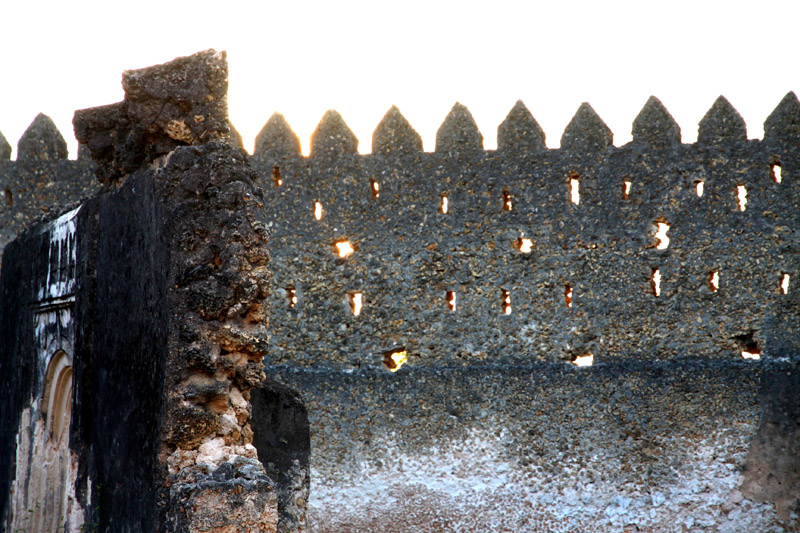
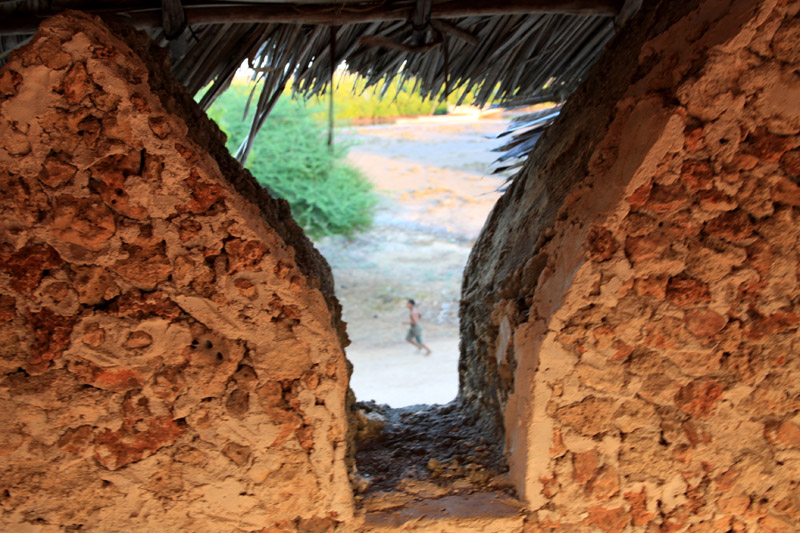
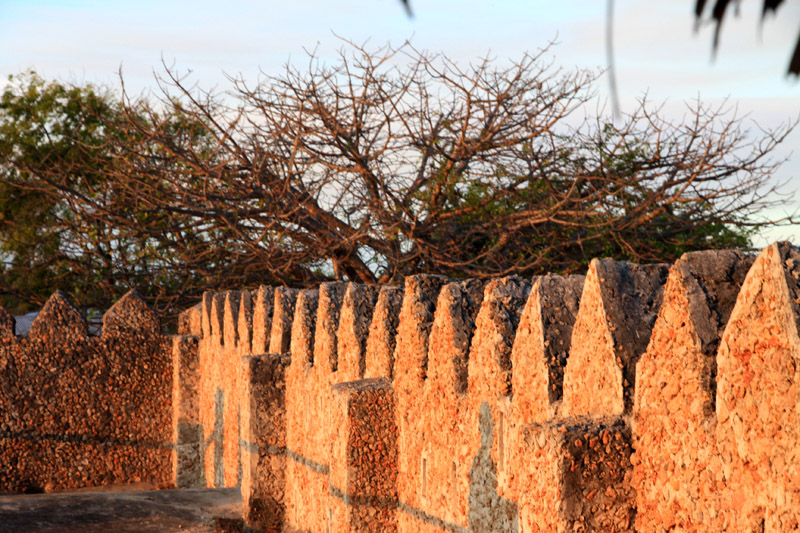
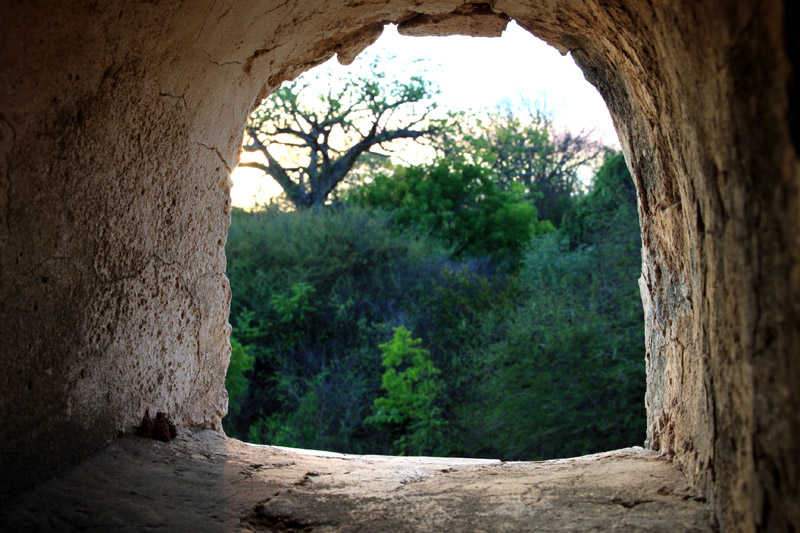
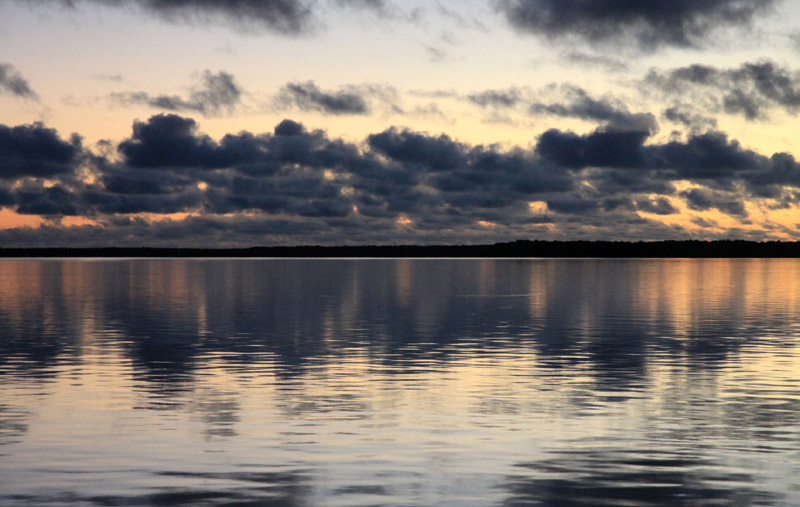
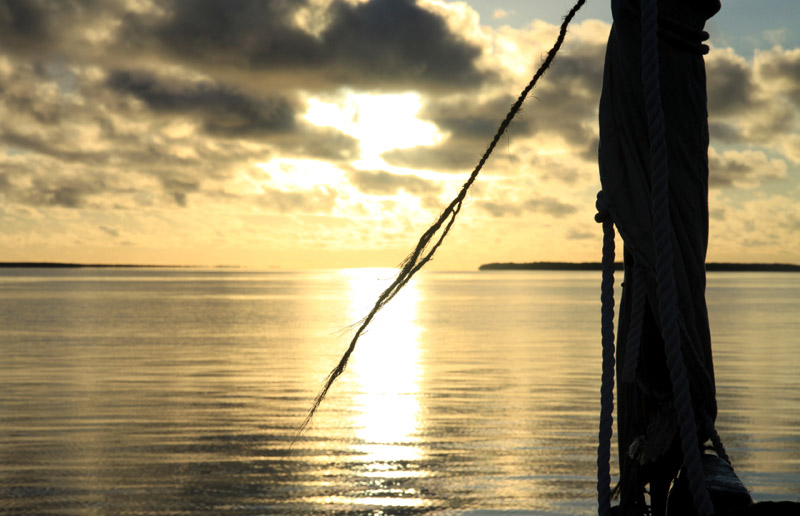
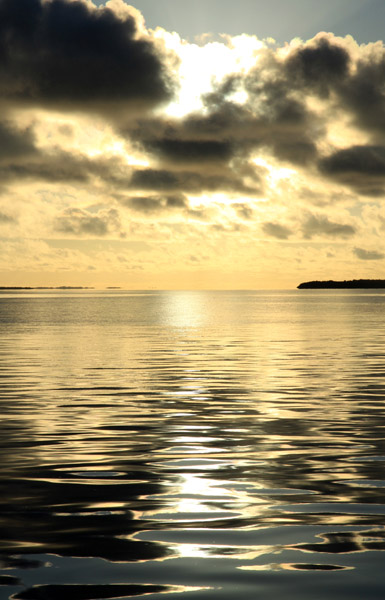
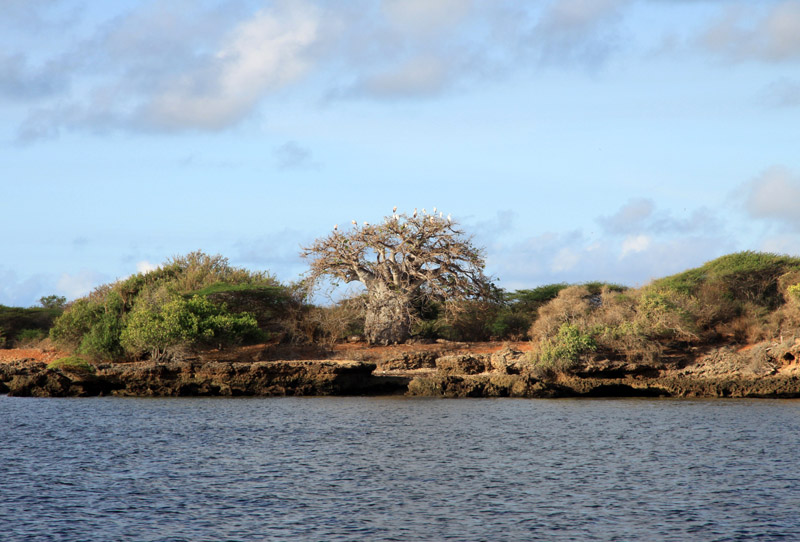
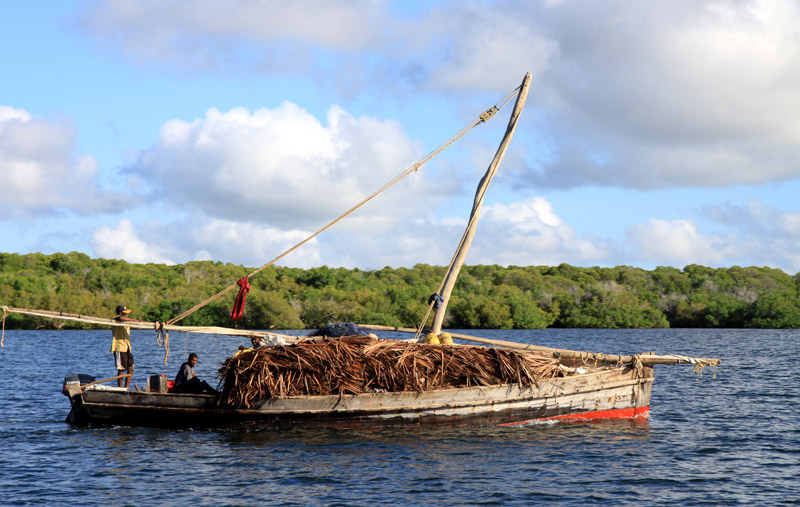
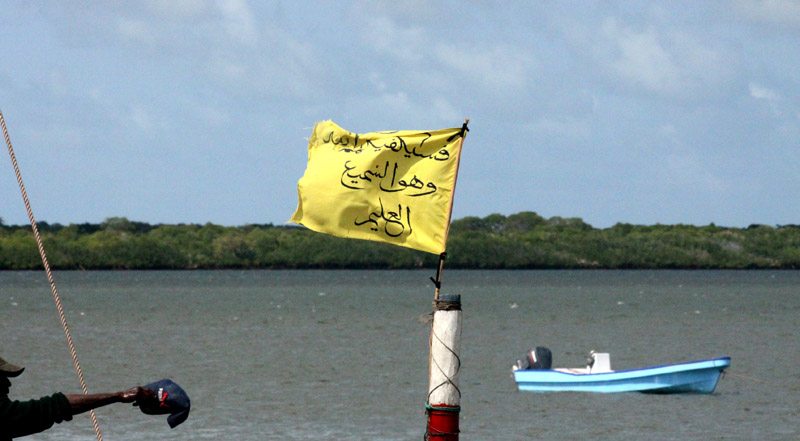
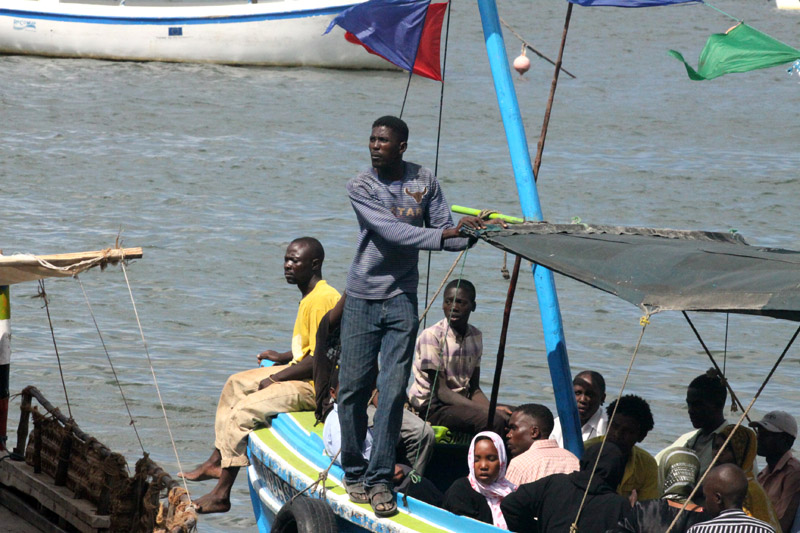
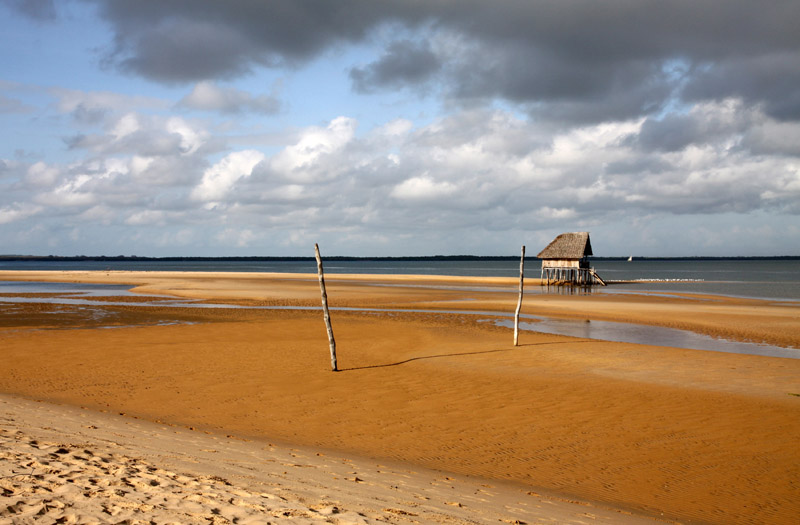
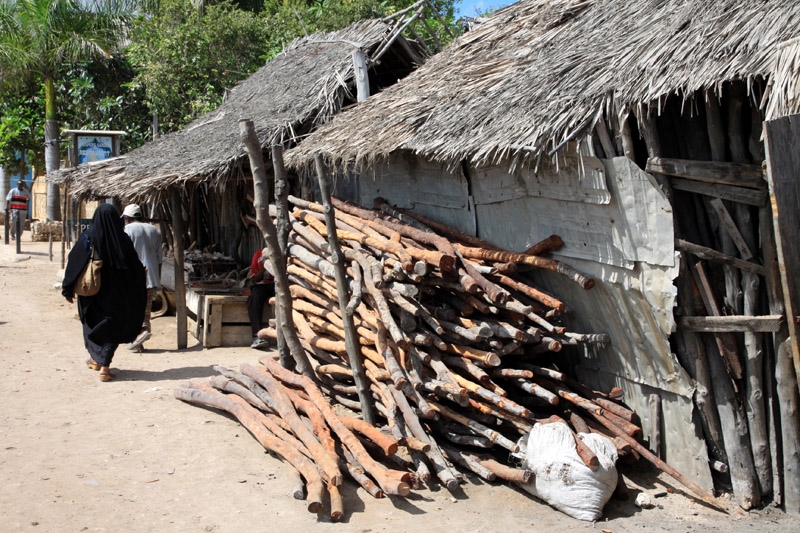
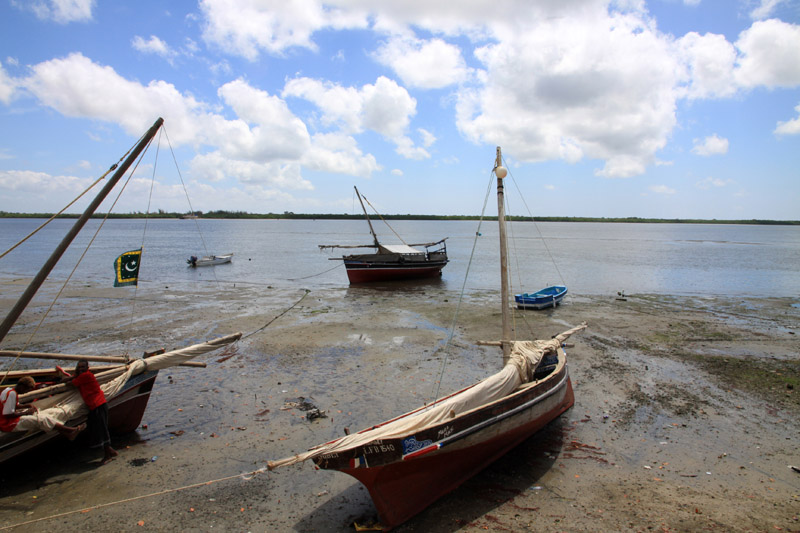
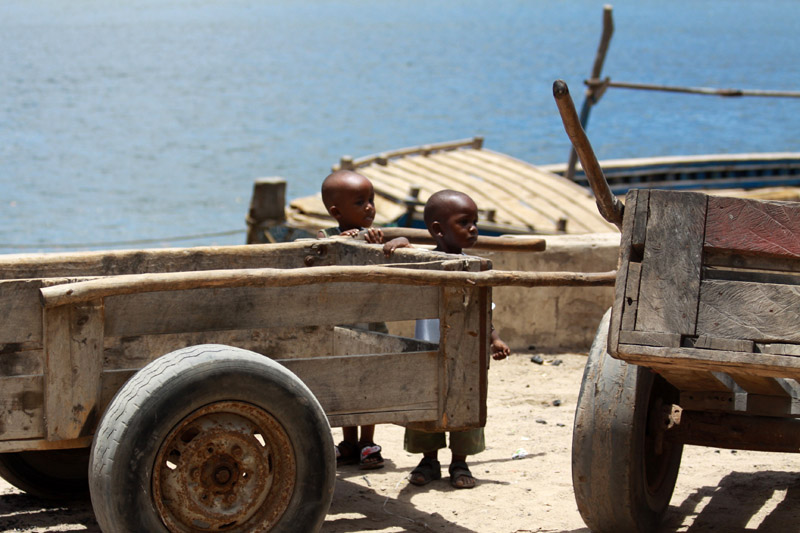
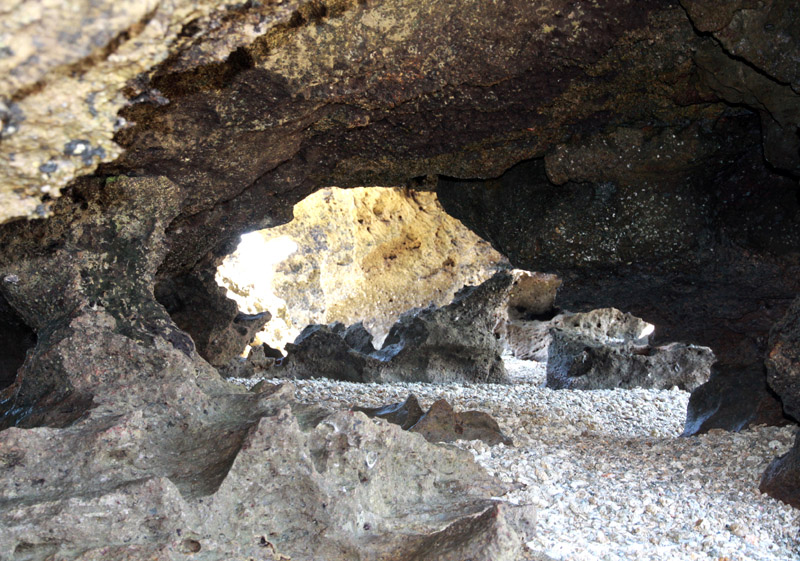
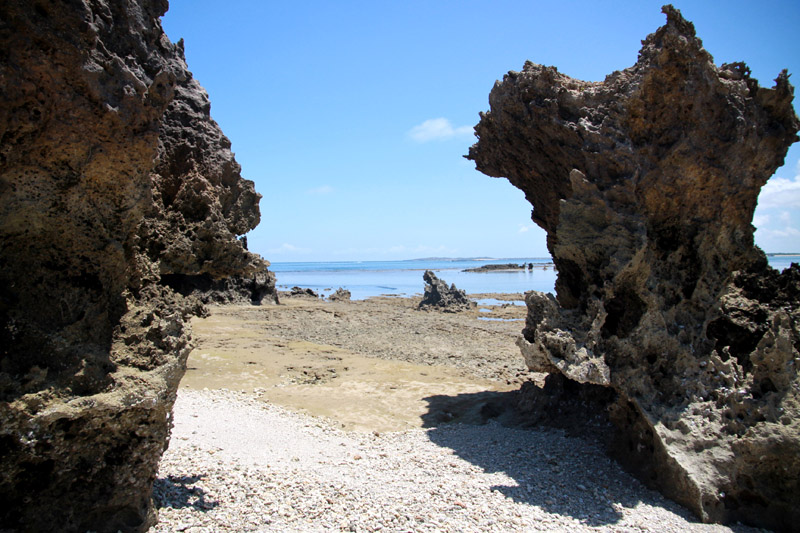
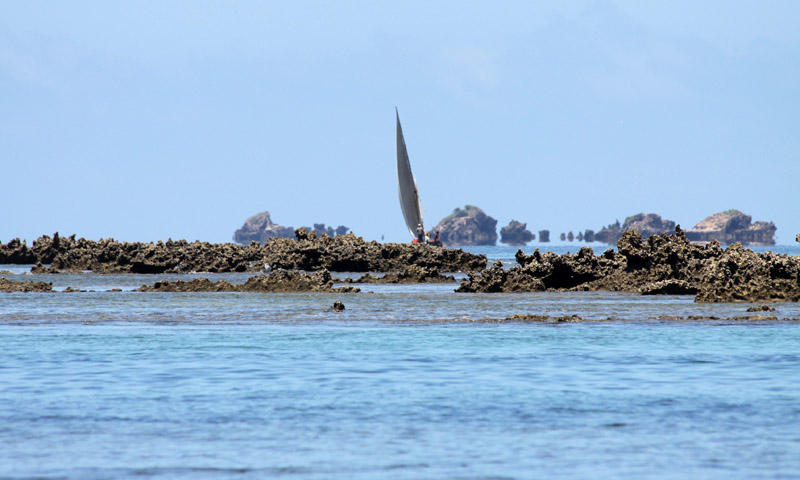
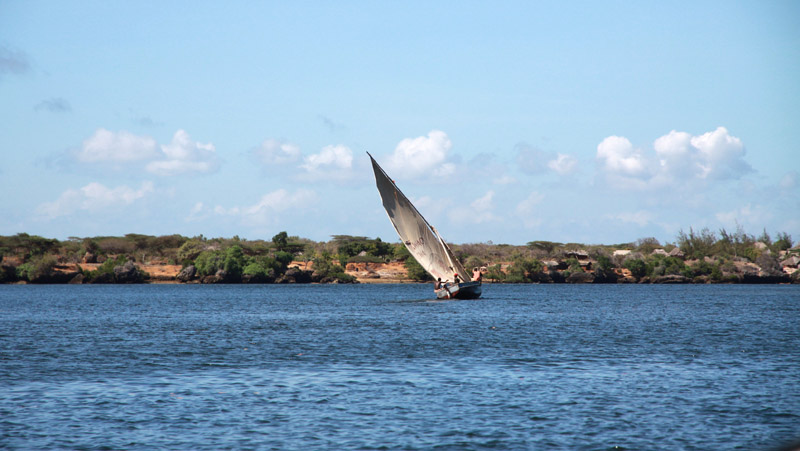
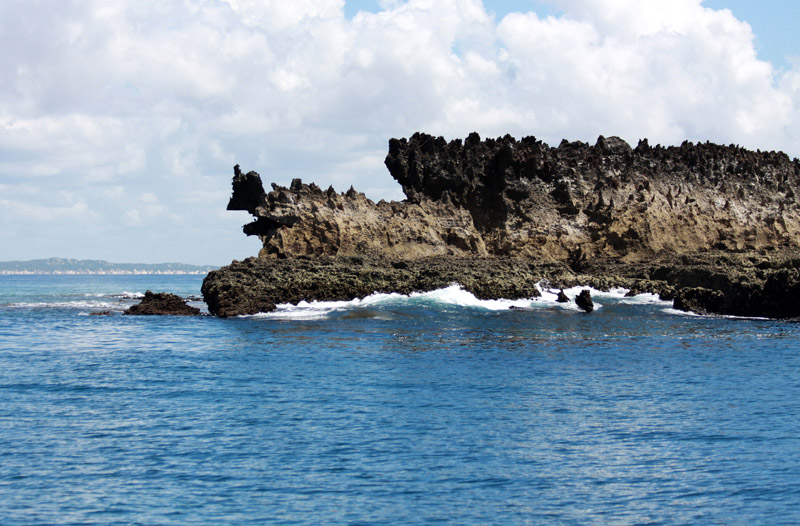
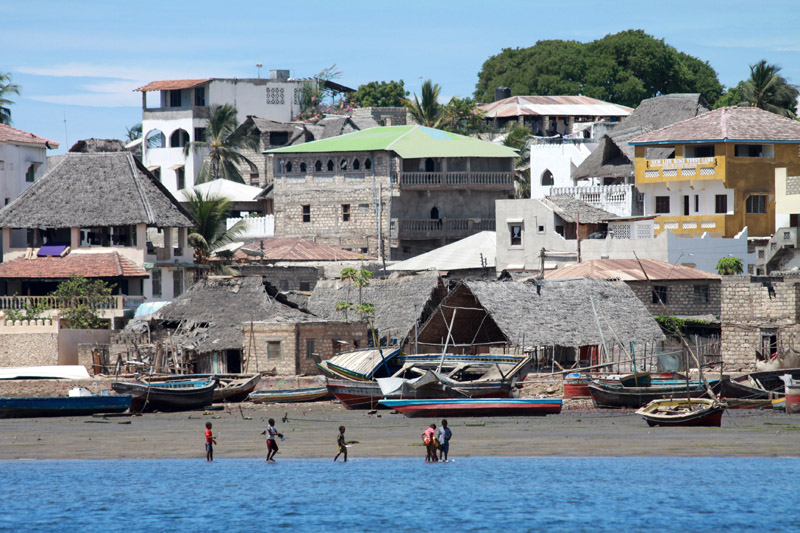
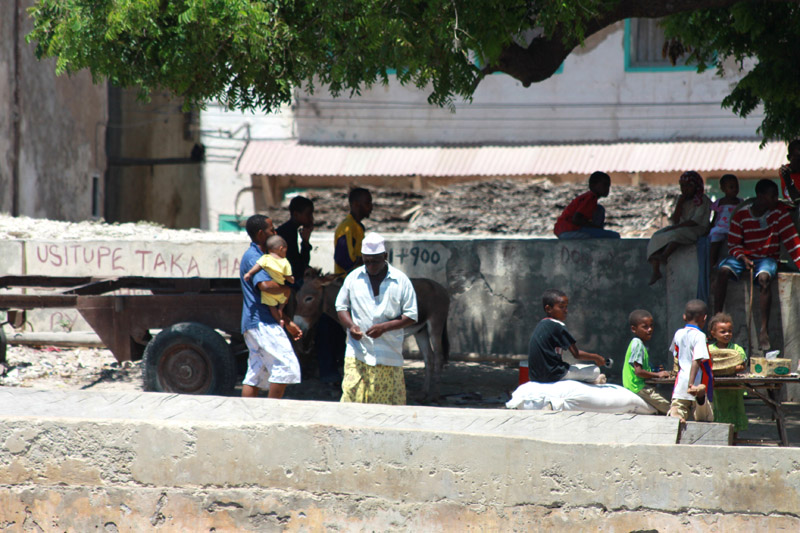
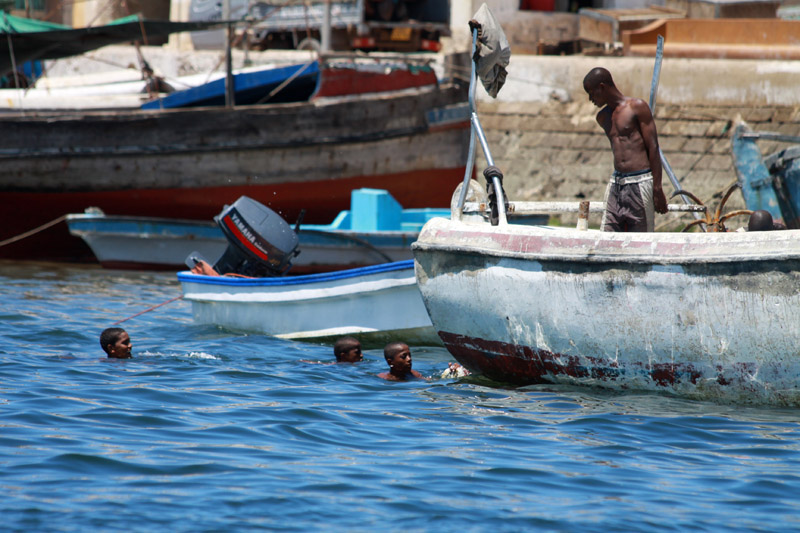
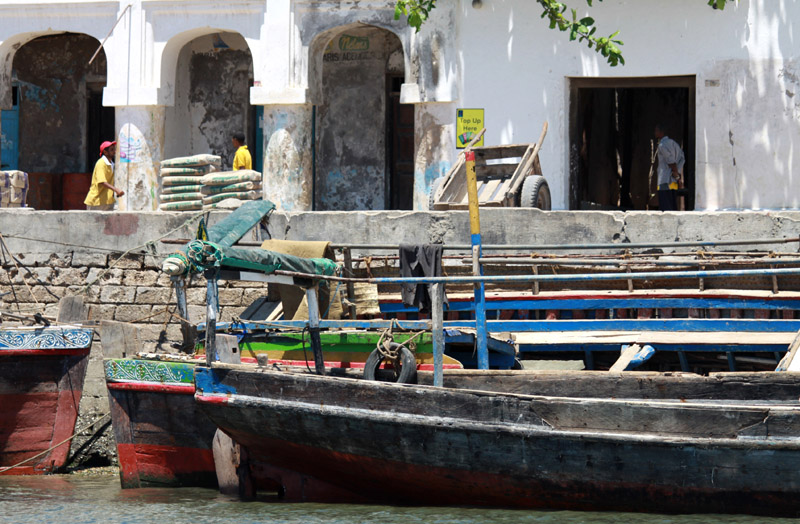
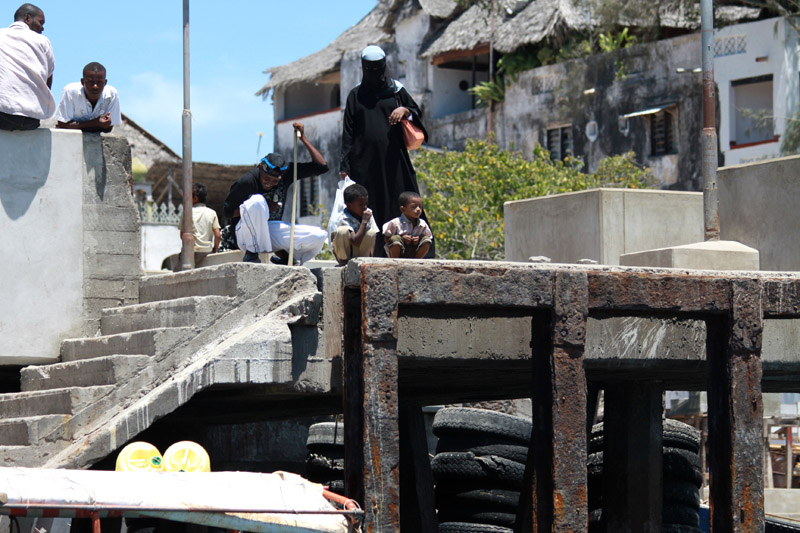
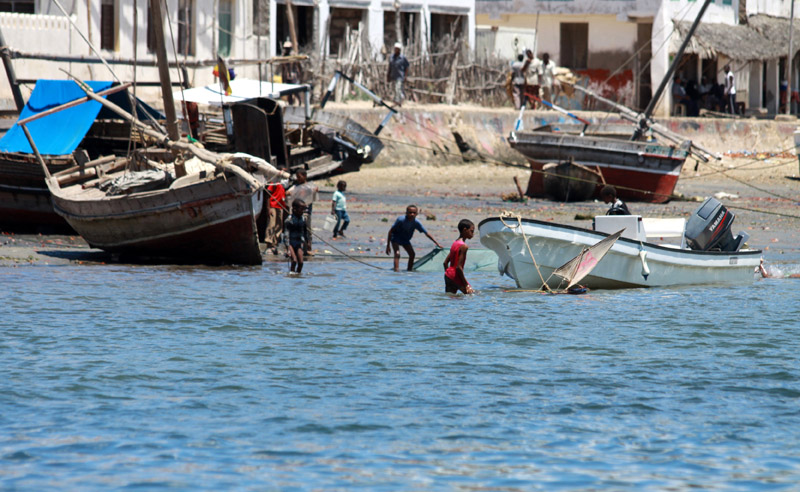
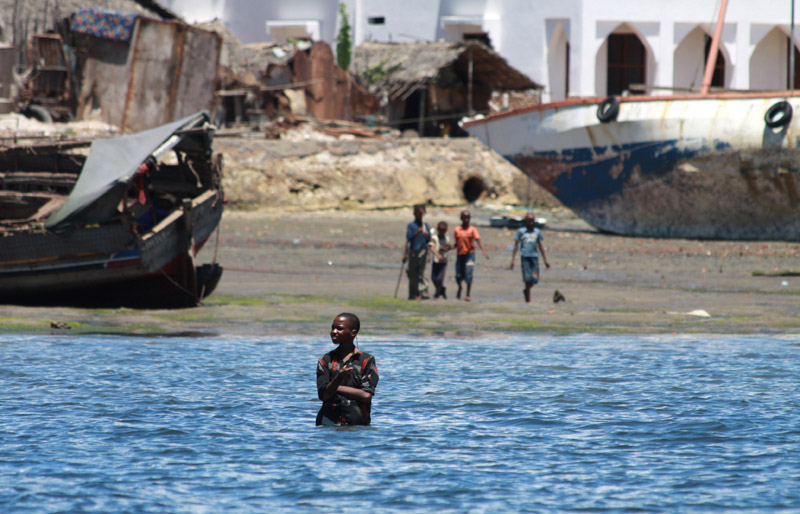
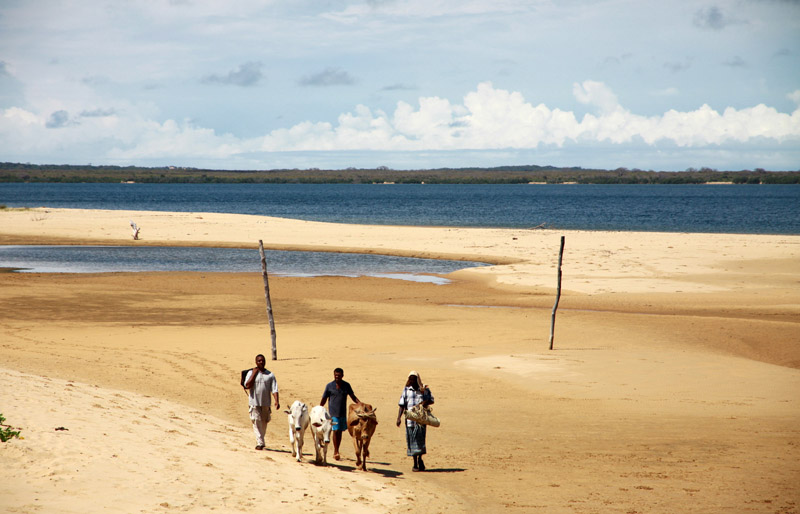
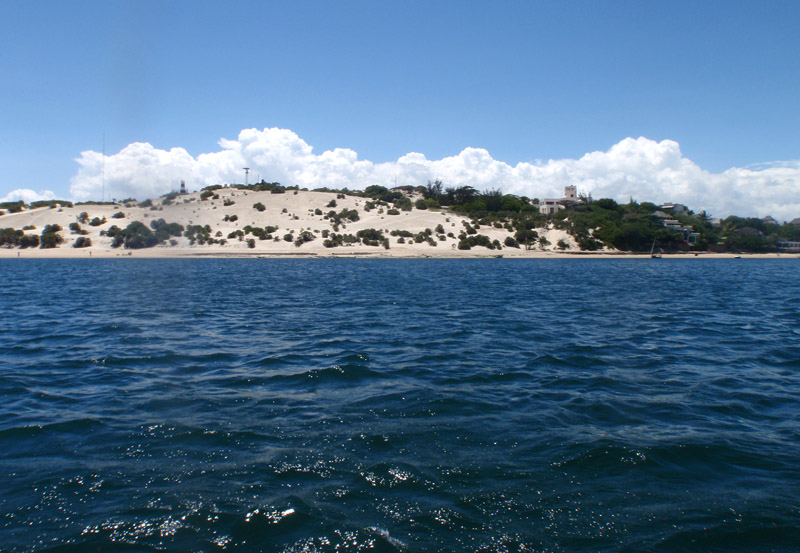
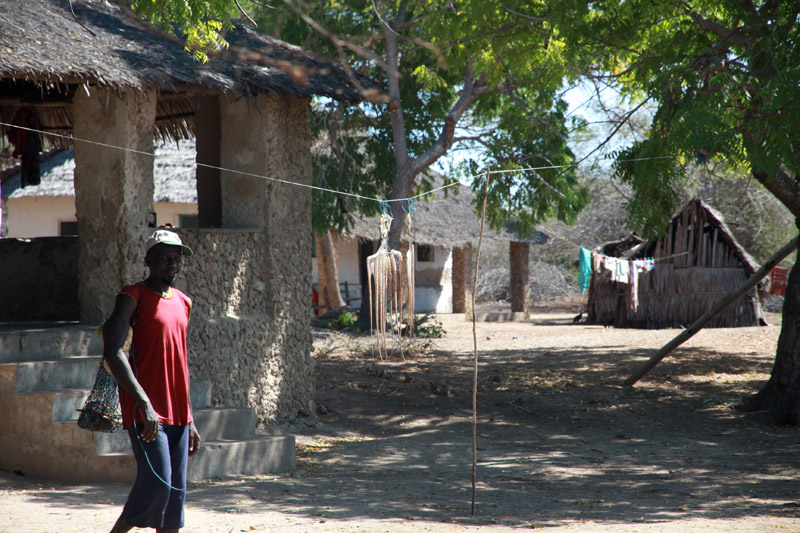
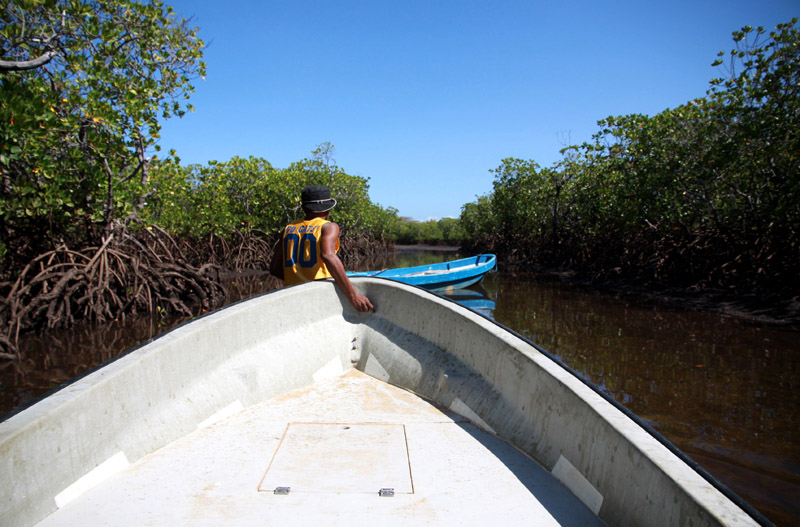
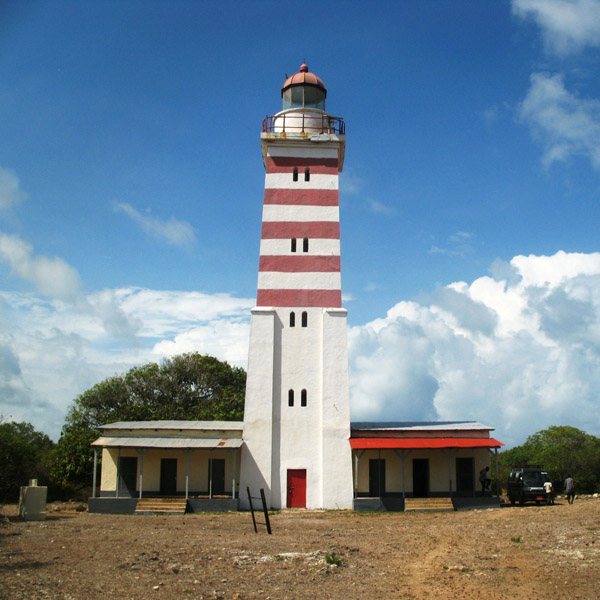
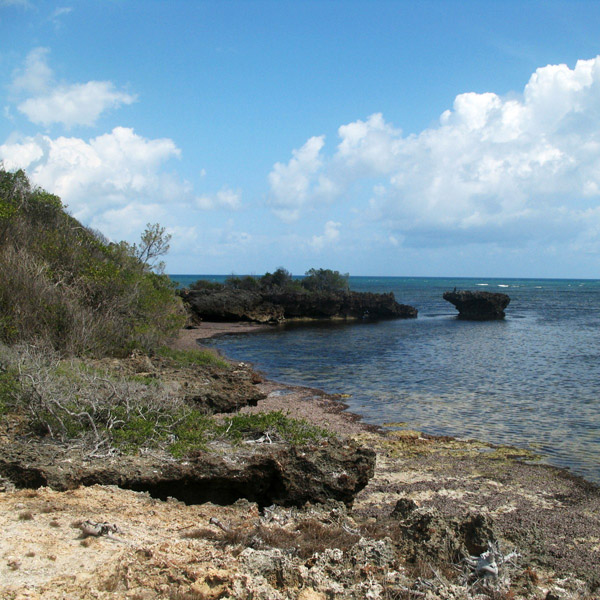
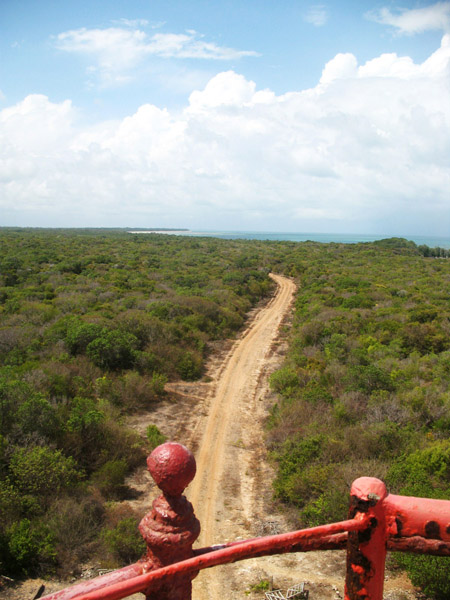
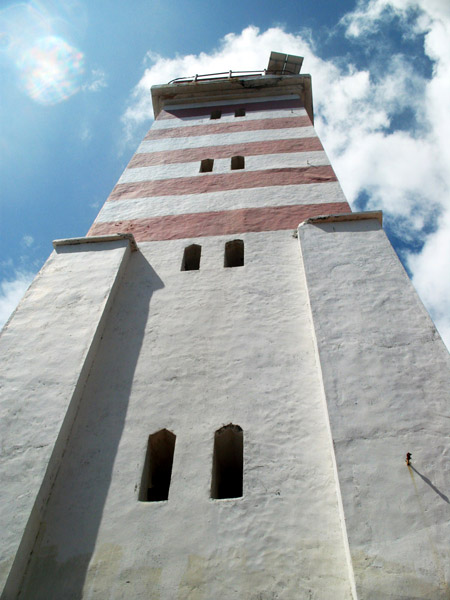
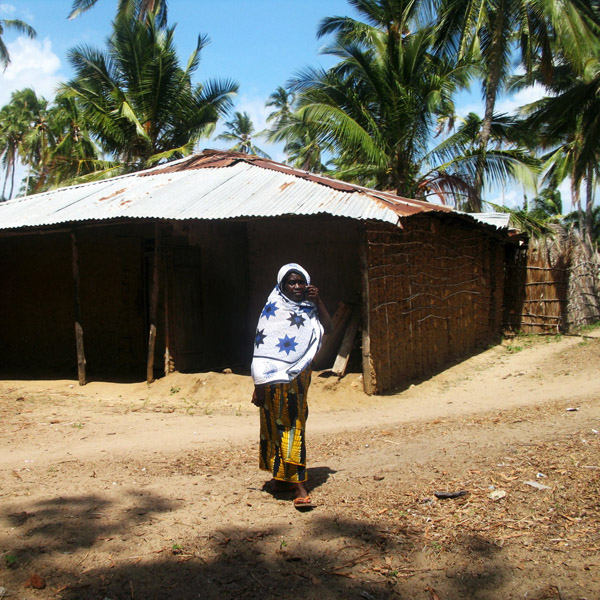
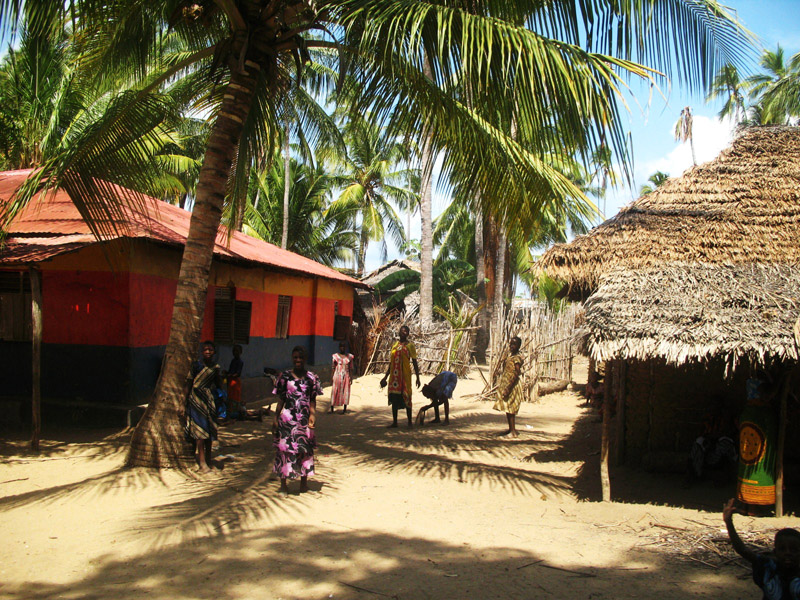
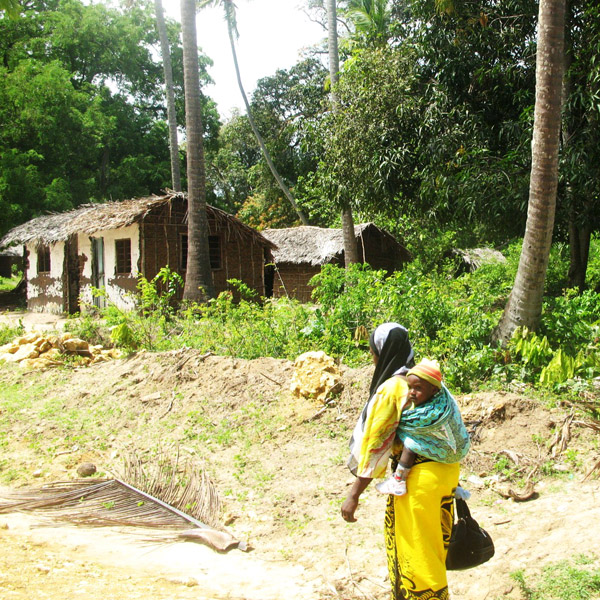
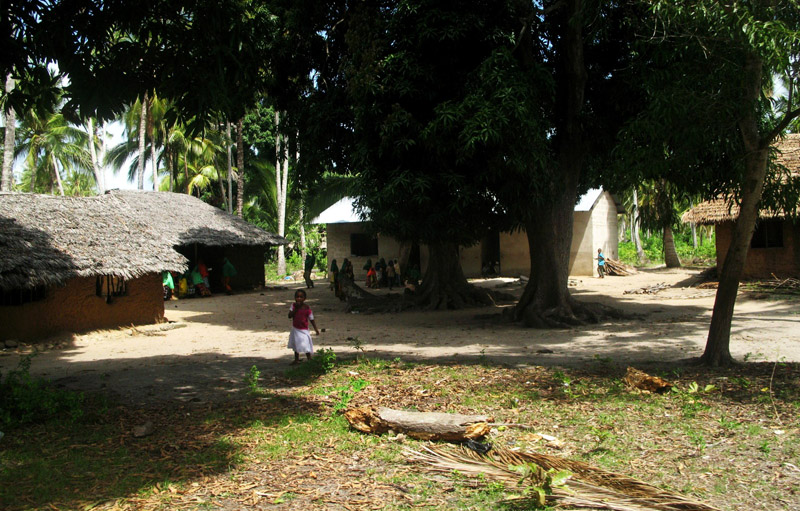
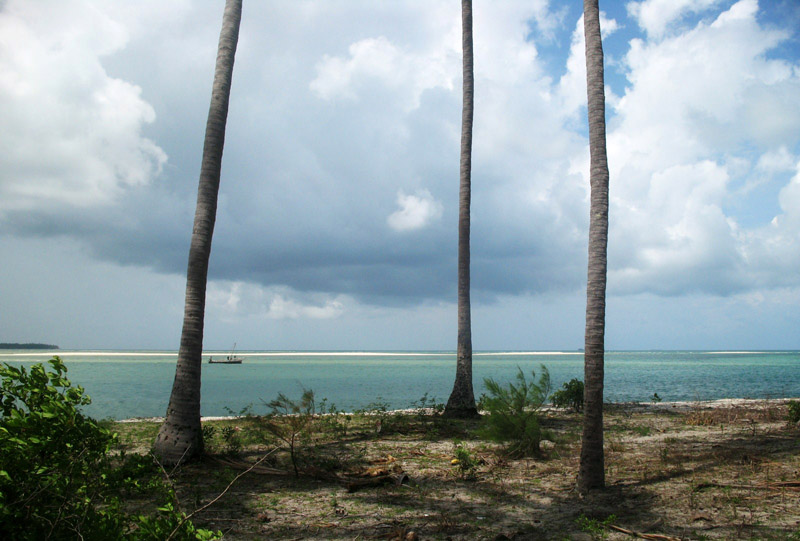
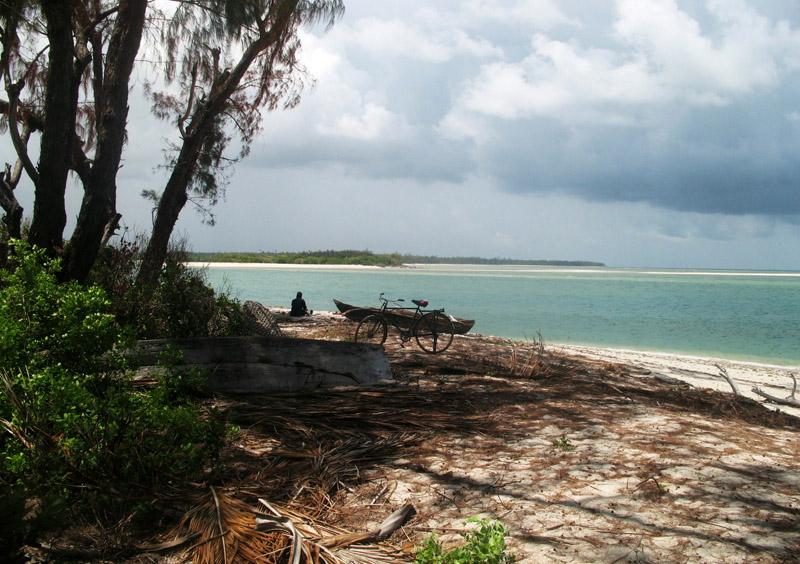
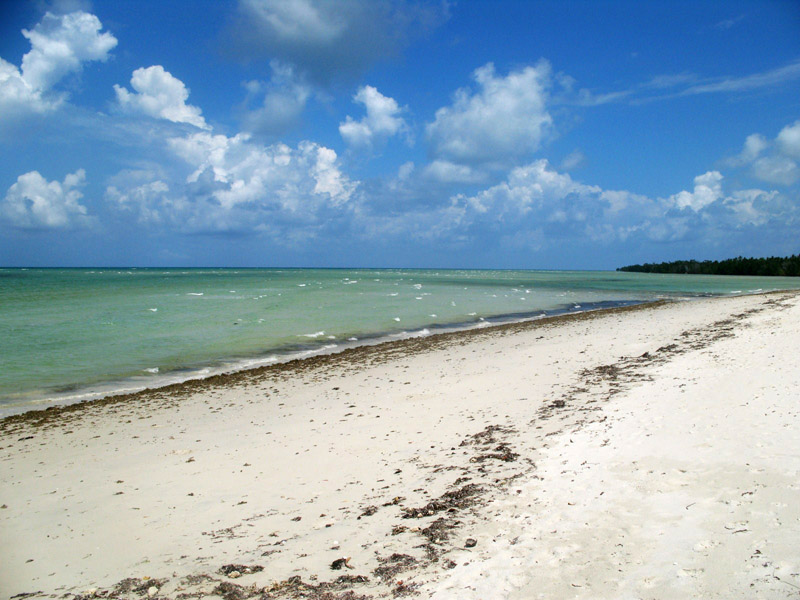
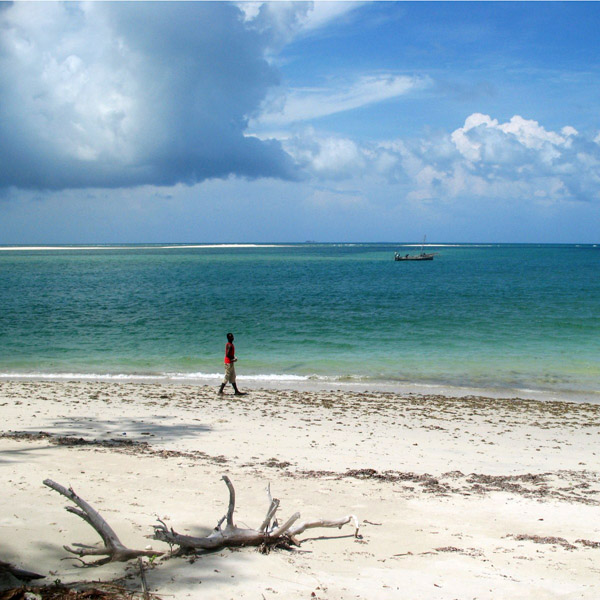
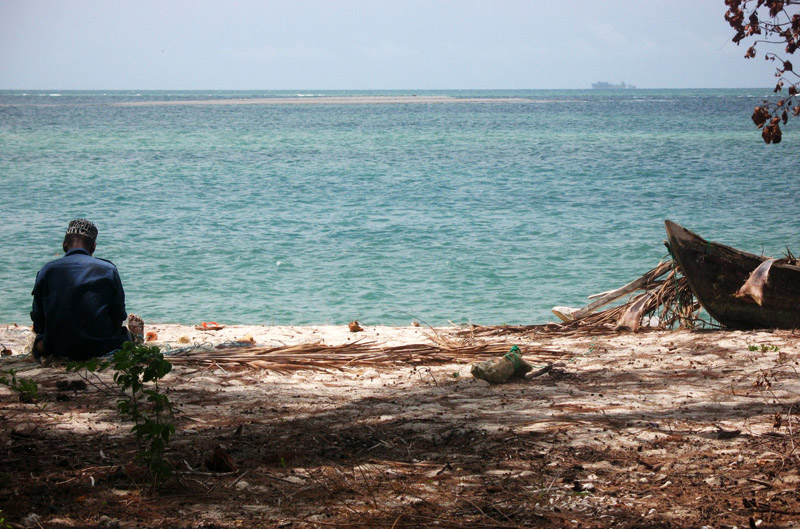
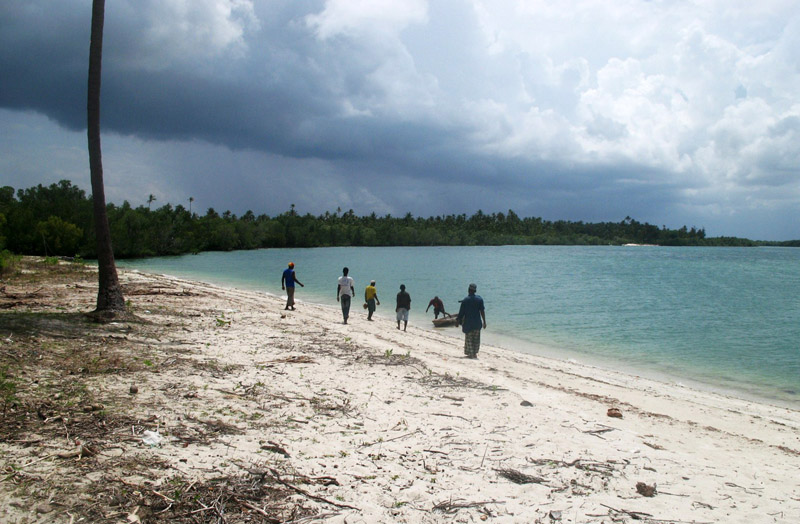
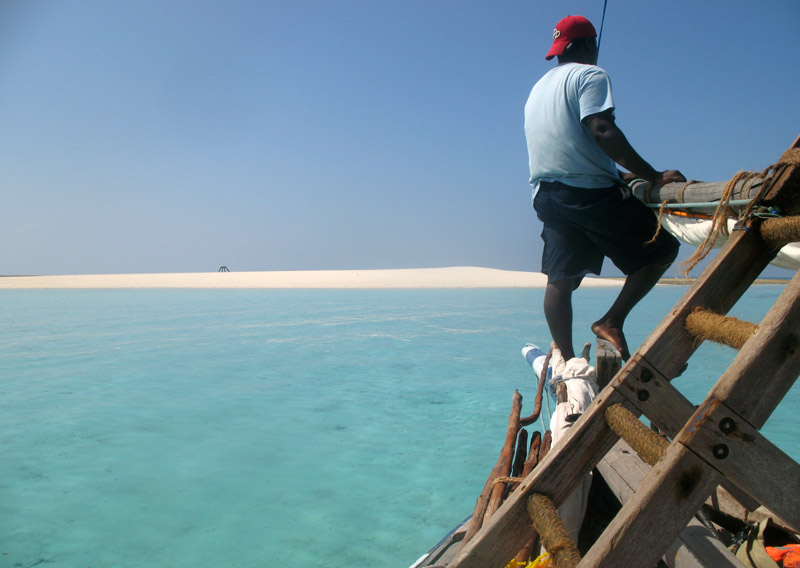
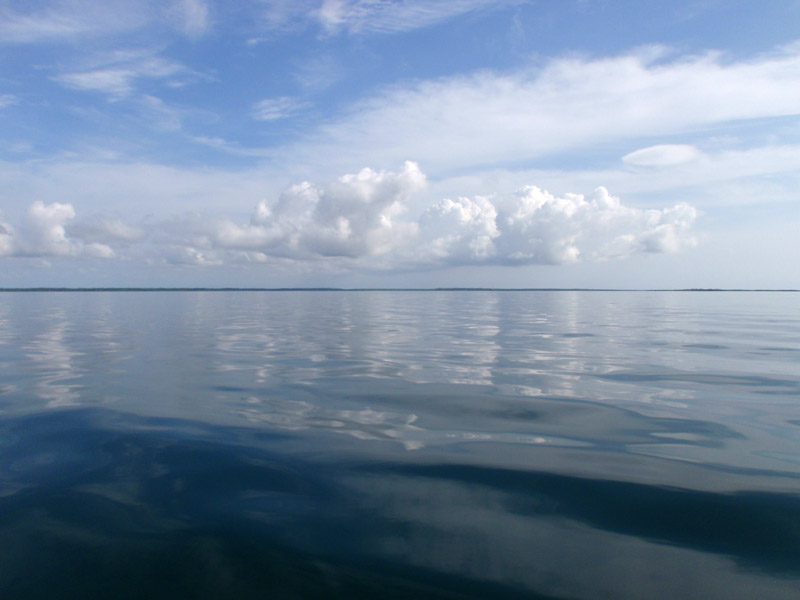
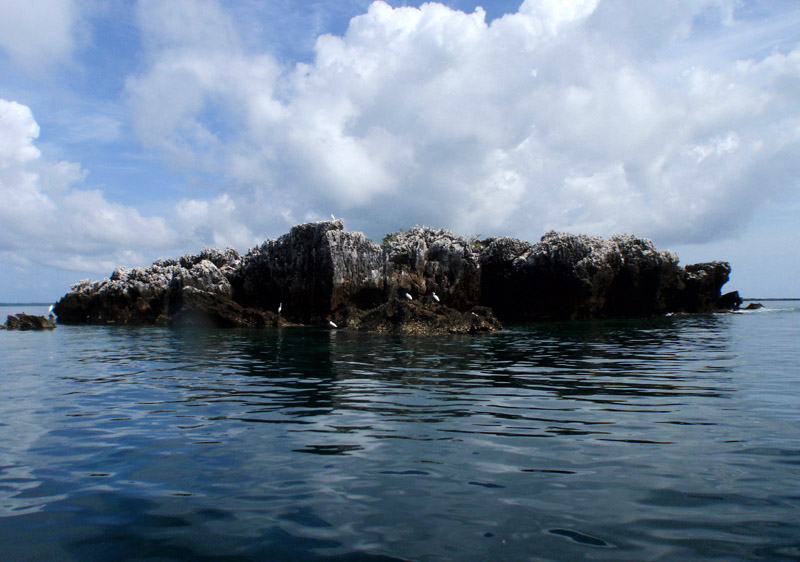
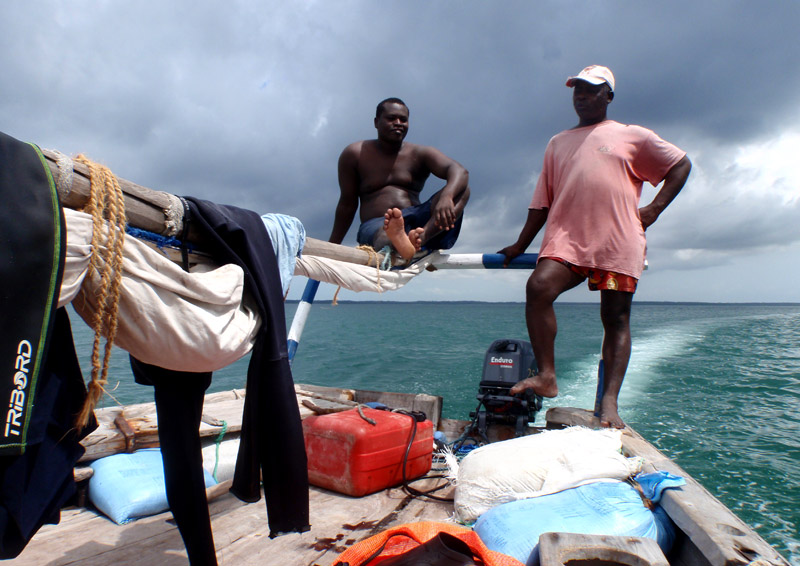
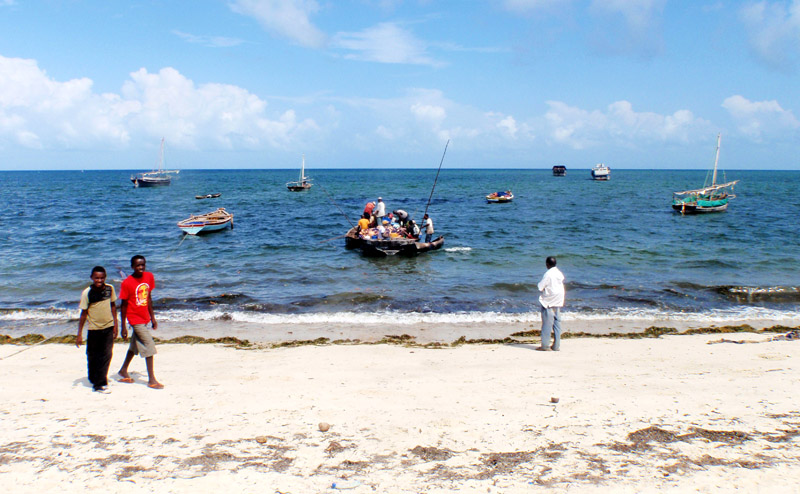
Pate island or Paté island is located in the Indian Ocean close to the northern coast of Kenya, to which it belongs. It is the largest island in the Lamu Archipelago, which lie between the towns of Lamu and Kiunga, close to the border with Somalia.

From the seventh century, Paté island was an early site of Arabic colonisation. It long vied as a Swahili port with Lamu and with Takwa on Manda Island and came to prominence around the fourteenth century, but was subjugated by Lamu in the nineteenth century.

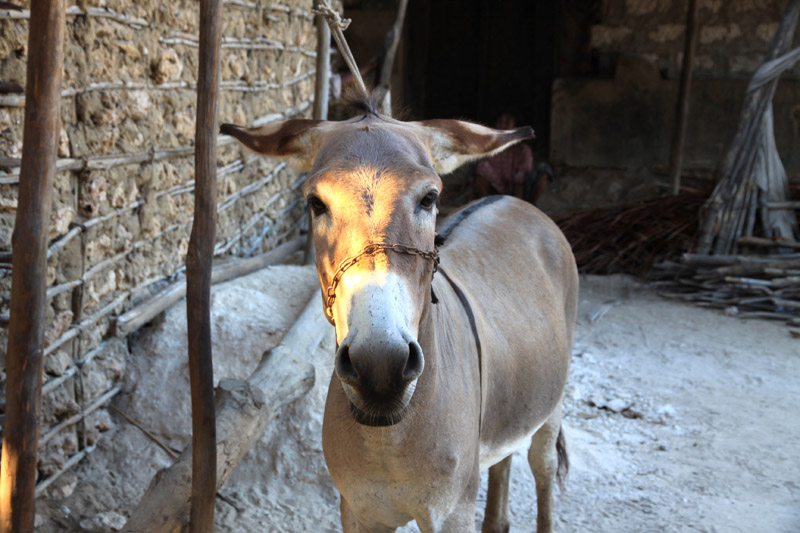
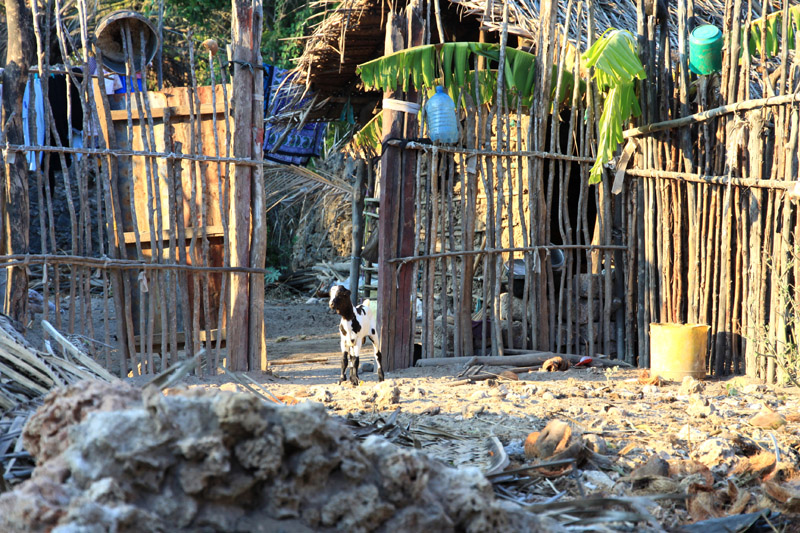
There is no motorized transport on the island. The main administrative centre on the island, with the police station, is Faza.

Source: Wikipedia (under GNU Free Documentation License)

Categories
Kenya

Lamu Island I

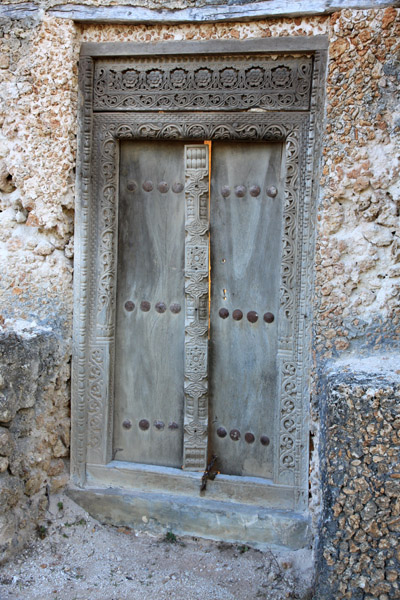
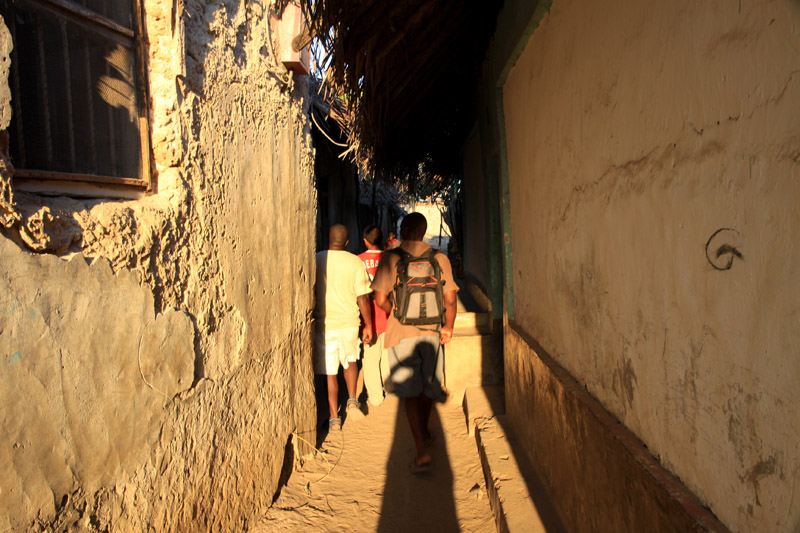
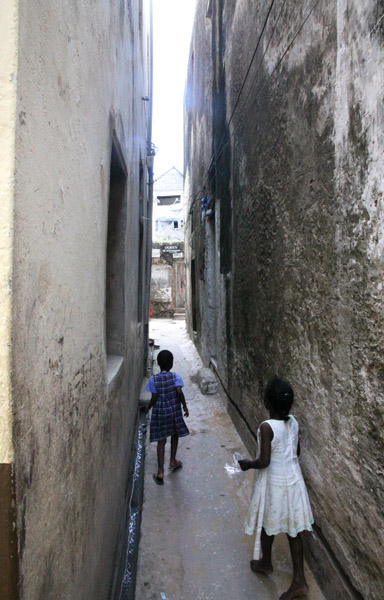
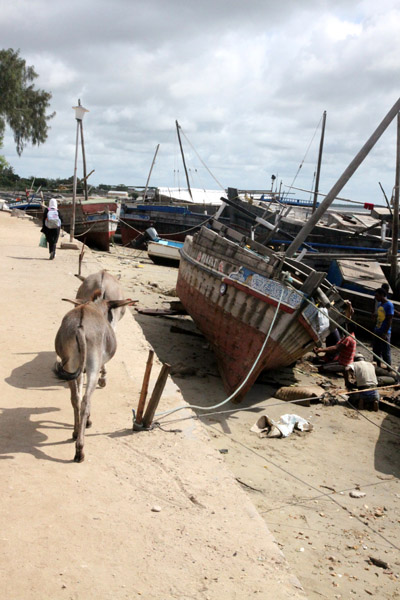
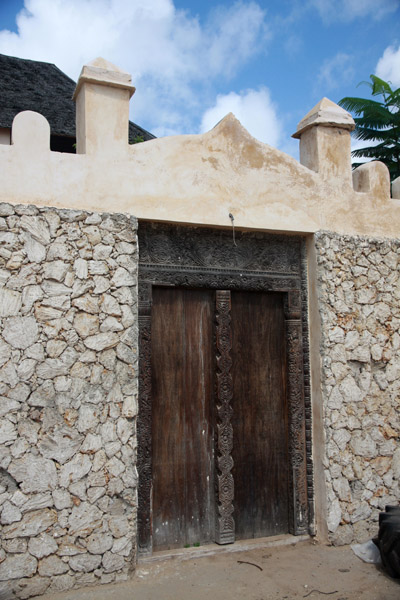
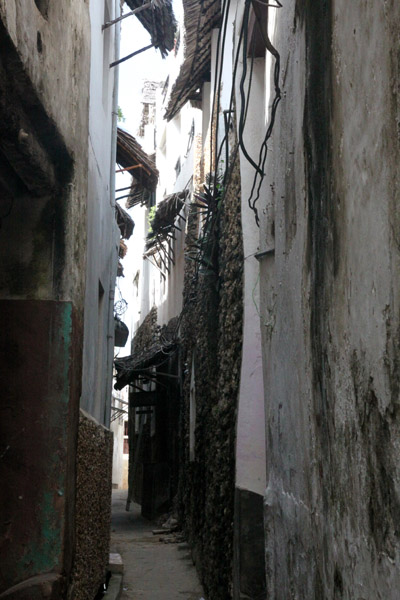
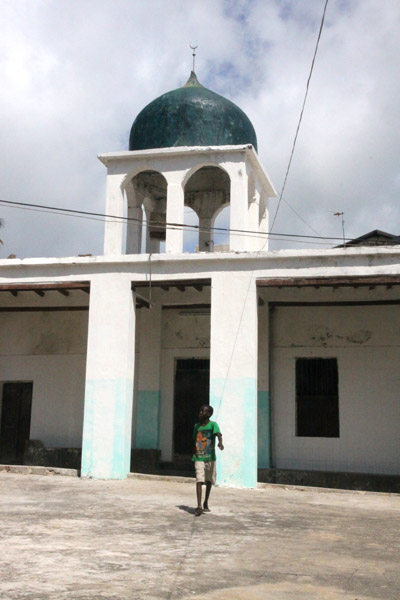
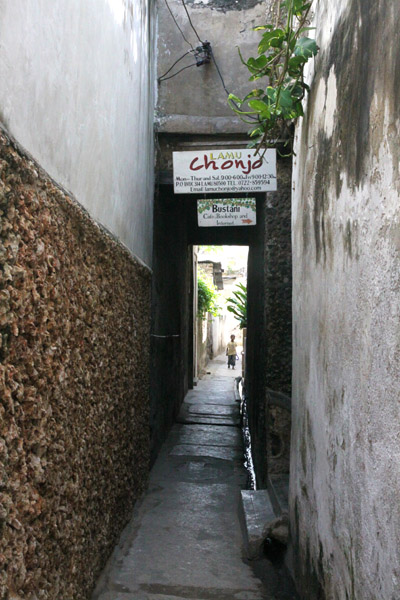
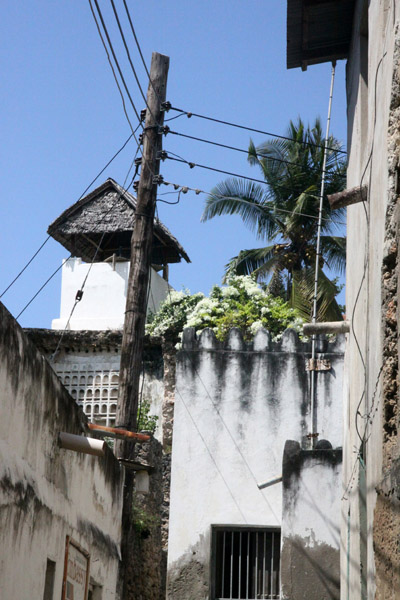
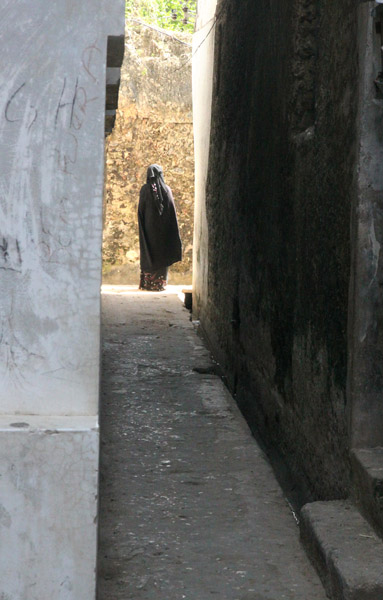
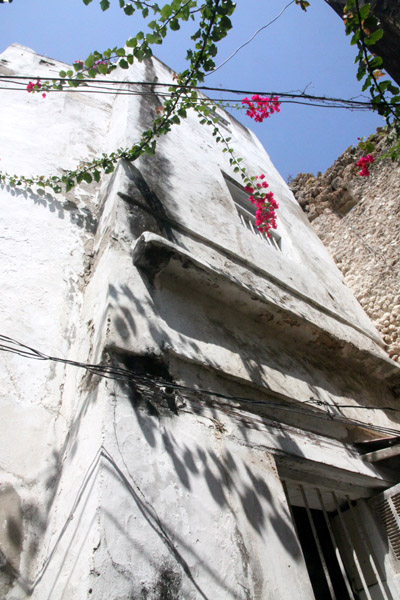
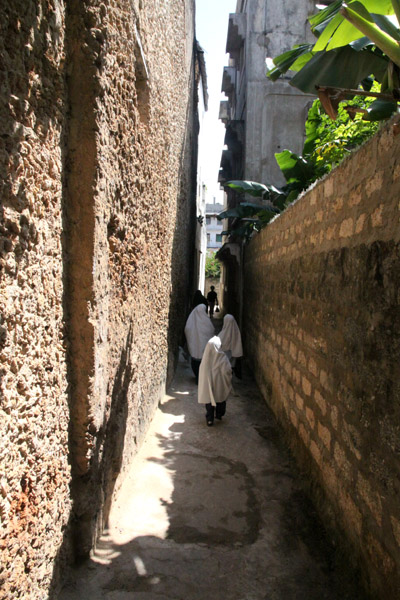
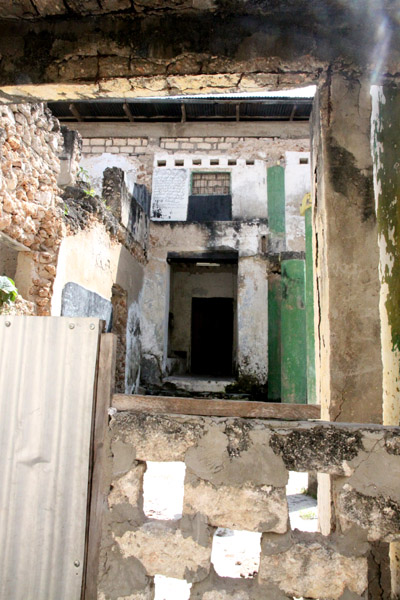
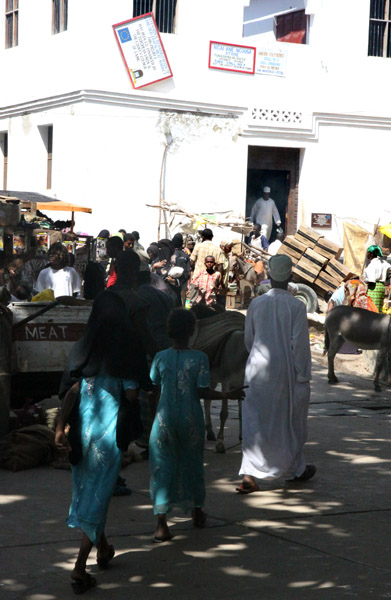
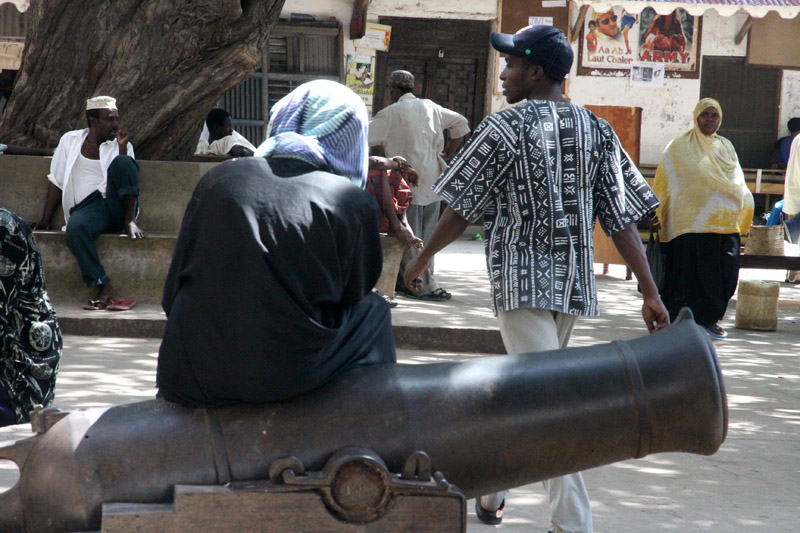
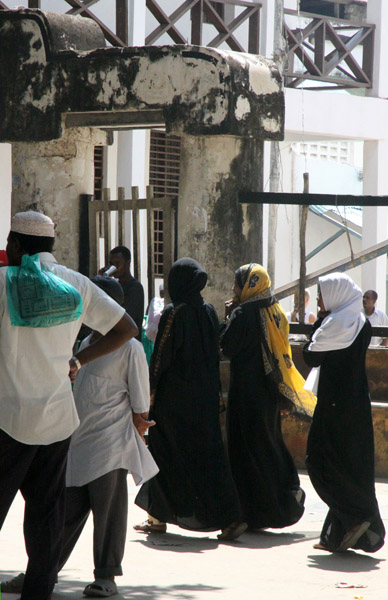
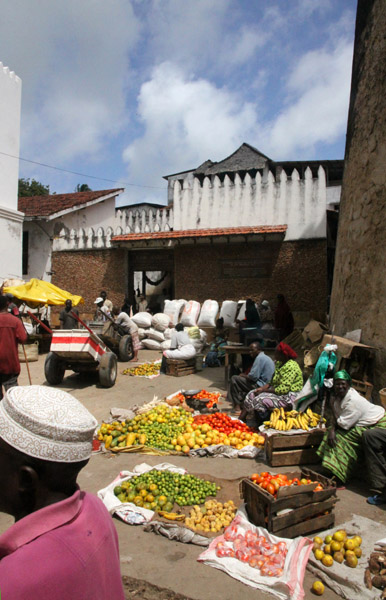
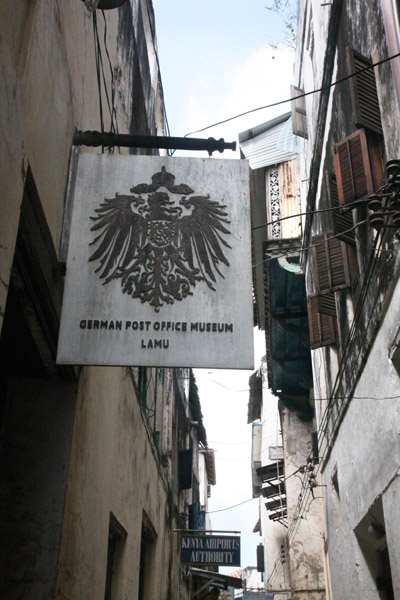
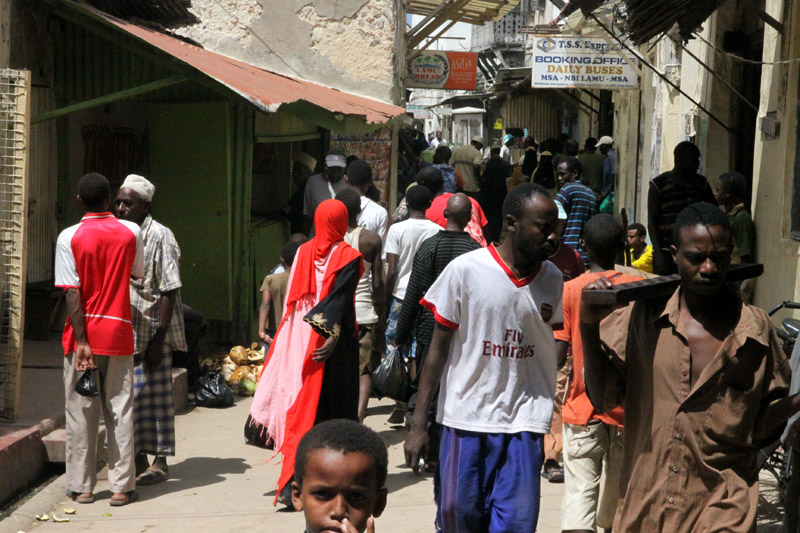
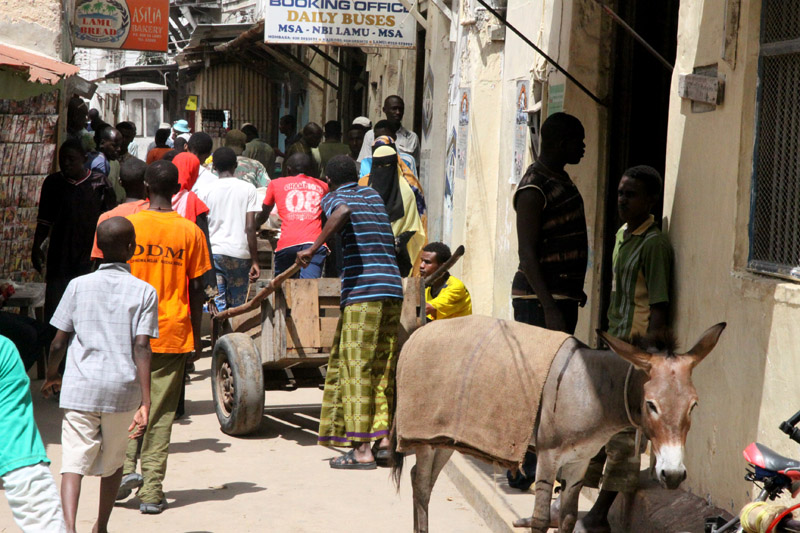
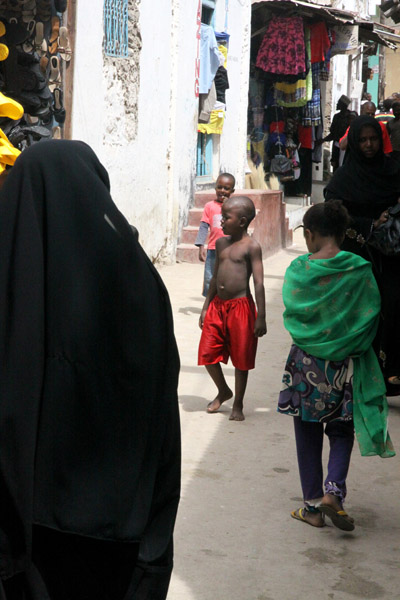
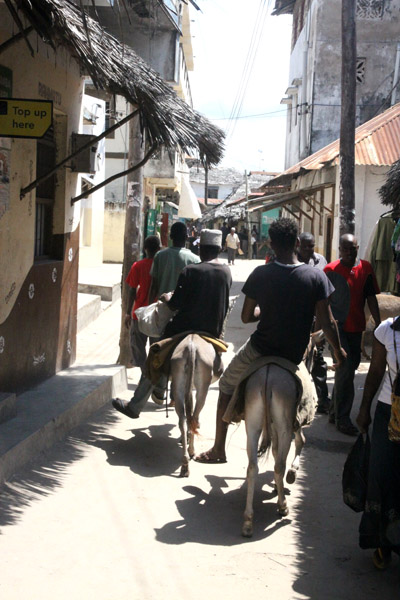
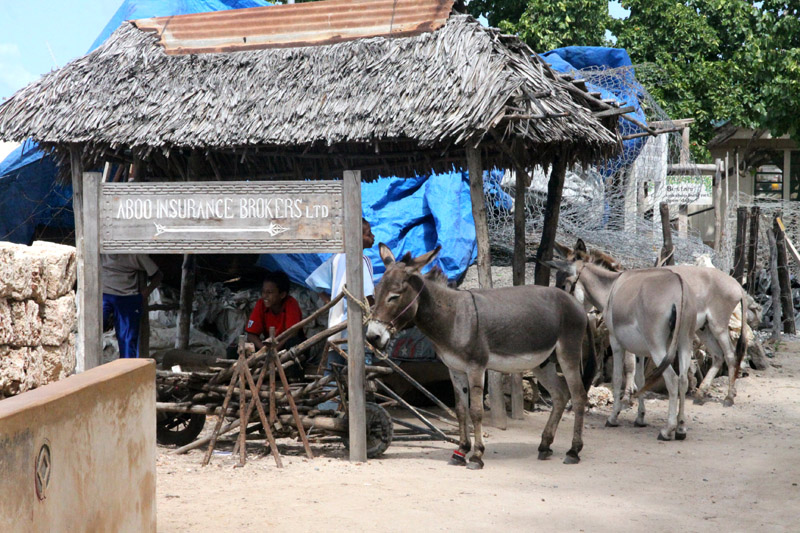
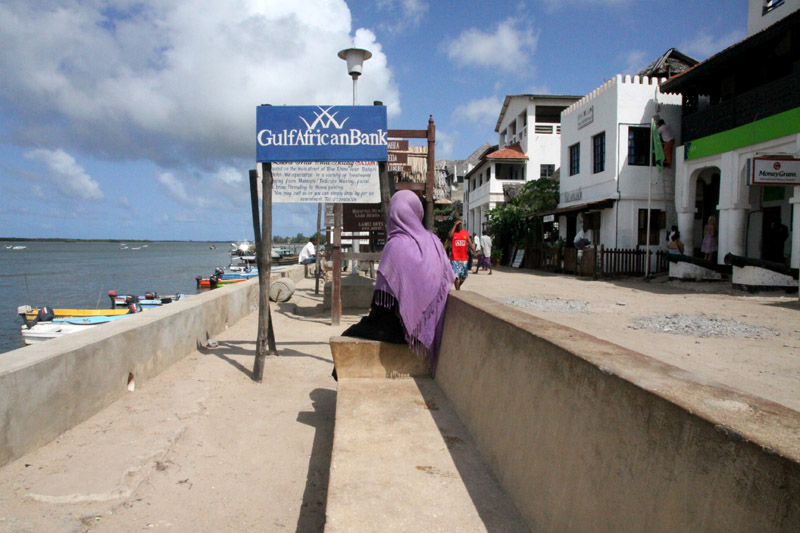
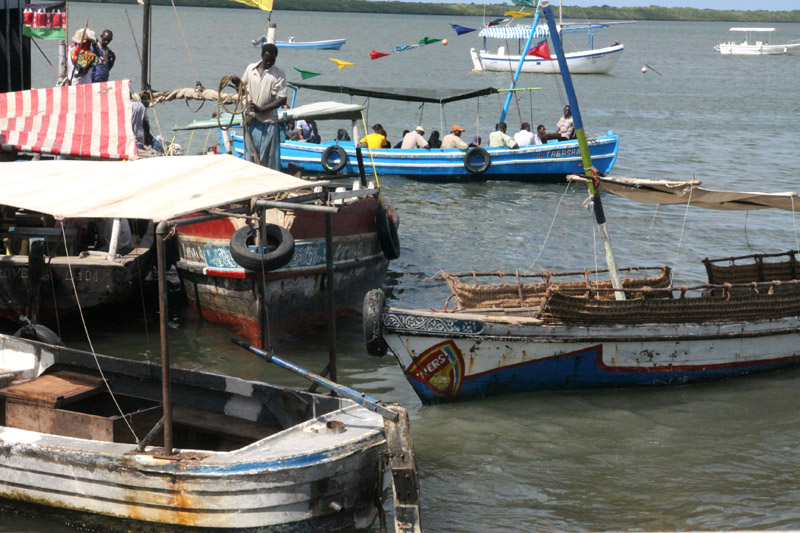
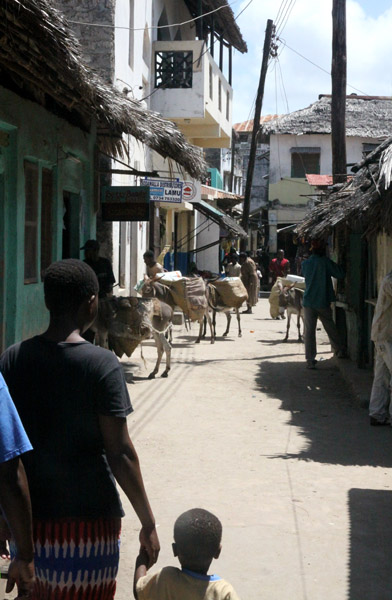
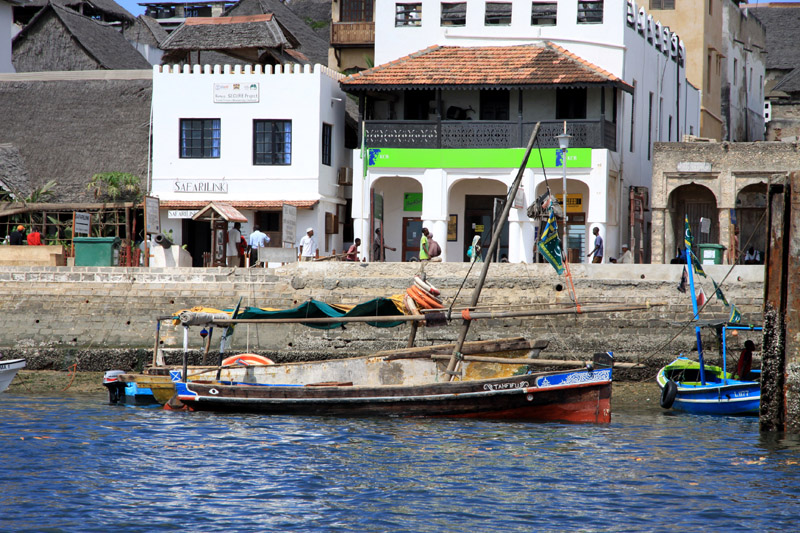
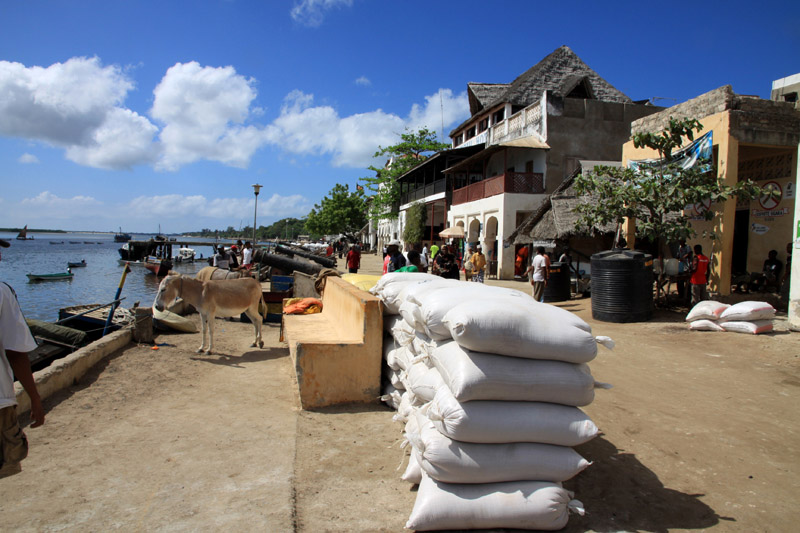
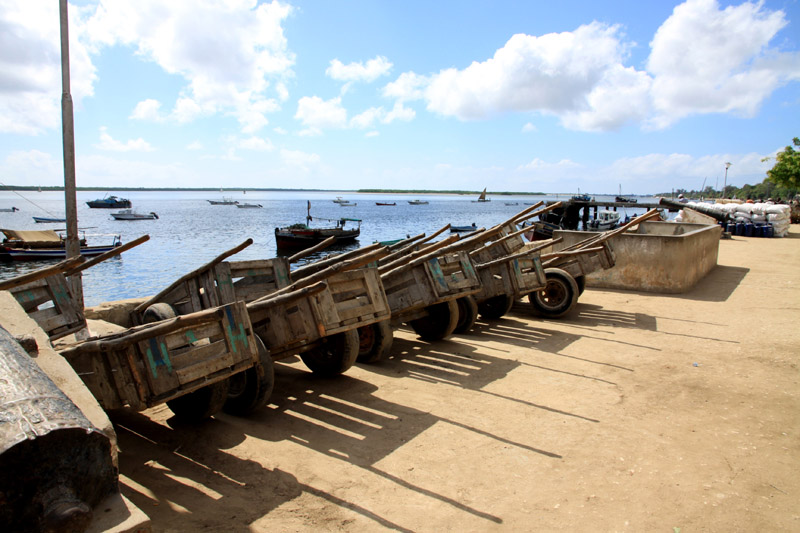
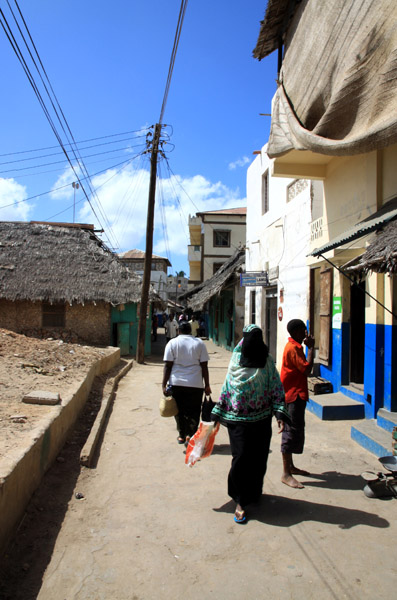
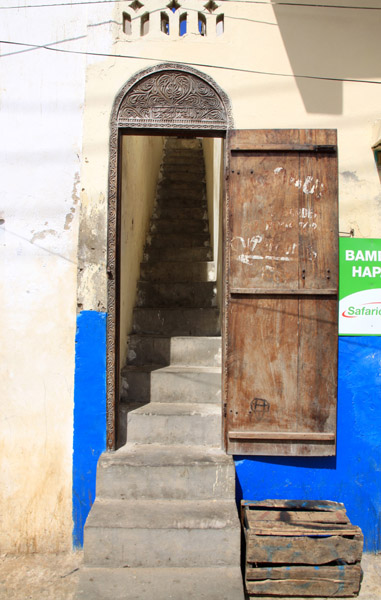
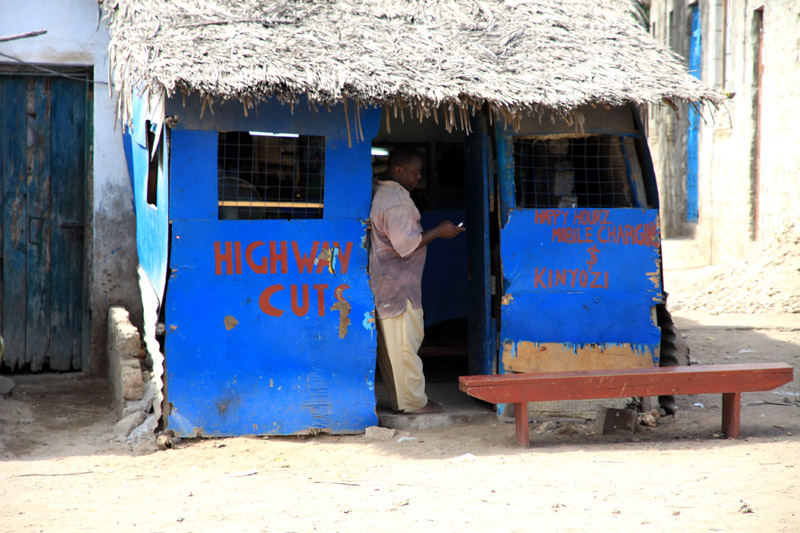
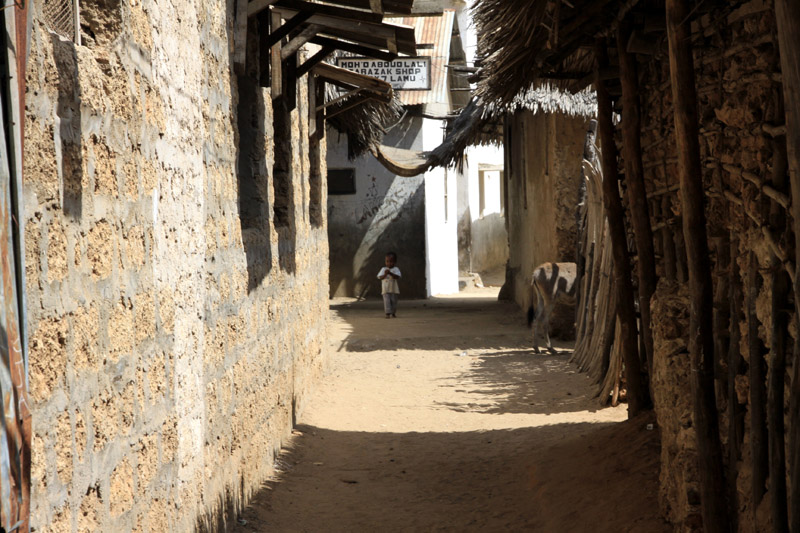
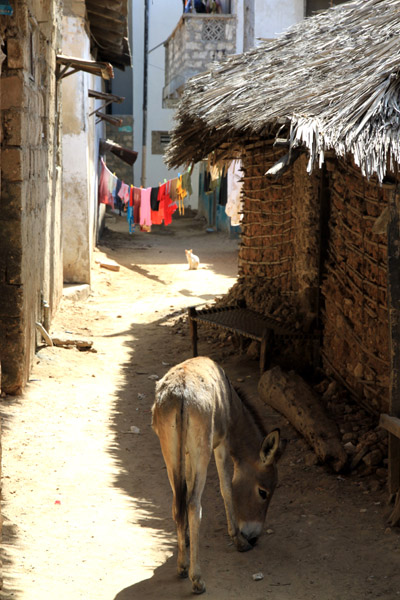
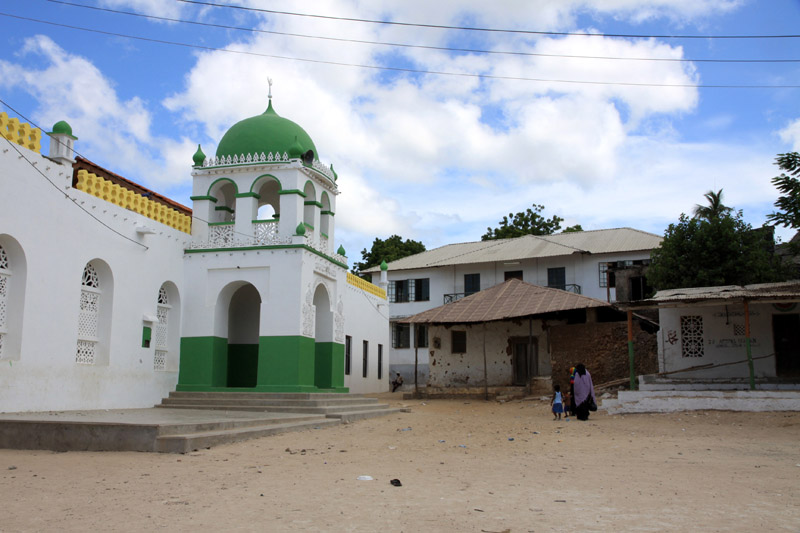
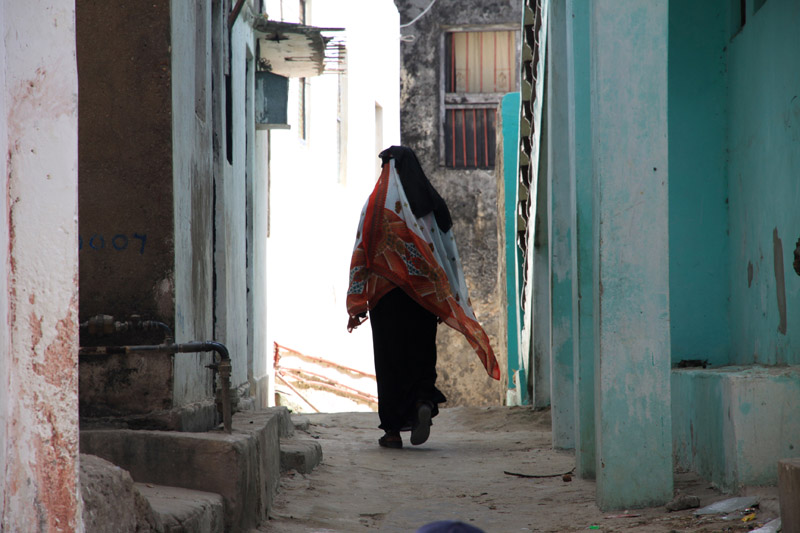
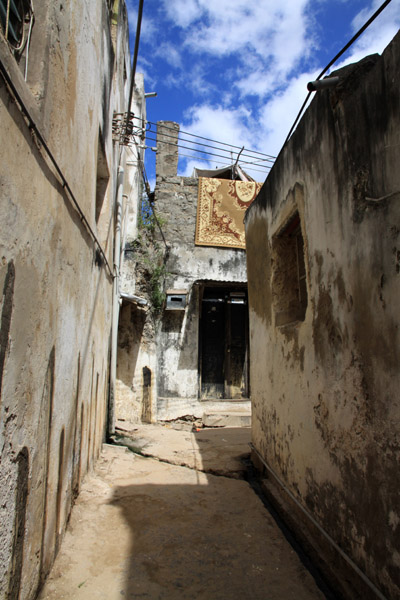
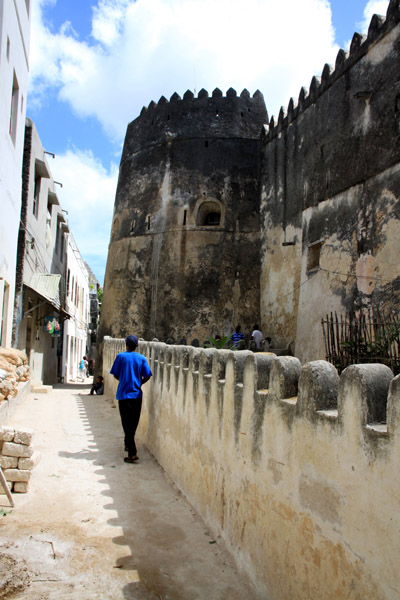
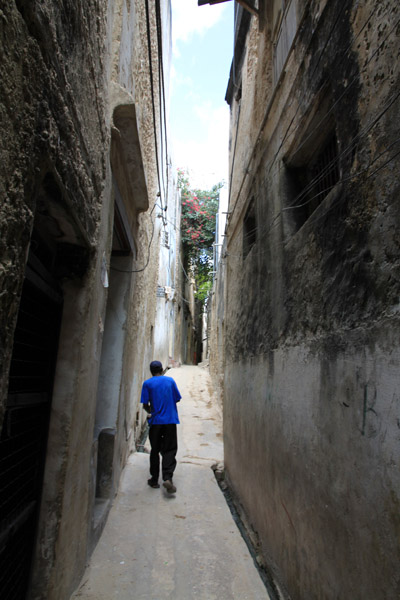
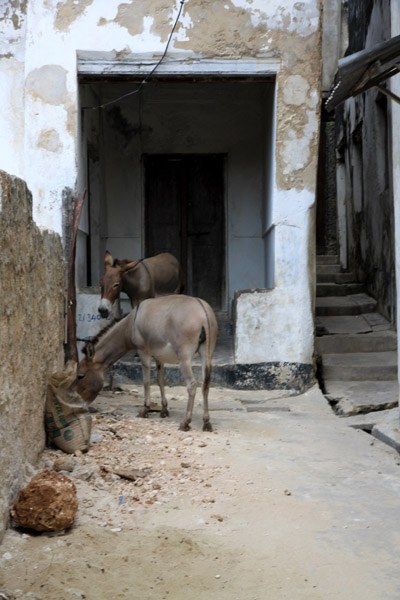
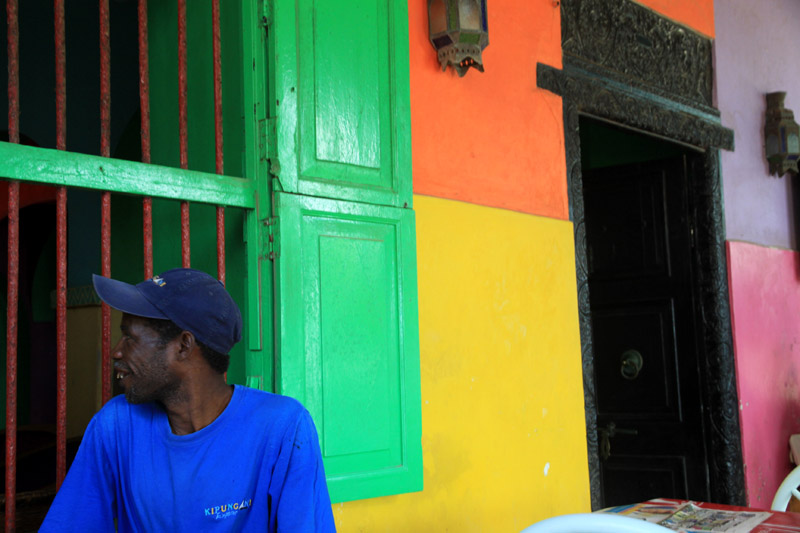
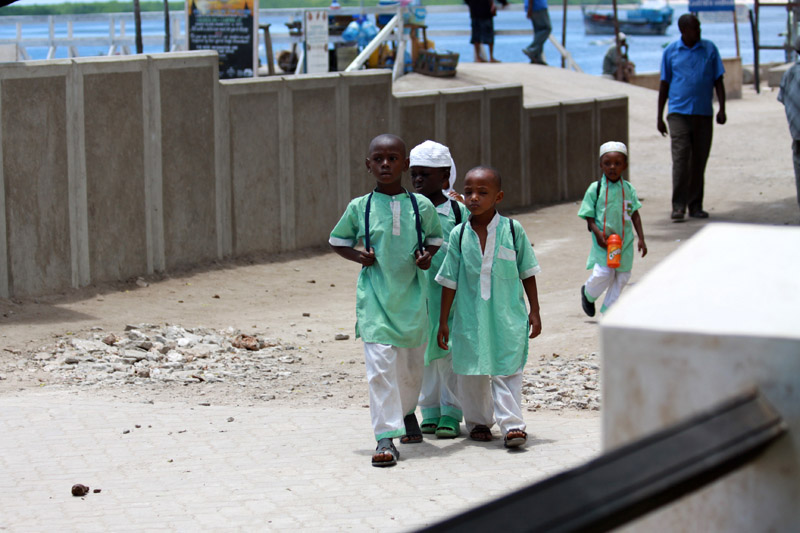
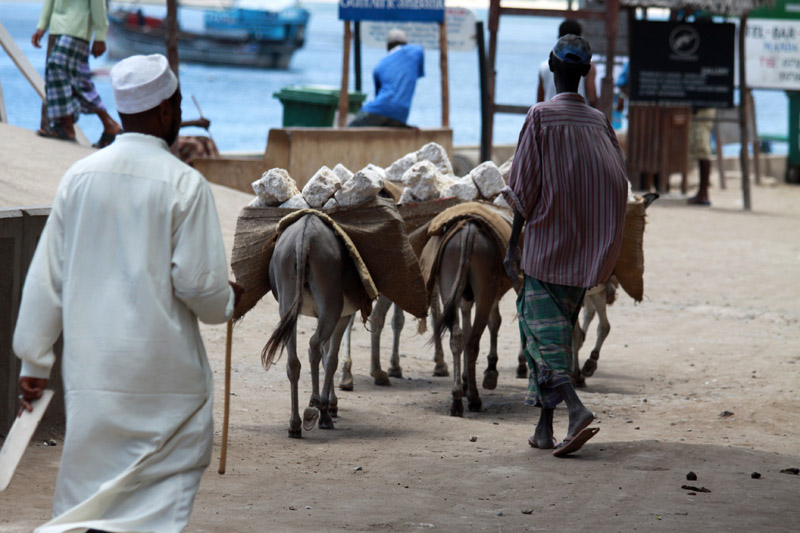
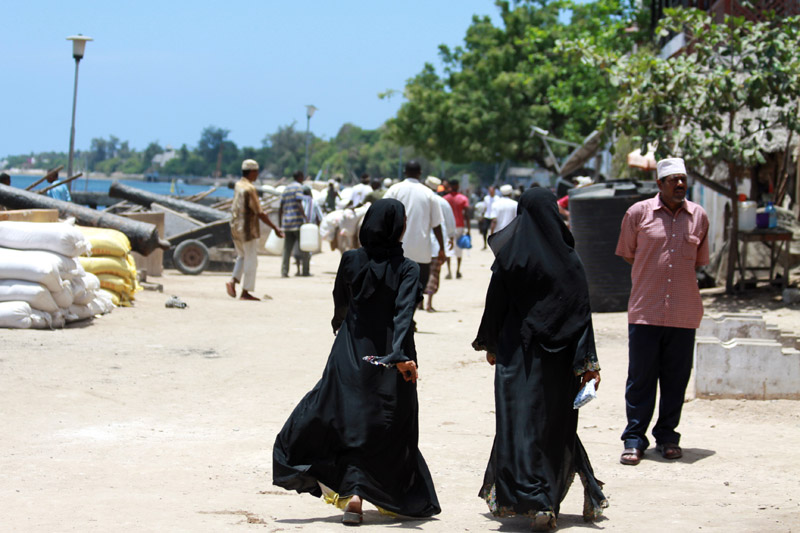
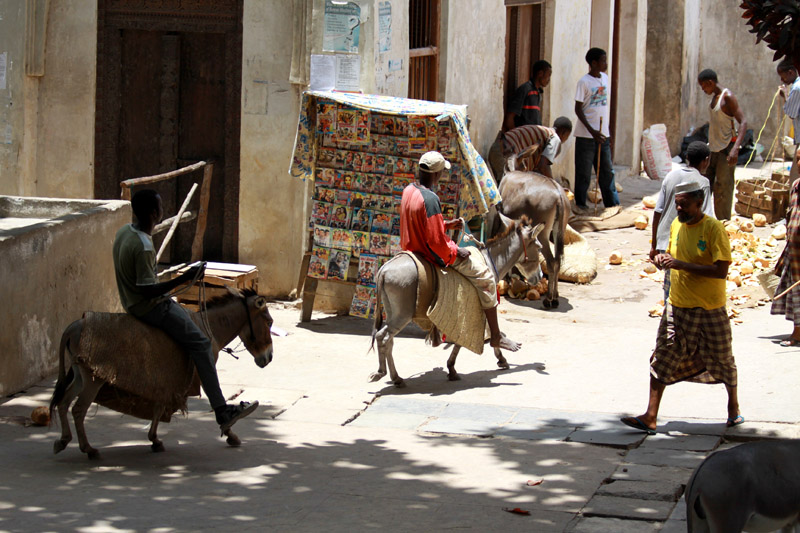
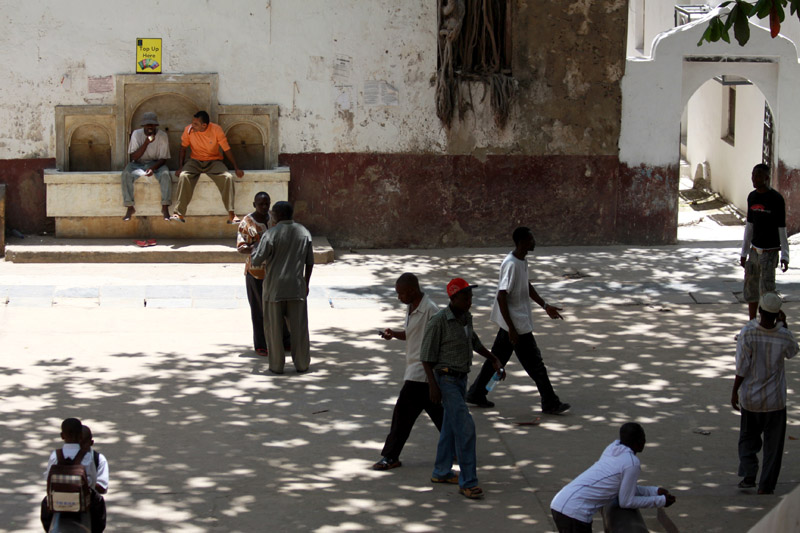
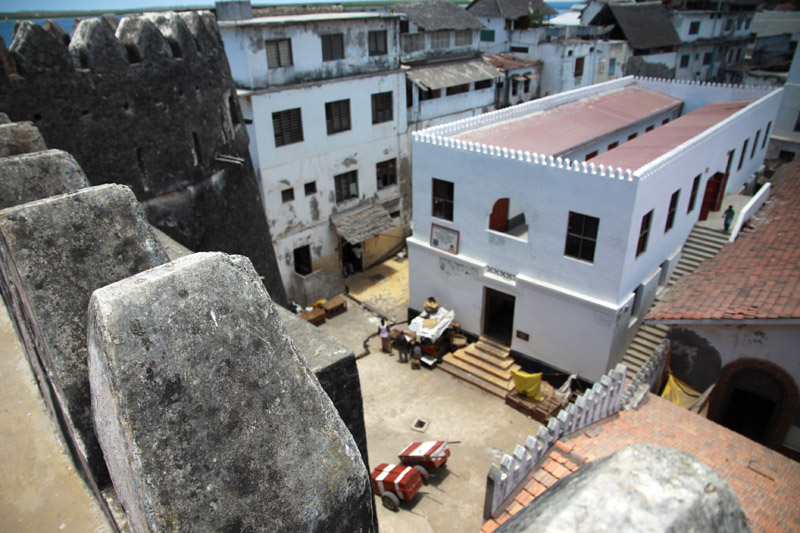
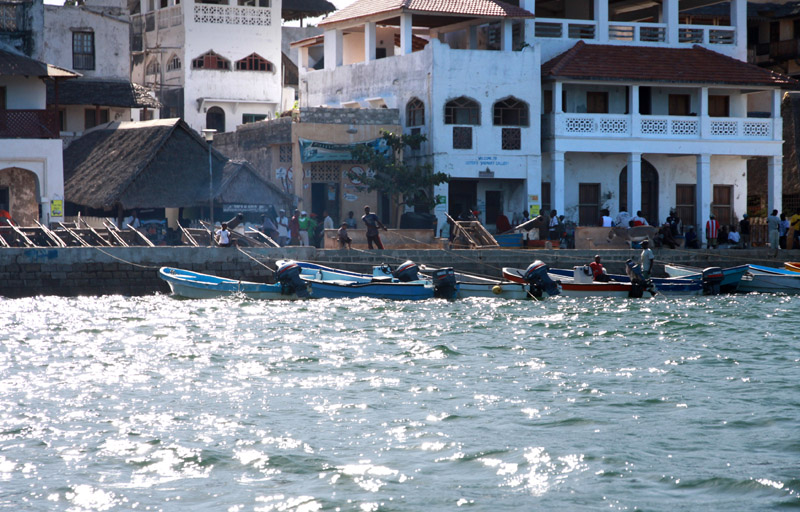
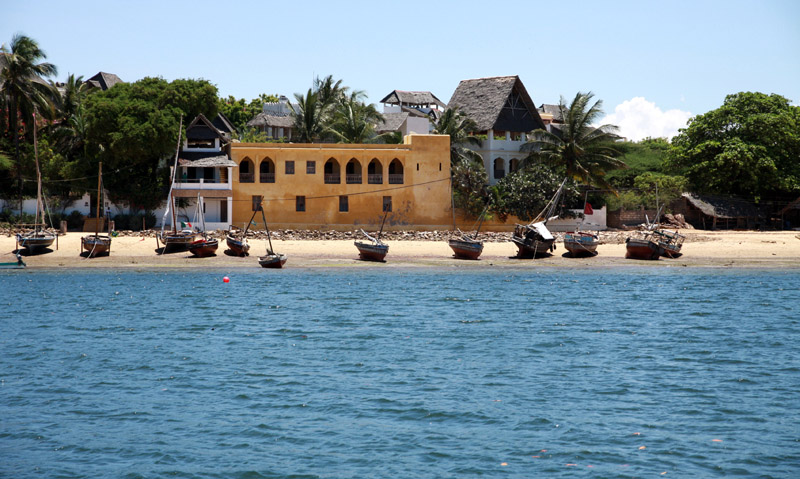
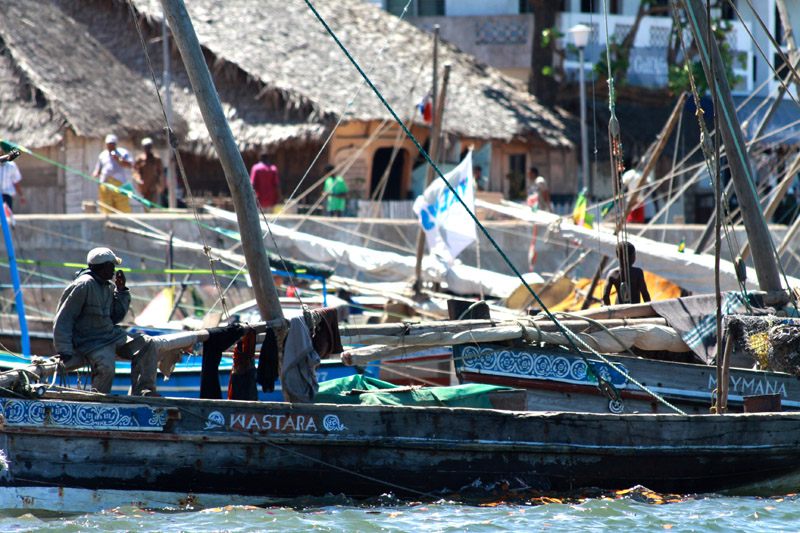
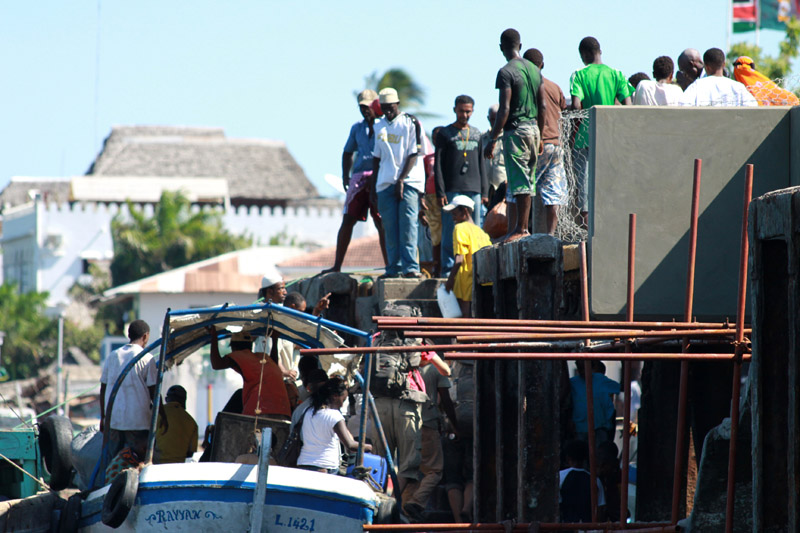
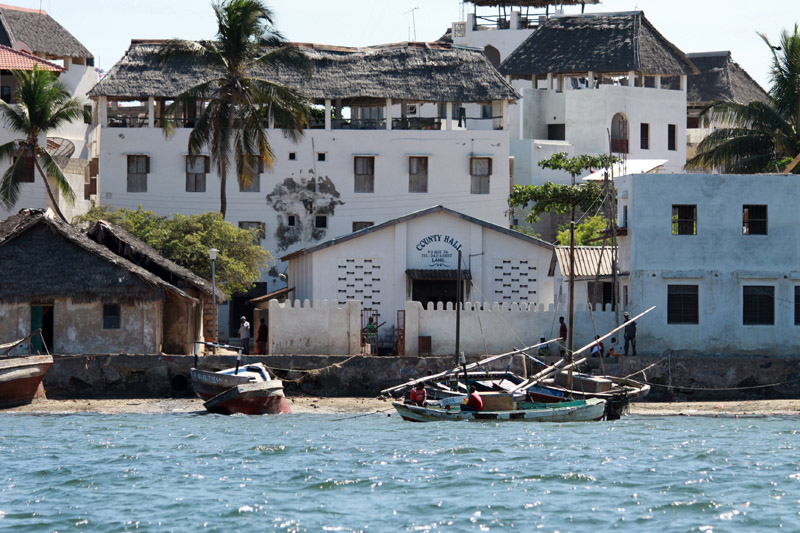
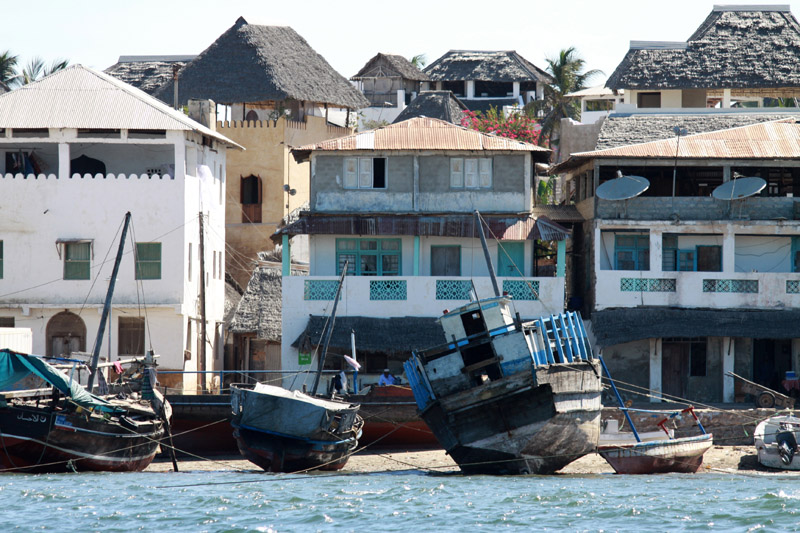
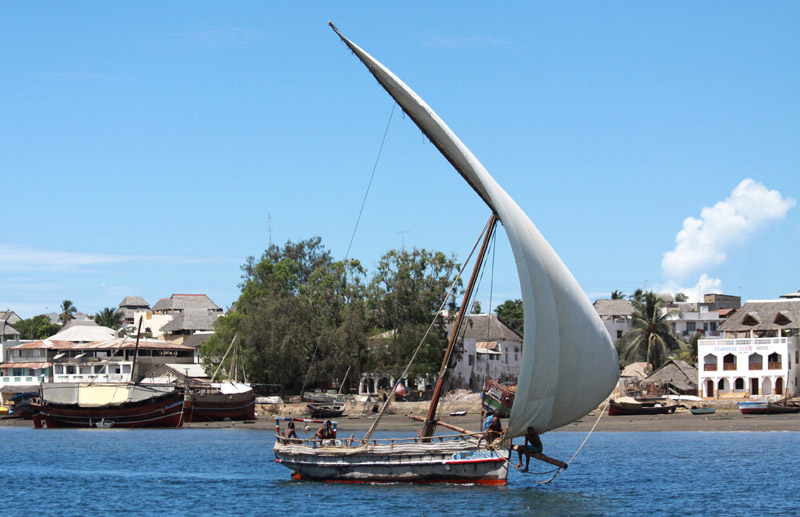
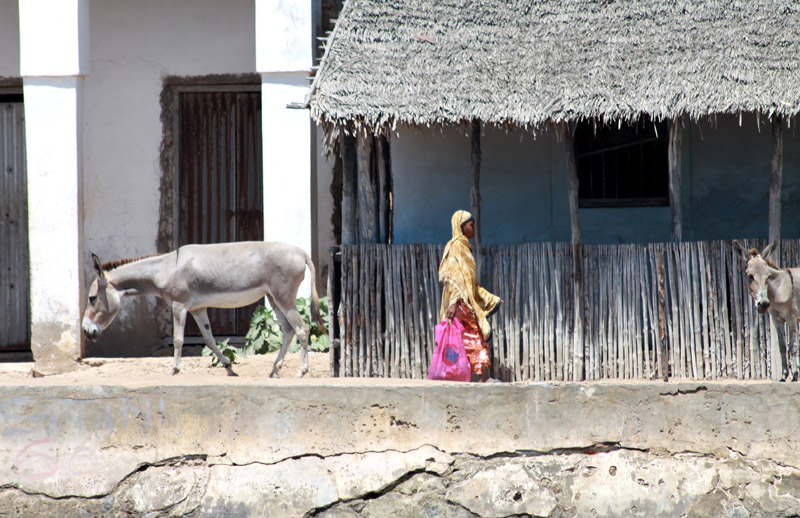
Lamu Island is a part of the Lamu Archipelago of Kenya. Lamu Old Town, the principal inhabited part of the island, is one of the oldest and best-preserved Swahili settlement in East Africa. Built in coral stone and mangrove timber, the town is characterized by the simplicity of structural forms enriched by such features as inner courtyards, verandas, and elaborately carved wooden doors. Lamu has hosted major Muslim religious festivals since the 19th century, and has become a significant center for the study of Islamic and Swahili cultures. The island is linked by boat to Mokowe on the mainland and to Manda Island, where there is an airport. There are no roads on the island, just alleyways and footpaths, and therefore, there are few motorized vehicles on the island. Residents move about on foot or by boat, and donkeys are used to transport goods and materials.

A port was founded on the island of Lamu by Arab traders at least as early as the fourteenth century, when the Pwani Mosque was built. The island prospered on the slave trade. After defeating Pate Island in the nineteenth century, the island became a local power, but it declined after the British forced the closure of the slave markets in 1873. In 1890 the island became part of Zanzibar and remained obscure until Kenya was granted independence from Great Britain in 1963. Tourism developed from the 1970s, mainly around the eighteenth century Swahili architecture and traditional culture.

Lamu Old Town was designated as a UNESCO World Heritage site in 2001 base on 3 criterion:

  • The architecture and urban structure of Lamu graphically demonstrate the cultural influences that have come together there over several hundred years from Europe, Arabia, and India, utilizing traditional Swahili techniques to produce a distinct culture.
  • The growth and decline of the seaports on the East African coast and interaction between the Bantu, Arabs, Persians, Indians, and Europeans represents a significant cultural and economic phase in the history of the region which finds its most outstanding expression in Lamu Old Town.
  • Its paramount trading role and its attraction for scholars and teachers gave Lamu an important religious function in the region. It continues to be a significant centre for education in Islamic and Swahili culture.

Source: Wikipedia (under GNU Free Documentation License)

Categories
Kenya

Manda Island

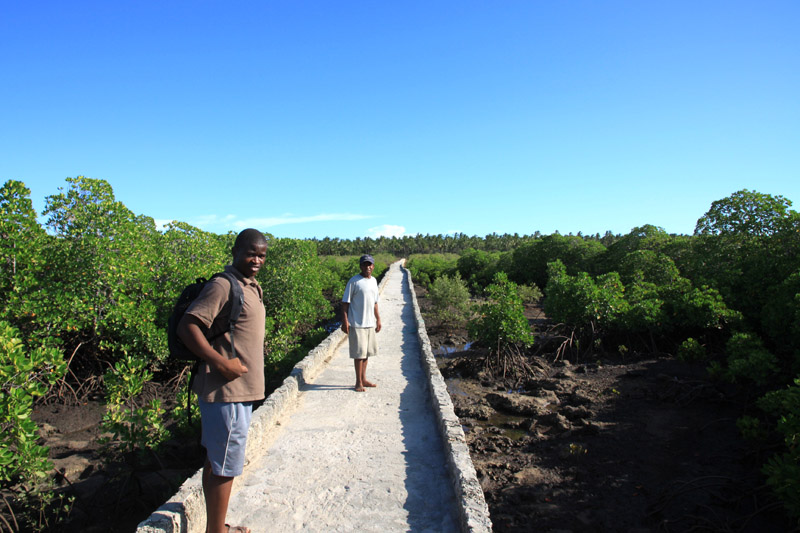
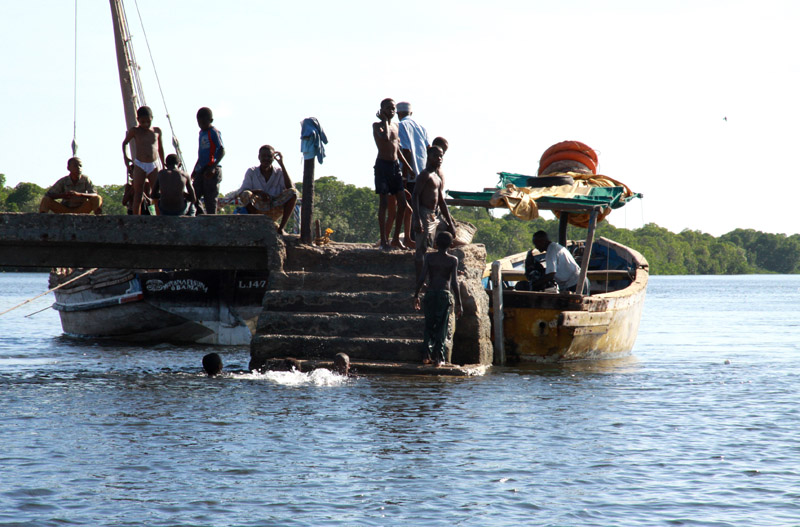
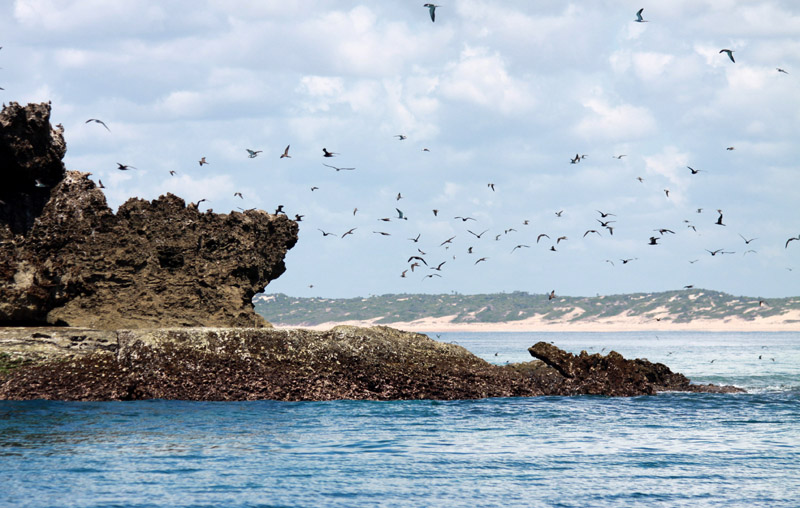
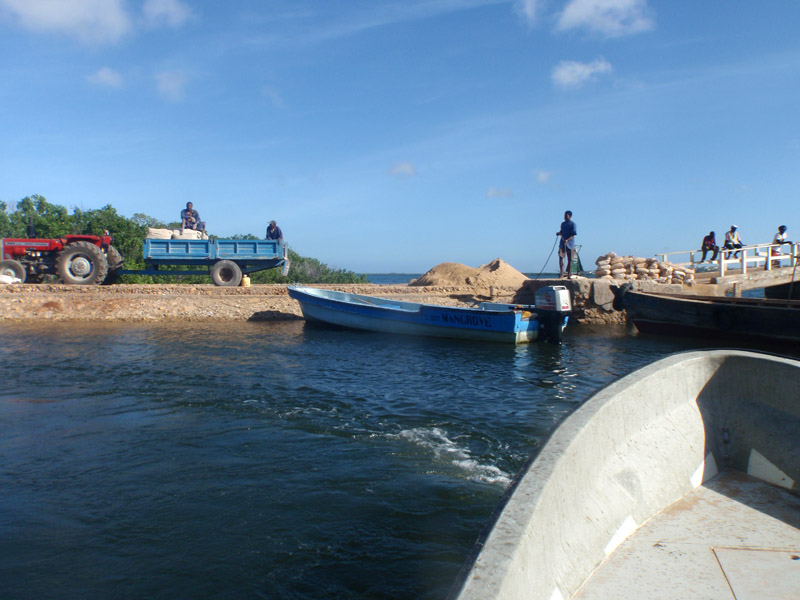
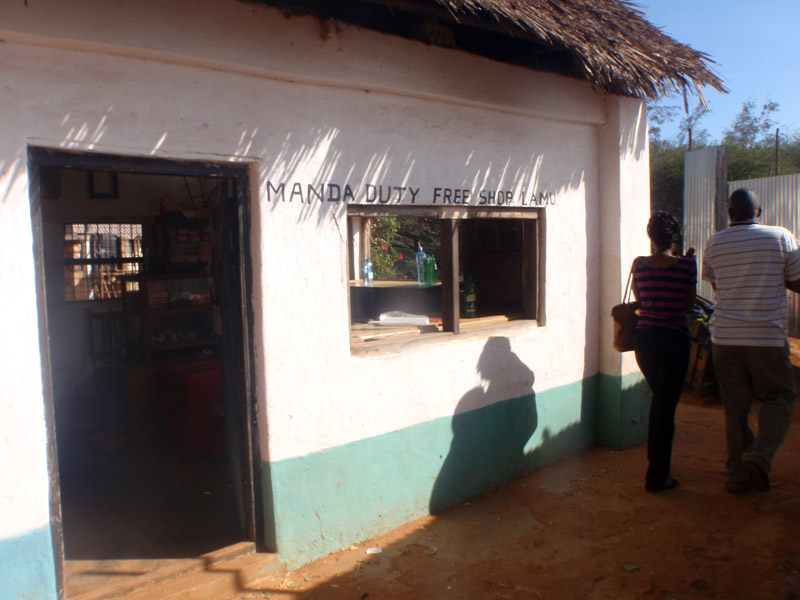
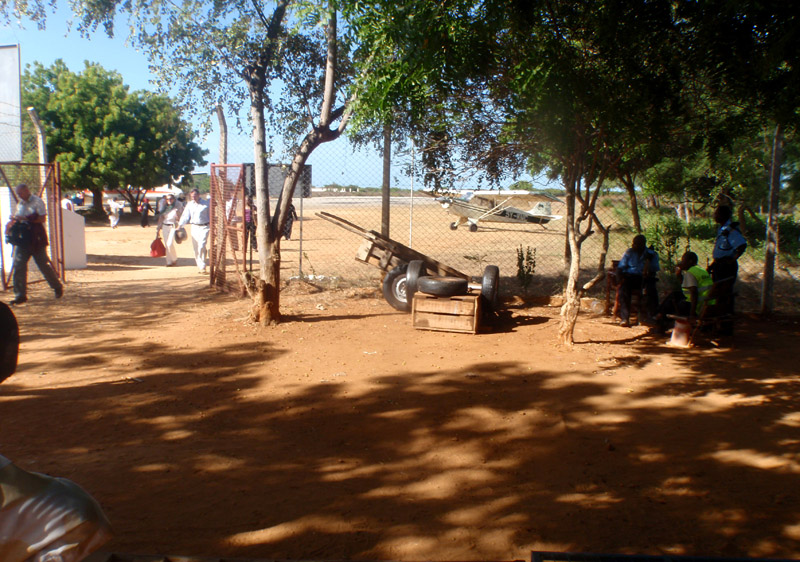
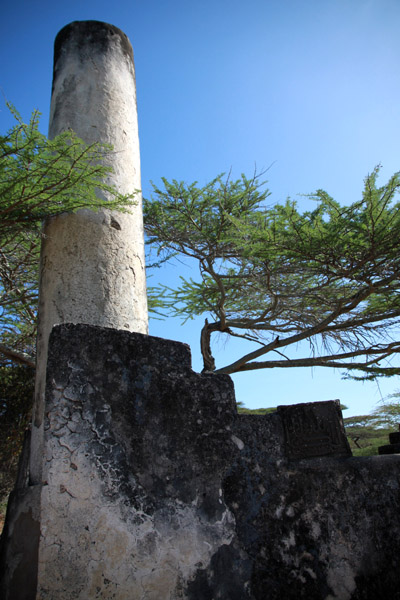
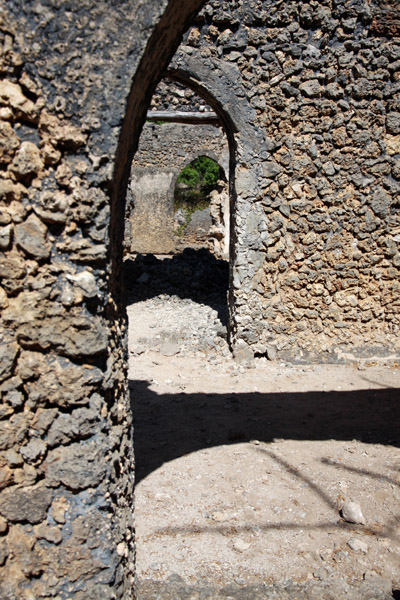
Manda is an island of the Lamu Archipelago of Kenya, known for the prosperous 9th century ports of Takwa and Manda town. The island is now linked by ferry to Lamu and is home to Manda Airport, while Manda Toto island lies to its west. The island is separated from the mainland by the narrow Mkanda channel.

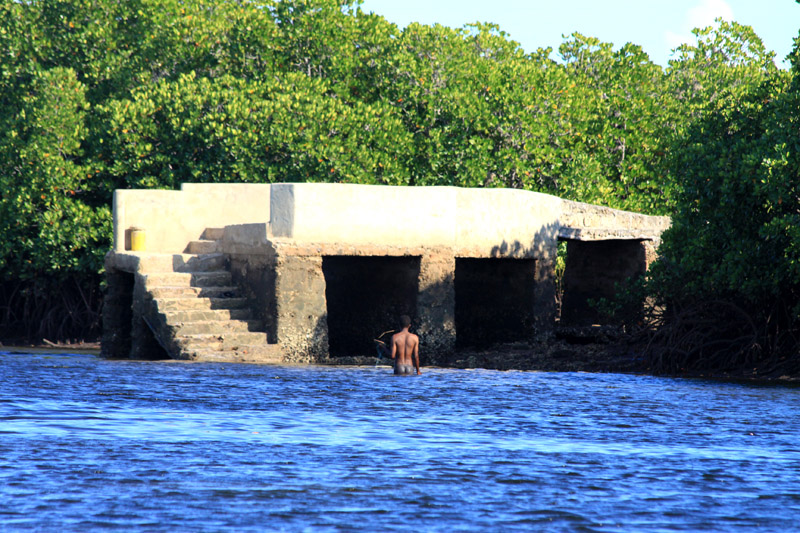
Both Manda town and Takwa were probably abandoned due to lack of water in the first half of the 19th century. In the 1960s the Kenya Department of Agriculture recommended building several concrete catchments called jabias to capture rain water on the island. Two jabias were built and many families moved onto the island, farming maize, cassava, simsim and cotton.

Source: Wikipedia (under GNU Free Documentation License)

Categories
Tanzania

Zanzibar III

Zanzibar (pronounced /ˈzænzɨbɑr/) is a semi-autonomous part of the United Republic of Tanzania, in East Africa. It comprises the Zanzibar Archipelago in the Indian Ocean, 25–50 kilometres (16–31 mi) off the coast of the mainland, and consists of numerous small islands and two large ones: Unguja (the main island, informally referred to as Zanzibar), and Pemba. Zanzibar was once a separate state with a long trading history within the Arab world; it united with Tanganyika to form Tanzania in 1964 and still enjoys a high degree of autonomy within the union. The capital of Zanzibar, located on the island of Unguja, is Zanzibar City, and its historic center, known as Stone Town, is a World Heritage Site.

Zanzibar’s main industries are spices, raffia, and tourism. In particular, the islands produce cloves, nutmeg, cinnamon and pepper. For this reason, the islands, together with Tanzania’s Mafia Island, are sometimes called the Spice Islands (a term also associated with the Maluku Islands in Indonesia). Zanzibar’s ecology is of note for being the home of the endemic Zanzibar Red Colobus and the (possibly extinct) Zanzibar Leopard.

Source: Wikipedia (under GNU Free Documentation License)

Categories
Tanzania

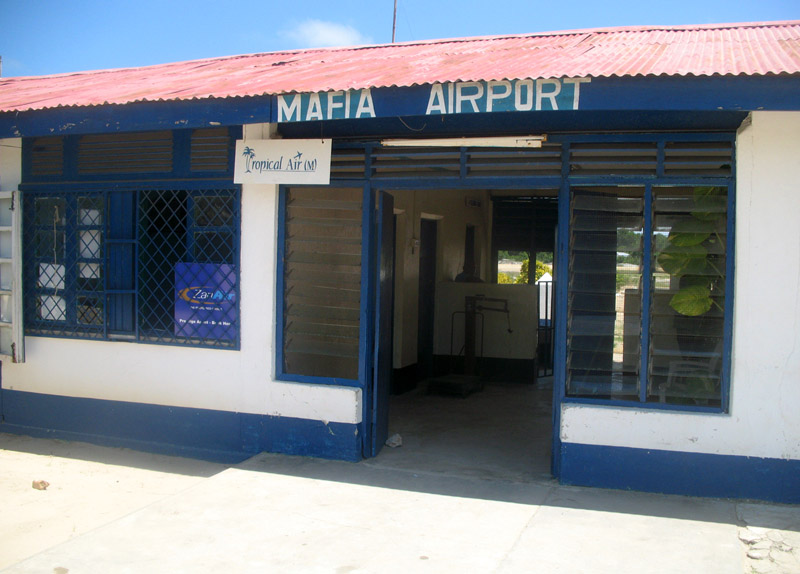
Mafia Island

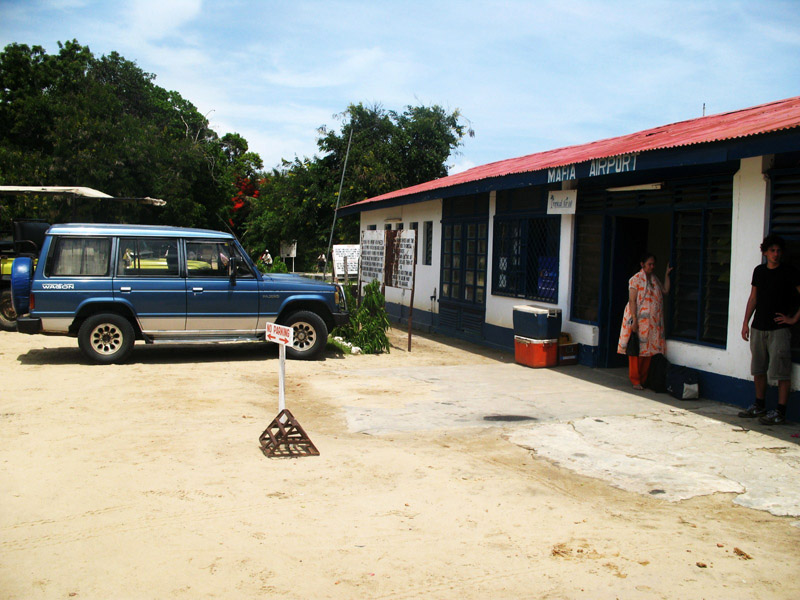
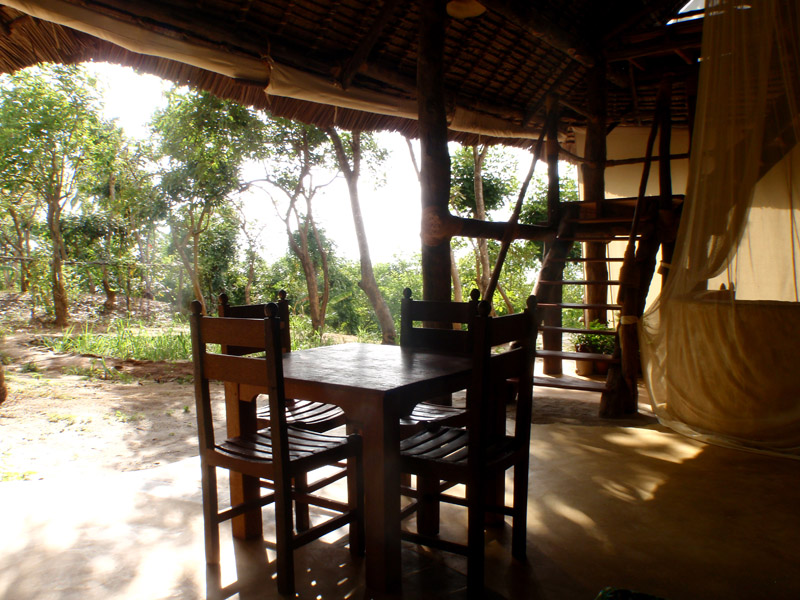
Usually I do not recommend the hotels. I will make exception for Mafia Island. I recommend Shamba Kilole Lodge: www.shambakilolelodge.com. Beautiful rooms, great food and the owners make you feel like at home.

Mafia Island (“Chole Shamba”) is part of the Tanzanian Spice Islands, together with Unguja and Pemba. As one of the six districts of the Pwani Region, Mafia Island is governed from the mainland, not from the semi-autonomous region of Zanzibar, of which it has never been considered to be a part.

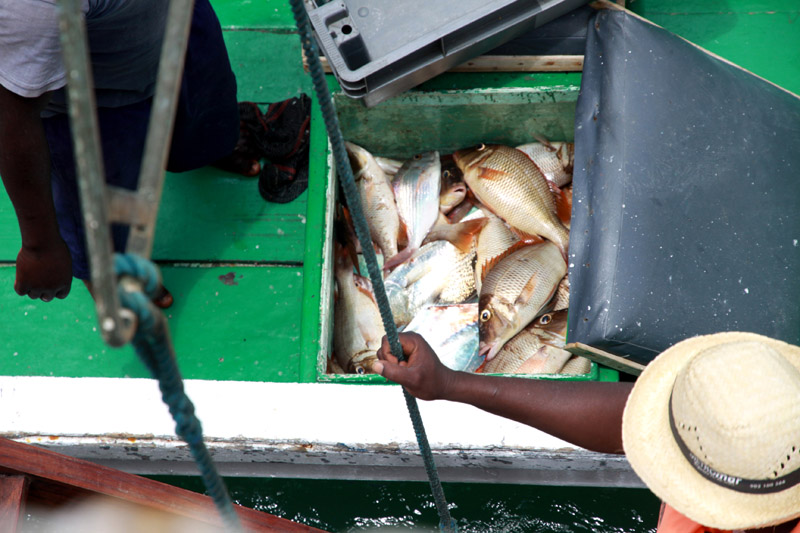
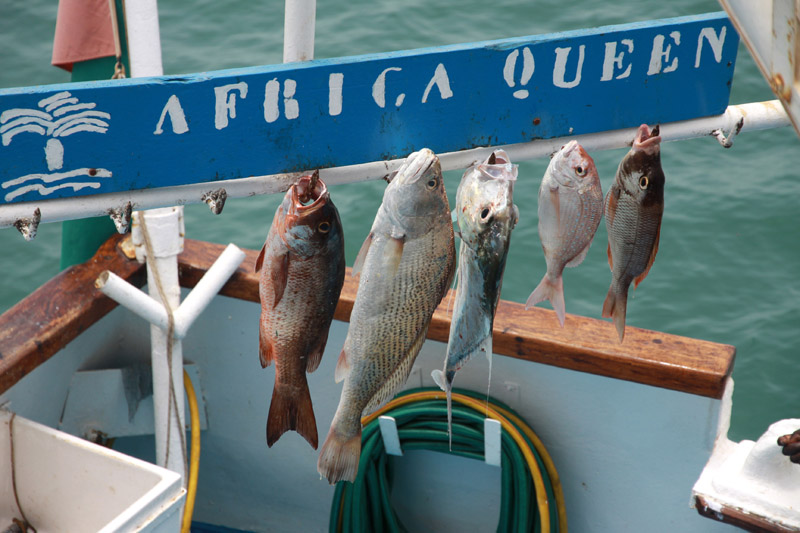
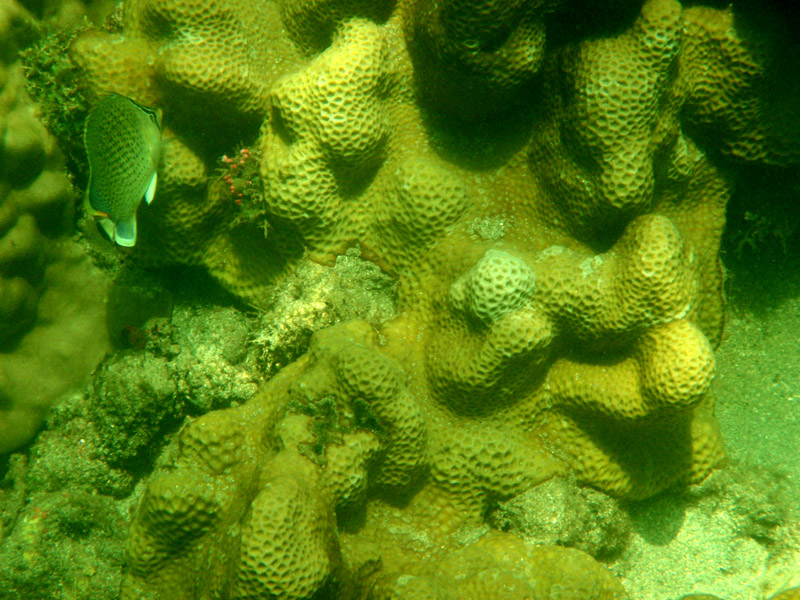
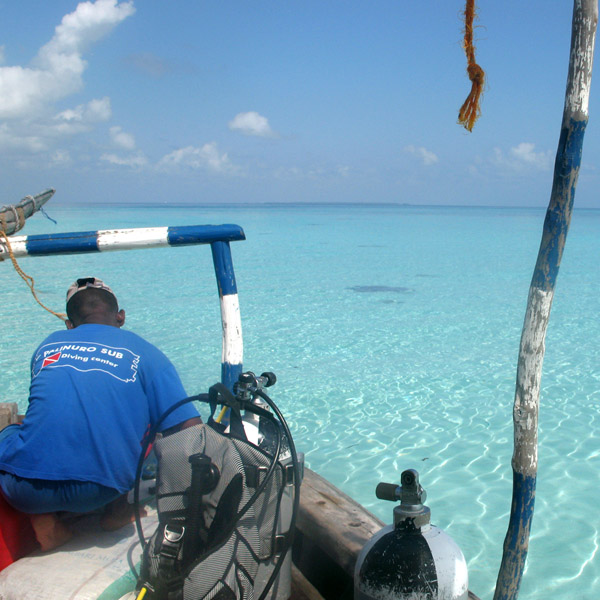
According to the 2002 Tanzania census, the population of the Mafia District was 40,801.The economy is based on fishing, subsistence agriculture and the black market. The island attracts some tourists, mainly adventure scuba divers, game fishermen, and people wanting relaxation.

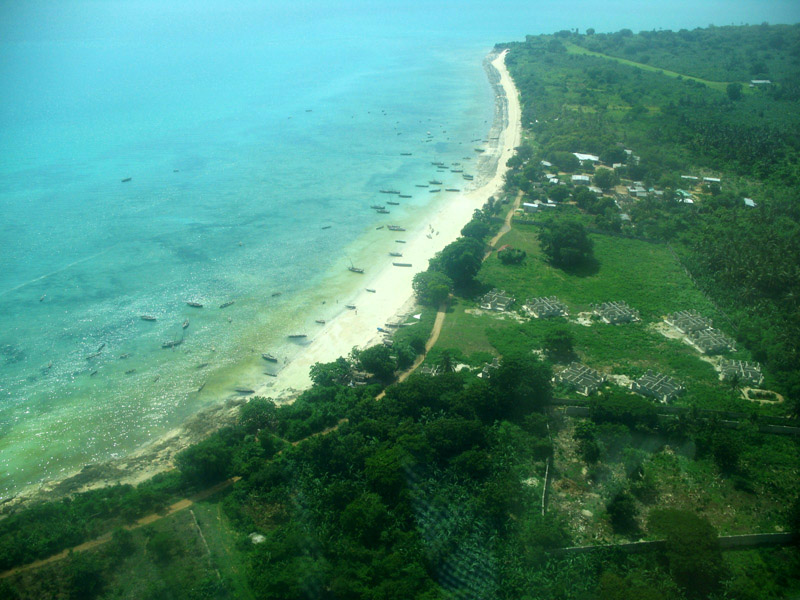
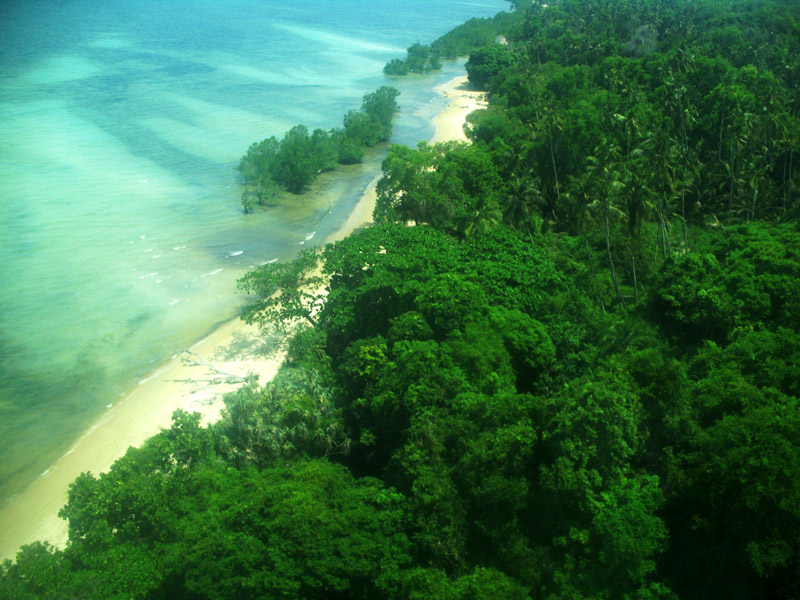
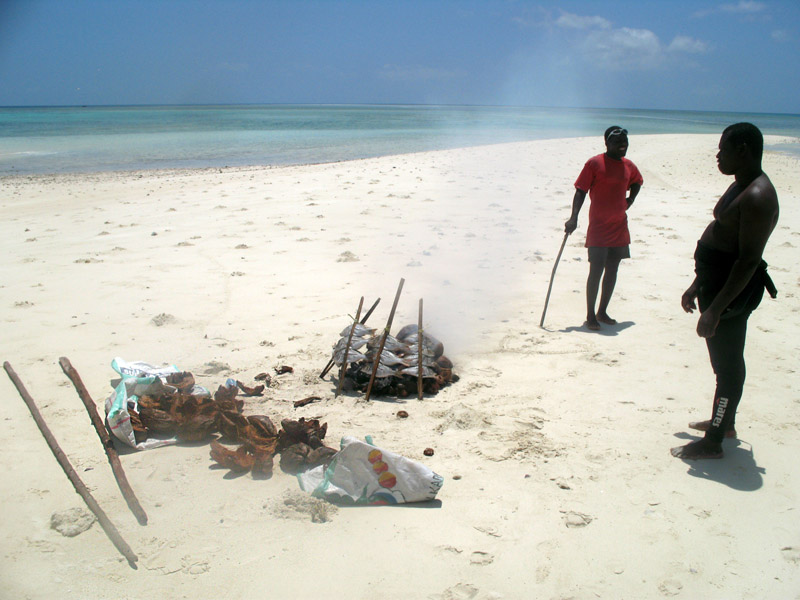
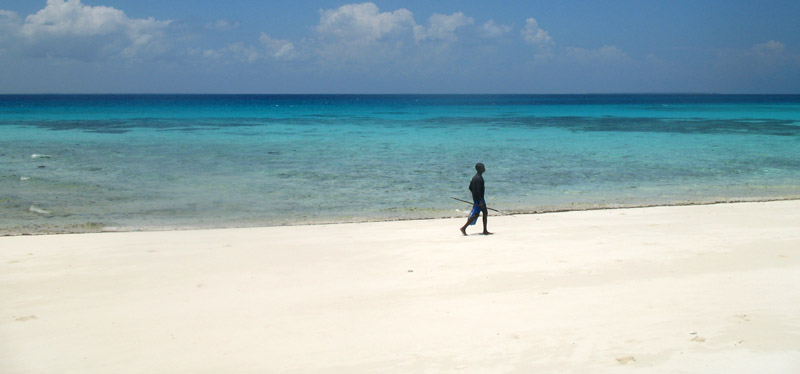
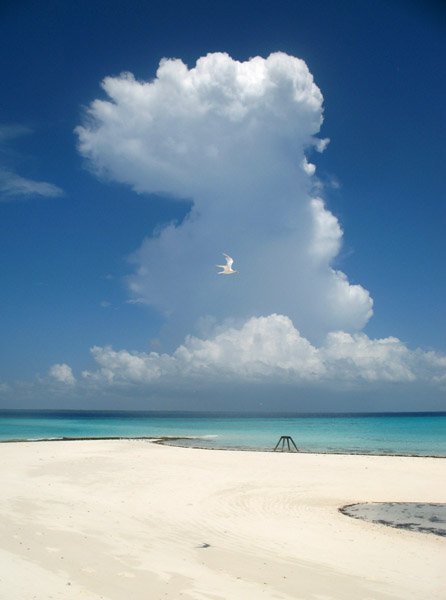
The Mafia archipelago consists of one large island (394 km²) and numerous smaller ones. Some of these are inhabited, such as Chole Island (2 km²), with a population of 800. Chole Bay, Mafia’s protected deep-water anchorage and original harbour, is studded with islands, sandbanks and beaches. The main town is Kilindoni. The stretch of water between the deltas of the Rufiji River and the island is called Mafia Channel. There are popular rumours of pygmy hippo on the island but there are zero confirmed sightings.

Source: Wikipedia (under GNU Free Documentation License)
Categories
Tanzania

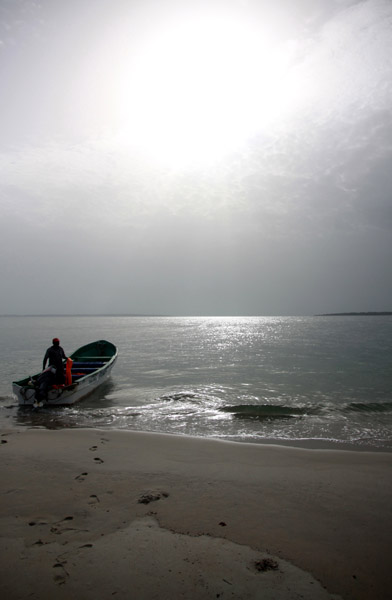
Juani Island

On Juani Island, one of the largest and most characteristic islands in the archipelago, are the ruins of the ancient city of Kua, whose decline, as yet unexplained by archaeological and historical, is the object of many legends. The island’s fauna is quite unusual and includes wild pigs, monkeys and small antelopes (blue duiker). The southern point of Juani Island is divided in two by a long channel linking the big inland bay with the open sea.

Categories
Tanzania

Jibondo Island

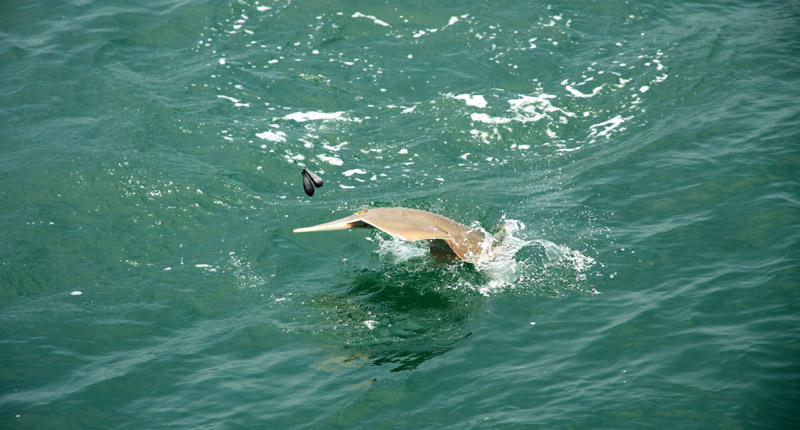
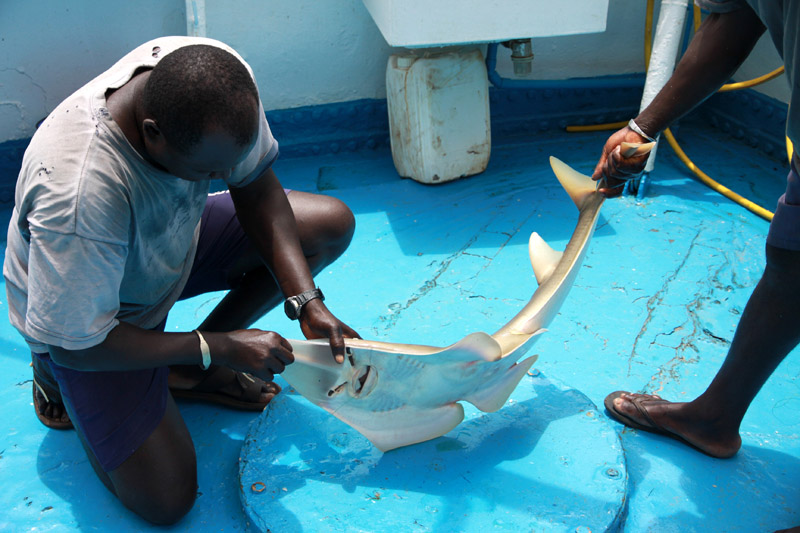
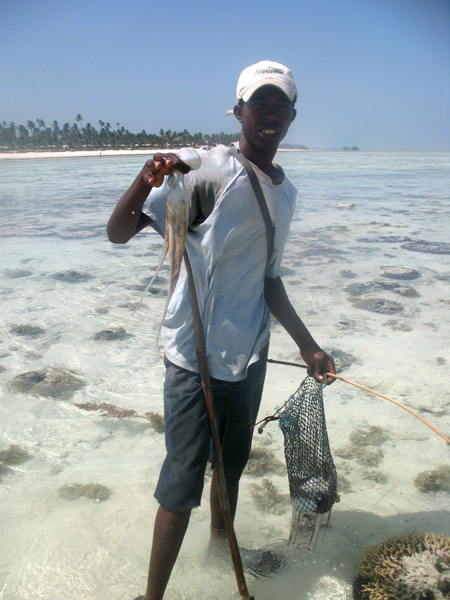
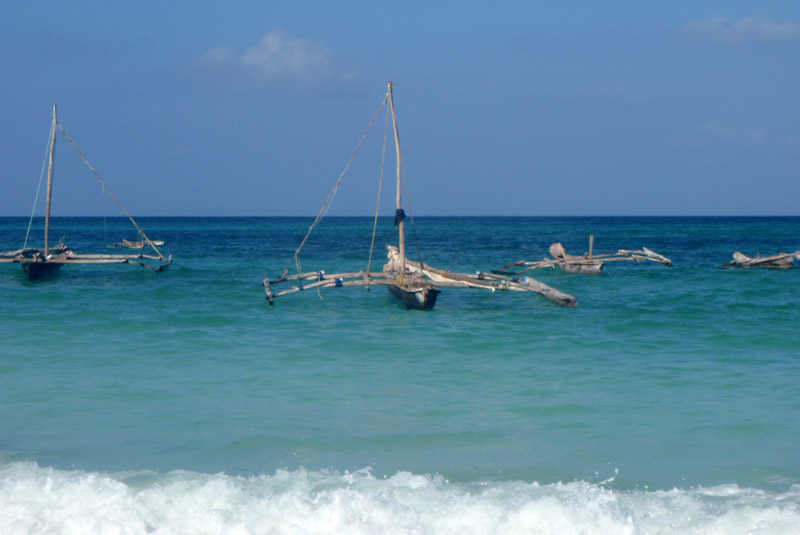
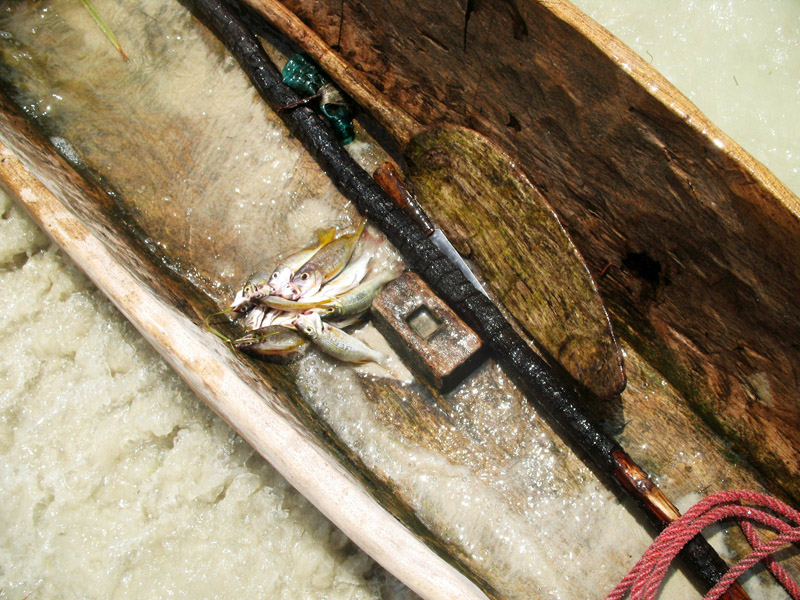
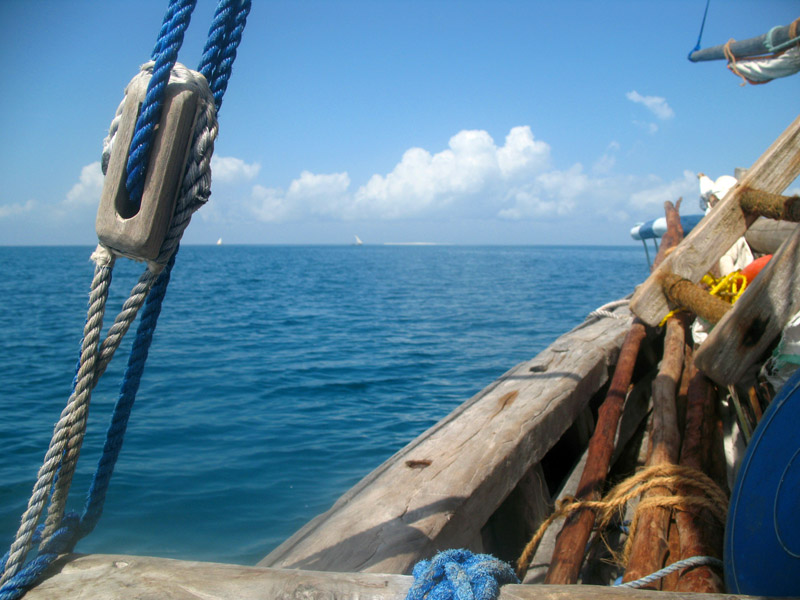
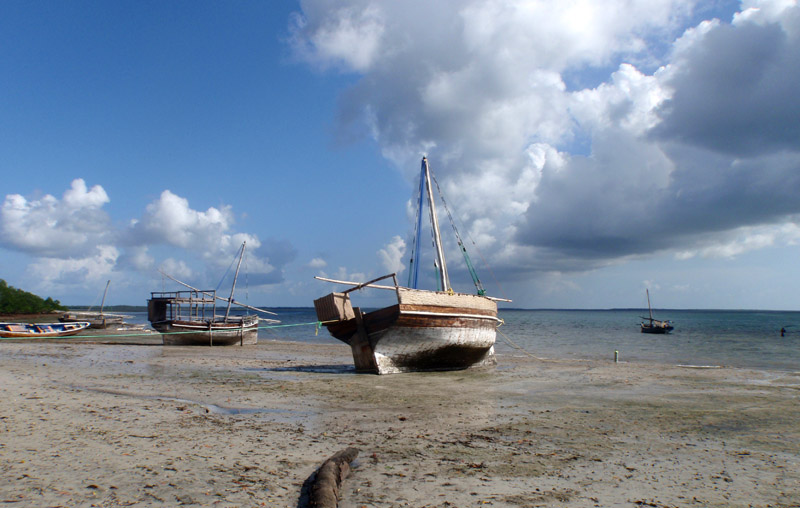
About an hour’s sail south of Chole, Jibondo Island is the most traditional of the archipelago’s settlements, and most of its two thousand inhabitants engage in fishing, especially for sharks, and octopus-baiting. The beaches facing the open ocean are important turtle-nesting sites. Jibondo’s craftsmen are famed for their skill in boat building without the use of iron, or even nails.

Categories
Tanzania

Chole Island

Chole Island is a tiny island which lies next to the slightly larger Mafia Island. The area has a fantastic history and there are many old ruins. The village of Chole is fascinating and friendly and visitors can spend many hours wandering around talking to the people and watching the boat builders.

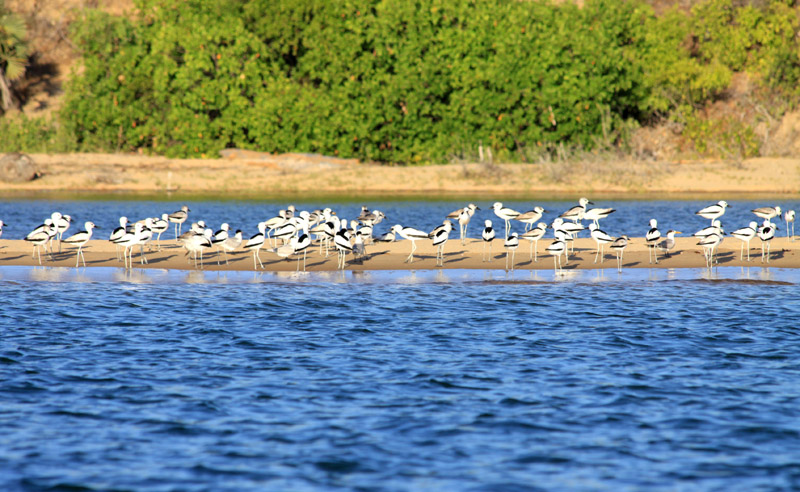
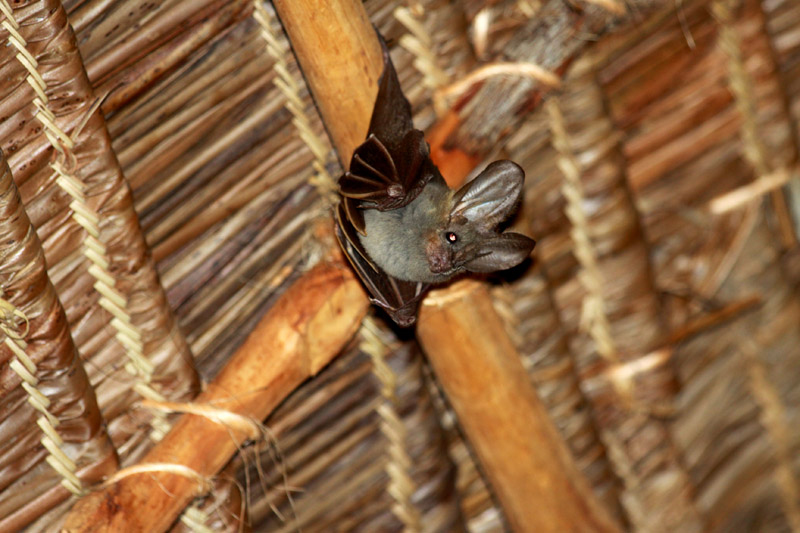
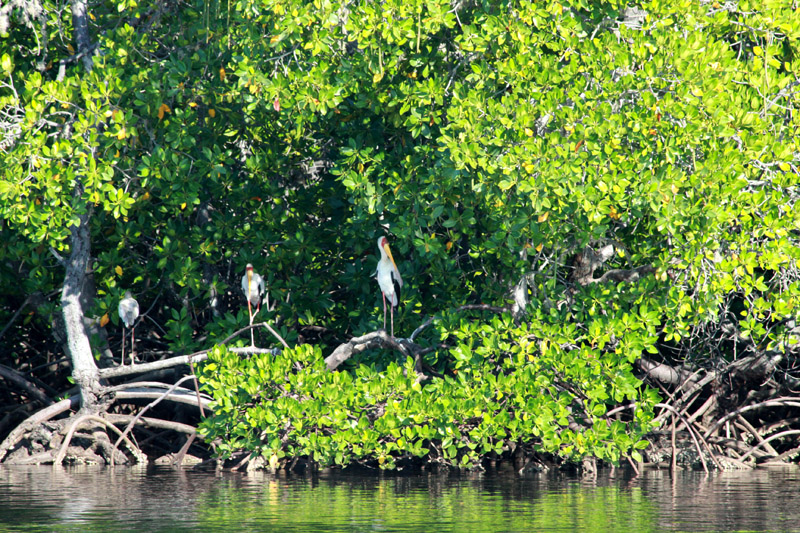
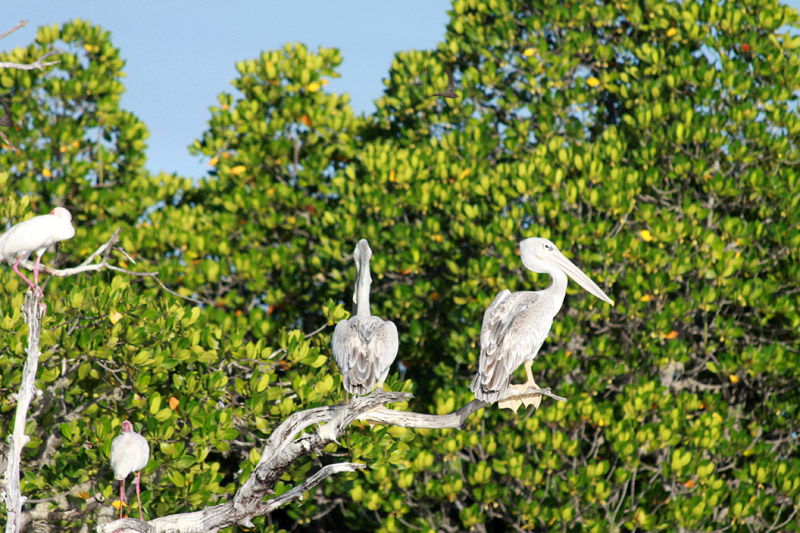
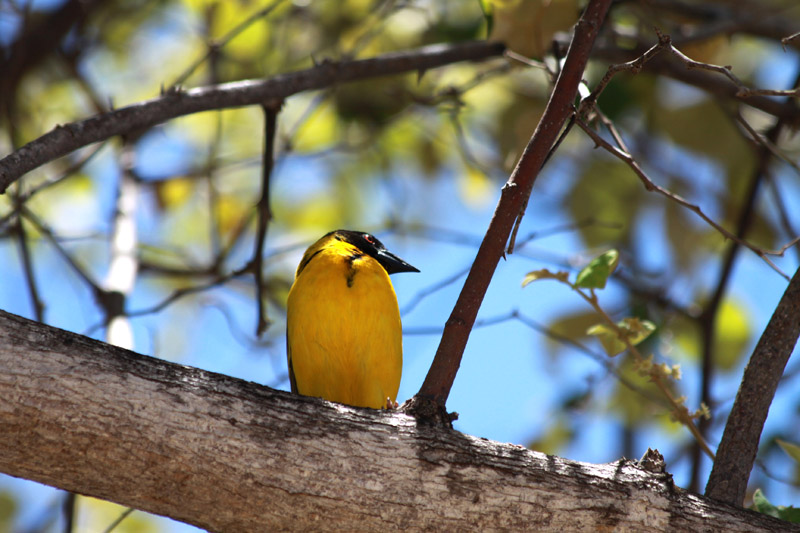
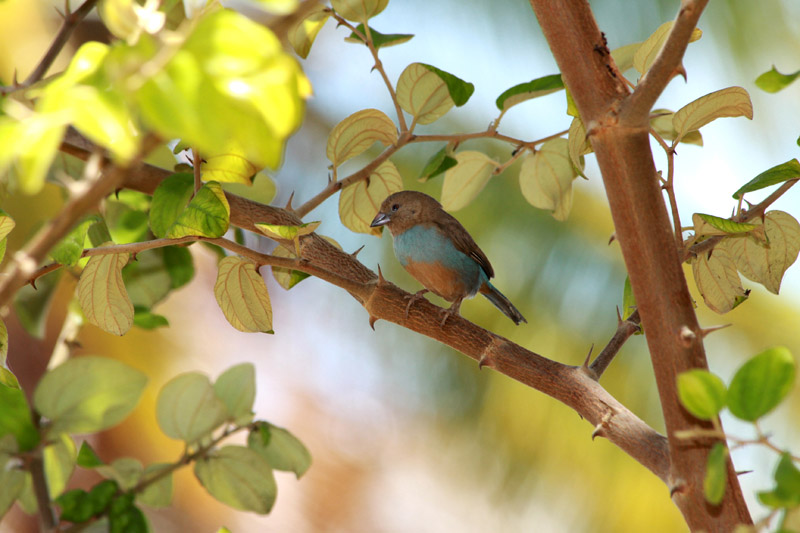
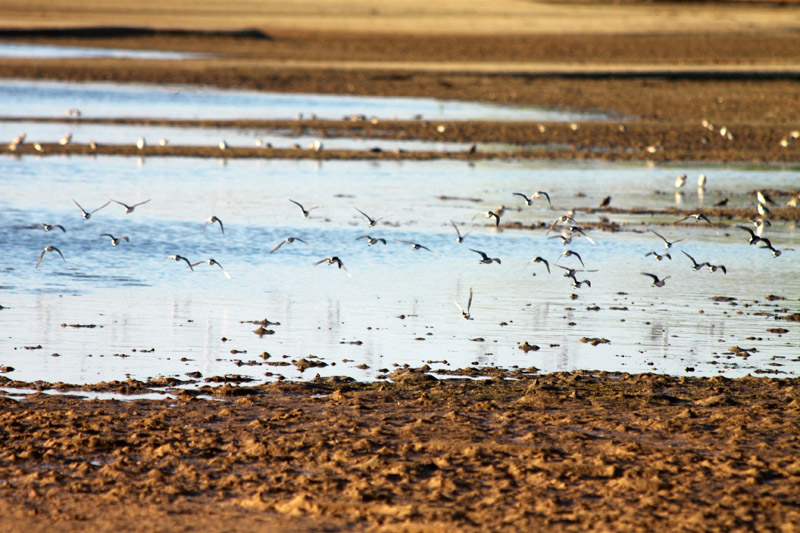
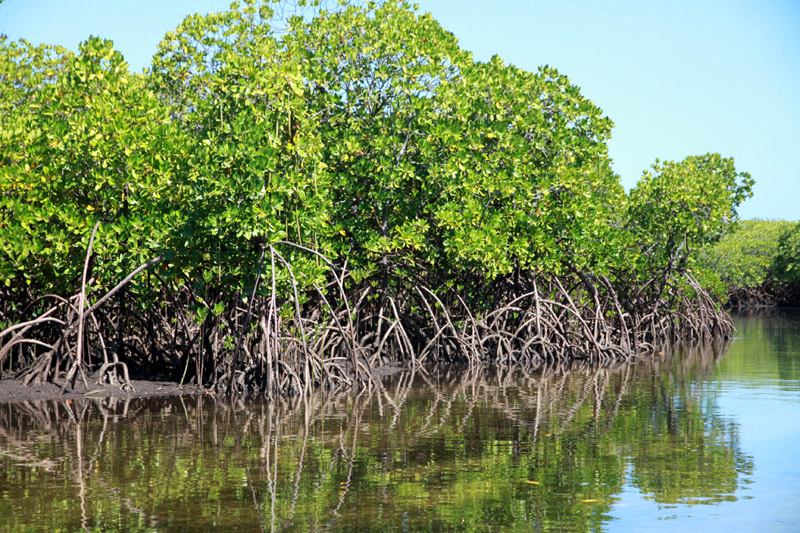
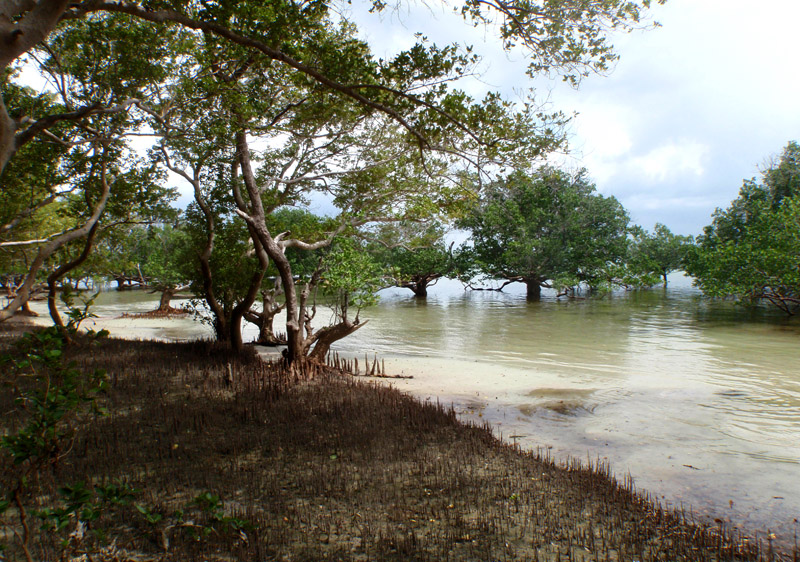
Birdwatching is excellent on Chole Island and very different to the mainland parks. The tidal flats and mangroves are alive with coastal and sea birds and there are many colourful woodland and forest species. An additional wildlife attraction are the huge colonies of Fruit Bats which can be easilly seen on a walk round the village.

Categories
Tanzania

Selous Reserve

The Selous Game Reserve is one of the largest fauna reserves of the world, located in the south of Tanzania. It was named after Englishman Sir Frederick Selous, a famous big game hunter and early conservationist, who died at Beho Beho in this territory in 1917 while fighting against the Germans during World War I. Scottish explorer and cartographer Keith Johnston also died at Beho Beho in 1879 while leading a RSGS expedition to the Great Lakes of Africa with Joseph Thomson. The Selous was designated a UNESCO World Heritage Site in 1982 due to the diversity of its wildlife and undisturbed nature.

The reserve covers a total area of 54,600 km² (21,081 square miles), has additional buffer zones and no permanent human habitation or permanent structures are permitted. All (human) entry and exit is carefully controlled by the Tanzanian Game Dept. Some of the typical animals of the savanna (for example elephants, hippopotami, African Wild Dog cape buffalo and crocodiles) can be found in this park in larger numbers than in any other African game reserve or national park. The Selous is one of the last remaining pristine true wilderness areas in the world.

The area was first designated a protected area in 1896 by the German Governor Hermann von Wissmann and became a hunting reserve in 1905. Nowadays it also has a touristic importance, though most of it is rarely visited by humans. Presence of the Tsetse fly and very difficult road access discourage visitation; however, it is easily accessible by train or small aircraft from Dar es Salaam.

Source: Wikipedia (under GNU Free Documentation License)
Categories
Tanzania

Flight to Tanzania