Categories
French Polynesia Tuamotu

Fakarava

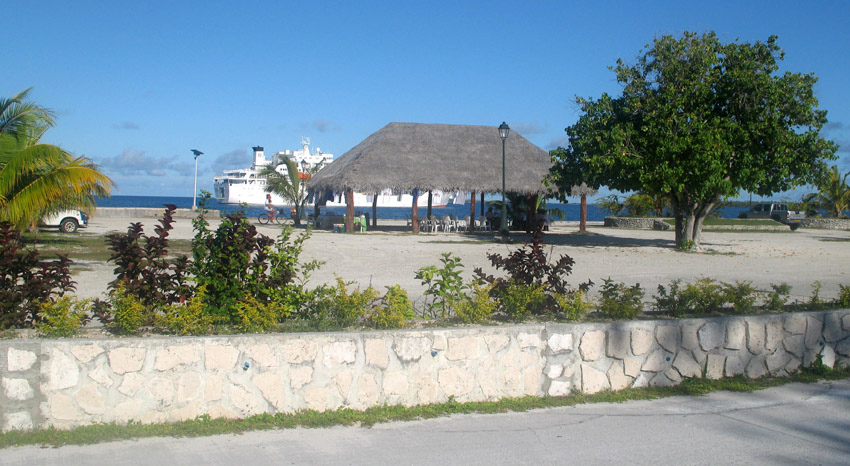
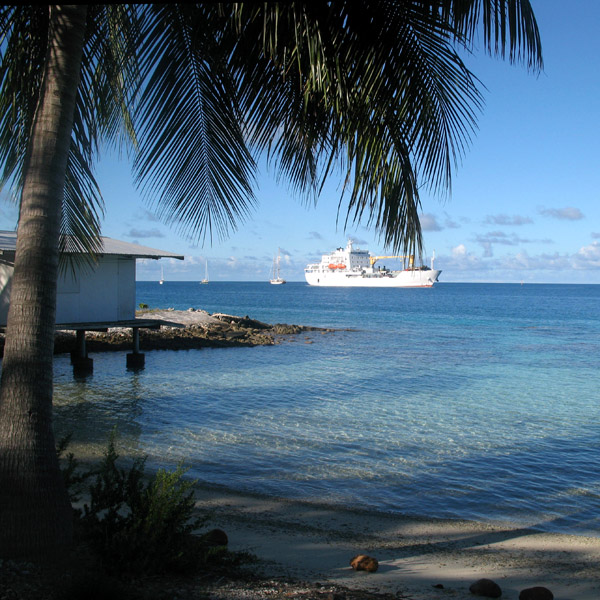
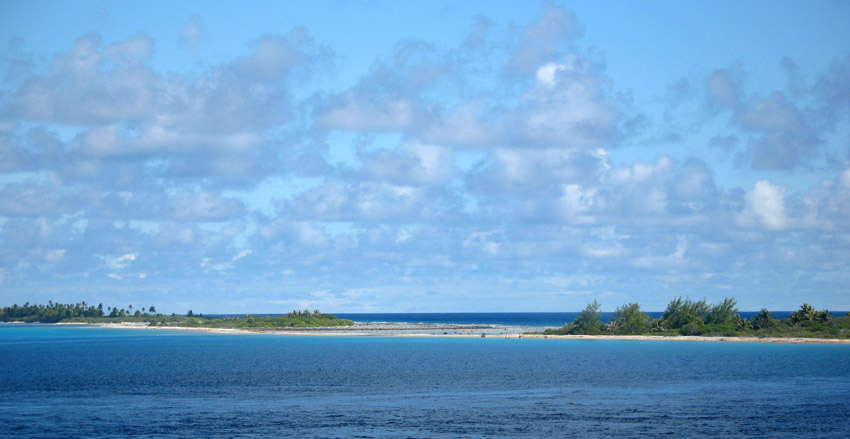
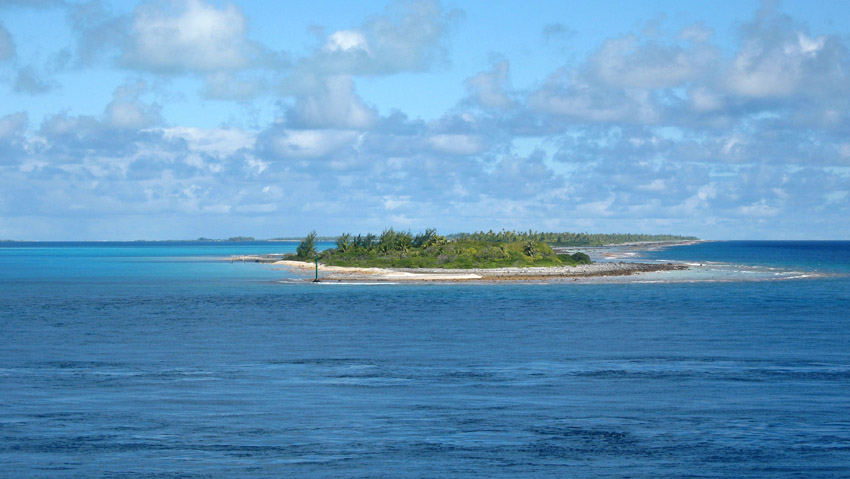
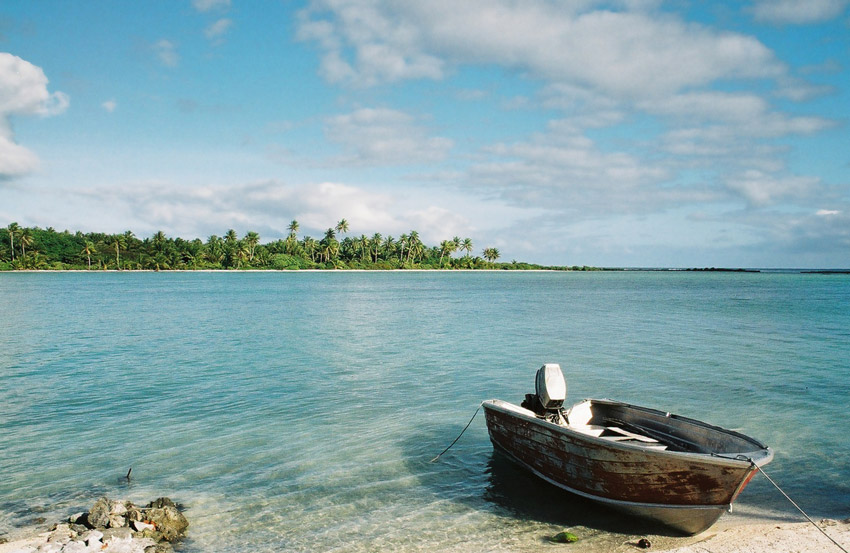
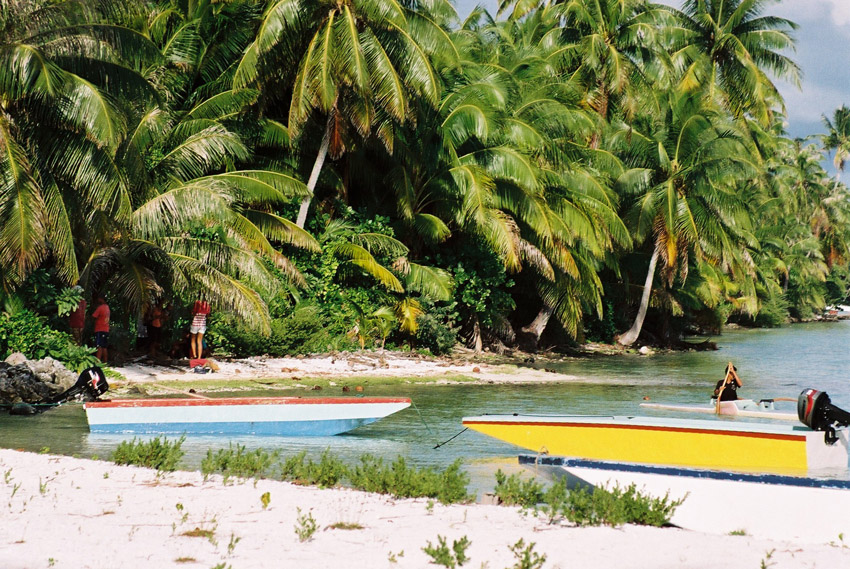
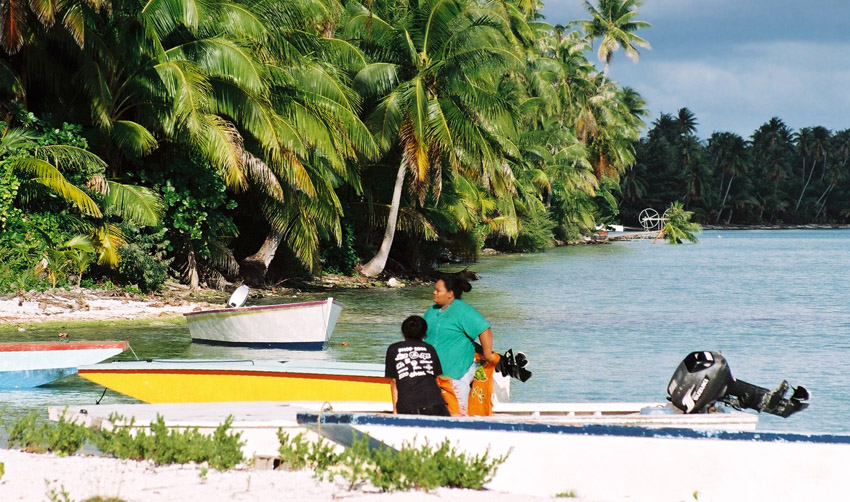
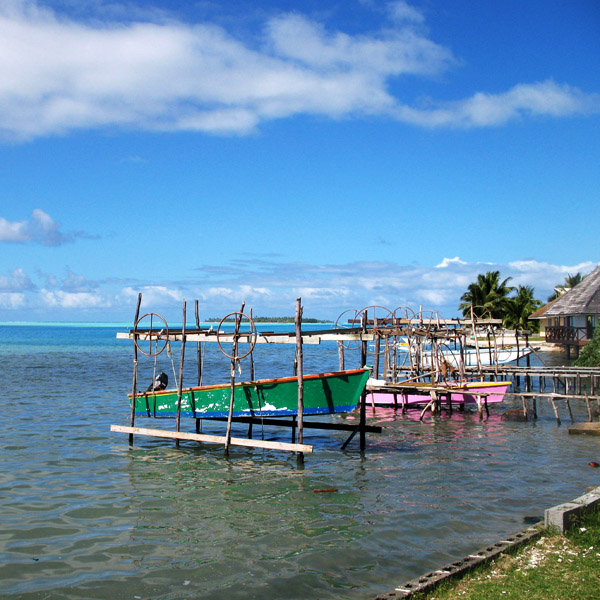
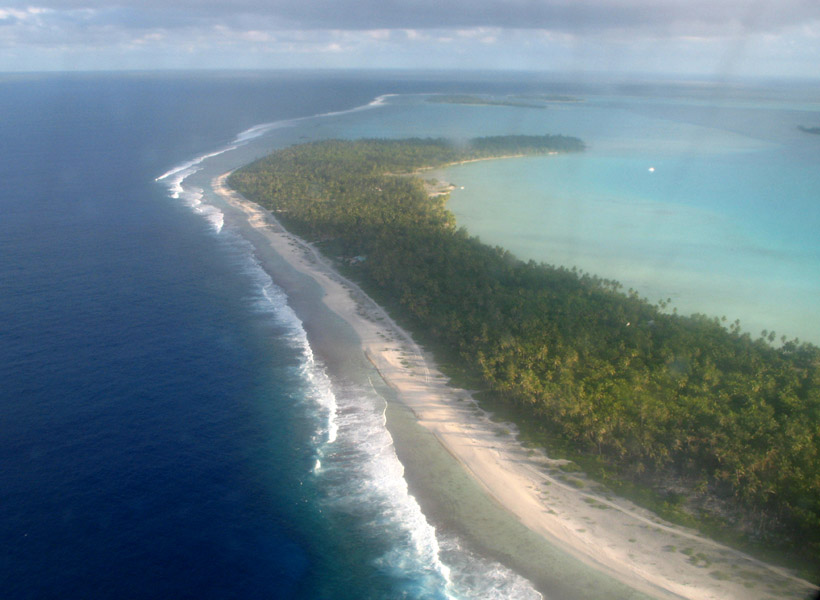
Fakarava, Havaiki-te-araro, Havai’i or Farea is an atoll in the west of the Tuamotu group in French Polynesia. It is the second largest of the Tuamotu atolls. The nearest land is Toau Atoll, which lies 14 km to the northwest.
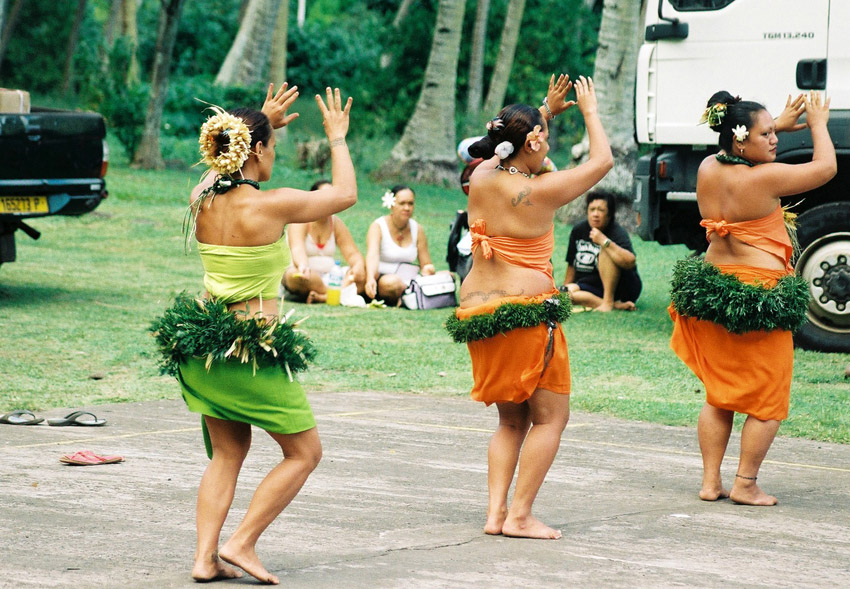
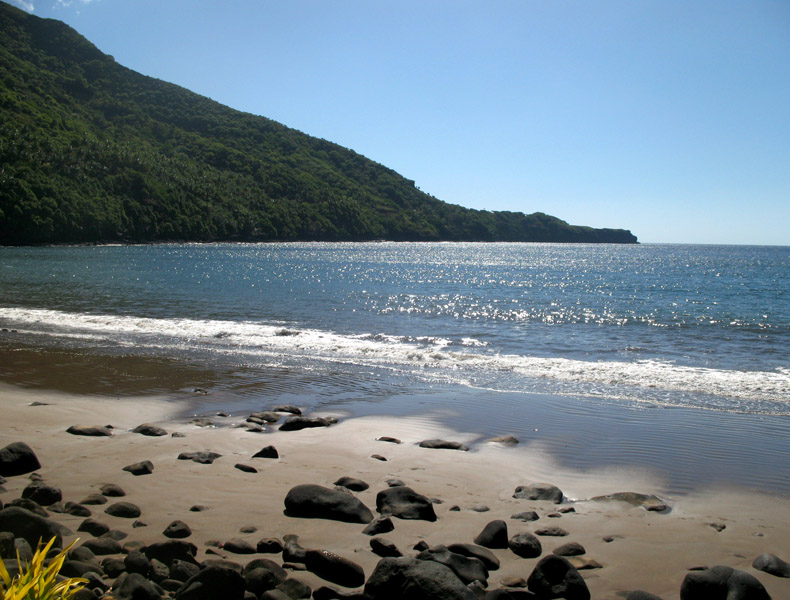
The shape of Fakarava Atoll is roughly rectangular and its length is 60 km and its width 21 km. Fakarava has a wide and deep lagoon with a surface of 1,112 km² and two passes. The main pass to enter the lagoon, located in its northeastern end, is known as Passe Garuae and it is the largest pass in French Polynesia; the southern pass is called Tumakohua.

The first recorded European to arrive to Fakarava Atoll was Russian oceanic explorer Fabian Gottlieb von Bellingshausen on July 17, 1820 on ships Vostok and Mirni. He named this atoll “Wittgenstein”.

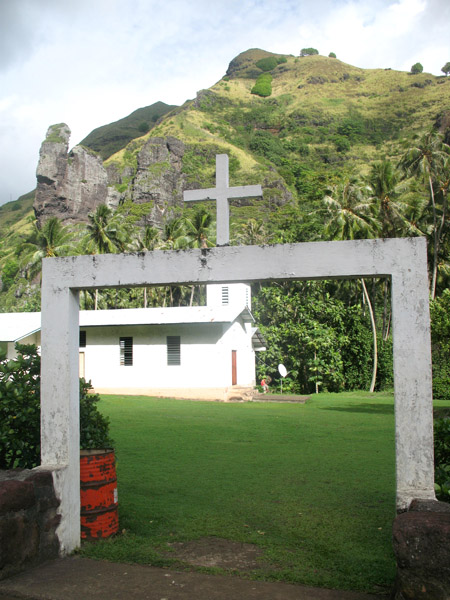
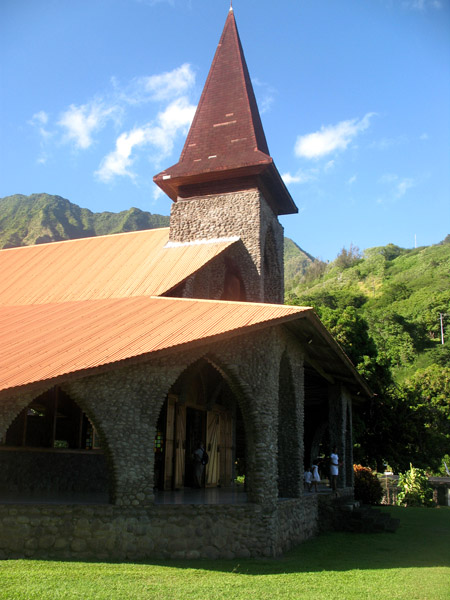
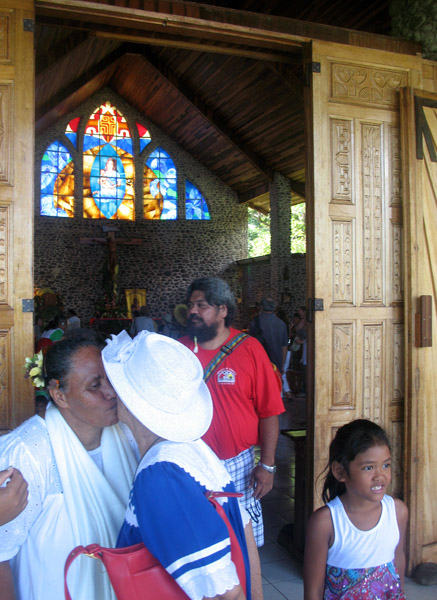
Fakarava’s inhabitants were evangelized by Belgian Jesuit priest Honoré Laval in 1849. The church at Rotoava was dedicated in 1850.

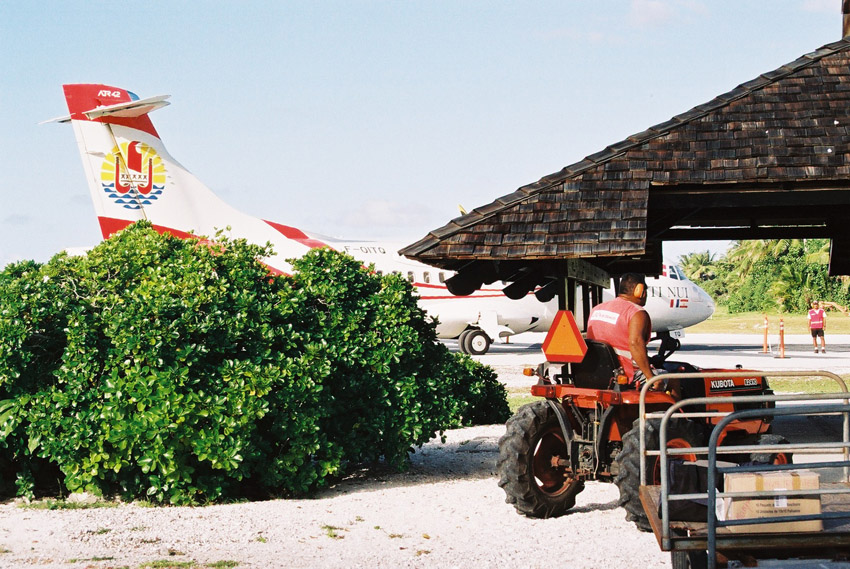
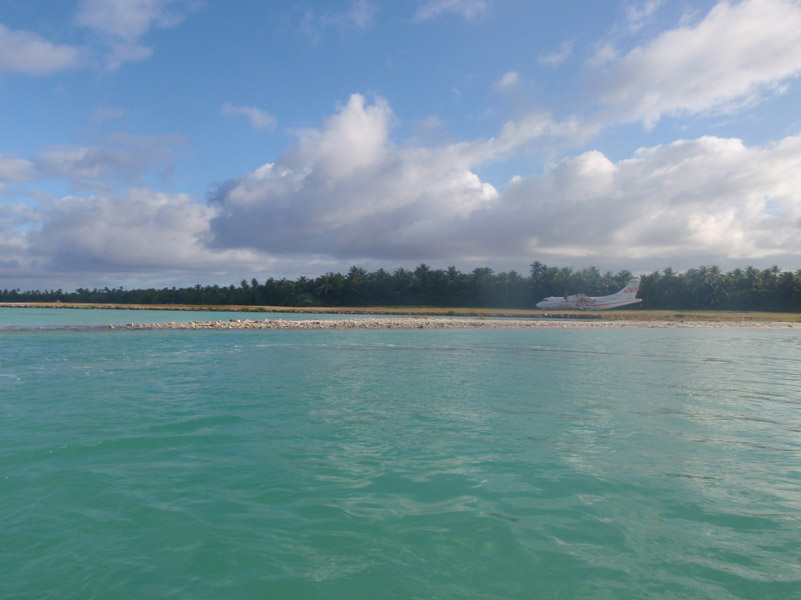
There is a territorial (domestic) airfield in Fakarava which was inaugurated in 1995.

Fakarava is presently being classified by UNESCO as a biosphere reserve.

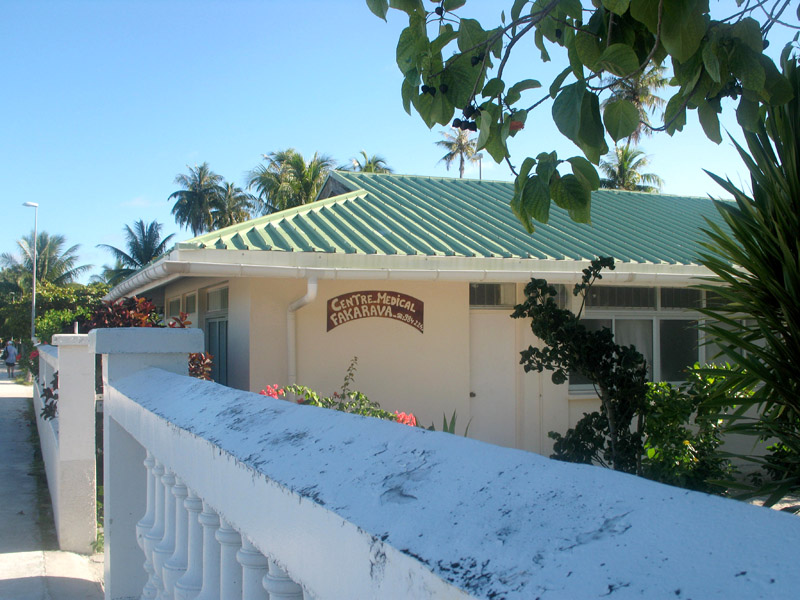
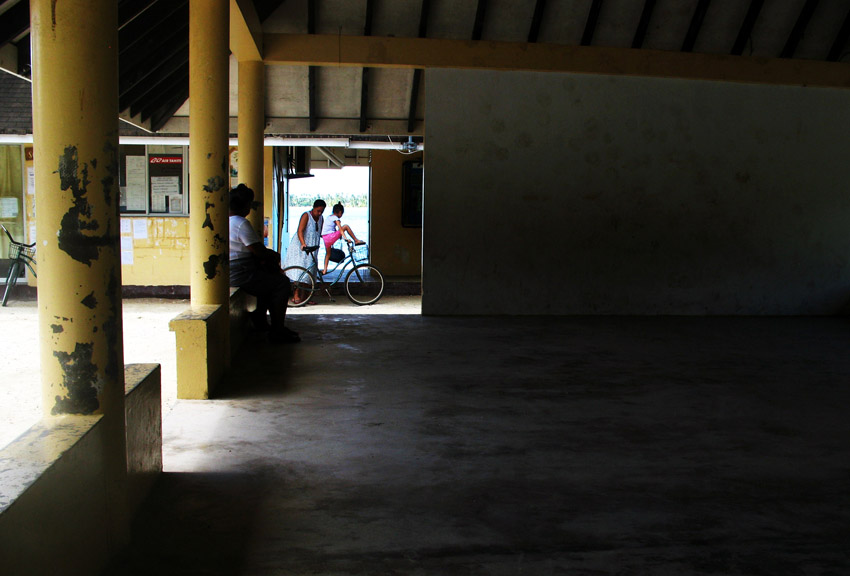
Fakarava has 701 inhabitants; the main village is called Rotoava.

Source: Wikipedia (under GNU Free Documentation License)

Categories
French Polynesia Society Islands

Tahaa

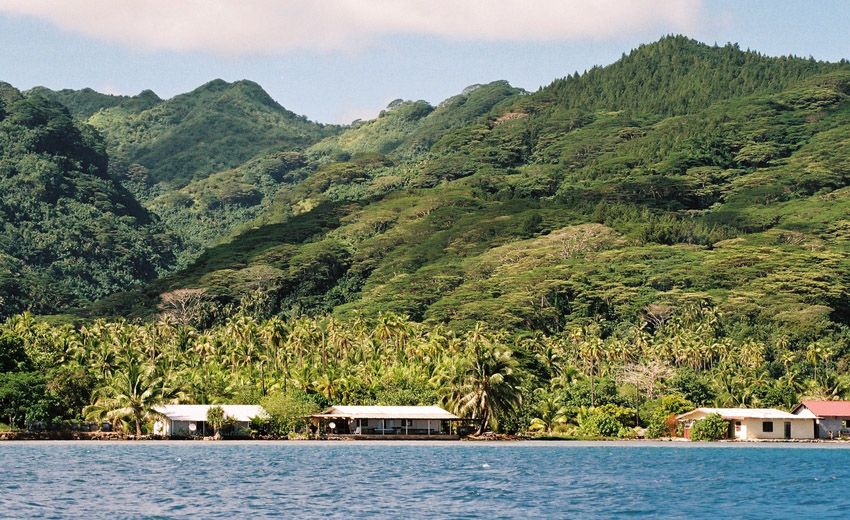
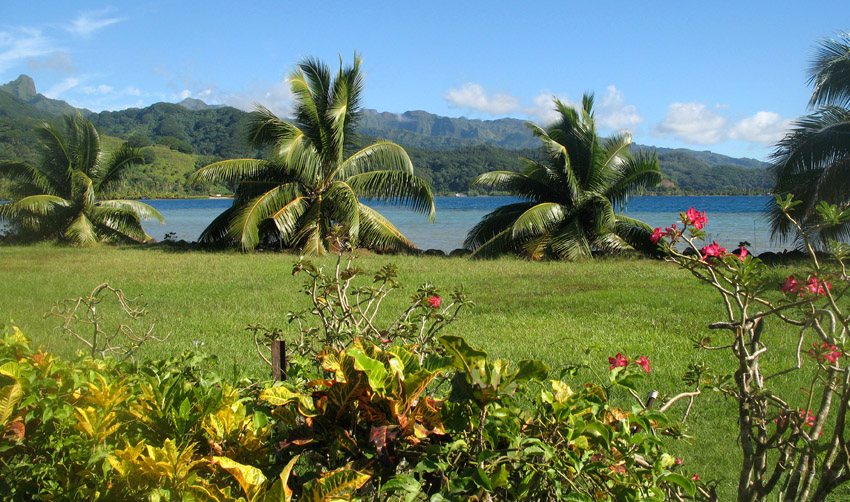
Tahaa is an island located among the Society Islands, in French Polynesia, an overseas territory of France in the Pacific Ocean. The islands of Tahaa and neighboring Raiatea are enclosed by the same coral reef, and may once have been a single island.

Administratively speaking, Tahaa and the surrounding islets emerging from the coral reef form a commune (municipality) part of the administrative subdivision of the Leeward Islands. The administrative centre of the commune of Tahaa is the settlement of Patio.

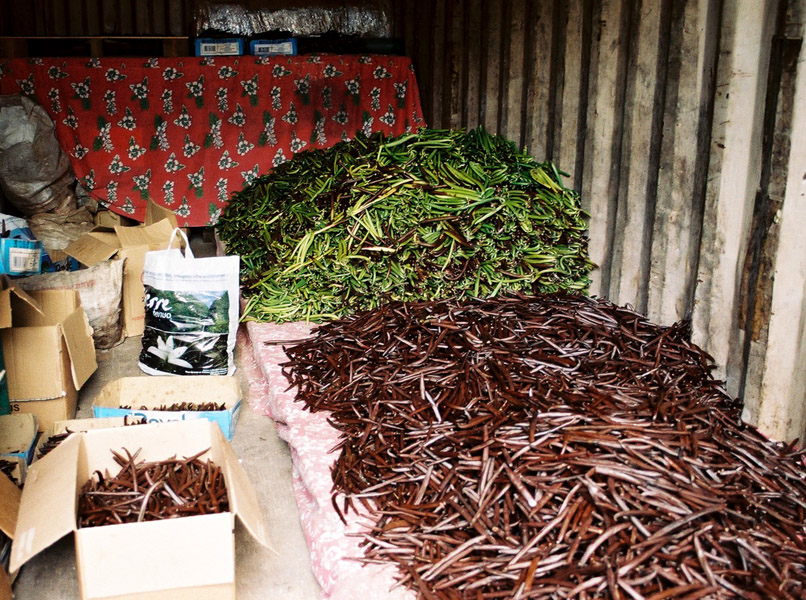
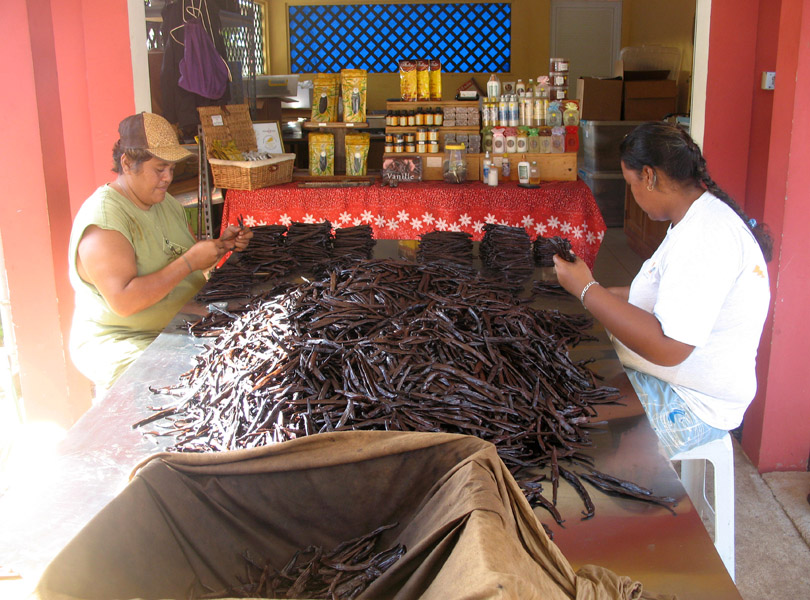
Tahaa produces 70-80% of all French Polynesia’s vanilla. Because of the pervasive aroma of vanilla, Tahaa is known as the “Vanilla Island”. Tahaa’s pearls are of exceptional quality.

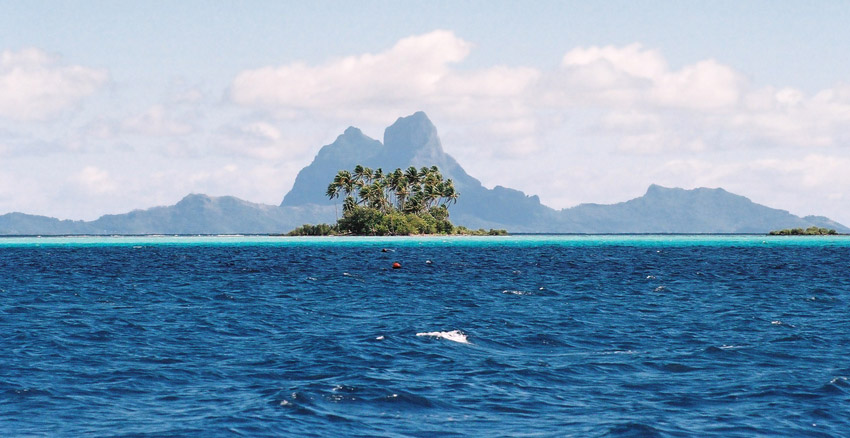
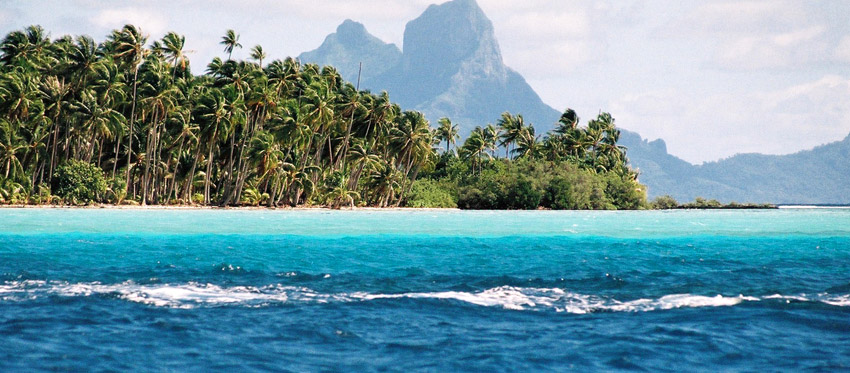
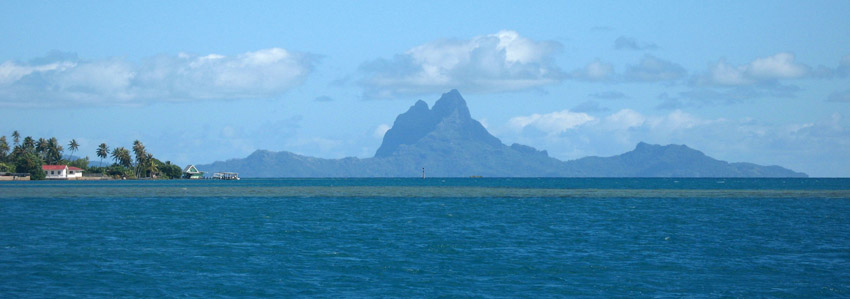
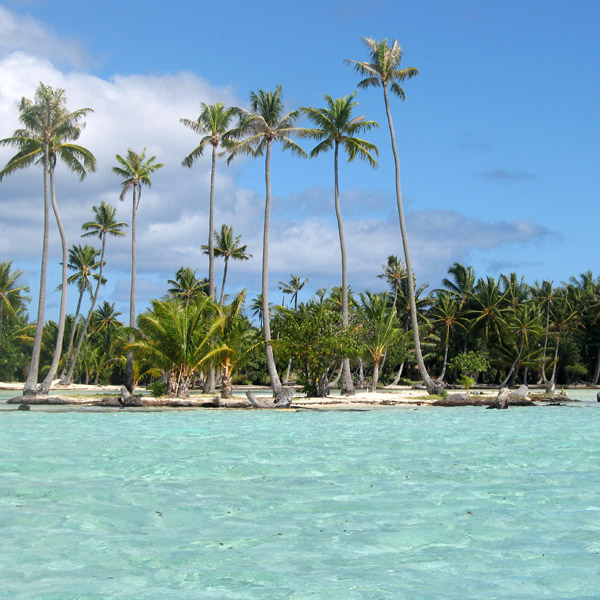
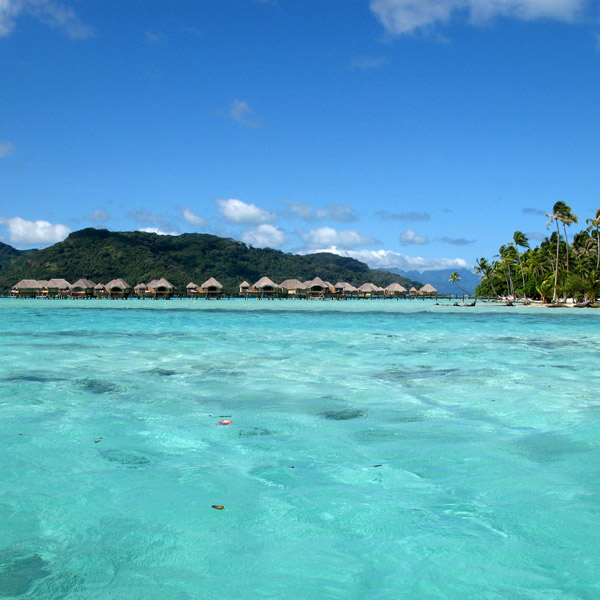
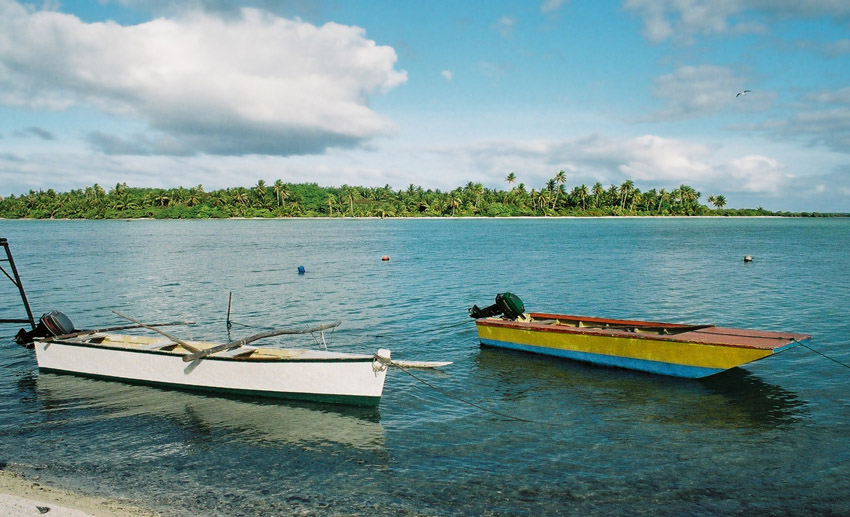
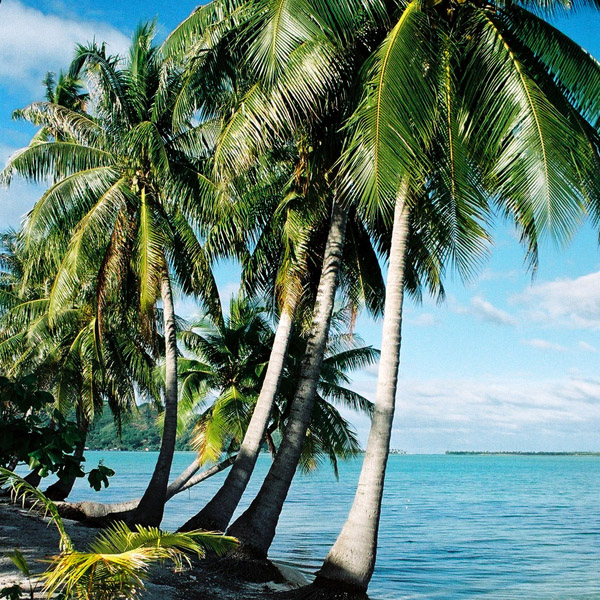
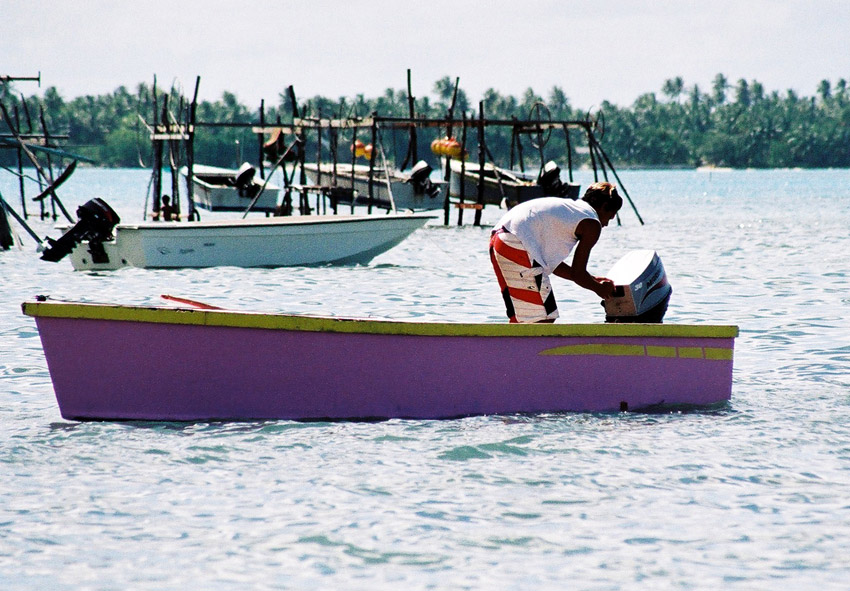
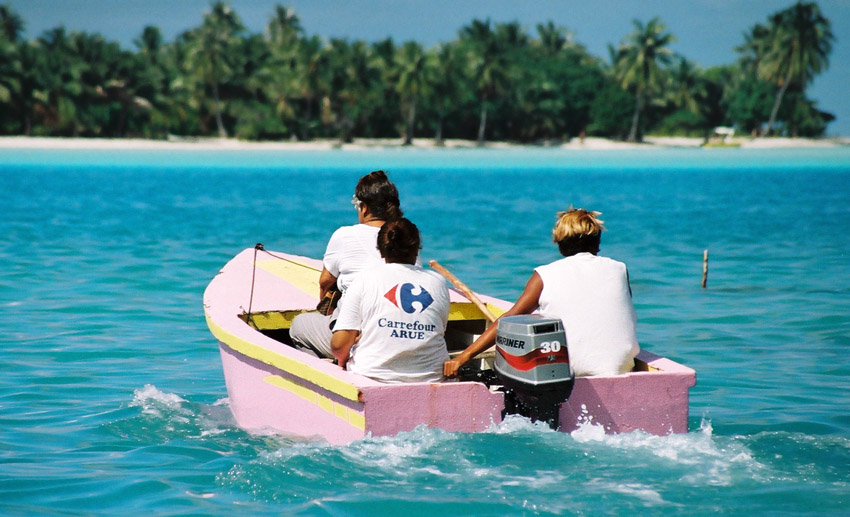
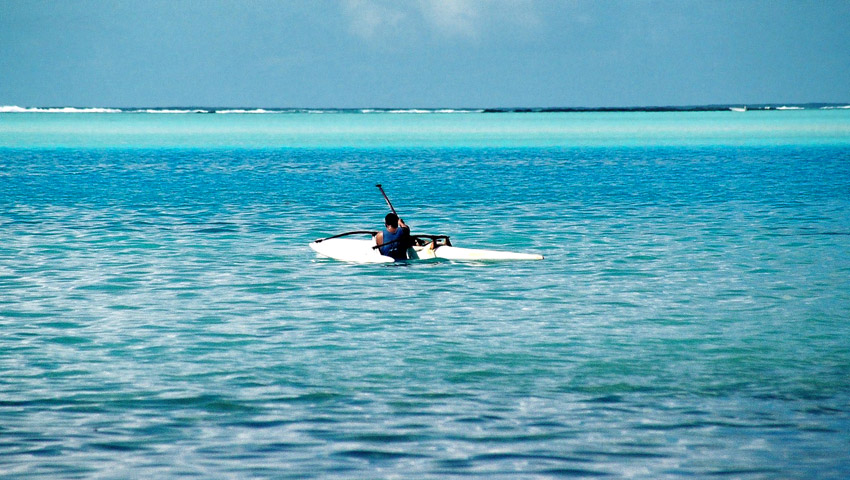
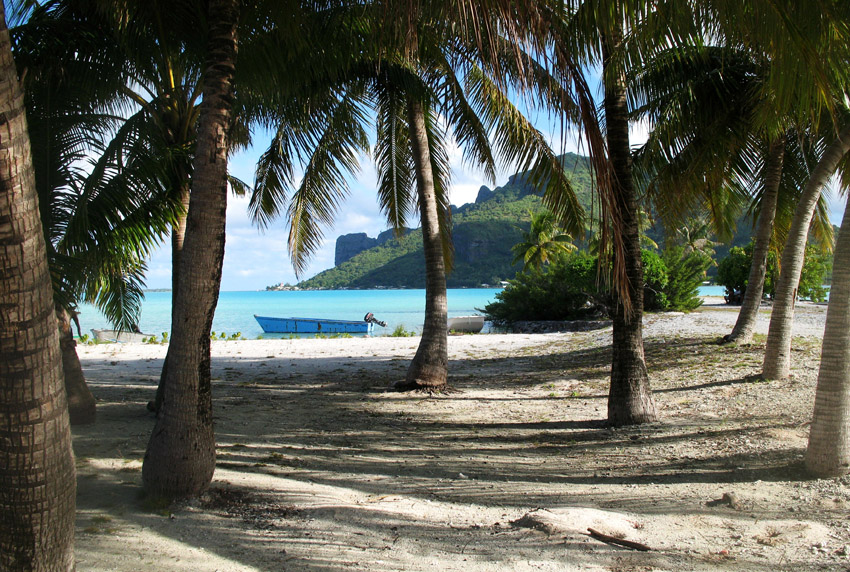
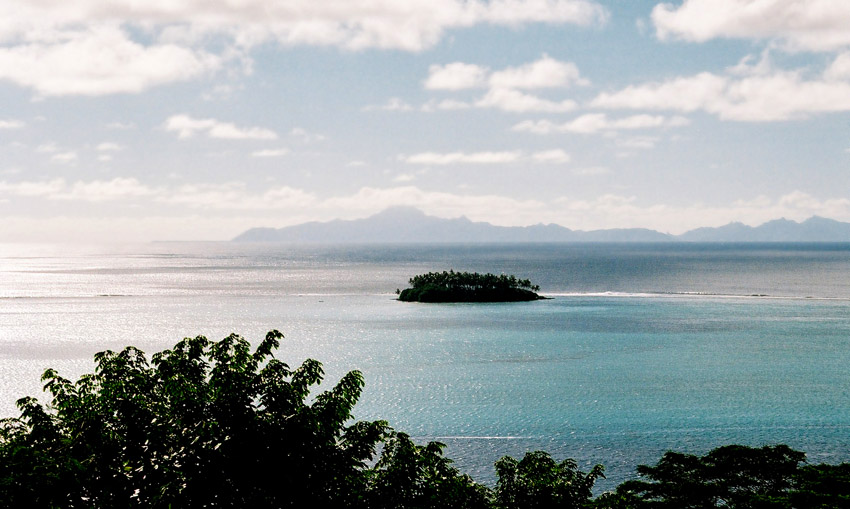
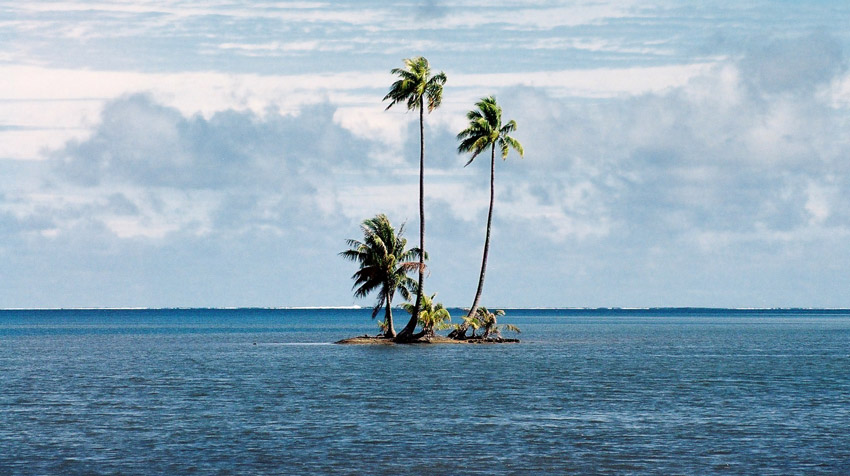
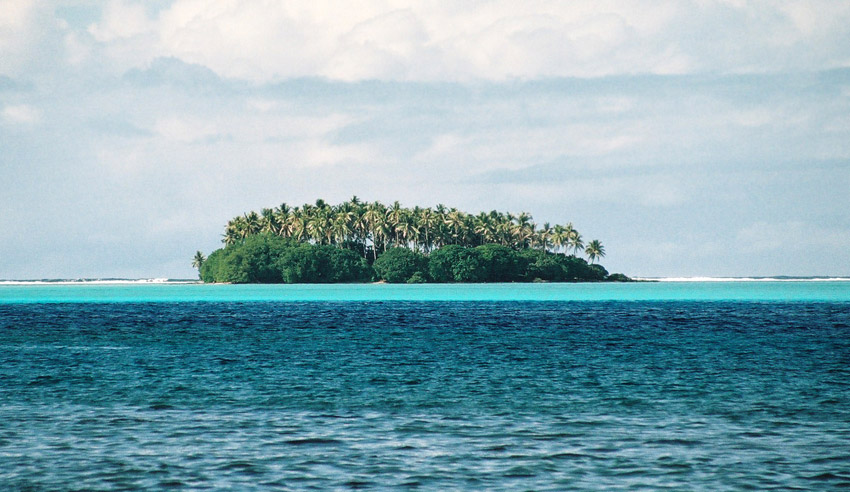
Taha’a and its small motus (islets) can be reached by boat and outrigger from Raiatea. The short sail drops visitors on a motu beach with a perfect small lagoon, and in the near distance, a view of Bora Bora framed by the coconut palms and the lagoon. This is a short day trip to a more simple Tahiti.

Source: Wikipedia (under GNU Free Documentation License)

Categories
French Polynesia Society Islands

Maupiti

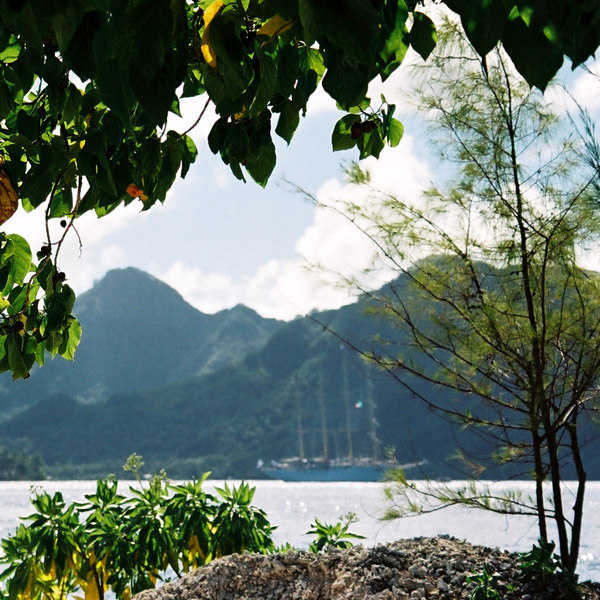
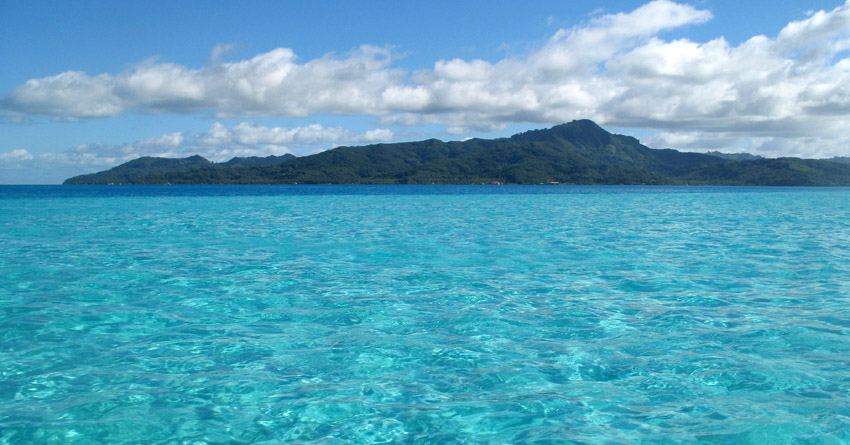
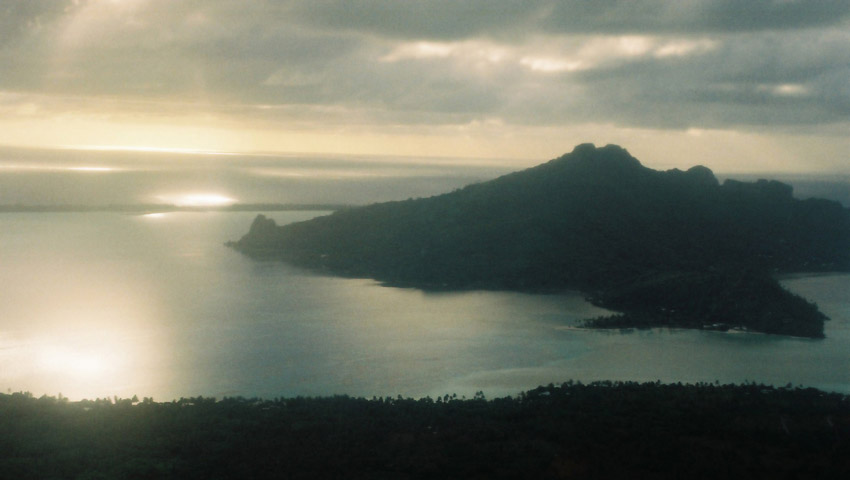
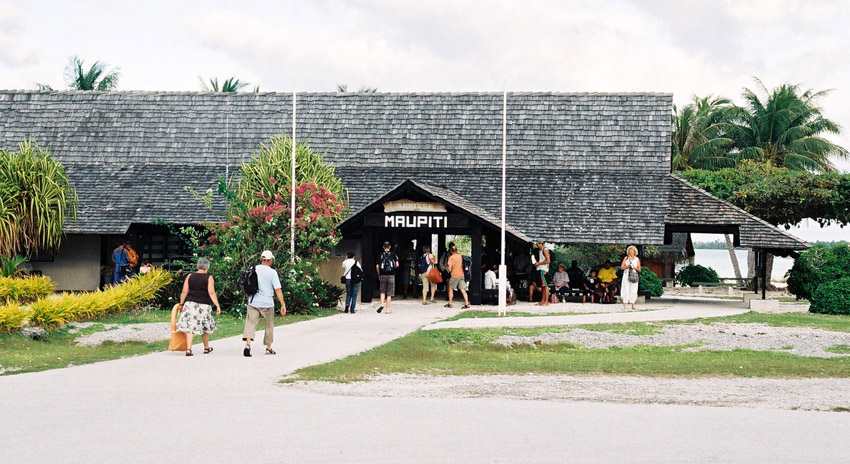
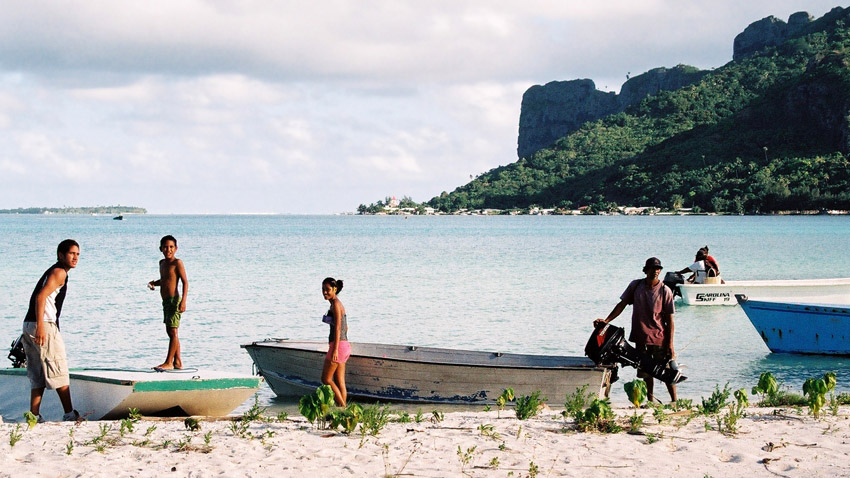
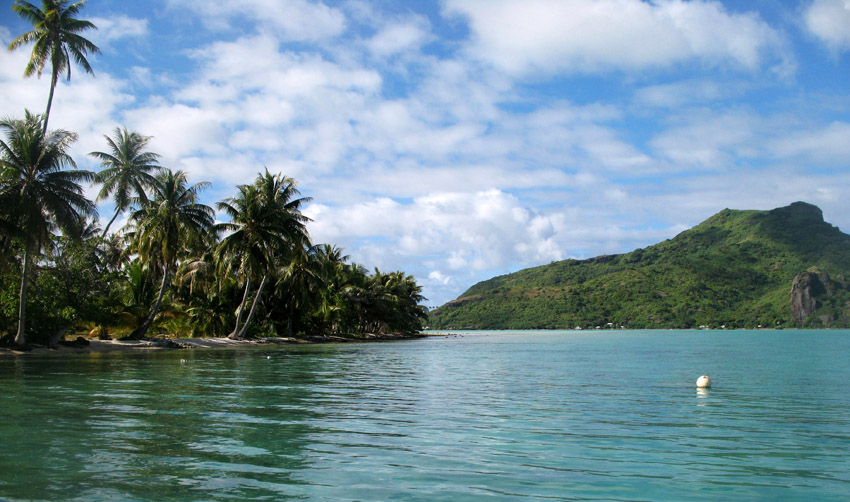
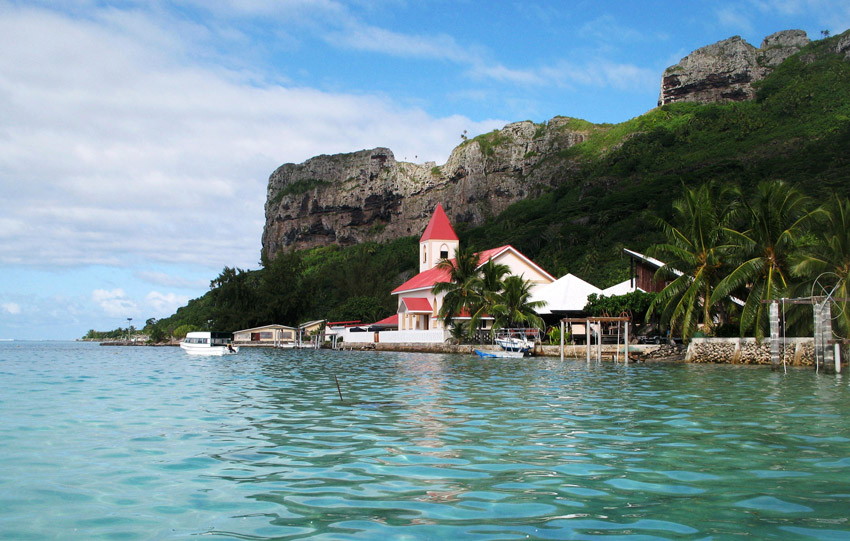
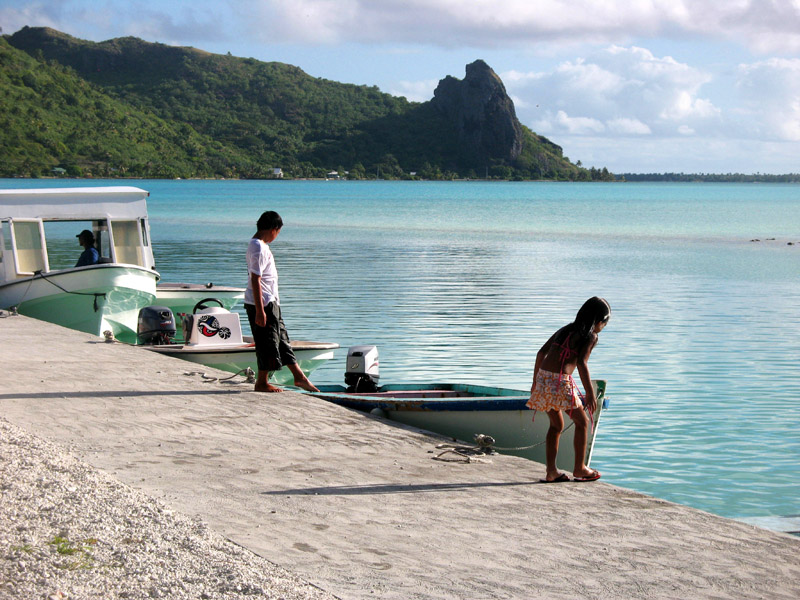
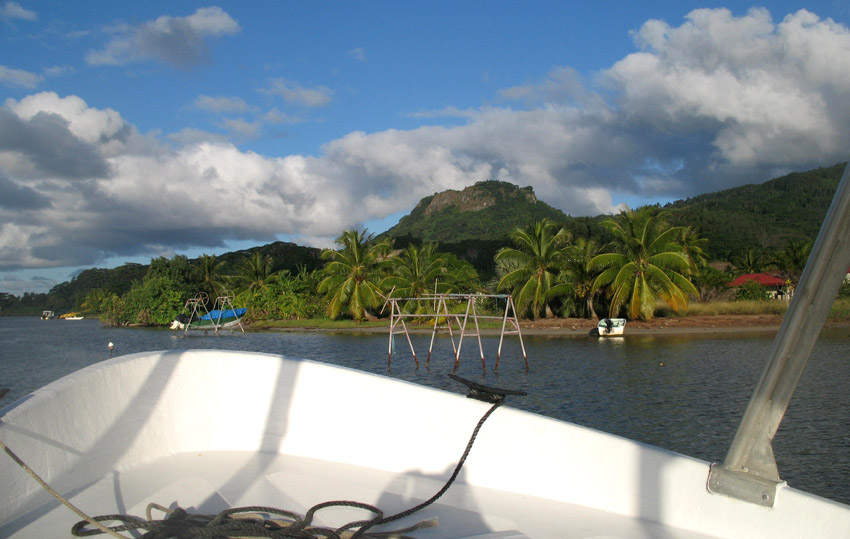
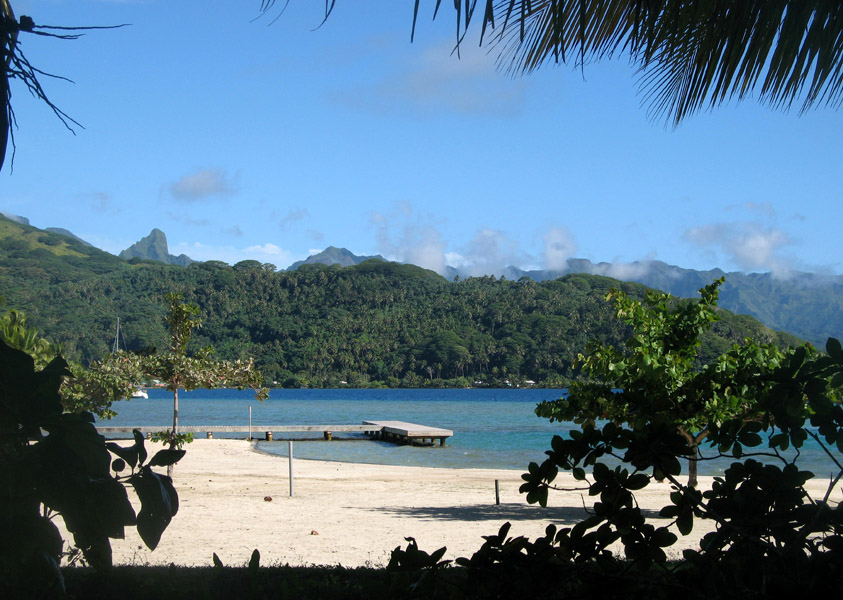
Maupiti is a small coral atoll with a volcanic island in its midst.

Maupiti is located to the west of the Leeward Islands in French Polynesia. It is the westernmost volcanic high island in the archipelago, 40 km west of Bora Bora. The central island of Maupiti has a high peak of 380 metres and a surface area of 11 square kilometers. The lagoon has large and flat coral islands in its northern reef half and two motus on both sides of the pass at its southern end.

At the August 2007 census, the island population was about 1,200 people. The primary economic activity on Maupiti is Noni production.

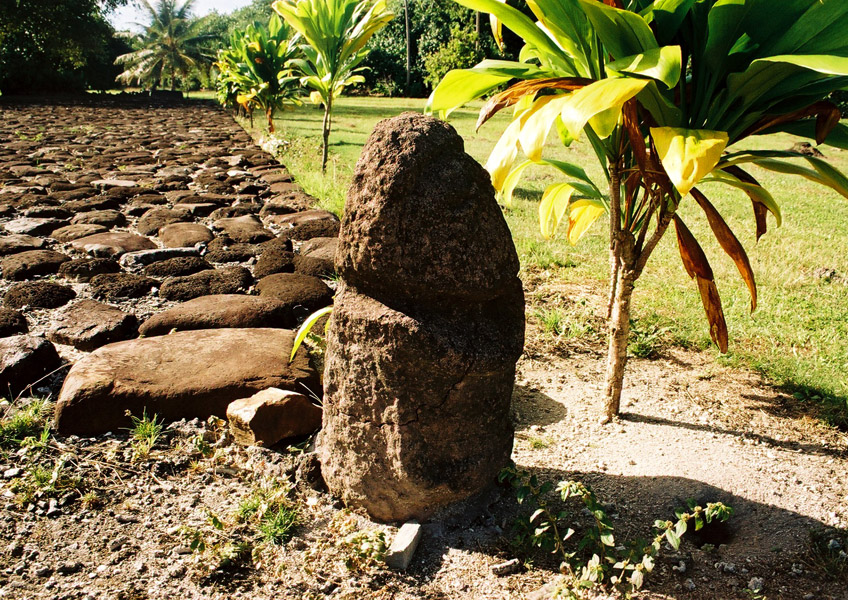
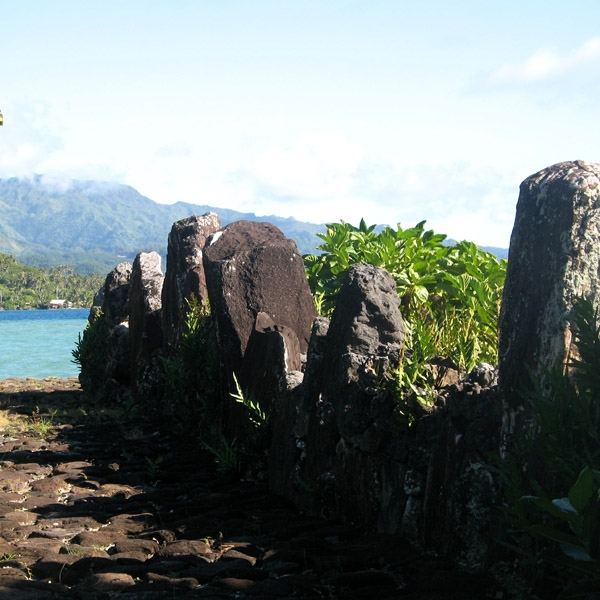
There are ancient Polynesian archaeological artefacts dating from at least AD 850 in Maupiti. The first European to arrive on the island was the Dutchman Jakob Roggeveen in 1722. Historically, the island has had strong cultural links with Bora Bora.

Source: Wikipedia (under GNU Free Documentation License)

Categories
French Polynesia Society Islands

Raiatea

Somewhat smaller than Tahiti, Raiatea is the second largest of the Society Islands in French Polynesia. The proper spelling of the name, rarely used though, in the Tahitian language is Ra’iatea, meaning bright sky; Ulieta is an obsolete transcription commonly used in the 19th century. The chief town on Raiatea is Uturoa, administrative center for the Leeward Islands (French Îles Sous-le-vent). The islands of Raiatea and Tahaa are both enclosed by the same coral reef, and may once have been a single island.

Raiatea is both the largest and most populated island in the Leeward Islands, with a land area of 167.7 km² (64.7 sq. miles) and a total population of 12,024 inhabitants at the August 2007 census. The population density is 72 inhabitants per km². Ra’iatea is widely regarded as the ‘center’ of Polynesia and it is likely that the organised migrations to Hawaii, Aoteroa (New Zealand) and other parts of East Polynesia started at Ra’iatea. A traditional name for the island is Havai’i fanau fenua (Hawai’i birther of land).

Source: Wikipedia (under GNU Free Documentation License)

Categories
Seychelles

Indian Ocean Explorer hijacked by Somali pirates

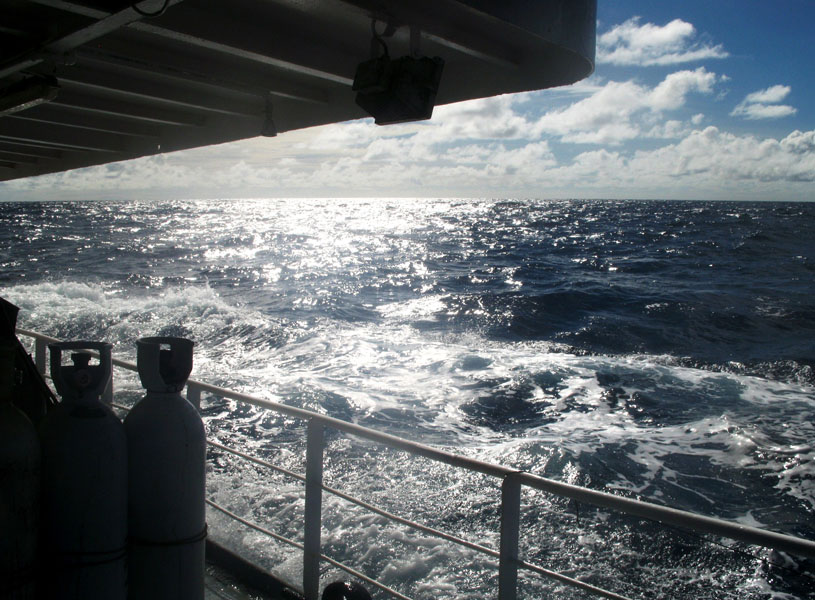
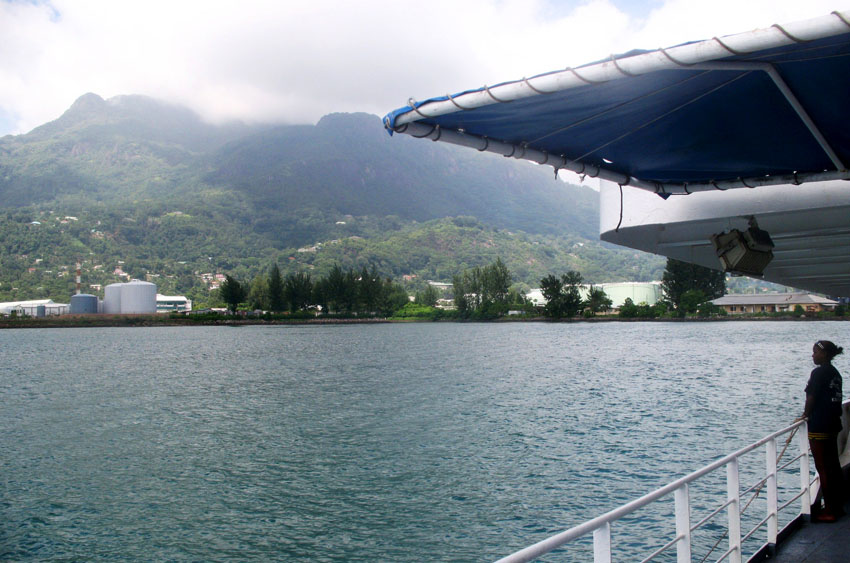
The last journey to Seyshelles was exceptional for several resons. First of all, my dream came true – I had a dream to get to Aldabra for 13 years. We sailed a quite long way – over 1500 km during 12 days. Second – I was able to explore unique places: Desroches (an island, on which I had been 3 months beforehand as well), Alphonse, Astove, Cosmoledo, Assumtion, and Aldabra of course.

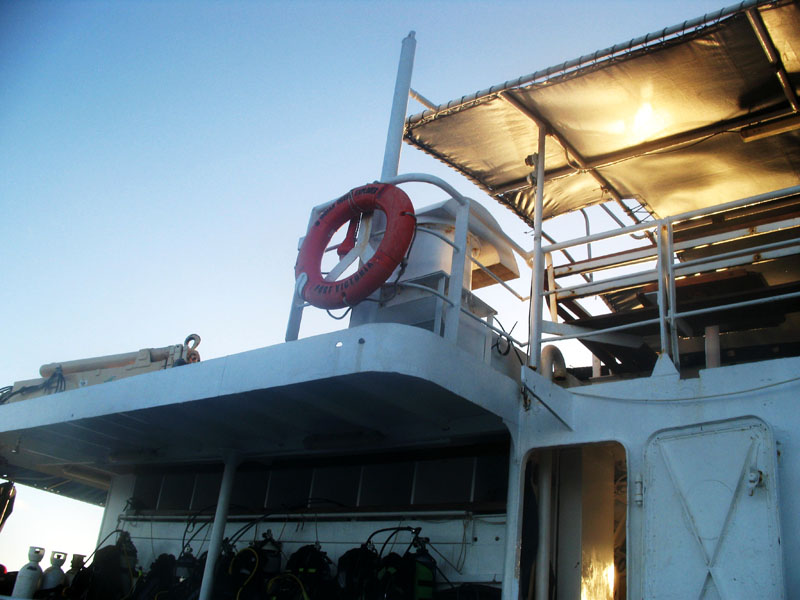
We were very lucky too. Our vessel, Indian Ocean Explorer, was captured by Somali pirates around 2 weeks after our trip. It happenned near the coast of the Assumption island, between the 28th and 30th of March 2009. The crew was held hostage for 79 days. Fortunately, thanks to the Seychelles authorities, they were released on June 22, 2009. However, Seyshelles government representatives neither did release Somali pirates they had captured nor did pay any ransom for the crew. This is why the vessel still remains in pirate hands, anchored off the coast of Central Somalia.

Categories
Seychelles

Assumption

Assumption Island is a small island located at 9°45′S 46°29′E in the Indian Ocean north of Madagascar and is part of the country of the Seychelles. It is located about 30 km southeast of the Aldabra Atoll and is part of the Aldabra Group. It is a single coral island which measures 11.07 km² in area and which has a small settlement on the sheltered western side, surrounded by Casuarina trees. An abandoned coconut palm plantation is just south of it. There is a concrete runway that runs from between the two sand dunes on the southeast to the settlement. The western shore features an almost uninterruptend sandy beach of 5 km. Two large sand dunes are prominent on the southeastern coast of the island, one of them 32 m high.

Due to the devastating effect of guano mining which lasted until 1983, the island is dominated by expanses of bare rock and caves, and is sparsely covered with low-growing vegetation.

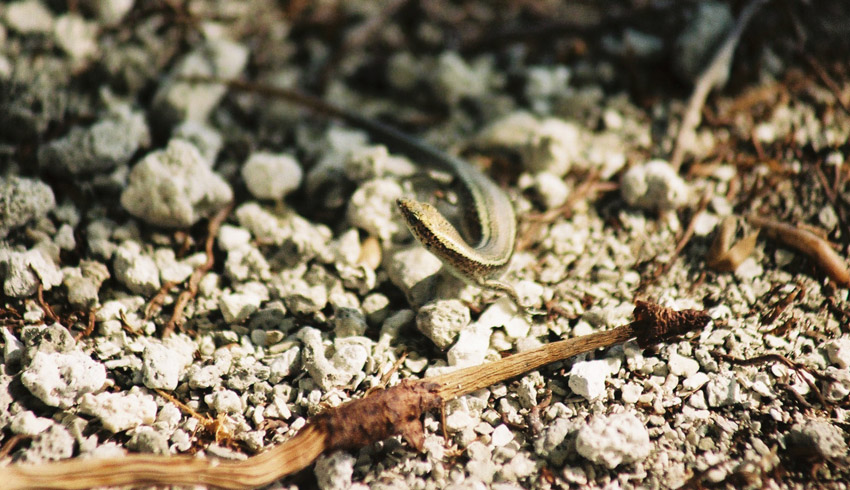
A notable feature of this island is the Assumption Island day gecko, a subspecies of gecko found only on this island.

The documentary The Silent World was partially shot on Assumption.

Source: Wikipedia (under GNU Free Documentation License)

Categories
Seychelles

Aldabra Atoll

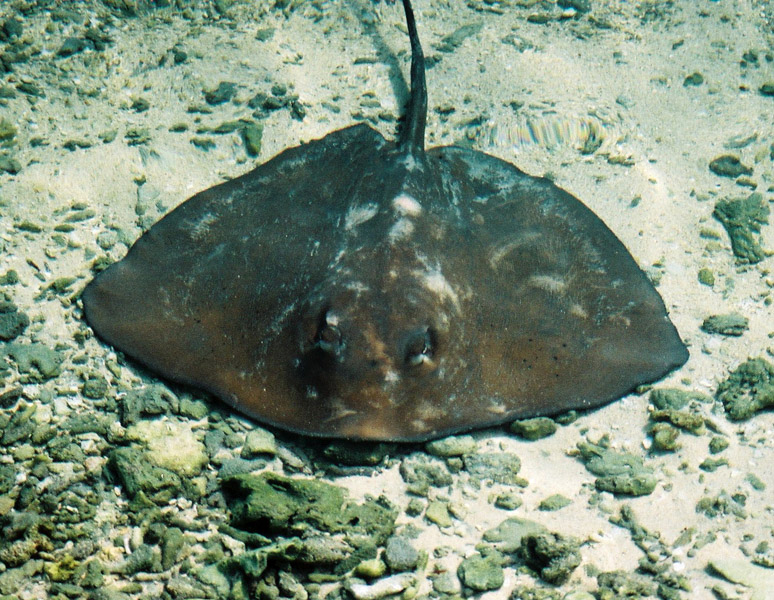
Aldabra is a raised coral atoll in the Aldabra Group of islands in the Indian Ocean that form part of the Seychelles. The island is more than 700 miles from Mahé and is closer to the coast of Africa and Madagascar. Virtually untouched by humans, with distinctive island fauna, including the Aldabra Giant Tortoise, the island is designated a World Heritage Site. The atoll is home to the world’s largest population of giant tortoises, numbering some 100,000 individuals. They are also known for their green turtles, hawksbill turtles, hammerhead sharks, mantarays, barracuda, and birds, including the Aldabra rail, the last surviving flightless bird of the Indian Ocean region. The Aldabra Group includes the island of Assumption and the atolls of Astove and Cosmoledo.

Aladabra was designated a World Heritage Site on November 19, 1982, and is administered by the Seychelles Island Foundation based on Mahé. An environmental disaster for the island was averted in the 1960s when the British nearly entered into negotiations with the United States to turn the island into a military air base. The proposal created an international protest by ecologists and their lobbying resulted in military plans abandoned and the wildlife habitat receiving full protection.

Source: Wikipedia (under GNU Free Documentation License)

Categories
Seychelles

L’Ilot

Categories
Seychelles

Cosmoledo Atoll

Cosmoledo is an atoll of the Aldabra Group and belongs to the Outer Islands of the Seychelles. The atoll is 14.5 km long east-west, and 11.5 km north-south. The total land area is about 5.2 km², while the lagoon measures 145 km² in area (total 152 km²). It is located at 9°42’S 47°36’E. The closest island is Astove Island, 38 km farther south. Cosmoledo Atoll and Astove Island are together sometimes known as Cosmoledo Group, which is part of the larger Aldabra Group.

There are 16 individual islets and cays along the rim of the atoll, with Menai (in the west) and Wizard Island (Grande Île, in the southeast) being the largest.

Cosmoledo holds Seychelles’ largest colonies of all three species of booby that breed in Seychelles. The atoll holds the last viable population of Brown Booby, breeding mainly on Ile du Sud Ouest, with a few on Ile du Nord. It also has the Indian Ocean’s larget population of Red-footed Booby censused by the Island Conservation Society as about 15,000 pairs.

Source: Wikipedia (under GNU Free Documentation License)

Categories
Seychelles

Astove

Astove Island is part of the Aldabra Group of the Seychelles. It is 38 km SSE of Cosmoledo Atoll, located at 10°06′S 47°45′E. It is a raised coral island of most peculiar form: a single stretch of land, more than 1 km (nearly one mile) at the widest, almost entirely encloses a shallow lagoon. This has a maximum depth of 3 metres (10 ft), and the only exit is a winding passage in the southwest, called Gueule Bras Channel.

Astove Island measures nearly 6 km (3.7 miles) north to south and about 4 km (2.5 mi) at most east to west. The land area is 4.96 km², and the total area including the lagoon 9.5 km². The only settlement, on the western coast, has been abandoned since the 1980s. There is a grass airstrip on the north east point of the island, and remnants of a former coconut and sisal plantation. Today, the island is rarely visited – usually by scientists researching the lagoon’s ecology – but the near-vertical drop-off from its outer reef edge is a popular location for diving cruises.

Source: Wikipedia (under GNU Free Documentation License)