Categories
Jamaica

Jamaica

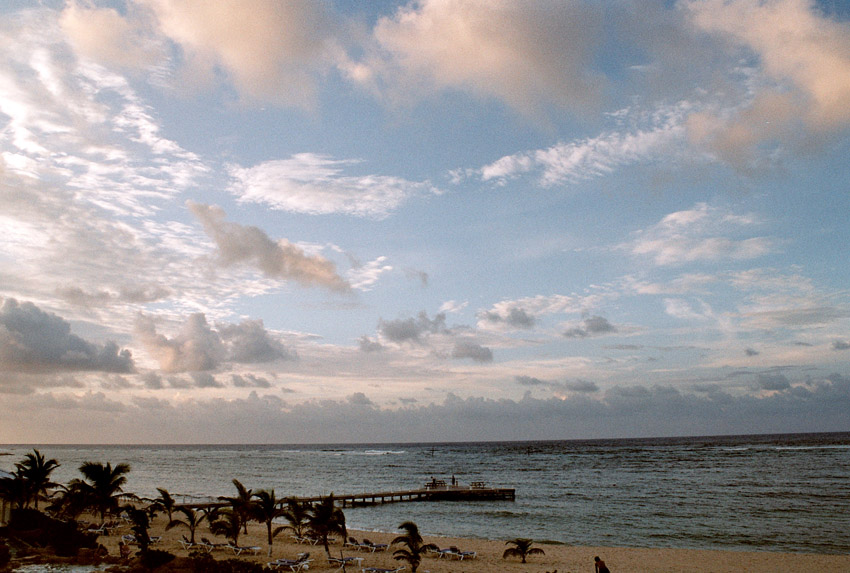
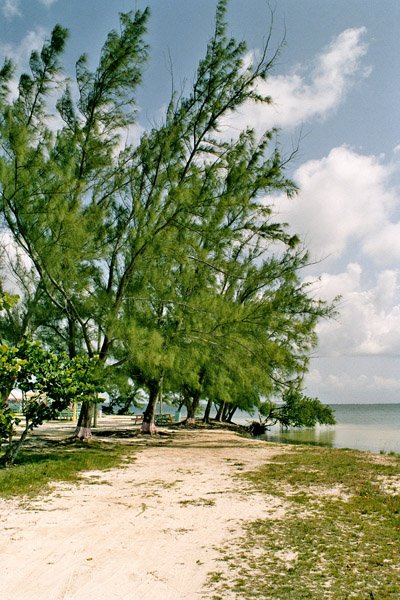
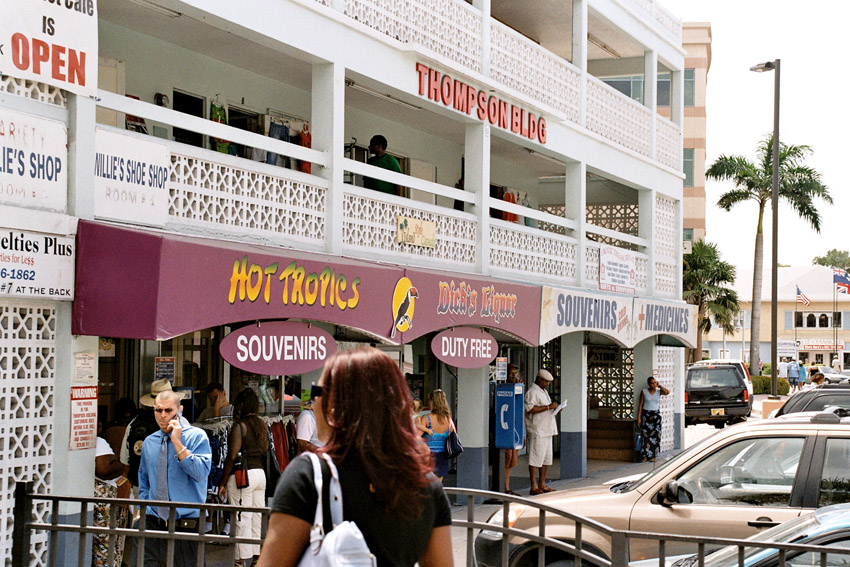
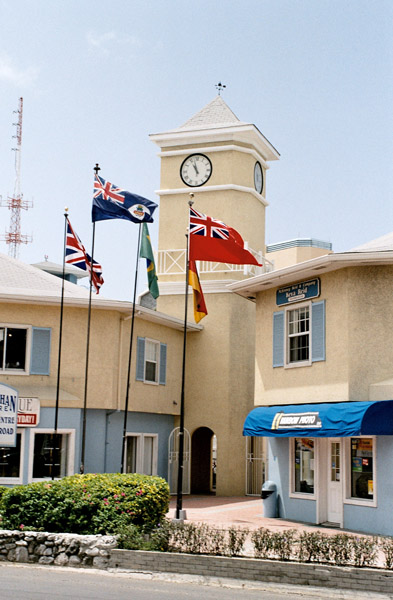
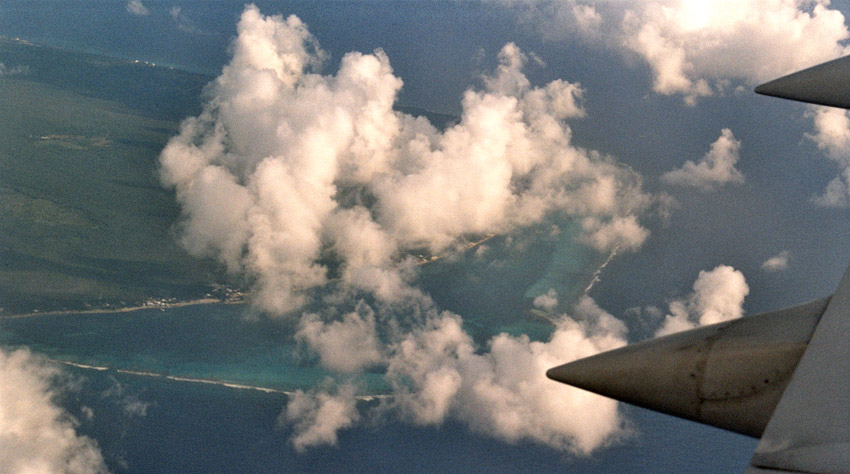
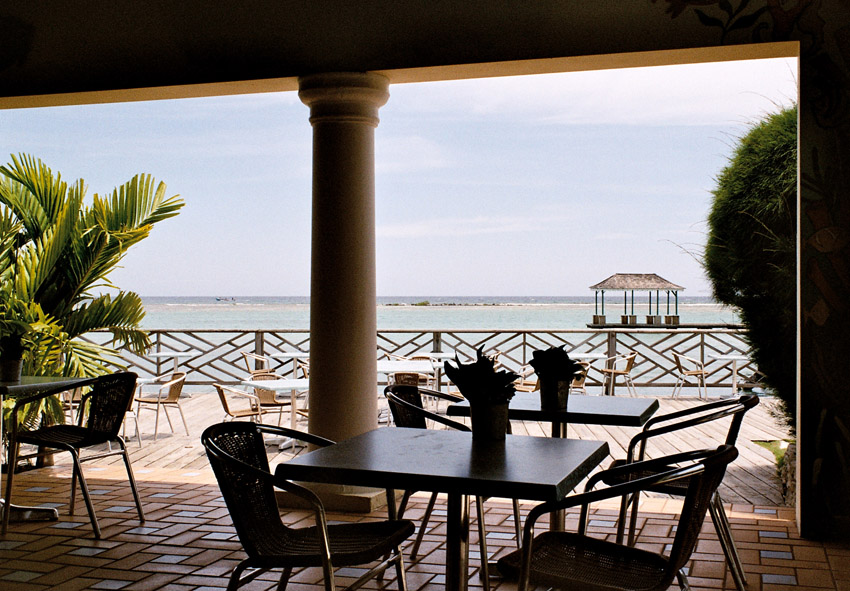
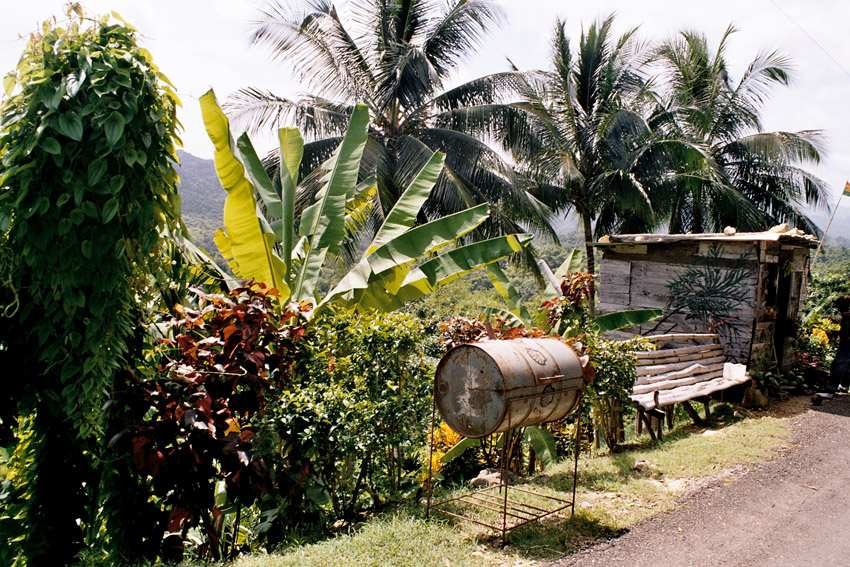
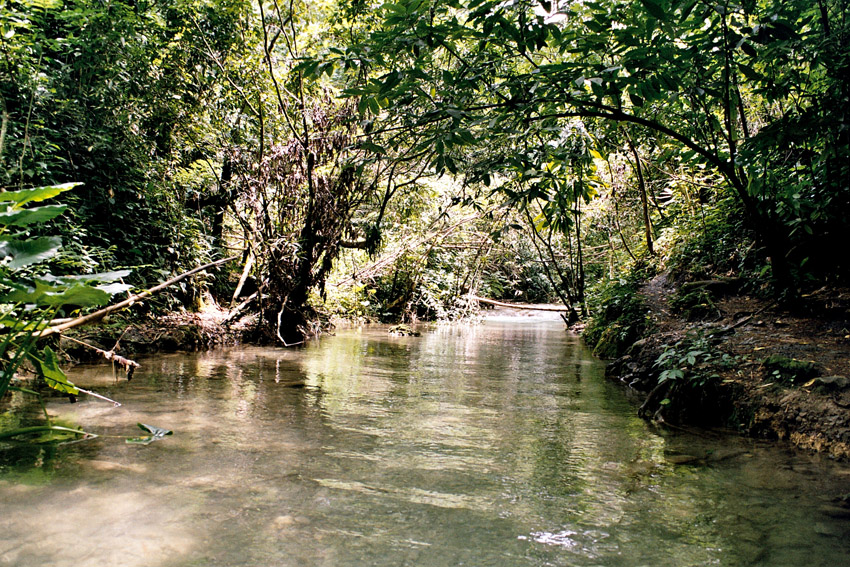
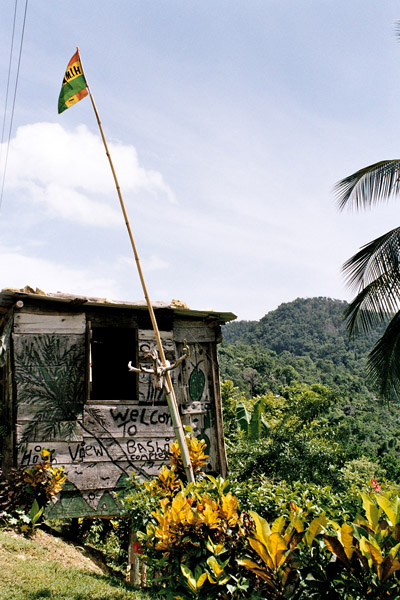
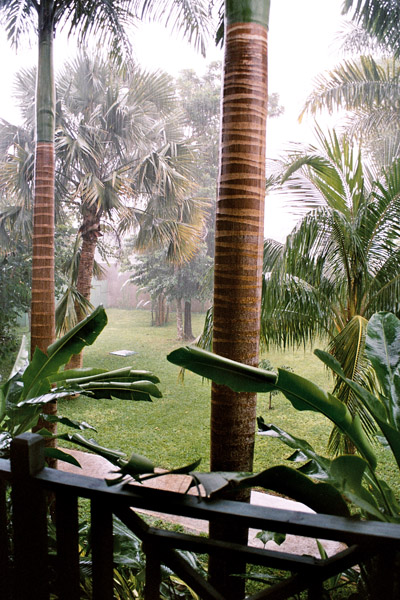
Jamaica (pronounced /dʒəˈmeɪkə/) is an island nation of the Greater Antilles, 234 kilometres (145 mi) in length and as much as 80 kilometres (50 mi) in width situated in the Caribbean Sea. It is about 145 kilometres (90 mi) south of Cuba, and 190 kilometres (120 mi) west of the island of Hispaniola, on which Haiti and the Dominican Republic are situated. Its indigenous Arawakan-speaking Taíno inhabitants named the island Xaymaca, meaning the “Land of Wood and Water”, or the “Land of Springs”. Formerly a Spanish possession known as Santiago, it later became the British Crown colony of Jamaica. It is the third most populous anglophone country in North America, after the United States and Canada. It remains a Commonwealth realm with Queen Elizabeth II as Head of State.

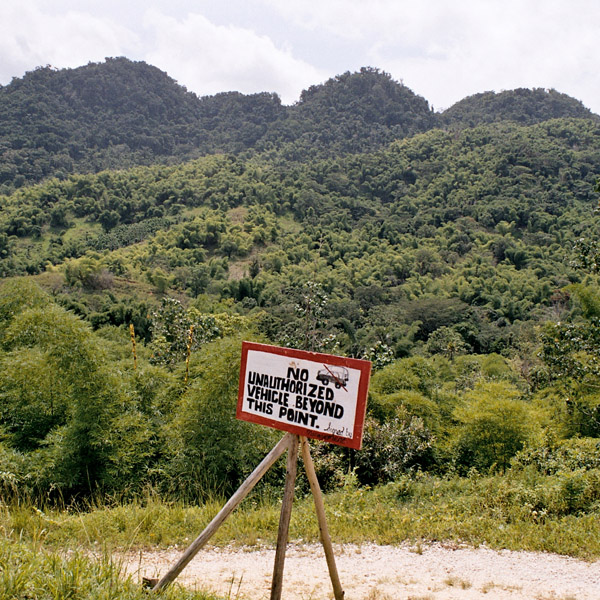
Jamaica is the third largest island in the Caribbean. The island is home to the Blue Mountains inland and is surrounded by a narrow coastal plain. Most major towns and cities are located on the coast. Chief towns and cities include the capital Kingston, Portmore, Spanish Town, Mandeville, Ocho Ríos, Port Antonio, Negril, and Montego Bay. The Kingston Harbour is one of the largest natural harbours in the world. There are several tourist attractions scattered across the country, including Dunn’s River Falls in St. Ann, YS Falls in St. Elizabeth, the Blue Lagoon in Portland, and Port Royal, which was the site of an earthquake that helped form the island’s Palisadoes.

The climate in Jamaica is tropical, with hot and humid weather, although higher inland regions are more temperate. Some regions on the south coast, such as the Liguanea Plain and the Pedro Plains, are relatively dry rain-shadow areas. Jamaica lies in the hurricane belt of the Atlantic Ocean; as a result, the island sometimes experiences significant storm damage. Hurricanes Charlie and Gilbert hit Jamaica directly in 1951 and 1988, respectively, causing major damage and many deaths. In the 2000s, hurricanes Ivan, Dean, and Gustav also brought severe weather to the island.

Source: Wikipedia (under GNU Free Documentation License)

Categories
Brazil

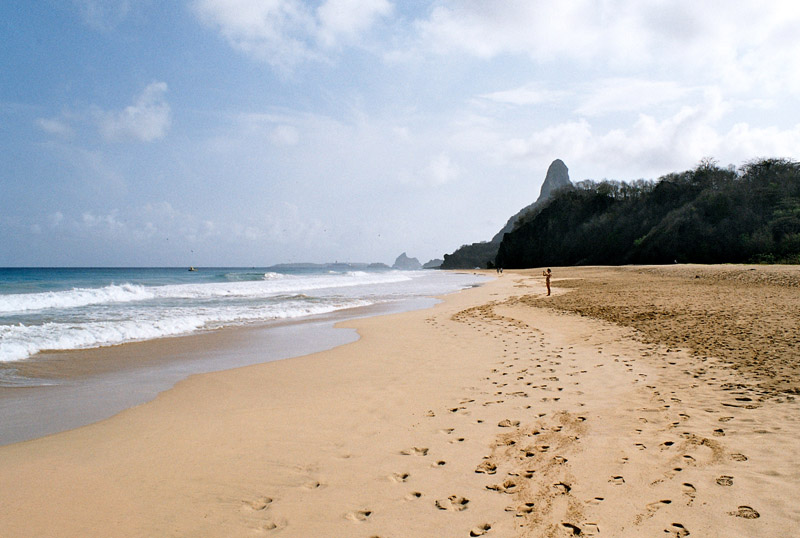
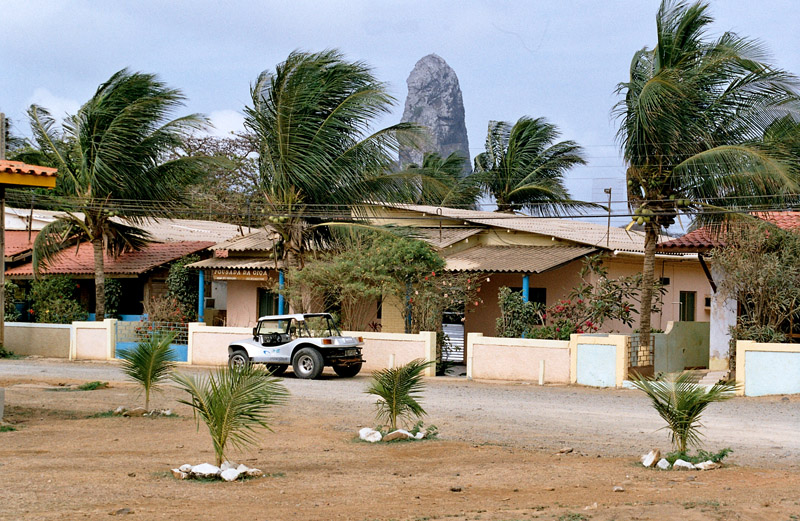
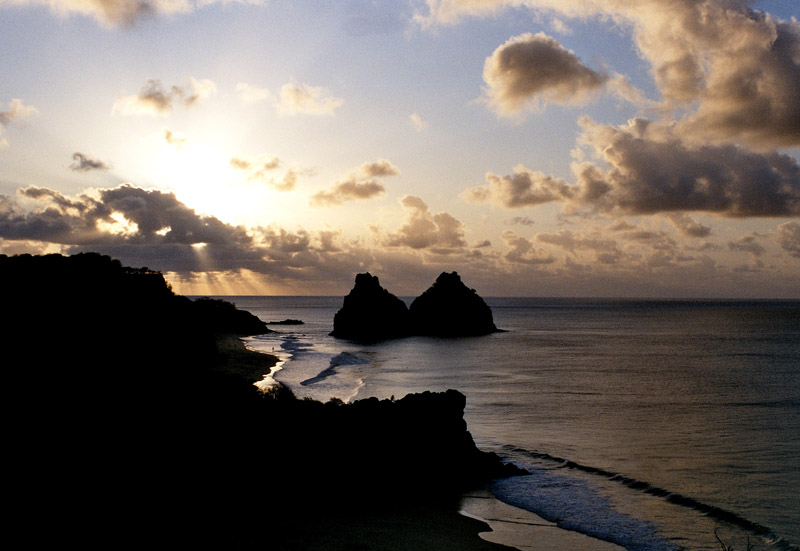
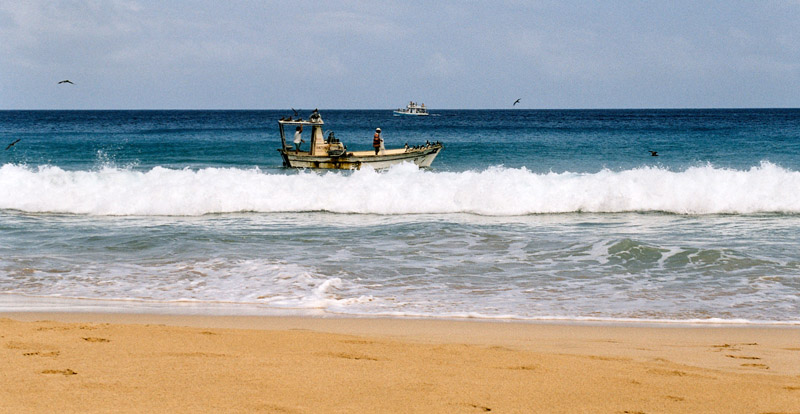
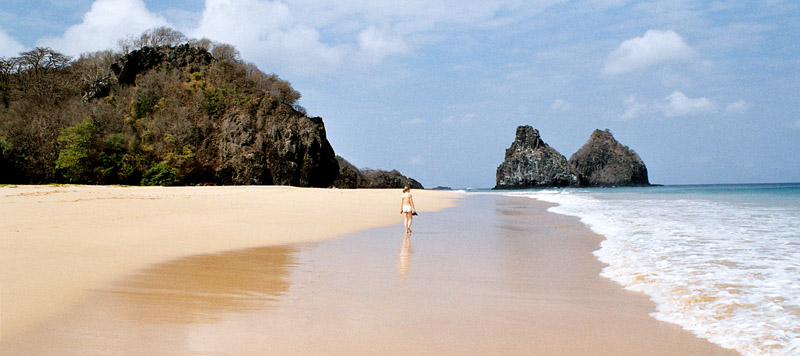
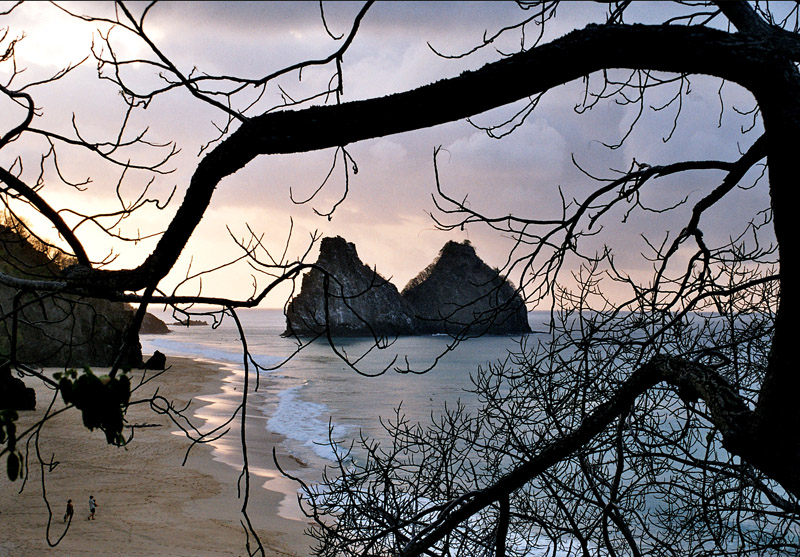
Fernando de Noronha

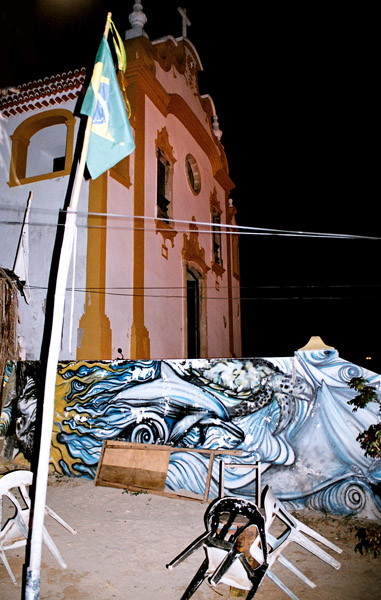
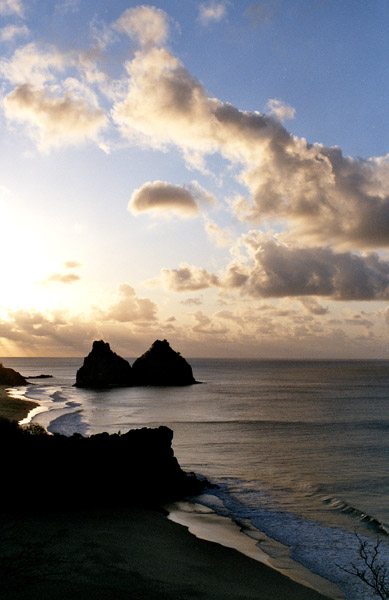
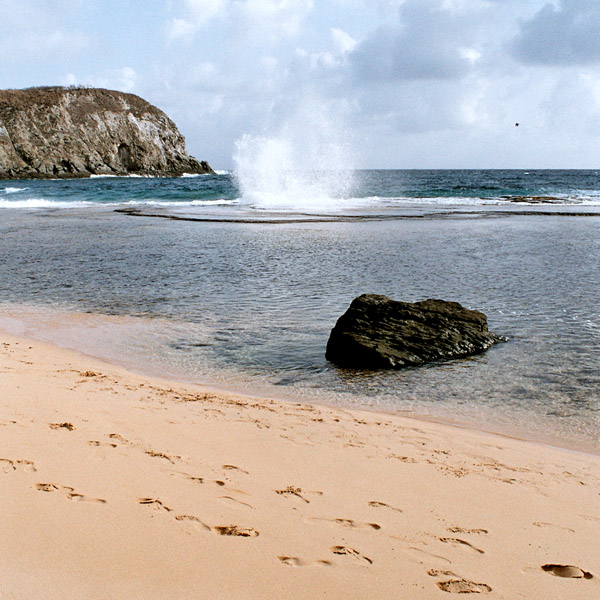
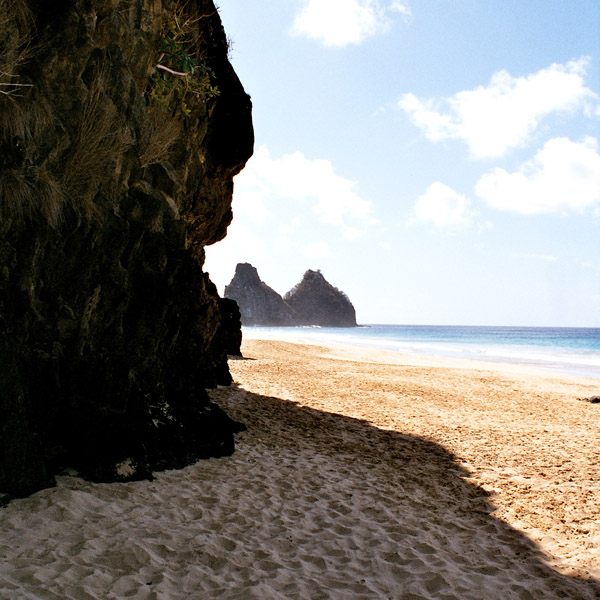
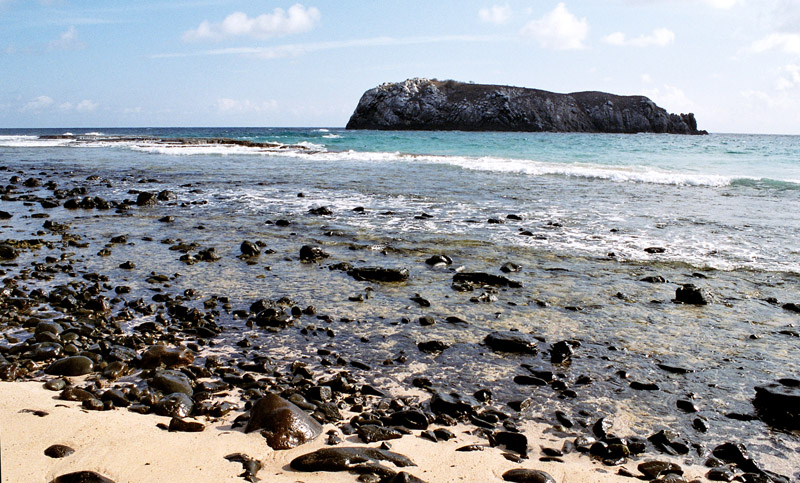
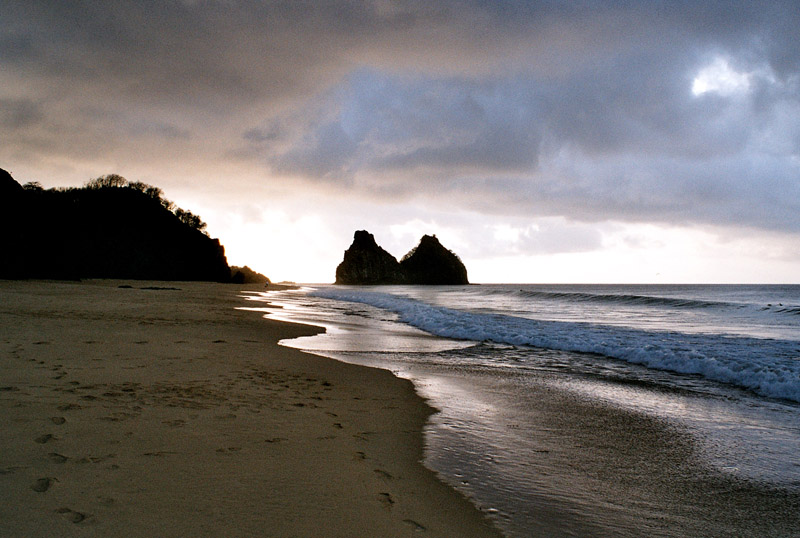
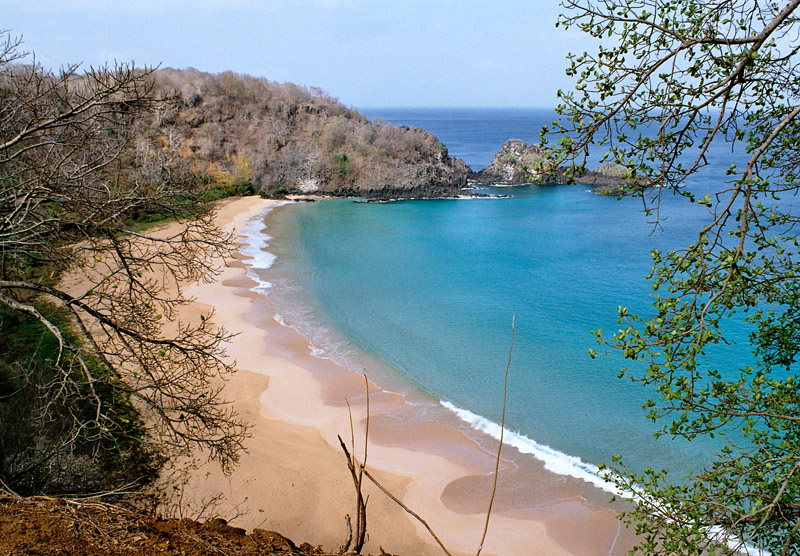
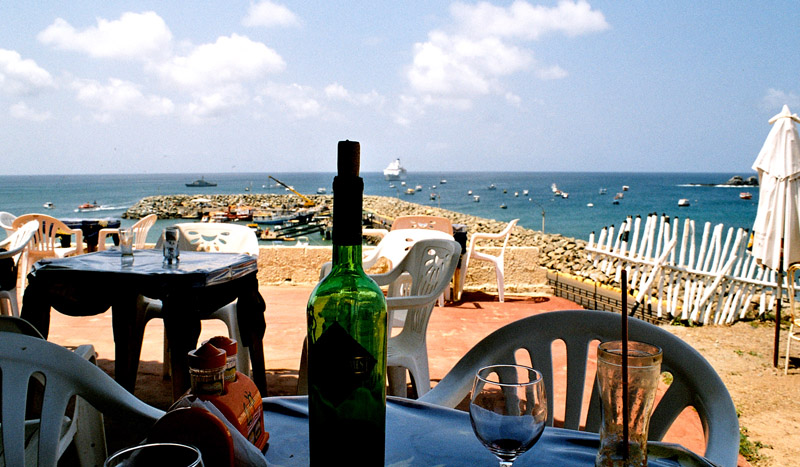
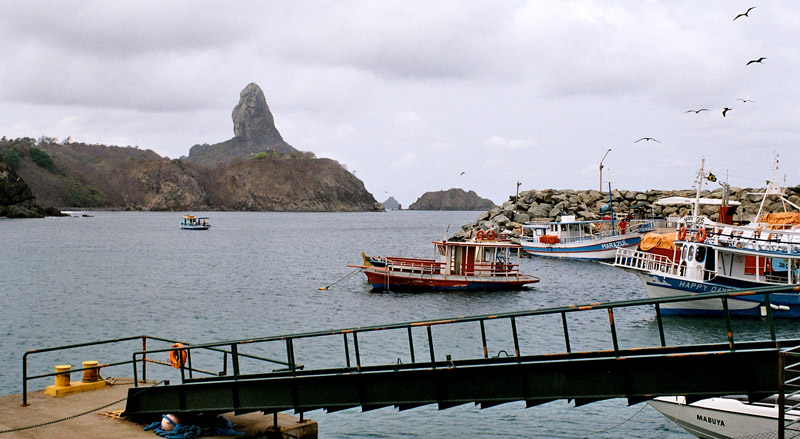
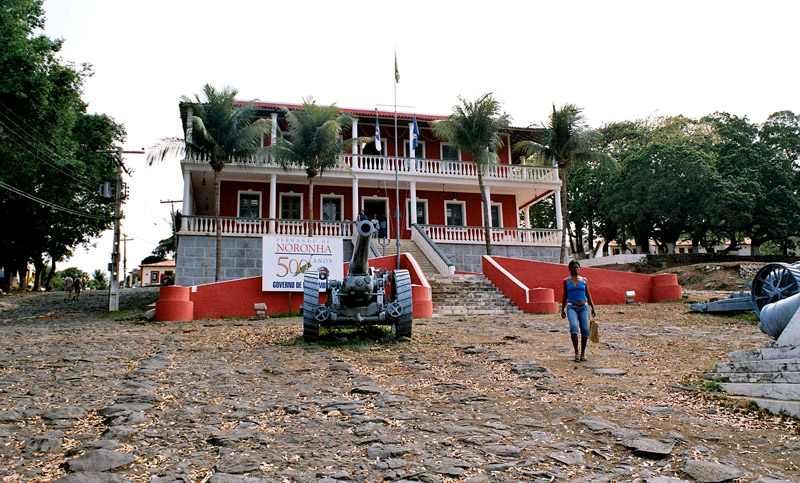
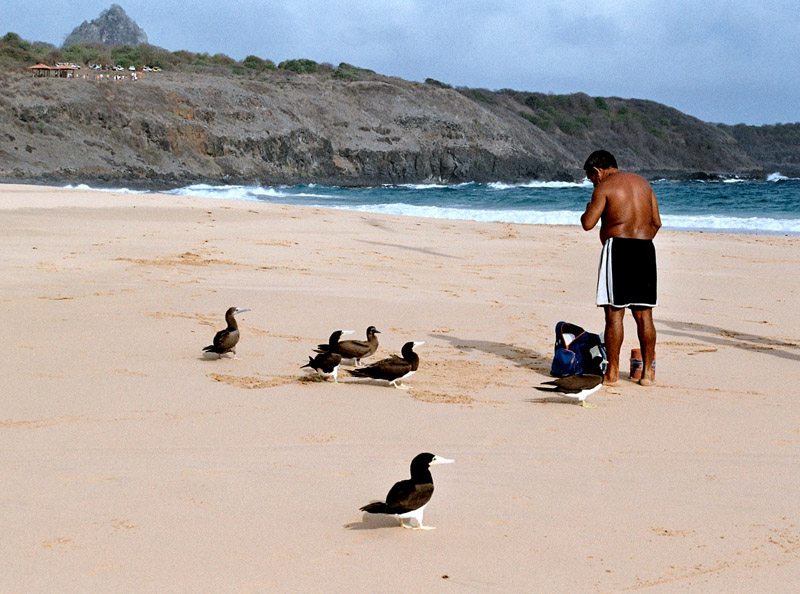
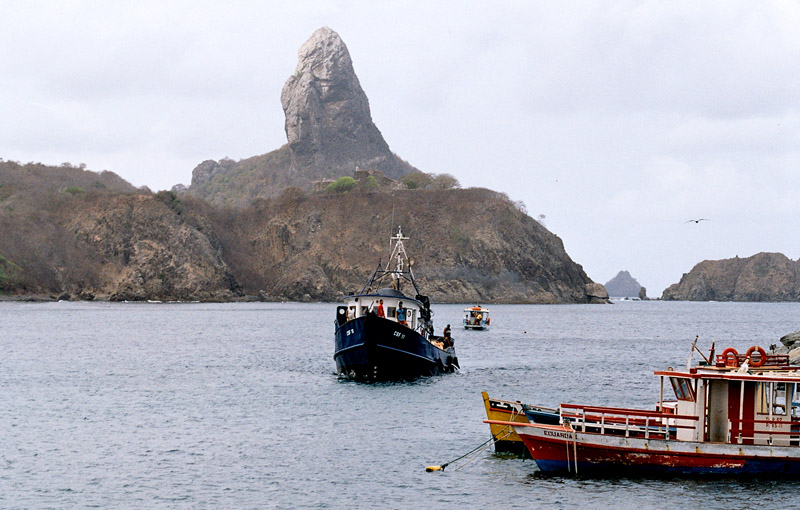
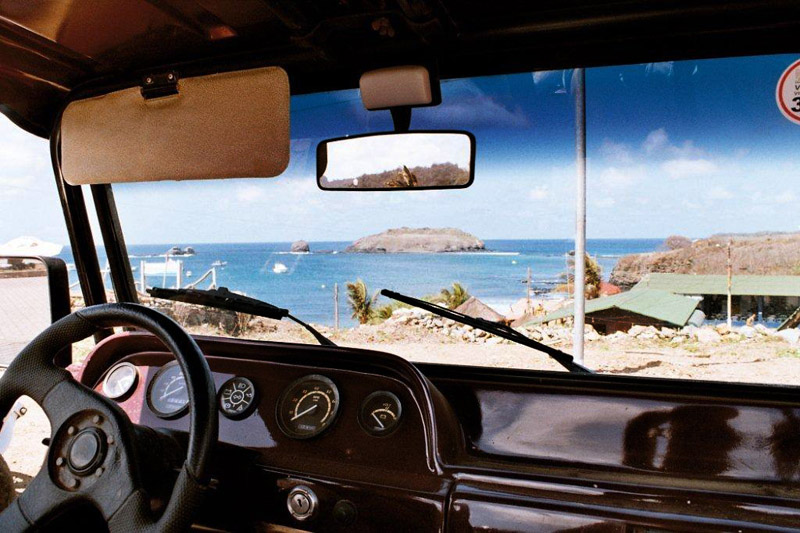
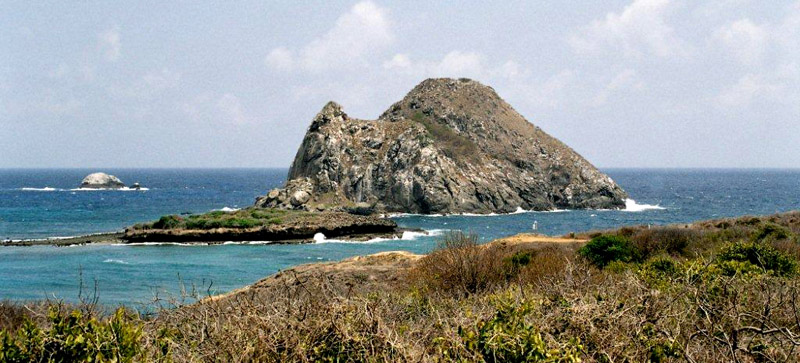
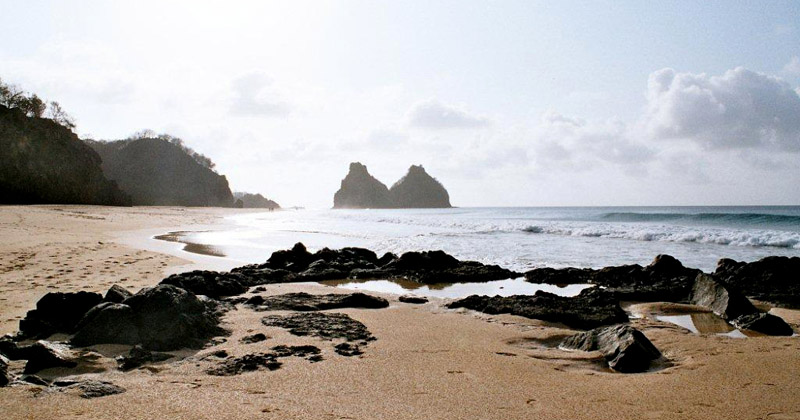
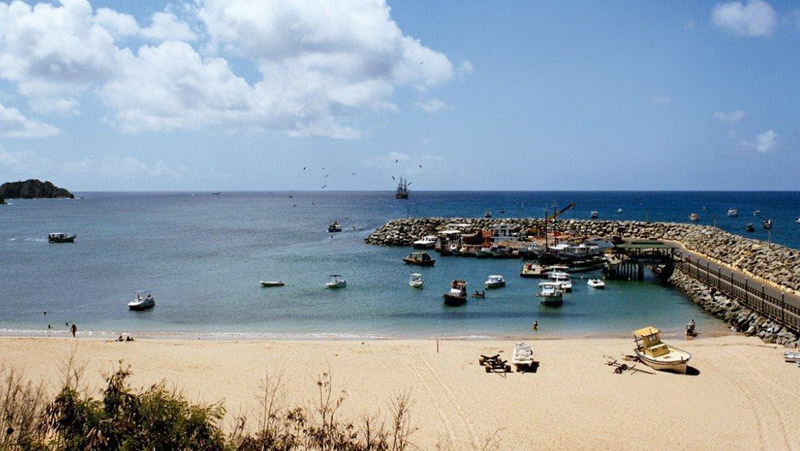
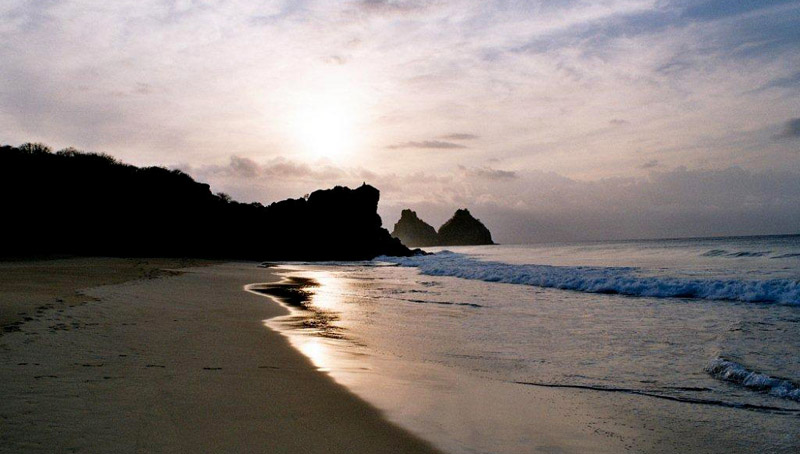
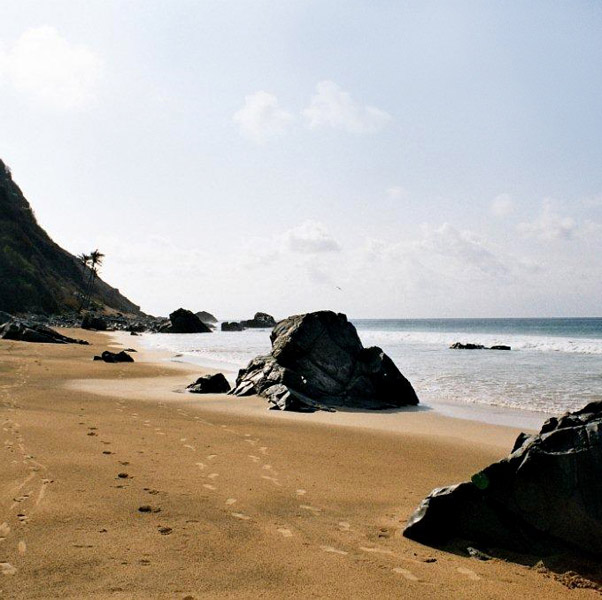
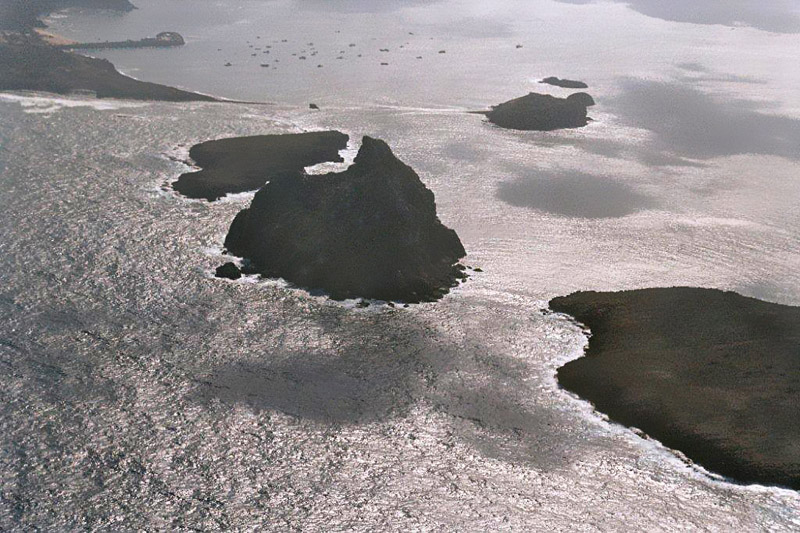
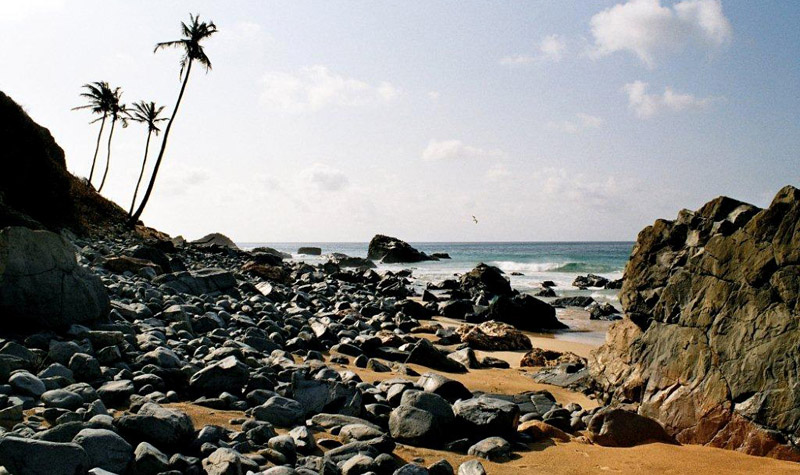
Fernando de Noronha is an archipelago of 21 islands and islets in the Atlantic Ocean, around 354 km (220 miles) offshore from the Brazilian coast. The main island has an area of 18.4 square kilometres (7.1 sq mi) and had a population of 3,012 in the year 2008. The area is a special municipality (distrito estadual) of the Brazilian state of Pernambuco (despite being closer to the state of Rio Grande do Norte) and is also a UNESCO World Heritage Site. Its timezone is UTC−2h. The local population and travellers can get to Noronha by plane or cruise from Recife (545km) or by plane from Natal (360km). A small environmental preservation fee is charged from tourists upon arrival by Ibama (Institute of Environment and Renewable Natural Resources).

The climate is tropical, with two well-defined seasons. The rainy season lasts from March to September, the rest of the year sees little rain.

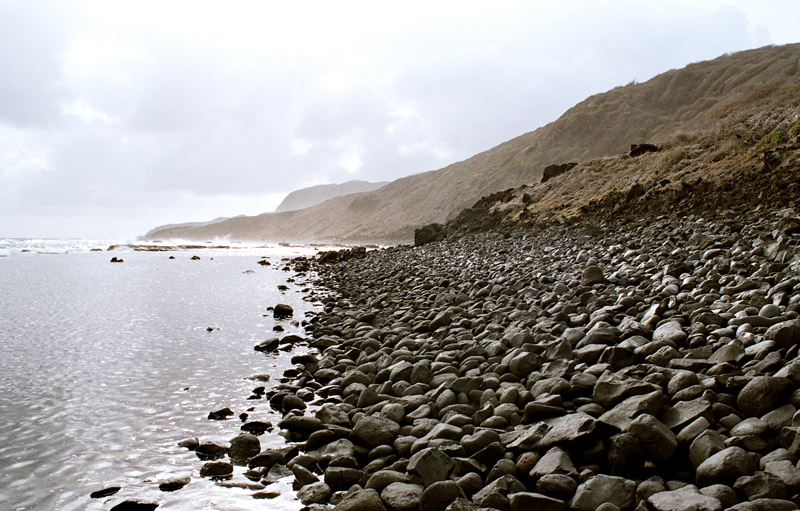
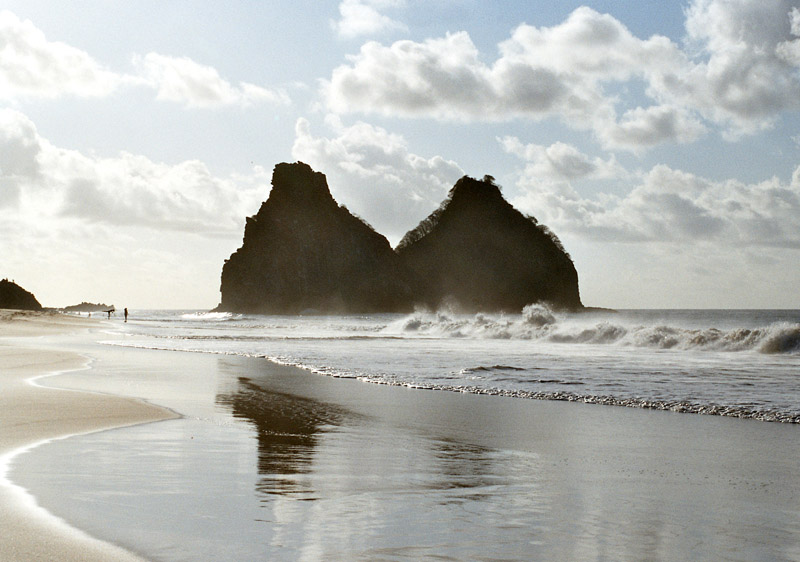
The islands of this archipelago are the visible parts of a range of submerged mountains. Consisting of 21 islands, islets and rocks of volcanic origin, the main island has an area of 18 km² (7.1 miles²), being 10 km (6.2 miles) long and 3.5 kilometres (2.170 mi) wide at its maximum. The base of this enormous volcanic formation is 756 m below the surface. The main island, from which the group gets its name, makes up 91% of the total area.

Source: Wikipedia (under GNU Free Documentation License)

Categories
Brazil

Porto de Galinhas

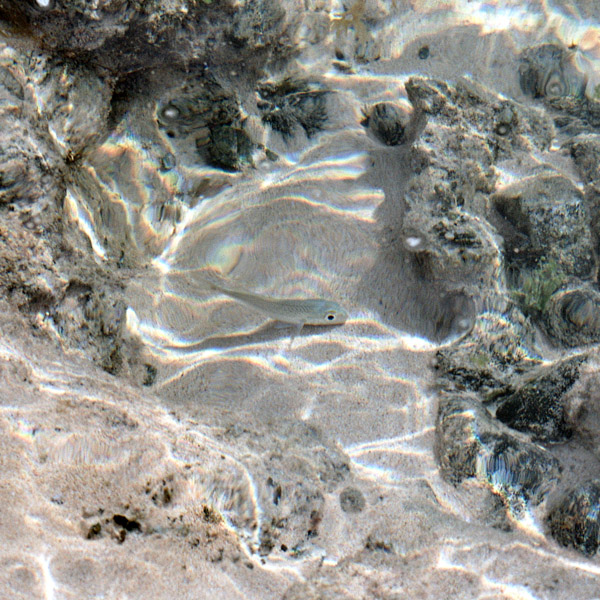
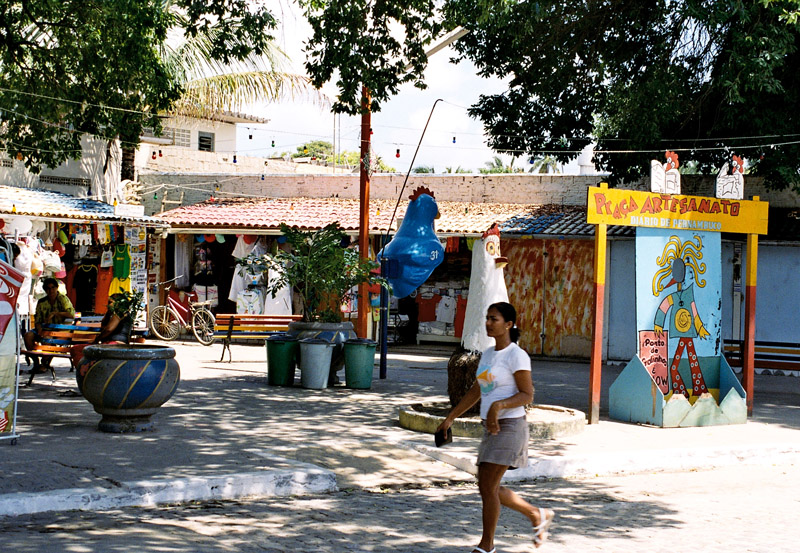
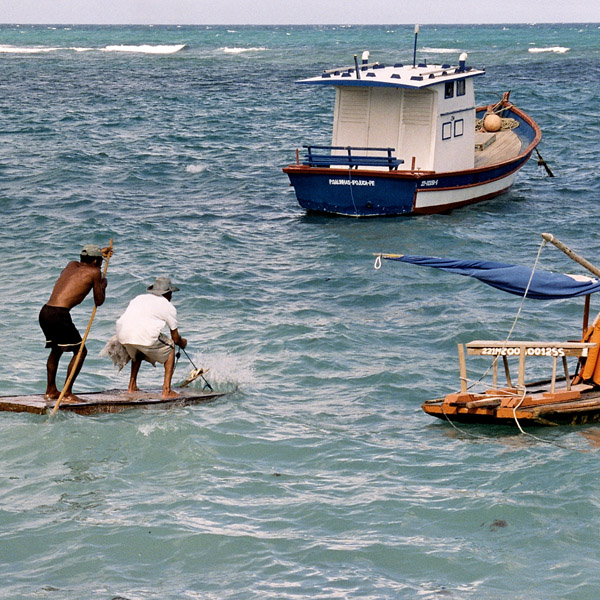
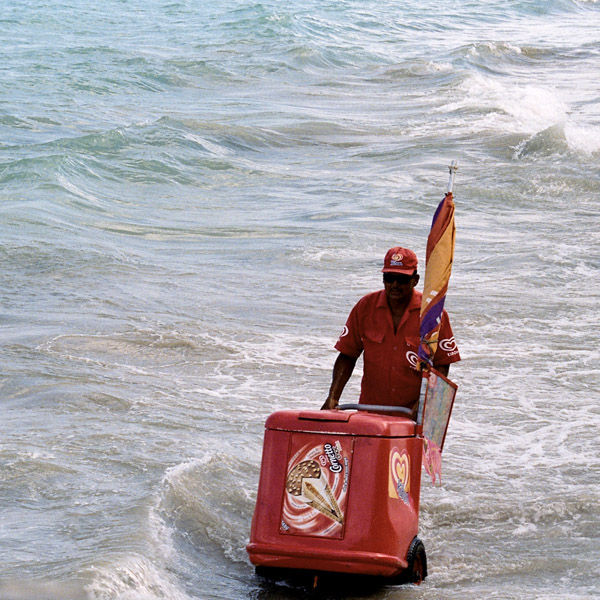
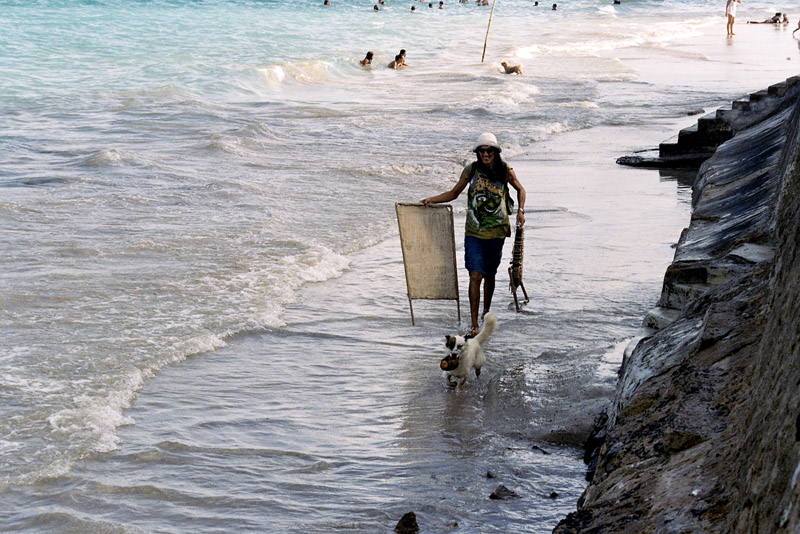
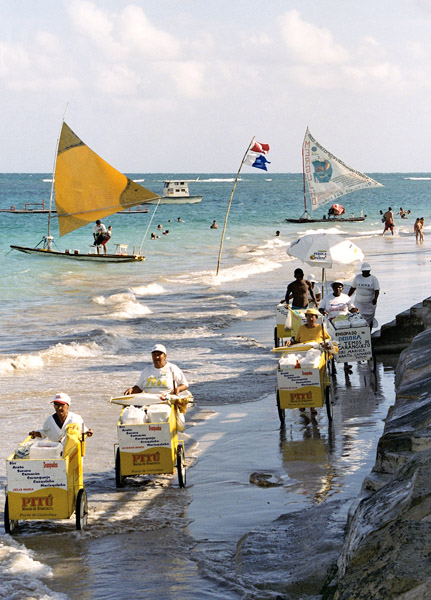
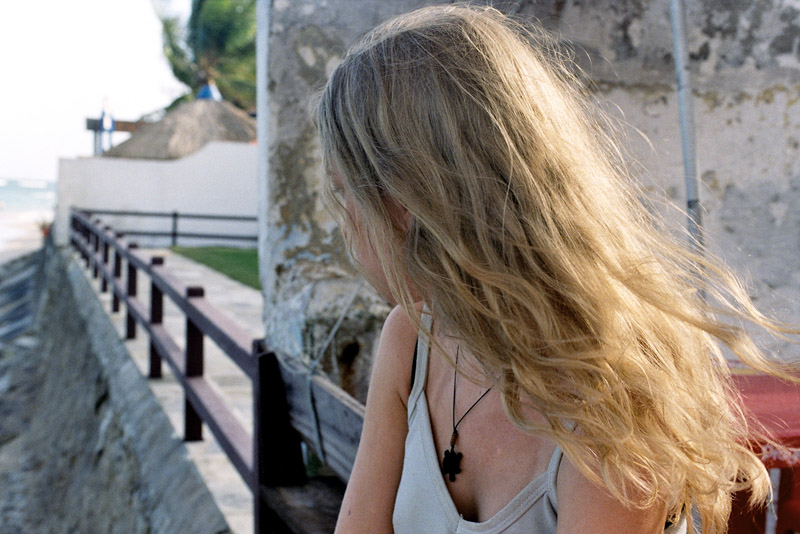
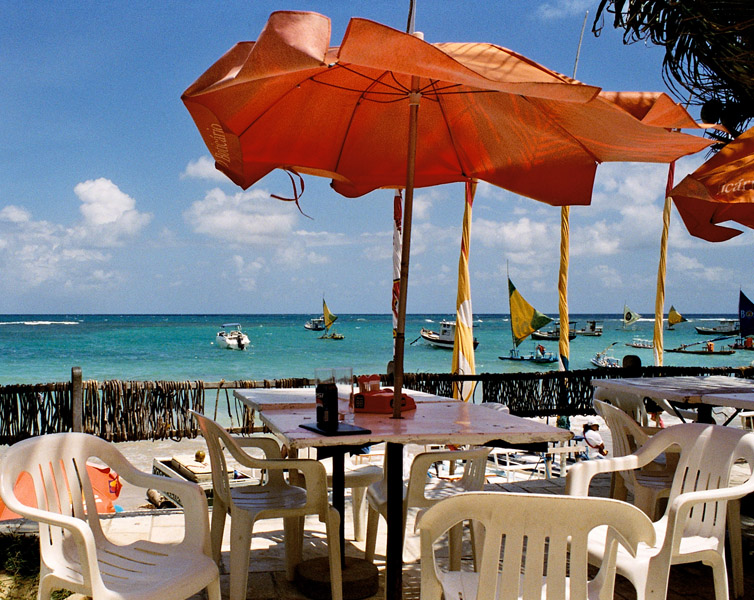
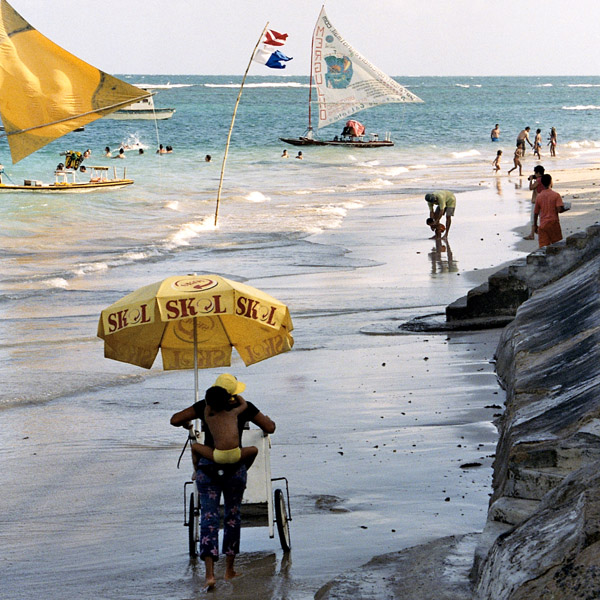
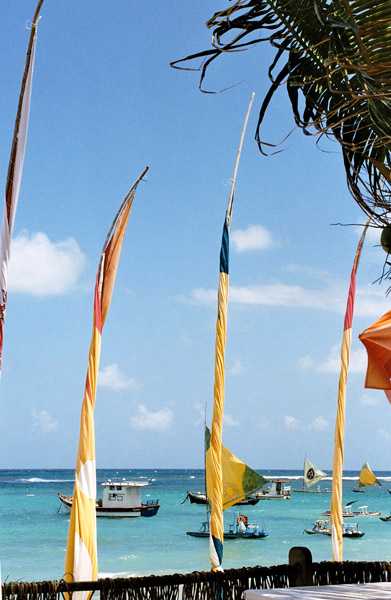
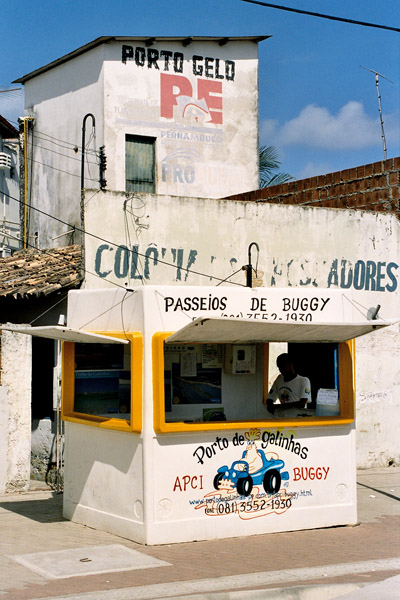
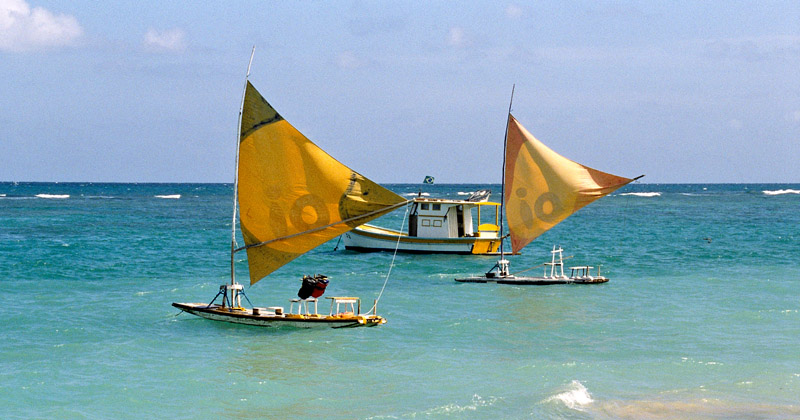
Porto de Galinhas is a beach in the municipality of Ipojuca, Pernambuco, Brazil. Porto de Galinhas is a major tourist destination. The beach is famous for its bright-water beaches and the natural pools. It is part of the municipality of Ipojuca, and located 60 kilometers (37 miles) south of the state capital, Recife.

It has been voted “Best Brazilian Beach” for the eighth time in a row by the readers of Voyage & Tourism Brazilian magazine. According to this magazine, the main reasons given are the beauty of the natural pools (the closest to the coast in all of Brazil, the ecological trails, the hotel infrastructure and the proximity to a large city and airport in Recife.

Source: Wikipedia (under GNU Free Documentation License)

Categories
Indonesia

Lombok

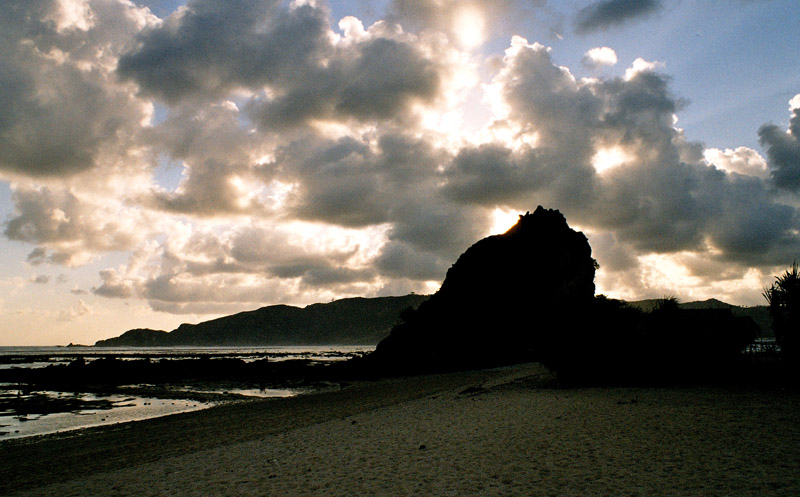
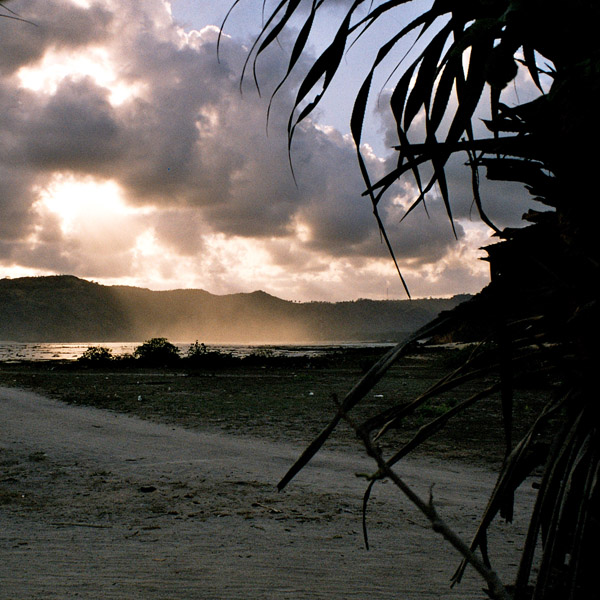
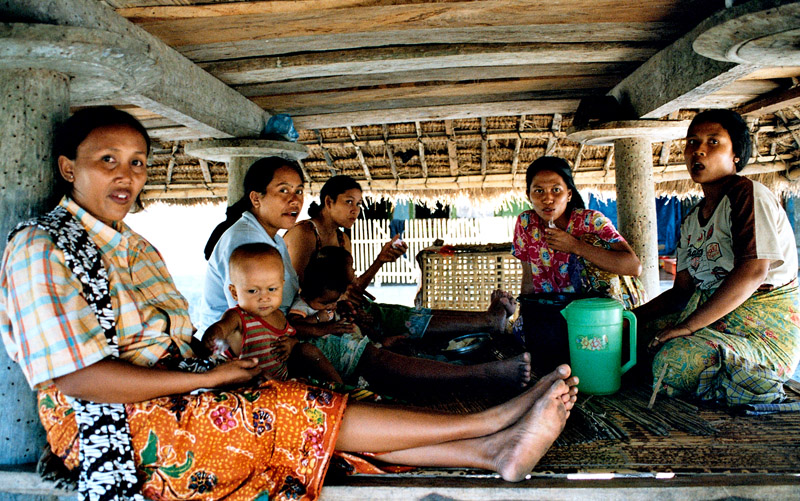
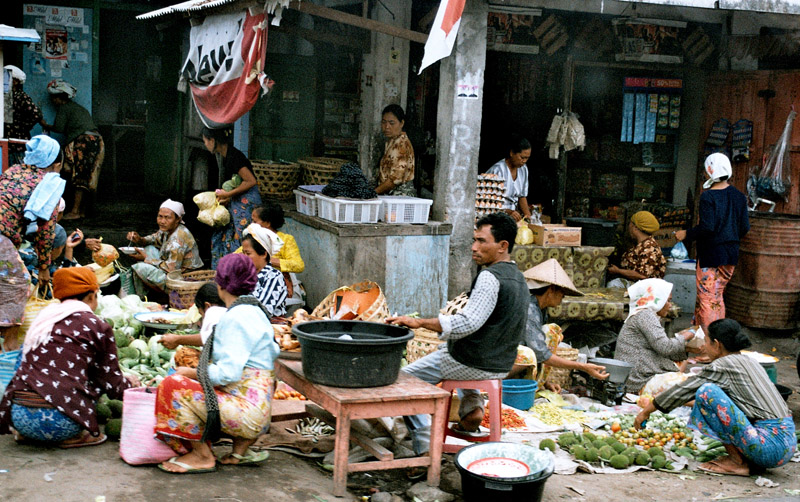
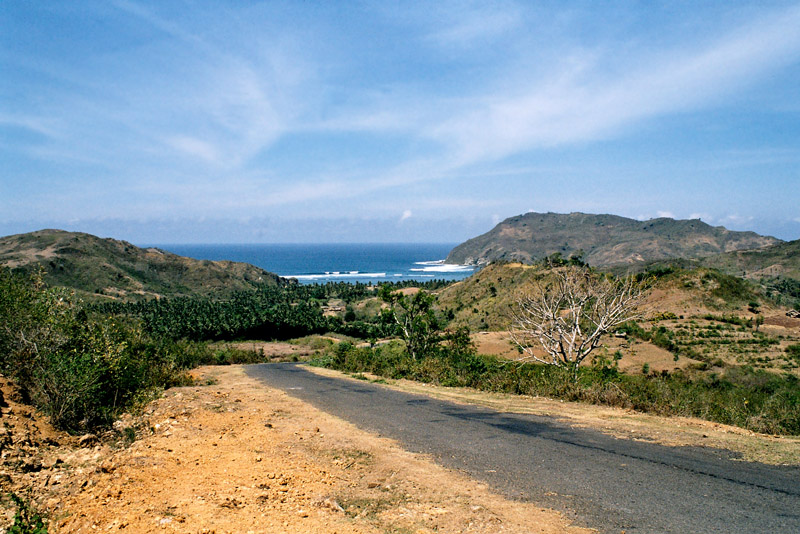
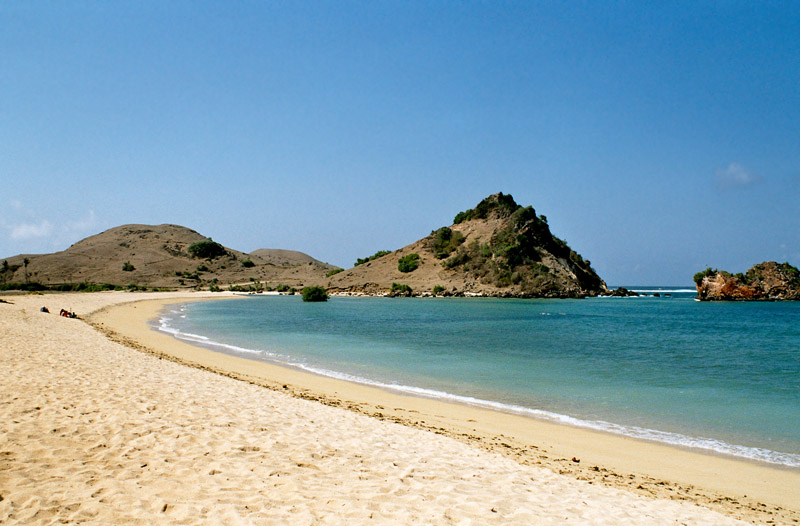
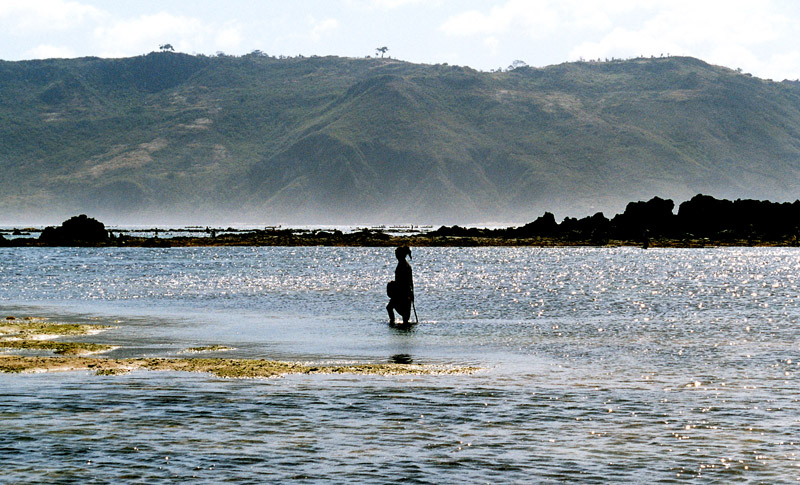
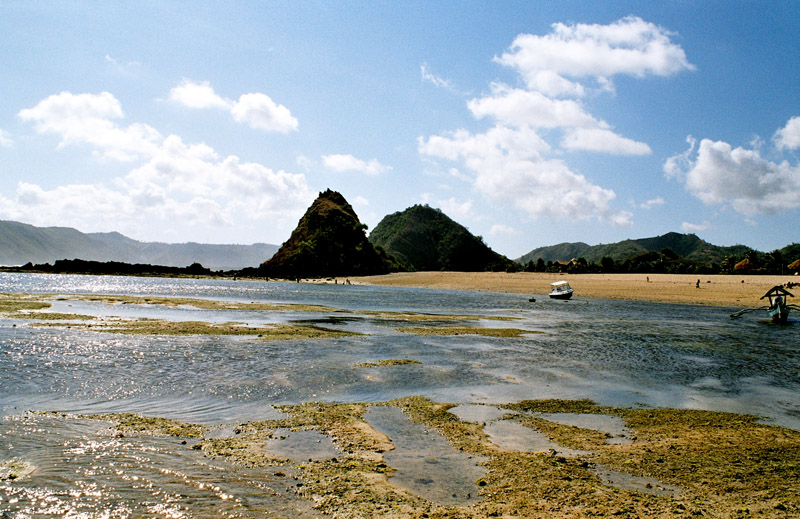
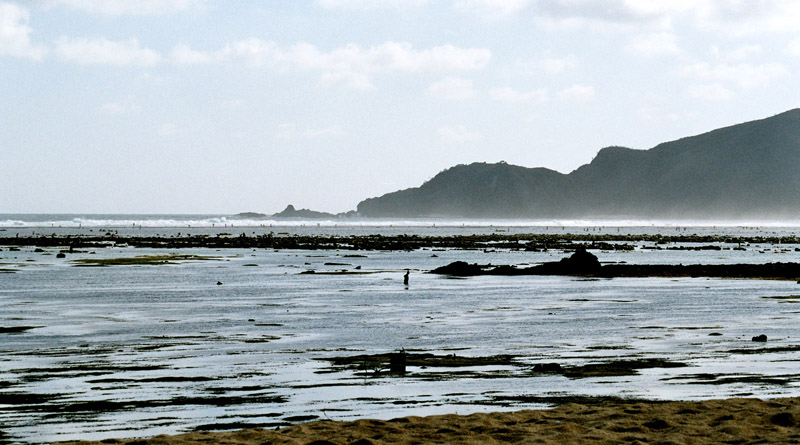
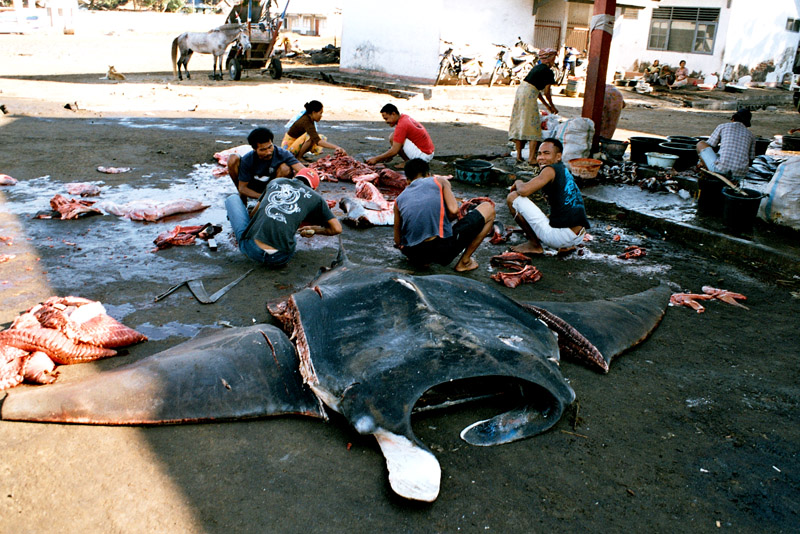
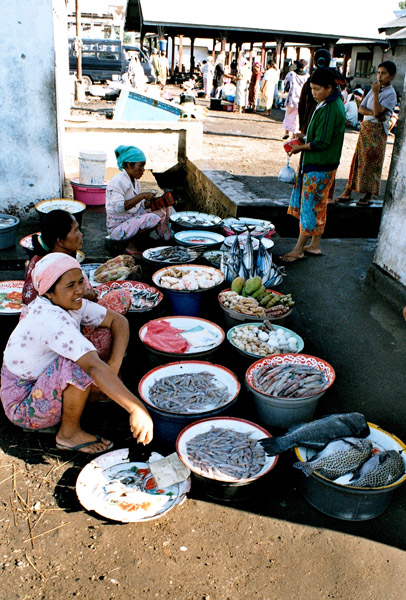
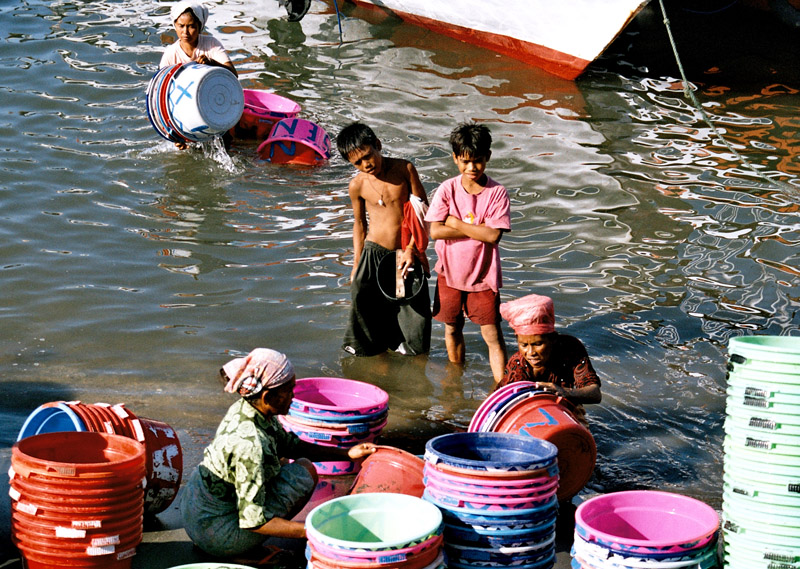
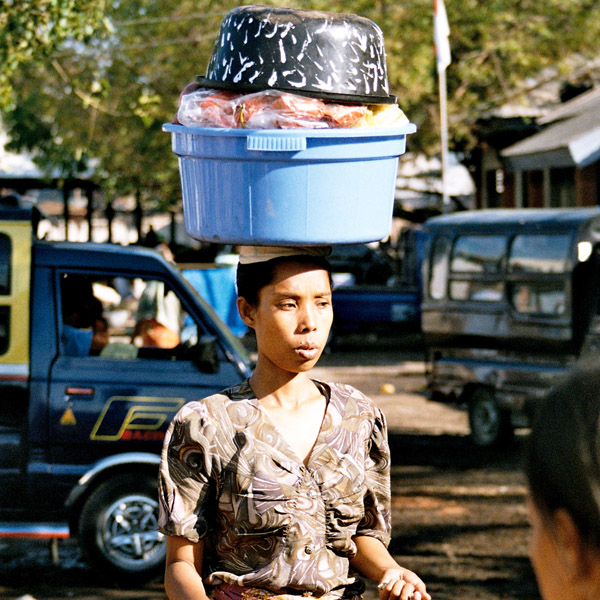
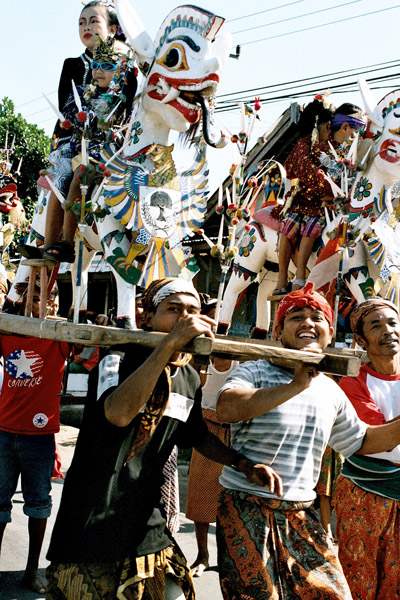
Lombok (population 2,950,105 in 2005) is an island in West Nusa Tenggara province, Indonesia. It is part of the chain of the Lesser Sunda Islands, with the Lombok Strait separating it from Bali to the west and the Alas Strait between it and Sumbawa to the east. It is roughly circular, with a “tail” to the southwest, about 70 km across and a total area of about 4,725 km² (1,825 sq mi). The provincial capital and largest city on the island is Mataram.

The Lombok Strait marks the passage of the biogeographical division between the fauna of the Indomalayan ecozone and the distinctly different fauna of Australasia that is known as the Wallace Line, for Alfred Russel Wallace, who first remarked upon the distinction between these two major biomes.

The island’s topography is dominated by the centrally-located stratovolcano Mount Rinjani, which rises to 3,726 m (12,224 ft), making it the third-highest in Indonesia. The most recent eruption of Rinjani was in May-June, 2009, which was a small oozing eruption of ‘Gunung Baru’ (New Mountain). The volcano, and its crater lake, ‘Segara Anak’ (child of the sea), are protected by a National Park established in 1997. The southern part of the island is a fertile plain where corn, rice, coffee, tobacco, and cotton are grown.

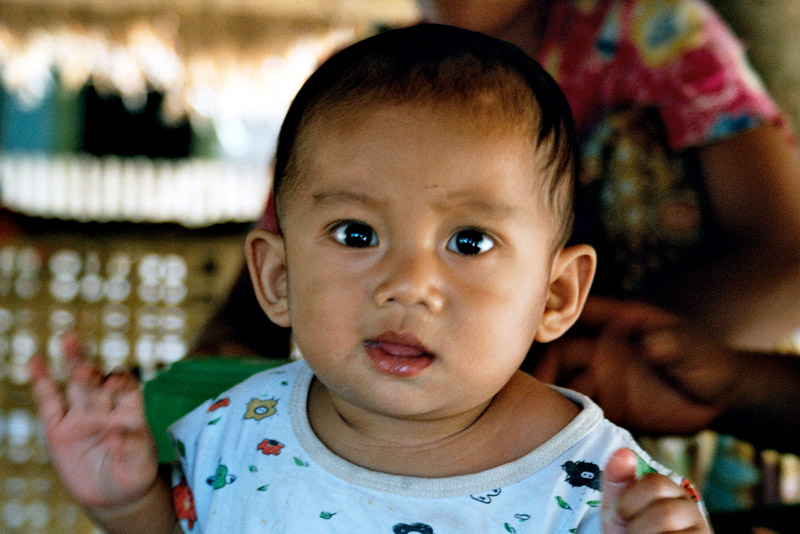
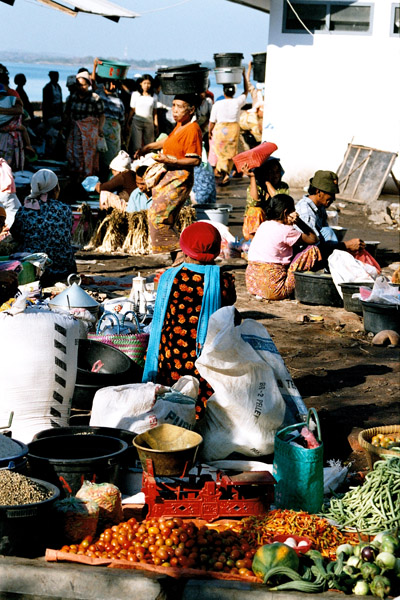
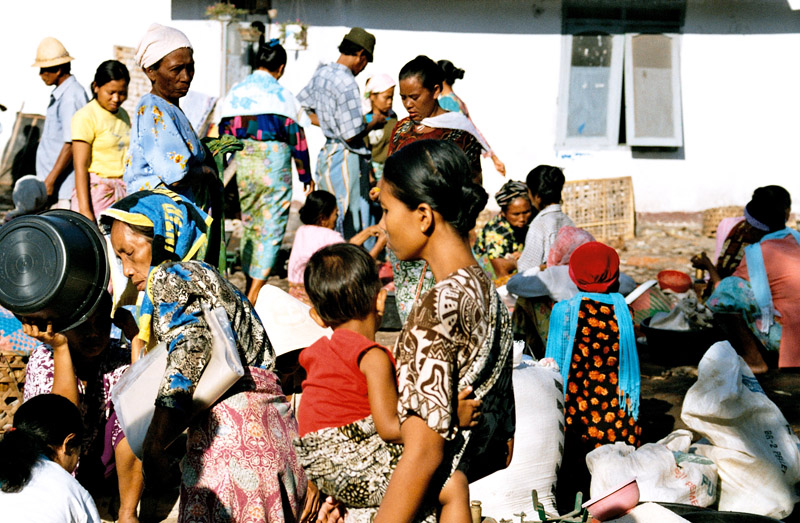
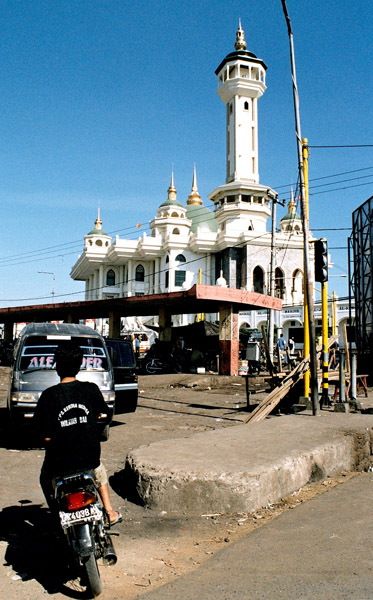
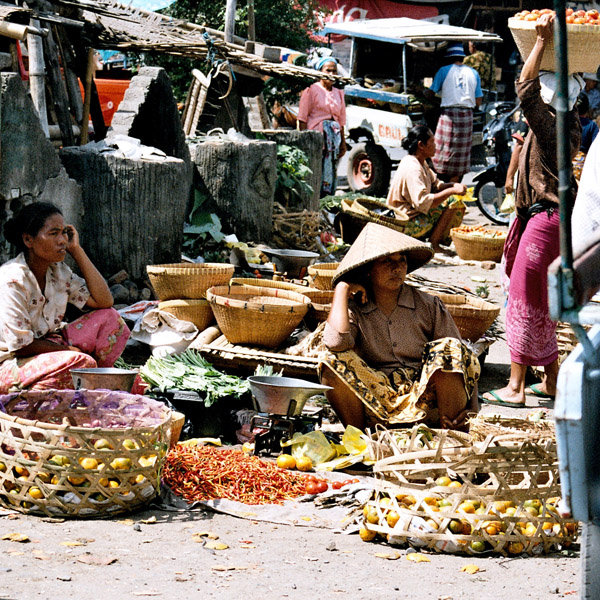
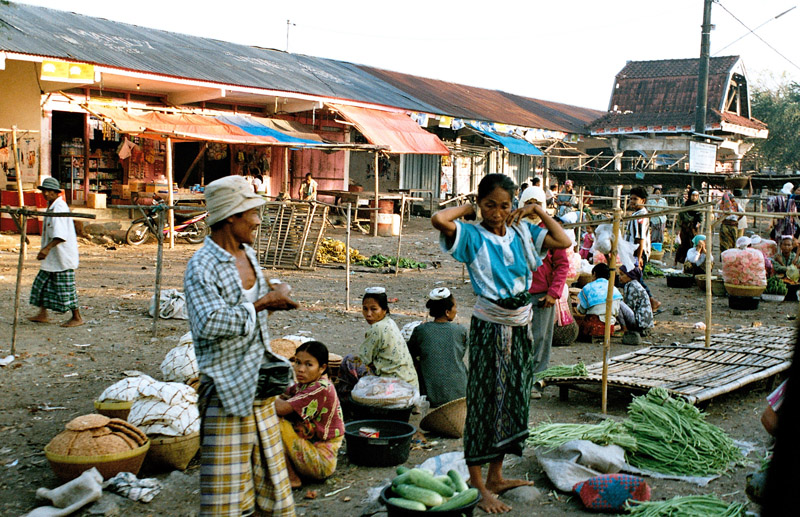
The island’s inhabitants are 85% Sasak whose origins are thought to have migrated from Java in the first millennium BC. Other residents include 10-15% Balinese, with the small remainder being Chinese, Arab, Javanese, and Sumbawanese. Since the Sasak population typically practice Islam, the landscape is punctuated with mosques and minarets. Islamic traditions and holidays influence the Island’s daily activities.
Source: Wikipedia (under GNU Free Documentation License)

Categories
Indonesia

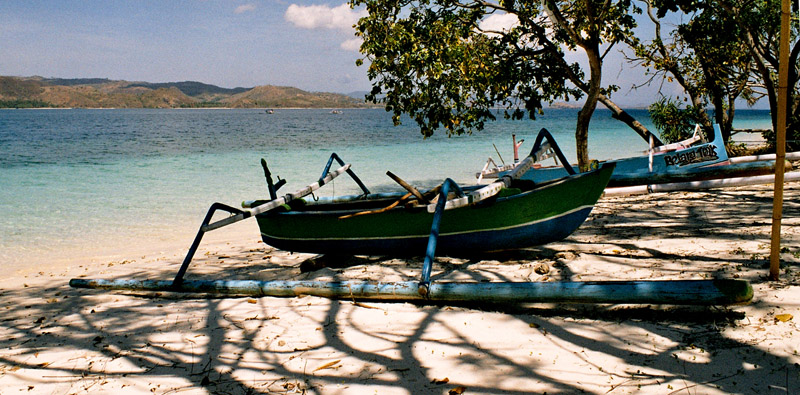
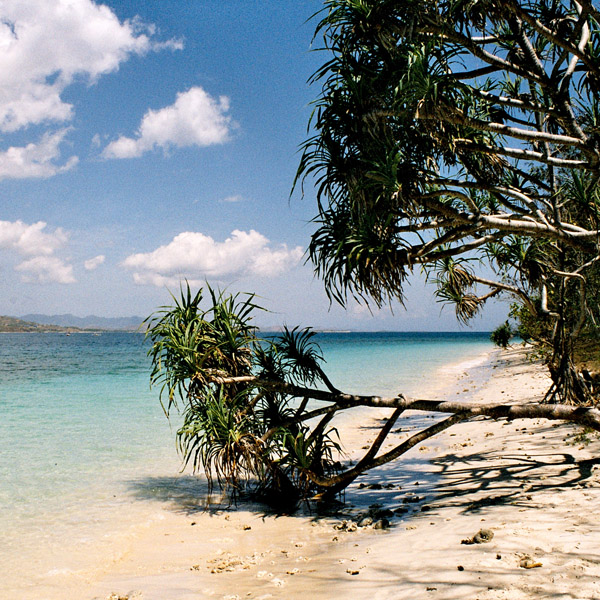
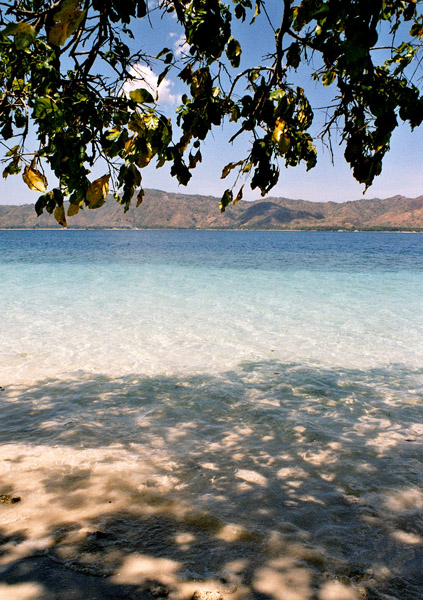
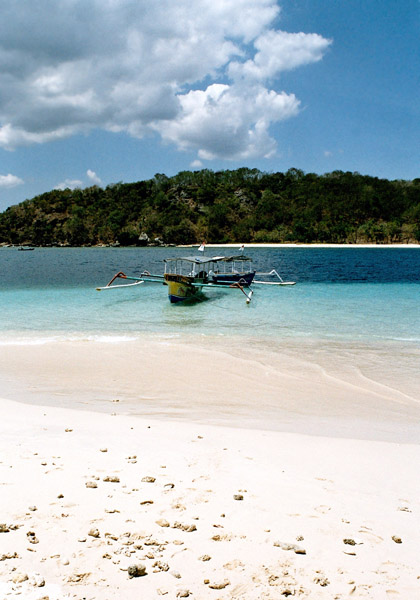
Gili Nanggu

Categories
Indonesia

Gili Air

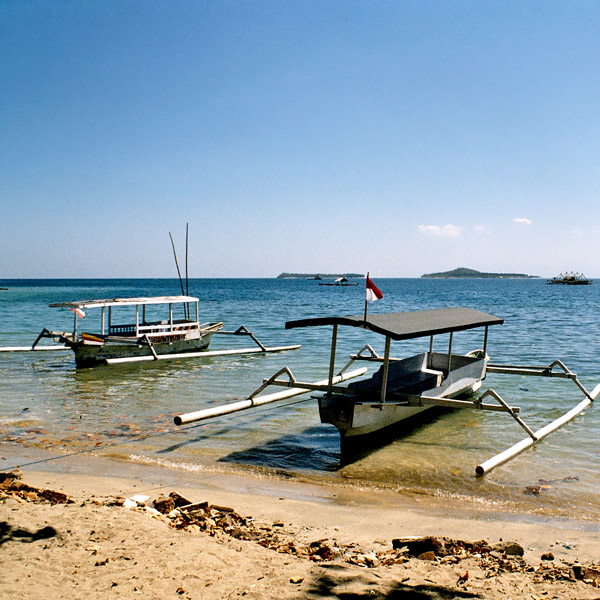
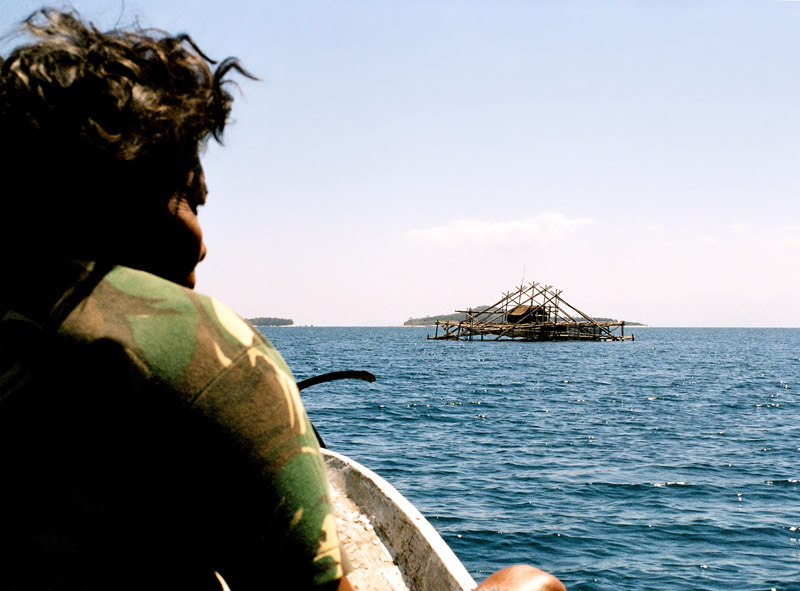
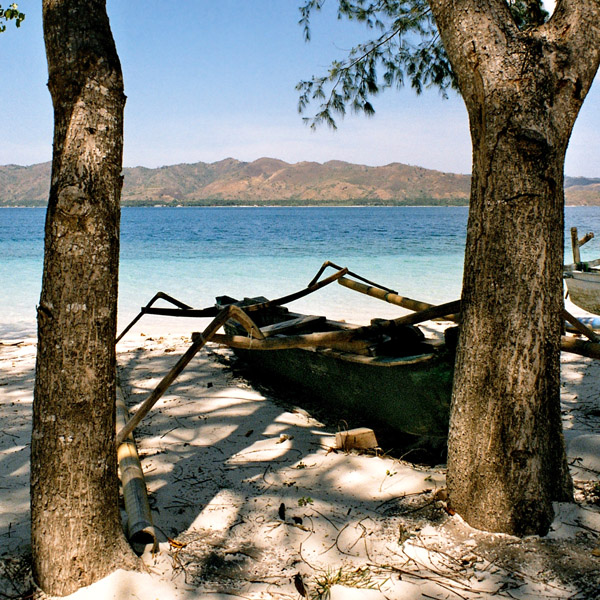
Gili Air is the smallest of the Gilis and it’s closest to the Lombok mainland, making it popular with honeymoon couples and travelers seeking a quiet retreat. It has a population of about 1,000 and administratively lies in the West Nusa Tenggara province. The island offers excellent snorkeling and scuba diving off its east coast, and turtles can be seen along the coral reef.

Source: Wikipedia (under GNU Free Documentation License)

Categories
Mauritius

Mauritius III

Mauritius (pronounced /məˈrɪʃəs/; French: L’île Maurice pronounced: [lil mɔˈʁis], Mauritian Creole: Moris), officially the Republic of Mauritius, French: République de Maurice is an island nation off the coast of the African continent in the southwest Indian Ocean, about 900 kilometres (560 mi) east of Madagascar. In addition to the island of Mauritius, the Republic includes the islands of Cargados Carajos, Rodrigues and the Agalega Islands. Mauritius is part of the Mascarene Islands, with the French island of Réunion 200 km (120 mi) to the southwest and the island of Rodrigues 570 km (350 mi) to the northeast.

The island of Mauritius is renowned for having been the only known home of the dodo. First sighted by Europeans around 1600 on Mauritius, the dodo became extinct less than eighty years later.

The island was known by Arab and Austronesian sailors as early as the 10th century. The Portuguese sailors first visited it in 1507 and established a visiting base leaving the island uninhabited. Three ships of the eight Dutch Second Fleet that were sent to the Spice Islands were blown off course during a cyclone and landed on the island in 1598, naming it in honour of Prince Maurice of Nassau, the Stadtholder of the Netherlands. In 1638, the Dutch established the first permanent settlement. Because of tough climatic conditions including cyclones and the deterioration of the settlement, the Dutch abandoned the island some decades later. France, which already controlled the neighbouring Île Bourbon (now Réunion) seized Mauritius in 1715 and later renamed it Île de France (Isle of France). Under French rule, the island developed a prosperous economy based on sugar production. In the Napoleonic Wars (1803-1815) the British set out to gain control of the island. Despite winning the Battle of Grand Port, Napoleon’s only naval victory over the British, the French surrendered to a British invasion at Cap Malheureux three months later. They formally surrendered on 3 December 1810, on terms allowing settlers to keep their land and property and to use the French language and law of France in criminal and civil matters. Under British rule, the island’s name reverted to the original one.

Source: Wikipedia (under GNU Free Documentation License)

Categories
Tanzania

Zanzibar II

Zanzibar (pronounced /ˈzænzɨbɑr/) is a semi-autonomous part of the United Republic of Tanzania, in East Africa. It comprises the Zanzibar Archipelago in the Indian Ocean, 25–50 kilometres (16–31 mi) off the coast of the mainland, and consists of numerous small islands and two large ones: Unguja (the main island, informally referred to as Zanzibar), and Pemba. Zanzibar was once a separate state with a long trading history within the Arab world; it united with Tanganyika to form Tanzania in 1964 and still enjoys a high degree of autonomy within the union. The capital of Zanzibar, located on the island of Unguja, is Zanzibar City, and its historic center, known as Stone Town, is a World Heritage Site.

Zanzibar’s main industries are spices, raffia, and tourism. In particular, the islands produce cloves, nutmeg, cinnamon and pepper. For this reason, the islands, together with Tanzania’s Mafia Island, are sometimes called the Spice Islands (a term also associated with the Maluku Islands in Indonesia). Zanzibar’s ecology is of note for being the home of the endemic Zanzibar Red Colobus and the (possibly extinct) Zanzibar Leopard.

Source: Wikipedia (under GNU Free Documentation License)

Categories
Tanzania

Zanzibar I

Zanzibar (pronounced /ˈzænzɨbɑr/) is a semi-autonomous part of the United Republic of Tanzania, in East Africa. It comprises the Zanzibar Archipelago in the Indian Ocean, 25–50 kilometres (16–31 mi) off the coast of the mainland, and consists of numerous small islands and two large ones: Unguja (the main island, informally referred to as Zanzibar), and Pemba. Zanzibar was once a separate state with a long trading history within the Arab world; it united with Tanganyika to form Tanzania in 1964 and still enjoys a high degree of autonomy within the union. The capital of Zanzibar, located on the island of Unguja, is Zanzibar City, and its historic center, known as Stone Town, is a World Heritage Site.

Zanzibar’s main industries are spices, raffia, and tourism. In particular, the islands produce cloves, nutmeg, cinnamon and pepper. For this reason, the islands, together with Tanzania’s Mafia Island, are sometimes called the Spice Islands (a term also associated with the Maluku Islands in Indonesia). Zanzibar’s ecology is of note for being the home of the endemic Zanzibar Red Colobus and the (possibly extinct) Zanzibar Leopard.

Source: Wikipedia (under GNU Free Documentation License)

Categories
United States

Sandy Hook

Sandy Hook is a barrier spit, approximately 9.7 kilometers (between 6 and 7 miles) in length and 800 meters (0.5 miles) (varying between 0.10 and 1 miles) wide, in Middletown Township in Monmouth County, along the Atlantic Ocean coast of eastern New Jersey in the United States. The barrier spit encloses the southern entrance of Lower New York Bay south of New York City. The Dutch called the area “Sant Hoek;” with the English “Hook” deriving from the Dutch “Hoek,” meaning “spit of land”.
Geologically, Sandy Hook is a large sand spit or barrier spit, the extension of a barrier peninsula along the coast of New Jersey, separated from the mainland by the estuary of the Shrewsbury River. On its western side, the peninsula encloses Sandy Hook Bay, a triangular arm of Raritan Bay. The community of Highlands overlooks the southern part of the hook. Sandy Hook is legally part of Middletown Township, New Jersey, although not contiguous with the rest of the Township. The peninsula being a federal reservation, this technicality is essentially moot.

Source: Wikipedia (under GNU Free Documentation License)