Categories
Seychelles

Mahé I

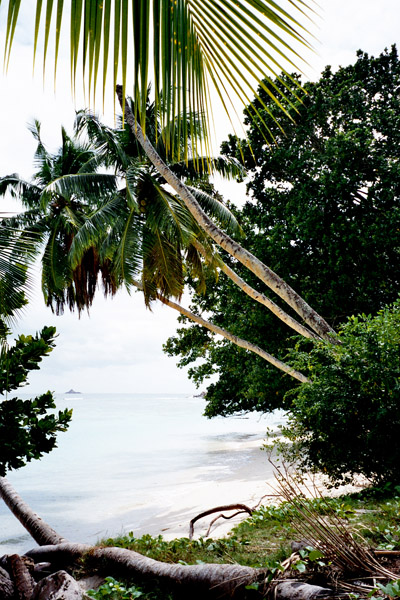
Mahé is the largest island (155 km²) of the Seychelles, lying in the north east of the nation. The population of Mahé is 80,000. It contains the capital city of Victoria and accommodates 90% of the country’s total population. The island was named after Bertrand-François Mahé de La Bourdonnais, a French governor of Mauritius.

Mahé’s tallest peak is Morne Seychellois at 905 m, which lies in the Morne Seychellois National Park. The northern and eastern parts of the island are home to much of the population and the international airport which opened in 1971. The southern and western parts have Baie Ternay Marine National Park and Port Launay Marine National Park. The Ste Anne Marine National Park lies offshore, as do Conception Island, Thérèse Island, Anonyme Island and Silhouette Island.

Mahé was first visited by the British in 1609 and not visited by Europeans again until Lazare Picault’s expedition of 1742. Mahé remained a French possession until 1812 when it became a British colony. It remained a colony until 1976 when Seychelles became an independent nation.

Source: Wikipedia (under GNU Free Documentation License)

Categories
Seychelles

La Digue I

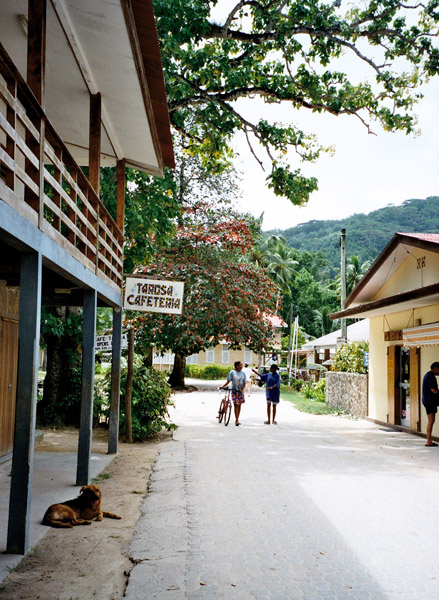
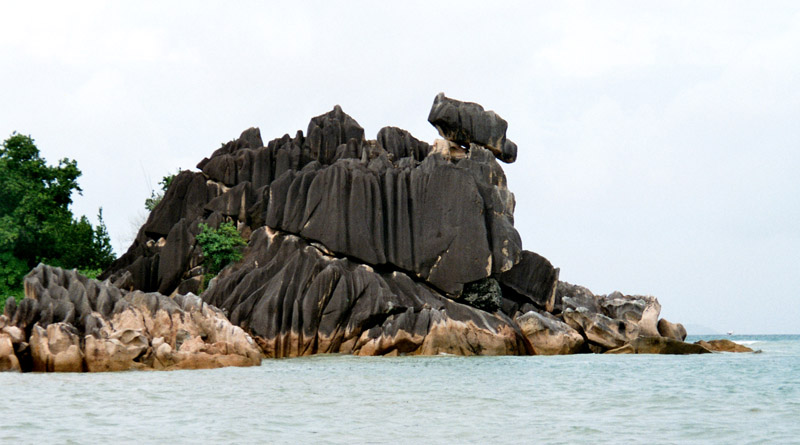
La Digue is the fourth largest inhabited island of the Seychelles, lying east of Praslin and west of Felicite Island. It has a population of about 2,000 people, who mostly live in the west coast villages of La Passe (linked by ferry to Praslin and Mahé) and La Réunion. It has an area of 10 km². La Digue is named after a ship in the fleet of French explorer Marc-Joseph Marion du Fresne, who visited the Seychelles in 1768.

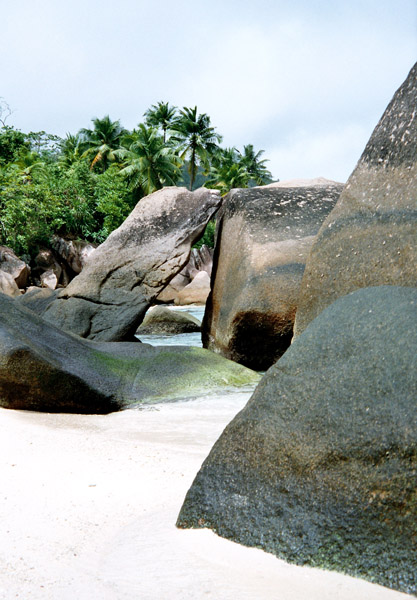
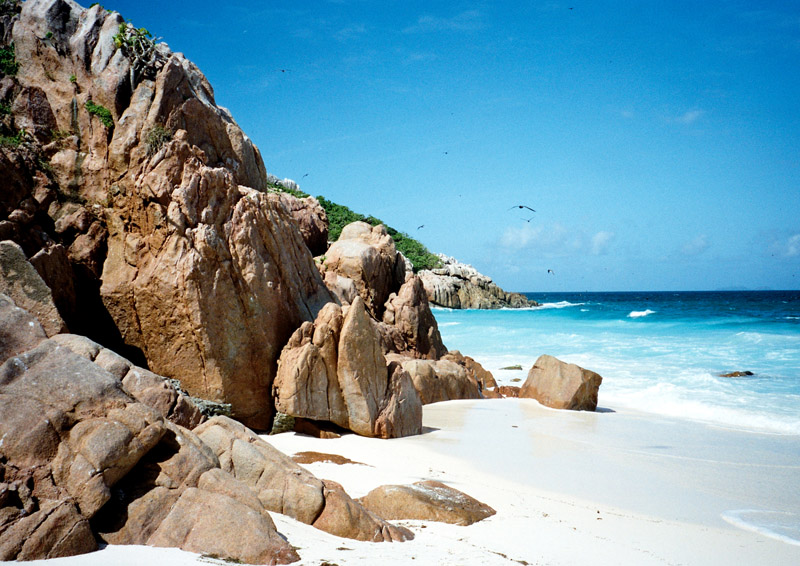
Today the island’s main industry is tourism and is known for its beaches especially Anse Source d’Argent. In former times copra and vanilla production were mainstays of the local economy; which is commemorated in the island’s museum. In the island’s interior is Veuve Nature Reserve, home of the rare Black Paradise Flycatcher, of which there are only about 100 in existence. La Digue’s tallest peak is also in the central part of the island, Belle Vue (Eagle’s Nest Mountain), with its summit more than 300 meters above sea level.

Source: Wikipedia (under GNU Free Documentation License)

Categories
Seychelles

Curieuse

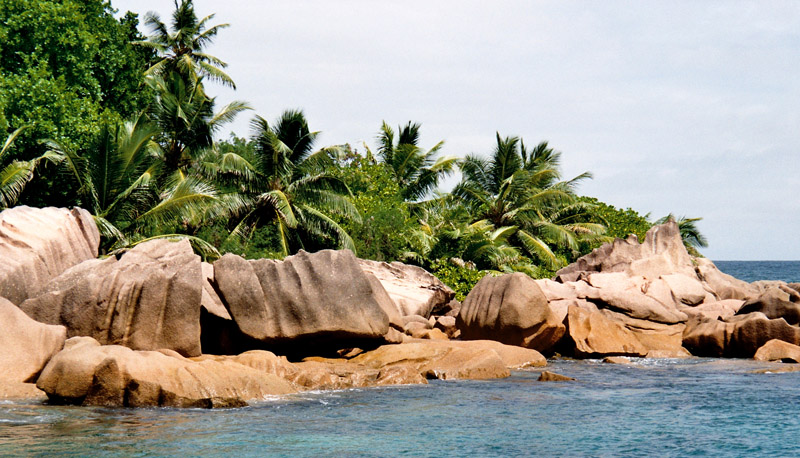
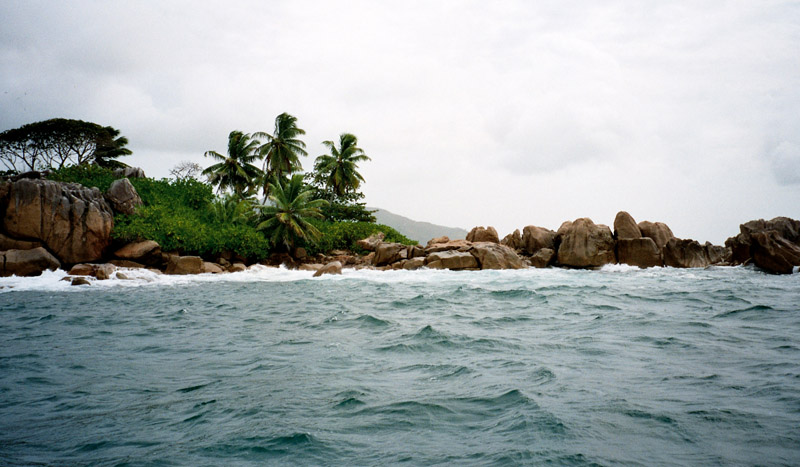
Curieuse Island is a small granitic island (1.78 sq mi) in the Seychelles close to the north coast of the island of Praslin. Curieuse is notable for its bare red earth intermingled with the unique Coco de Mer palms, one of the cultural icons of the Seychelles, only being present on the two islands.

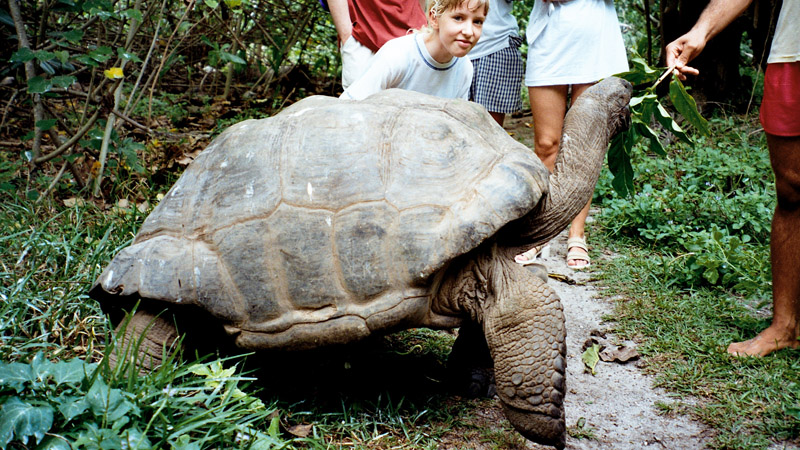
Originally named Ile Rouge due to the red coloured soil, in 1768 the French claimed possession of the island and named it after a schooner “La Curieuse” which was under the command of explorer Marc-Joseph Marion du Fresne. Like many of the Seychelles islands there was a native giant tortoise population that was quickly extirpated.

In 1771 sailors set fire to the island, intending to make harvesting the coco de mer nuts easier. The fire destroyed many of the islands forests and its native trees and today indications of the fire can still be seen nearly 250 years on.

Source: Wikipedia (under GNU Free Documentation License)

Categories
Seychelles

Aride

Aride Island is the northernmost granitic island in the Seychelles and is 10km north of Praslin. It is 68 hectares in area and is a nature reserve. Aride is leased and managed by the Island Conservation Society of Seychelles. The only human inhabitants are the reserve’s staff; currently four Seychellois rangers and two wardens. They live in small plantation houses on the south side of the island.

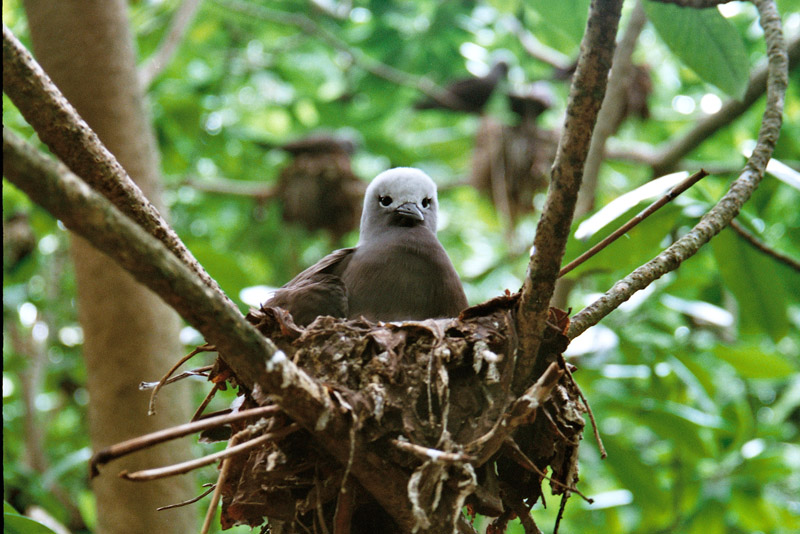
Over 1.25 million seabirds regularly breed on Aride including the world’s largest colony of lesser noddy, the largest Seychelles population of roseate terns and the world’s largest colony of Audubon’s Shearwater. There is also an enormous roost of non-breeding frigatebirds. The Seychelles Warbler was introduced from Cousin Island to Aride in 1988 and its population is now the largest in the world with over 2,000 pairs. The Seychelles Fody was also introduced from Cousin in 2002, as well the Seychelles Magpie Robin from Fregate Island. The Seychelles Blue Pigeon and the Seychelles Sunbird have re-colonised Aride naturally.

Source: Wikipedia (under GNU Free Documentation License)

Categories
Mauritius

Mauritius I

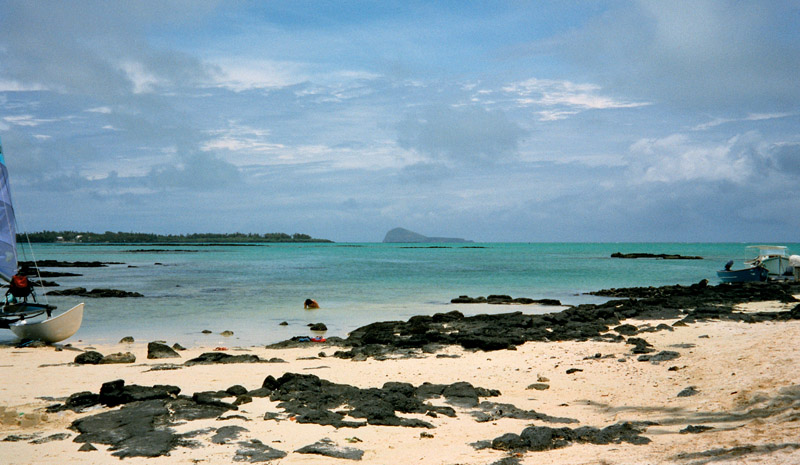
Mauritius (pronounced /məˈrɪʃəs/; French: L’île Maurice pronounced: [lil mɔˈʁis], Mauritian Creole: Moris), officially the Republic of Mauritius, French: République de Maurice is an island nation off the coast of the African continent in the southwest Indian Ocean, about 900 kilometres (560 mi) east of Madagascar. In addition to the island of Mauritius, the Republic includes the islands of Cargados Carajos, Rodrigues and the Agalega Islands. Mauritius is part of the Mascarene Islands, with the French island of Réunion 200 km (120 mi) to the southwest and the island of Rodrigues 570 km (350 mi) to the northeast.

The island of Mauritius is renowned for having been the only known home of the dodo. First sighted by Europeans around 1600 on Mauritius, the dodo became extinct less than eighty years later.

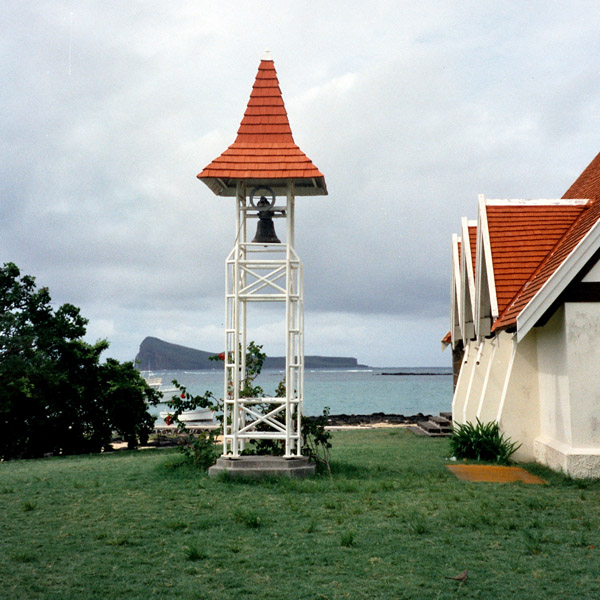
The island was known by Arab and Austronesian sailors as early as the 10th century. The Portuguese sailors first visited it in 1507 and established a visiting base leaving the island uninhabited. Three ships of the eight Dutch Second Fleet that were sent to the Spice Islands were blown off course during a cyclone and landed on the island in 1598, naming it in honour of Prince Maurice of Nassau, the Stadtholder of the Netherlands. In 1638, the Dutch established the first permanent settlement. Because of tough climatic conditions including cyclones and the deterioration of the settlement, the Dutch abandoned the island some decades later. France, which already controlled the neighbouring Île Bourbon (now Réunion) seized Mauritius in 1715 and later renamed it Île de France (Isle of France). Under French rule, the island developed a prosperous economy based on sugar production. In the Napoleonic Wars (1803-1815) the British set out to gain control of the island. Despite winning the Battle of Grand Port, Napoleon’s only naval victory over the British, the French surrendered to a British invasion at Cap Malheureux three months later. They formally surrendered on 3 December 1810, on terms allowing settlers to keep their land and property and to use the French language and law of France in criminal and civil matters. Under British rule, the island’s name reverted to the original one.

Source: Wikipedia (under GNU Free Documentation License)
Categories
Saint Vincent and the Grenadines

Union Island

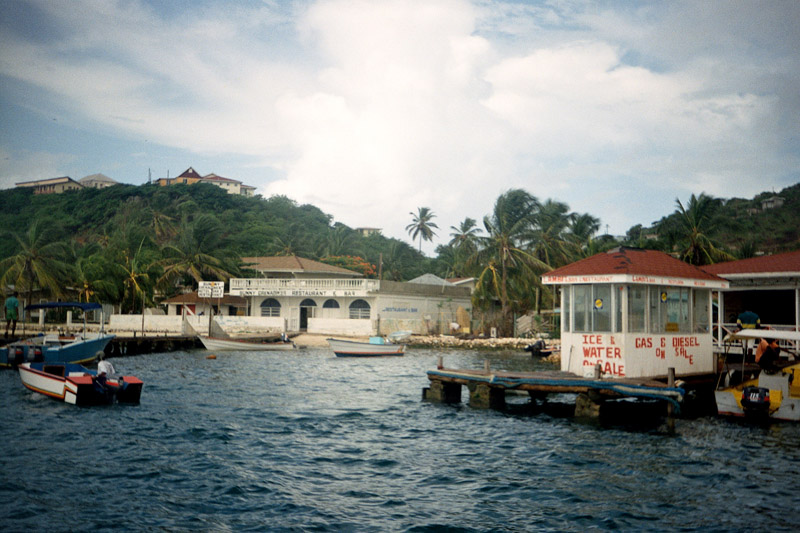
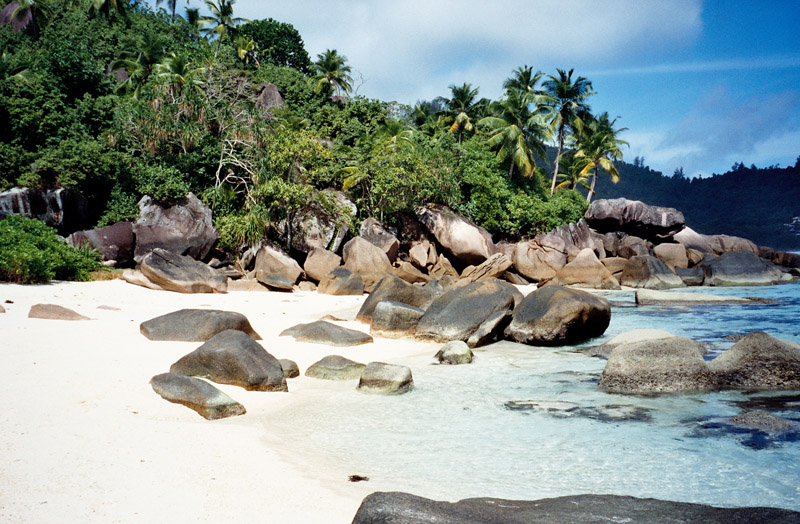
Union Island is part of the nation of St. Vincent and the Grenadines. It the southernmost island of the Grenadines. It lies 90 kilometers southwest of Barbados and is within view of the islands of Carriacou and the mainland of Grenada, which lie directly south.

Clifton and Ashton are the two principal towns. The island is home to approximately 3,000 residents. The official language is English, but French and German are spoken by some merchants in Clifton as well.

The island has an international airport which has domestic flights to Saint Vincent and some of the Grenadines and international flights to Barbados, Carriacou, Grenada and Martinique. Airlines flying into Union Island are not IATA members and itineraries will not be visible to more non-regional travel agents – visitors interested in travel to the islands will need to contact the airlines directly or contact a local travel agency. Daytime flights only, as there are no runway lights.

Source: Wikipedia (under GNU Free Documentation License)
Categories
Saint Vincent and the Grenadines

Tobago Cays

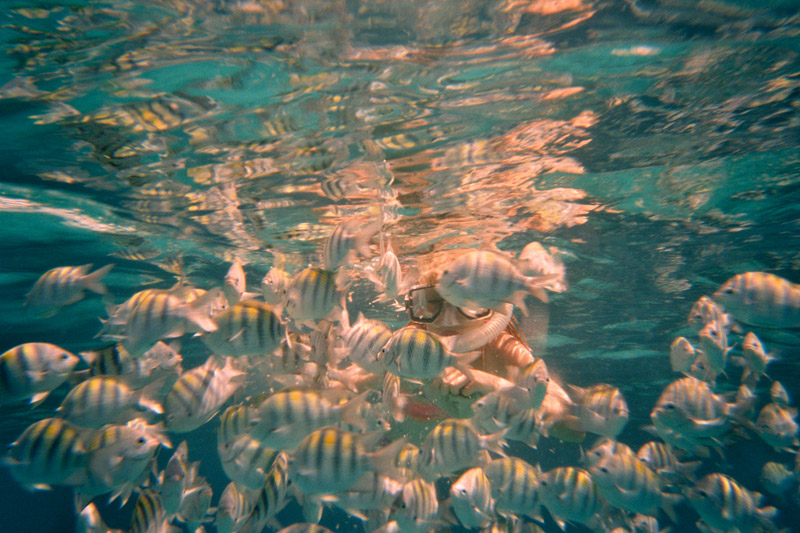
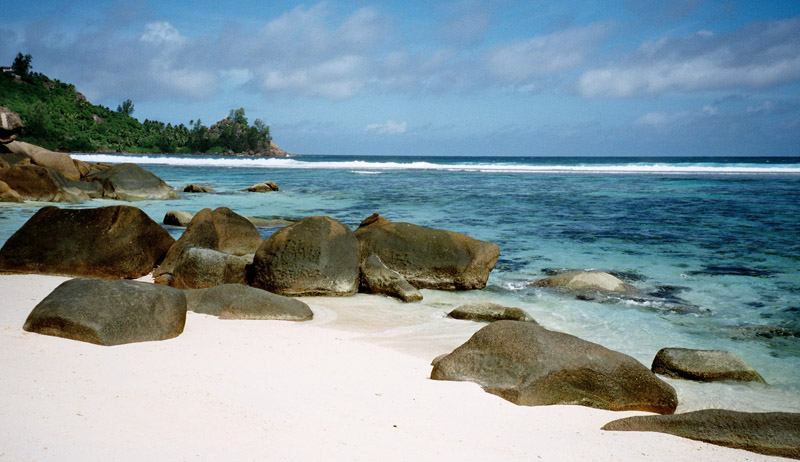
The Tobago Cays are an archipelago comprising five small uninhabited islands – Petit Rameau, Petit Bateau, Baradol, Petit Tobac and Jamesby – located in the Southern Grenadines. The Tobago Cays are now the key element of the Tobago Cays Marine Park, a national park and wildlife preserve run by the St.Vincent and the Grenadines government. The Tobago Cays Marine Park consists of a 1,400 acre sand-bottom lagoon which encompasses four uninhabited cays and the 4 km Horseshoe Reef. While the cays are uninhabited, they are surrounded by the three larger inhabited islands of Union Island, Mayreau and Canouan.

The most extensive and well-developed coral reef complexes in St. Vincent & the Grenadines occur on shallow shelves around the windward sides of Mayreau and Union Islands and the Cays themselves. In addition, principal vegetation types include beach vegetation and dry forest. With the exception of a small mangrove in Petit Rameau and salt pond in Mayreau, there are no wetlands in the Cays.

Major users of the area include: cruise ships (an estimated 50,000 visitors each year of which 10,000 visit the Cays); yachts (an estimated 3,000 yachts anchor in the lagoon each year); day charters (from nearby hotels); sport divers and snorkelers; and fishing enthusiasts.

Source: Wikipedia (under GNU Free Documentation License)
Categories
Barbados

Barbados

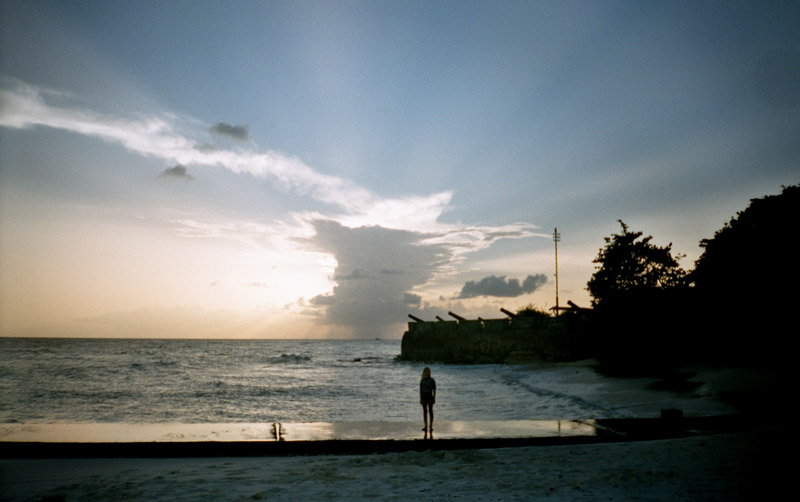
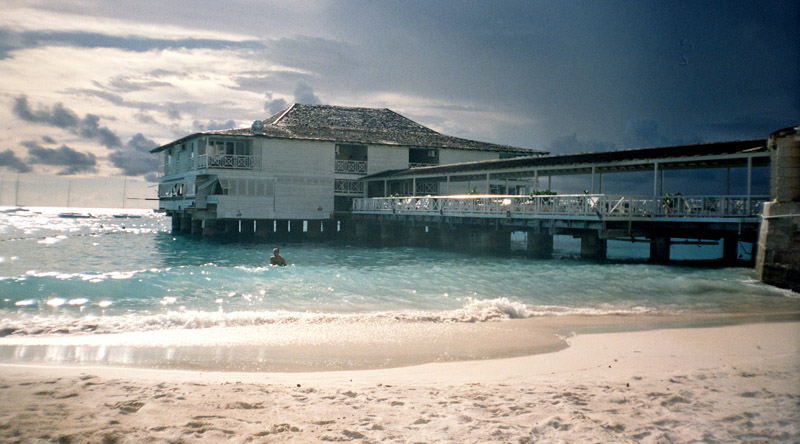
Barbados, situated just east of the Caribbean Sea, is a West Indian continental island-nation in the western Atlantic Ocean. After a brief claim by Spain in 1492 and later Portugal, Barbados became a colony and protectorate of the United Kingdom for over three centuries. The country currently maintains Queen Elizabeth II as head of state. Located at roughly 13° North of the equator and 59° West of the prime meridian, it is considered a part of the Lesser Antilles. Its closest island neighbours are Martinique, Saint Lucia, and Saint Vincent & the Grenadines to the west. To the south lies Trinidad and Tobago – with which Barbados now shares a fixed official maritime boundary – and also the South American mainland. Barbados’s total land area is about 430 square kilometres (166 square miles), and is primarily low-lying, with some higher in the country’s interior. The highest point in Barbados is Mount Hillaby in the parish of Saint Andrew.

The geological composition of Barbados is of non-volcanic origin, predominantly limestone-coral. After the break of South America from Africa in the Mesozoic, a reef formed. During the Cenozoic, as both the Caribbean and South American plates moved westward, the two plates impacted and pressed this reef upward. Barbados is part of a North Atlantic Ocean submarine mountain range located to the east of the Windward Islands. This range stretches from its close proximity of Puerto Rico in the north, to a south-easterly direction toward Venezuela. The island of Barbados forms the only part of this mountain range that rises above sea level.

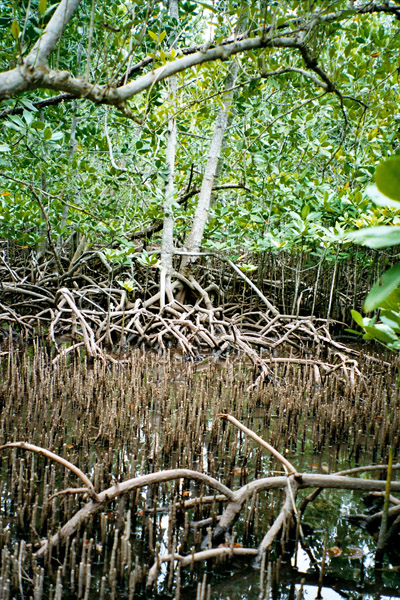
The island’s climate is tropical, with constant trade winds off the Atlantic Ocean serving to keep temperatures mild. Some less developed areas of the country contain tropical woodland and mangroves. Other parts of the interior which contribute to the agriculture industry are dotted with large sugarcane estates and wide, gently sloping pastures, with panoramic views down to the coast also.

Source: Wikipedia (under GNU Free Documentation License)
Categories
Azores

Faial

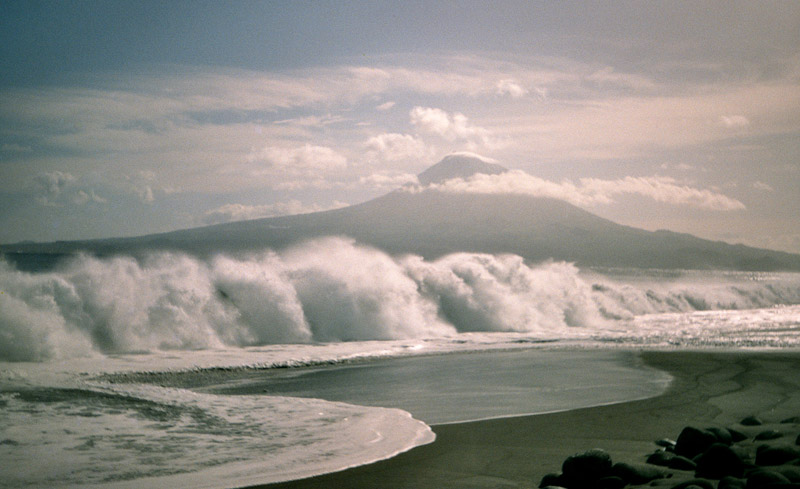
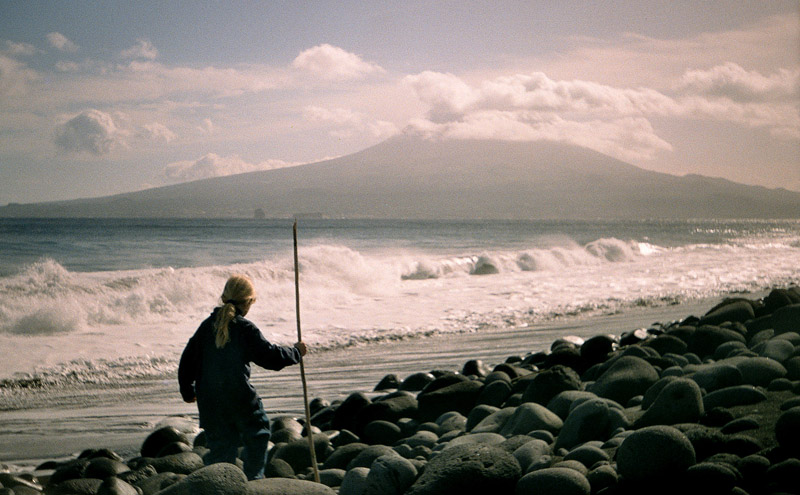
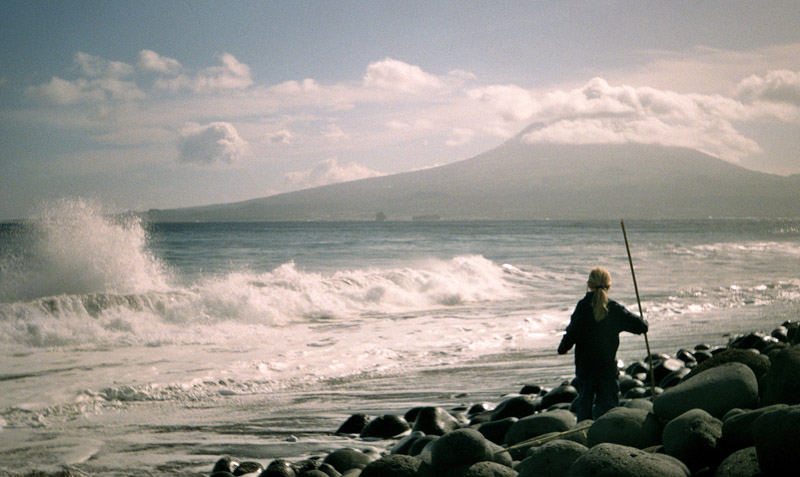
Faial Island, also known in English as Fayal, is a Portuguese island of the Central group (Grupo Central) of the Azores. Its area is 173 km² and it is located 28.7° W longitude and 38.6° N latitude. The nearest island is Pico Island to the east. The island is also referred to as Ilha Azul (the “Blue Island”), by poet Raul Brandão, due to the large quantity of Hydrangeas that bloom during the summer months.

During a period of medieval legends and unsubstantiated stories of mystical lands, the island of Faial first appeared on the 1375-1377 Atlas Catalão, as Ilha da Ventura or Insula de La Ventura (Venture Island). By 1427 they had discovered what most had suspected: islands in the middle of the Atlantic (specifically the islands of Santa Maria and São Miguel). Subsequent years would occur new discoveries, until during his first voyage of exploration (in 1451) the navigator Diogo de Teive explored the coast of Faial.

It was the humanist friar Gaspar Frutuoso who recounted that the first explorers did not find a uninhabited island: a hermit, who had a small flock and lived in a cave in the interior, had occupied the land.

Source: Wikipedia (under GNU Free Documentation License)
Categories
Azores

São Miguel Island

São Miguel Island (Portuguese pronunciation: [sɐ̃ũ miˈɡɛɫ]; Portuguese for Saint Michael), nicknamed “The Green Island”, is the largest and most populous island in Portuguese Azores archipelago. The island covers 759 km2 (293 sq mi) and has around 140,000 inhabitants, 45,000 of these people located in the largest city in the archipelago: Ponta Delgada.
In 1427, São Miguel became the second of the islands discovered by Gonçalo Velho Cabral to be settled by colonists from the continent of Portugal. This date is uncertain, as it is believed that the island was discovered between 1426 and 1439 and inscribed in portolans from the middle of the 14th Century. In the early 1400s Infante D. Henrique authorized the settlement of the Azores, and many settlers from Estremadura, Alto Alentejo, Algarve and Madeira traveled to São Miguel, under the Carta Régia (a decree of the regency). Settlers from other countries, notably French people and cultural minorities such as Jews and Moors also came in this early settlement phase, due to the fertile soils and temperate climate. A military garrison was quickly established, and the Azorean ports became obligatory ports-of-call on African and Asian commerical trade. São Miguel became a center for the production of sugar and orchil, a dye exported to Flanders for the making of cloth.

Source: Wikipedia (under GNU Free Documentation License)